


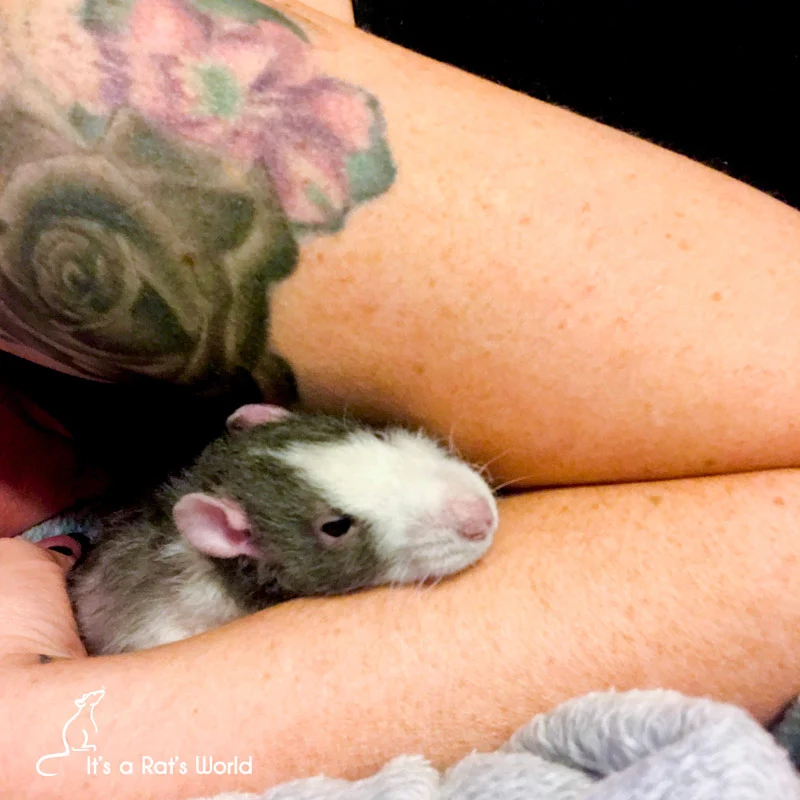
The profound emotional connection that can develop between humans and their pet rats is a topic often underestimated, yet deeply cherished by those who have experienced it. For many rat owners, the absence of these small creatures leaves a significant void, a testament to the unique bond they forge. This article delves into the intricacies of human-rat relationships, exploring the journey from initial trust-building to a deeply rooted companionship, drawing insights from experienced owners and offering guidance for those seeking to cultivate such a connection.
The Unparalleled Affection of Rats
For Brandi Saxton, a dedicated advocate for rat welfare and owner of "It’s A Rat’s World," the current absence of rats in her life is a source of profound longing. "What makes being ratless so torturous is that I do not currently share a special bond with an animal," Saxton states. "It’s honestly the first time in my entire life that this has been the case." While her household includes dogs and a cat, Saxton emphasizes that these animals, while loved, do not fill the specific niche that rats occupied in her heart.
Saxton’s journey with rats began after experiencing companionship with a variety of other animals. However, it was rats that truly captured her affection, creating a bond she found unparalleled. Ferrets, she notes, came a close second, underscoring the distinct nature of rat companionship. The everyday moments shared with her rats, from shared movie nights on the couch to gentle grooming sessions and the exuberant greetings at the cage door, are what she misses most. The jealousy displayed by rats vying for head scratches, the contented stretching in her lap while she worked – these were not merely interactions, but intimate moments of mutual affection and undivided attention. Saxton recalls, "I never had to compete with another human for their affection; I was always their favorite human." This exclusivity of affection is a hallmark of the rat-human bond, offering a unique form of companionship where the owner is consistently the focal point of their pet’s adoration.

Building Trust: The Foundation of Rat Companionship
For new rat owners or those considering bringing these intelligent rodents into their homes, the ultimate goal is to achieve this profound level of closeness. However, the path to such a bond is not always immediate. Saxton addresses a common challenge: what to do when rats appear skittish, aloof, or show little interest in interaction. "Does this mean that forming a bond with them is hopeless? Definitely not!" she asserts. "You just need a new approach."
A frequent hurdle for novice owners is the perception that timid or jumpy behavior in rats signifies an impending bite. Saxton explains that this behavior often stems from a fear of being bitten, a concern that can hinder the bonding process. Most rats require time to acclimate to their new surroundings. Those with a history of trauma, in particular, may need extended patience and understanding to settle in. A lack of knowledge on how to facilitate this adjustment can inadvertently lead to rats becoming more withdrawn and fearful. Saxton’s comprehensive article, "Helping A Scared Pet Rat," offers guidance on understanding rat expressions of fear, identifying potential causes, and systematically earning their trust.
Distinguishing Trust from Bonding
It is crucial to understand the difference between earning a rat’s trust and forging a deep bond. While trust is a prerequisite for bonding, it is not the same. Trust, from a rat’s perspective, signifies a belief that their human is not a threat. Bonding, on the other hand, involves a mutual desire for companionship and a more profound emotional connection.
A rat’s individual personality and past experiences significantly influence their capacity for bonding. When a rat feels insecure or is in a state of self-preservation, their primary focus is on safety, making it challenging to form a loving attachment. As they begin to feel comfortable and at ease, they start to recognize and value the time spent with their human companions. This transition is key to unlocking the deeper levels of companionship that rats can offer.
Recognizing Diverse Personalities in Rats
Rats, much like humans, exhibit a wide spectrum of personalities. Saxton categorizes these into distinct types, each influencing the bonding process.
-
Extroverted and Brave Rats: These are often the easiest to bond with. They adapt quickly to new environments and people, demonstrating immediate trust. Saxton recalls, "Whenever I had a large group of rats, I always had at least one extrovert that showed immediate faith in me. Usually within the first second of meeting them, they were demanding to be held and climbing all over me." This innate confidence allows them to form connections rapidly, sometimes seeming to trust their human before any deliberate effort has been made.
-
Timid and Apprehensive Rats: At the other end of the spectrum are rats who view humans, even their owners, as potential predators. For these individuals, breaking through this initial barrier of fear is paramount. While some may never fully shed their apprehension, successfully guiding them to recognize and accept their human as a caregiver represents a significant achievement in the relationship. The depth of this connection is then contingent upon the rat’s capacity and the owner’s sustained effort.
-
The Majority In-Between: Most rats fall somewhere between these two extremes. They may exhibit nervousness initially, but with consistent daily interaction, they typically become more comfortable and secure. Understanding these personality nuances is vital for tailoring the bonding approach to each individual rat’s needs and temperament.

The Cornerstone of Companionship: Quality Time
Consistent, quality time is the most critical element in building a strong relationship with a rat. This involves being a regular presence, speaking to them, petting them, holding them, and engaging in play. This sustained interaction is the sole pathway to a genuine connection and allows owners to discover their rat’s unique characteristics.
Integrating rats into the owner’s daily life can be highly beneficial. Simply being within earshot and scent range helps them feel included in the human’s routine. Saxton emphasizes the importance of allowing rats out of their cage for at least one to two hours daily, not only for exercise but also for dedicated quality time with their owner. This can occur on a couch, a bed, or in a specially rat-proofed room. Focused cuddling, watching a movie, reading, or listening to music together provides an opportunity for deep connection. Learning a rat’s preferred methods of being held and petted, and identifying their favorite spots for tactile stimulation, further enhances this intimacy.
Bonding pouches and rat-sized blankets can be invaluable tools, especially for skittish rats. Their natural inclination to burrow means that a secure place to hide within the owner’s arms encourages them to snuggle closer, fostering a sense of safety and proximity.
Even casual interactions, like talking to rats while they are in their cage, contribute to their comfort. This allows them to become accustomed to the owner’s voice without the stress of being constantly handled. This gradual approach builds trust and reduces the fear associated with every approach. The physiological benefits of petting are also significant; the act itself releases endorphins, stress-relieving brain chemicals, in both humans and rats. Gentle strokes along their back or head while conversing can initiate this positive feedback loop.

For situations where bonding isn’t progressing naturally or a rat continues to resist attention, Saxton recommends her article, "Honoring Your Rat’s Personal Space." She stresses that each rat possesses unique boundaries, and respecting these is crucial to avoid sabotaging bonding efforts.
The Power of Food and Positive Association
Food serves as one of the most effective tools for trust training and bonding. Saxton humorously recalls that the enthusiastic "happy dances" her rats performed upon her approach might have been as much about the anticipation of treats as about her presence. Regardless of the motivation, their excitement was always a source of amusement.
Making mealtimes a significant event helps rats quickly associate their owner with the provision of food, thereby earning their favor. Selecting a healthy, favorite snack and consistently announcing its arrival with a specific phrase or word in a distinct tone creates a powerful positive association. Saxton’s personal cue, "Treats, Treats, Treats!" delivered in an escalating pitch, would rouse even the deepest sleepers, prompting them to rush to the cage door. This ritual proved effective even with standoffish rats who disliked being held, as they would eagerly accept the offered treats. Witnessing nervous or introverted rats participate in this eager anticipation signaled significant progress in bonding efforts.
Elevating the Rat Friendship: Advanced Engagement
For those with the time and inclination, taking the rat friendship to the next level can be incredibly rewarding. Teaching rats tricks or constructing mazes provides engaging activities that allow owners to explore their rats’ personalities in novel ways. While Saxton has limited personal experience in this area, she acknowledges its potential for deepening the bond.
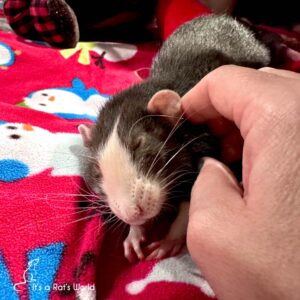
Similarly, traveling with rats can foster a stronger connection. Saxton notes that road trips often resulted in rats becoming more cuddly and bonded, even the more nervous ones. The experience of being outside their familiar environment appeared to reinforce their trust in their human companion.
Navigating Expectations: The Unique Journey of Each Bond
The bond formed with each rat is a unique and individual experience. Some connections develop with ease, while others may present persistent challenges. Regardless of a rat’s disposition, maintaining a thriving relationship requires ongoing effort from the owner. Saxton advises against comparing one’s rats to those seen on social media, emphasizing that discouragement is unnecessary if a rat is less responsive. Each rat is an individual, deserving of respect and understanding.
Saxton’s own experiences highlight the diverse spectrum of rat bonds, ranging from "soulmate status" to a more reserved "you’re the human I dislike the least, so I’m willing to tolerate you." Even in the latter case, she found the bond to be special, recognizing the significant effort required to achieve it. The moment a frightened rat finally lowers its guard and accepts their human’s role in their life is described as a profound honor.
Ultimately, every rat is deemed "worth the endeavor." The bonds forged and the cherished memories created endure long after a rat’s life has passed, residing forever in the heart of their devoted human companion. This enduring legacy underscores the profound impact that these small creatures can have on our lives.

