


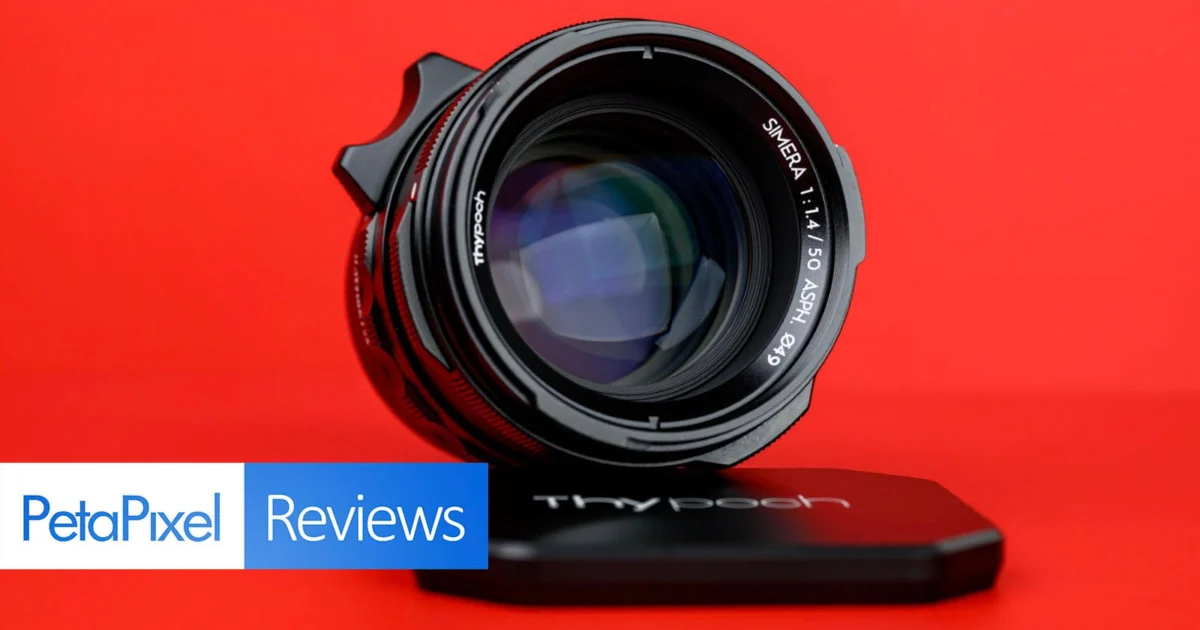
The landscape of M-mount photography, long dominated by the prestigious and prohibitively expensive optics of Leica, is undergoing a significant transformation as third-party manufacturers refine their craft. The Thypoch Simera 50mm f/1.4 enters this competitive arena not merely as a budget alternative, but as a precision-engineered tool designed to meet the rigorous demands of rangefinder enthusiasts. Priced at $749, the lens seeks to balance the "clinical" sharpness demanded by modern digital sensors with the tactile, mechanical soul required by film and rangefinder purists. Following the successful reception of the Simera 28mm and 75mm focal lengths, this 50mm iteration completes a foundational trio for the brand, solidifying Thypoch’s reputation for delivering high-performance optics at a fraction of the cost of European counterparts.
The Evolution of the Simera Series
The release of the 50mm f/1.4 represents a pivotal moment in Thypoch’s product timeline. The company first garnered attention by focusing on the specific aesthetic and ergonomic needs of the M-mount community. Unlike many modern lens manufacturers who prioritize autofocus and electronic integration, Thypoch has leaned into the heritage of manual photography. The Simera line is characterized by its "Epoch" coatings and aspherical optical designs, which aim to eliminate the common pitfalls of vintage-style lenses, such as excessive flare and chromatic aberration, while maintaining a compact form factor.
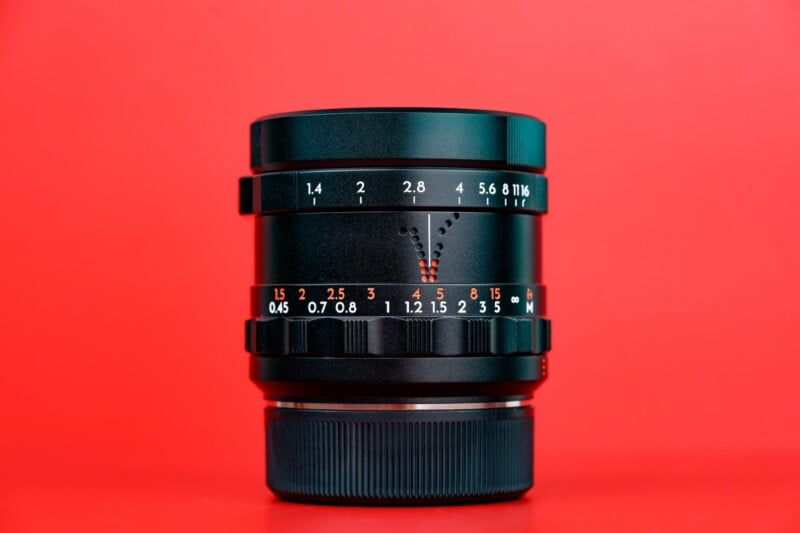
Chronologically, the Simera series has rolled out with strategic intent. The 28mm f/1.4 and 35mm f/1.4 were the first to establish the brand’s identity, followed by the 75mm f/1.4, which targeted portrait photographers. The 50mm f/1.4 is arguably the most important addition, as the "nifty fifty" remains the standard focal length for street, documentary, and travel photography. By adhering to a consistent design language across the series—including the signature depth-of-field scales and high-quality metal construction—Thypoch has created a cohesive ecosystem for photographers who prefer the rangefinder experience.
Mechanical Design and Ergonomic Precision
The build quality of the Simera 50mm f/1.4 is a testament to modern CNC machining capabilities. Weighing approximately 9.8 ounces (280 grams), the lens strikes a delicate balance: it is heavy enough to feel substantial and durable, yet light enough to avoid making a Leica M-body feel front-heavy. The lens barrel is constructed entirely of metal, with a finish that resists fingerprints and provides a secure grip.
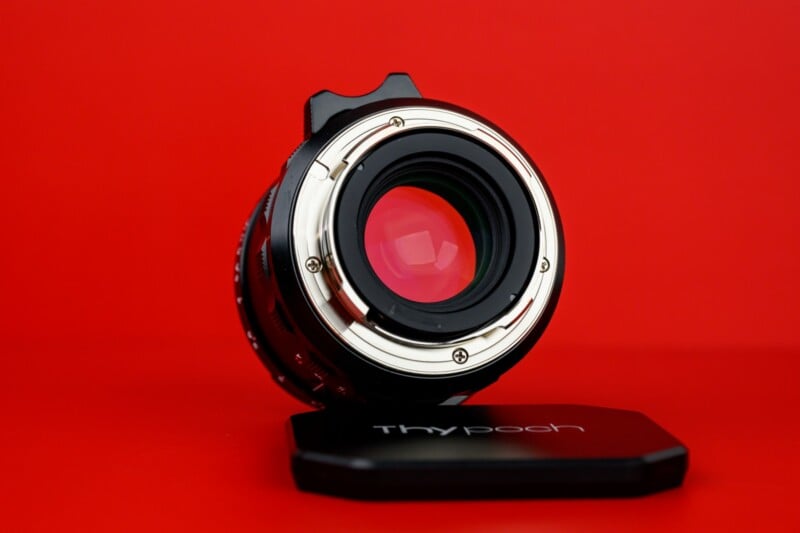
One of the standout features of the Simera series is the manual focusing ring. On the 50mm model, the throw is calibrated for precision, offering enough resistance to prevent accidental shifts while remaining smooth enough for rapid adjustments in street photography scenarios. Furthermore, the aperture ring features a dual-mode operation. Photographers can choose between traditional clicked stops for tactile feedback or a "de-clicked" mode, which is increasingly popular for videographers using M-mount glass on mirrorless systems via adapters.
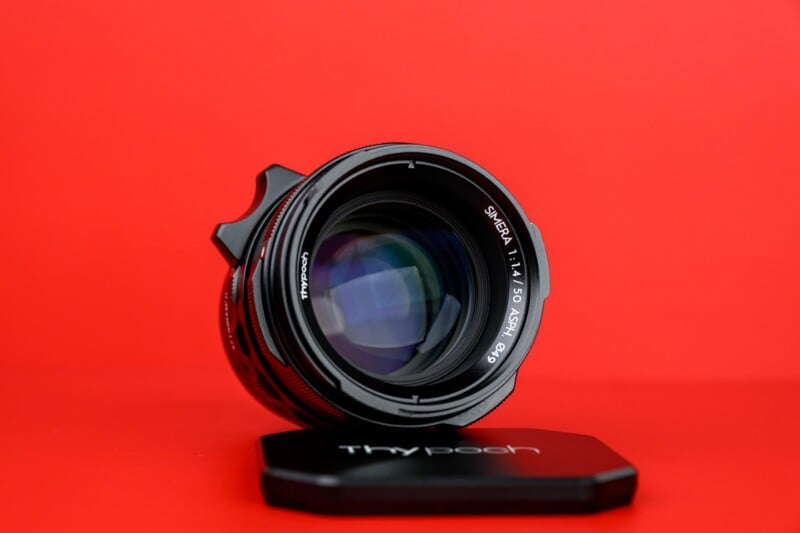
A notable ergonomic detail is the inclusion of a haptic "click-stop" at the 0.7-meter mark on the focusing scale. Because traditional rangefinder cameras are only coupled to focus down to 0.7 meters, any closer focusing must be done via Live View or an external electronic viewfinder. The physical click serves as a vital tactile warning to the photographer that they have moved beyond the rangefinder’s mechanical synchronization. This attention to the specific limitations of the M-mount system demonstrates a deep understanding of the end-user’s workflow.
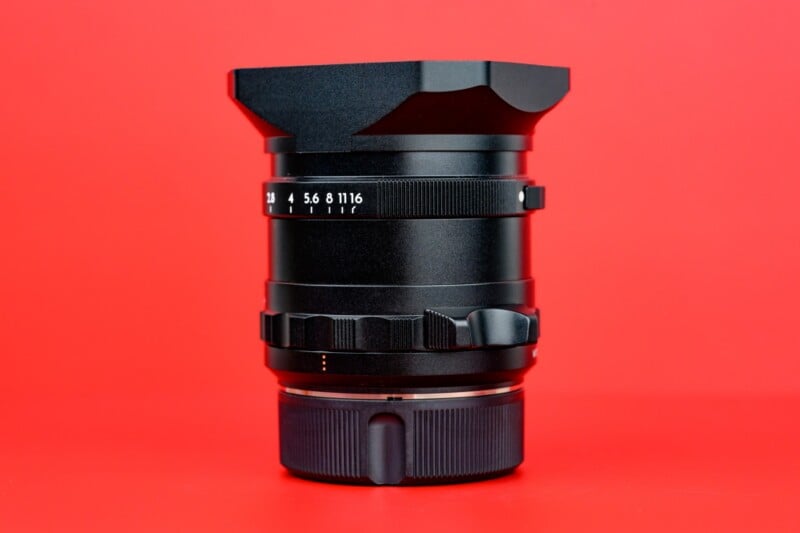
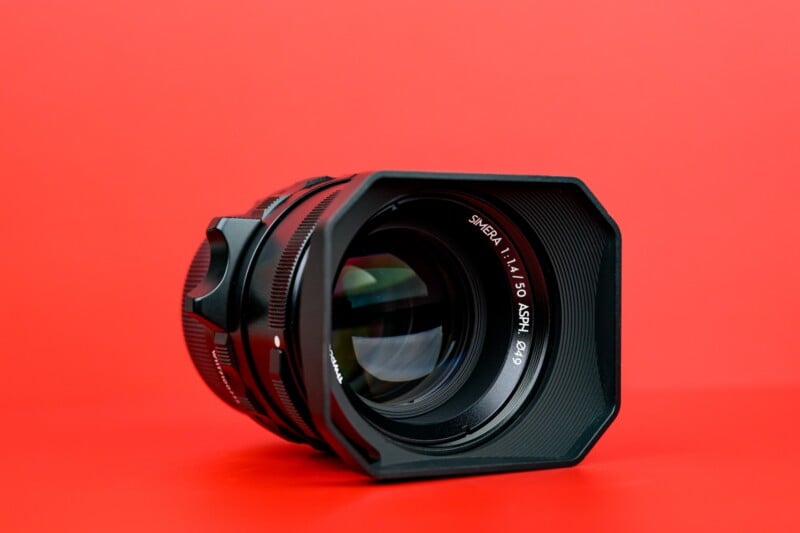
However, the mechanical design is not without minor flaws. The supplied metal lens hood, while aesthetically pleasing and consistent with the lens’s premium feel, has been noted for a somewhat loose bayonet mount. This lack of a firm "locking" sensation is a recurring observation across the Simera line and remains an area where Thypoch could improve to match the mechanical perfection of Zeiss or Leica hoods. Additionally, the lens lacks 6-bit coding, meaning digital M-series cameras will not automatically recognize the lens or record its focal length and aperture in the EXIF data unless manually entered by the user.
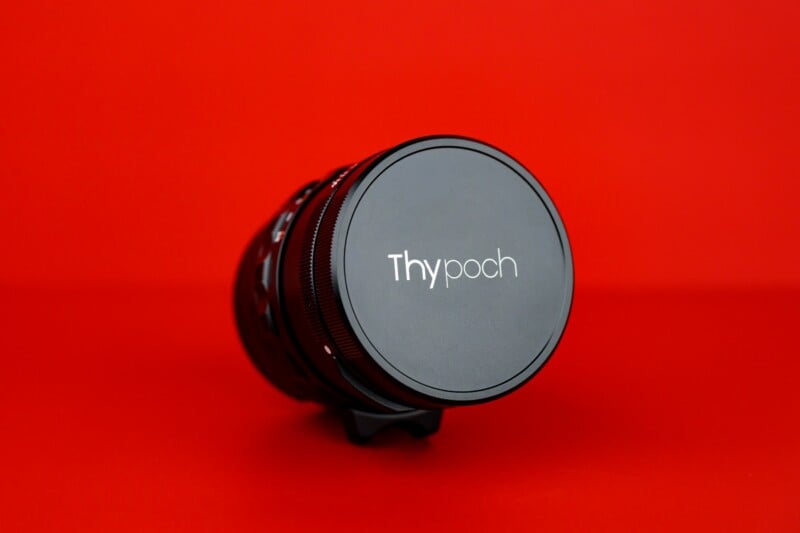
Optical Performance and the Epoch Coating Technology
At the heart of the Simera 50mm f/1.4 is a sophisticated optical formula that utilizes aspherical elements to correct for spherical aberrations. In high-speed primes, wide-open performance is often the deciding factor for consumers. At f/1.4, the Simera produces images that are sharp in the center with a gentle roll-off in contrast. This "glow," while significantly more controlled than in vintage lenses, provides a flattering look for portraiture without sacrificing the resolution of fine details.

As the aperture is stopped down to f/2.8 and beyond, the lens undergoes a transformation, becoming "clinically" sharp. The contrast levels spike, and the lens begins to resolve the highest frequencies of detail available on high-resolution sensors like the 60-megapixel Leica M11.

A critical component of this performance is the "Epoch" coating. Flare and ghosting are the traditional enemies of third-party fast primes, often resulting in washed-out images when shooting into the sun. The Simera 50mm handles these conditions with remarkable poise. Internal reflections are minimized, and even when forced to flare, the resulting artifacts are small and non-distracting. This level of flare resistance allows photographers to use backlighting creatively without fear of losing the structural integrity of the image.

Bokeh Characteristics and Specular Highlights
For many M-mount users, the quality of the "bokeh"—the out-of-focus areas of an image—is as important as sharpness. The Simera 50mm f/1.4 utilizes a 14-blade diaphragm, an unusually high number for a lens in this price bracket. The result is a nearly perfectly circular aperture at almost every setting.

When shooting wide open at f/1.4, the bokeh is smooth and "surgical." There is a notable absence of "onion rings"—the concentric circles often found in lenses with poorly polished aspherical elements. Specular highlights exhibit a subtle "cat’s eye" effect toward the edges of the frame due to optical vignetting, a characteristic that many photographers find desirable for its ability to draw the viewer’s eye toward the center of the composition. As the lens is stopped down, the 14-blade iris ensures that highlights remain round, avoiding the polygonal shapes that can distract from the background.

Comparative Market Analysis
To understand the value proposition of the Thypoch Simera 50mm f/1.4, one must look at the current M-mount landscape.

- The Leica Summilux-M 50mm f/1.4 ASPH: The gold standard in this category, the Leica equivalent costs approximately $4,500. While the Leica offers superior corner sharpness and 6-bit coding, the Thypoch delivers roughly 85-90% of the optical performance for less than 20% of the price.
- The Voigtlander 50mm f/1.5 Nokton II: Priced similarly to the Thypoch, the Voigtlander is a formidable competitor. It is more compact and offers a more "vintage" character with distinct flare patterns. Photographers choosing between the two must decide if they prefer the modern, clean look of the Thypoch or the character-heavy output of the Voigtlander.
- The TTArtisan 50mm f/1.4 ASPH: At the budget end of the spectrum, the TTArtisan offers a similar f/1.4 aperture for under $400. However, the Thypoch distinguishes itself with superior build materials, more refined coatings, and better wide-open sharpness, positioning itself as a "pro-sumer" mid-point.
Implications for the Photography Industry
The success of the Simera series suggests a maturing of the Chinese optical industry. No longer content with producing low-cost, "character" lenses with significant optical flaws, manufacturers like Thypoch are now competing directly with established Japanese and German brands in terms of technical specifications and build quality.

This shift has broader implications for the longevity of the M-mount system. By providing high-quality, attainable glass, Thypoch is lowering the barrier to entry for the rangefinder ecosystem. This allows a younger generation of photographers to invest in M-mount bodies—both digital and film—without the financial burden of a full Leica kit. In the long term, this healthy third-party market ensures that the M-mount remains a living, breathing platform rather than a niche relic for the ultra-wealthy.

Final Assessment
The Thypoch Simera 50mm f/1.4 is a lens defined by its predictability and value. It does not attempt to mimic the "flaws" of the past to achieve a vintage look; instead, it embraces a modern optical philosophy that prioritizes clarity, flare resistance, and smooth out-of-focus transitions. While it faces stiff competition from Voigtlander and lacks the ultimate mechanical perfection of Leica, its performance-to-price ratio is among the best in the industry. For the photographer seeking a reliable, high-speed standard prime that can handle the rigors of professional use while maintaining the soul of manual photography, the Simera 50mm f/1.4 is a superlative choice. It is a clean, contrasty, and capable optic that proves that high-end rangefinder photography does not always require a high-end price tag.

