


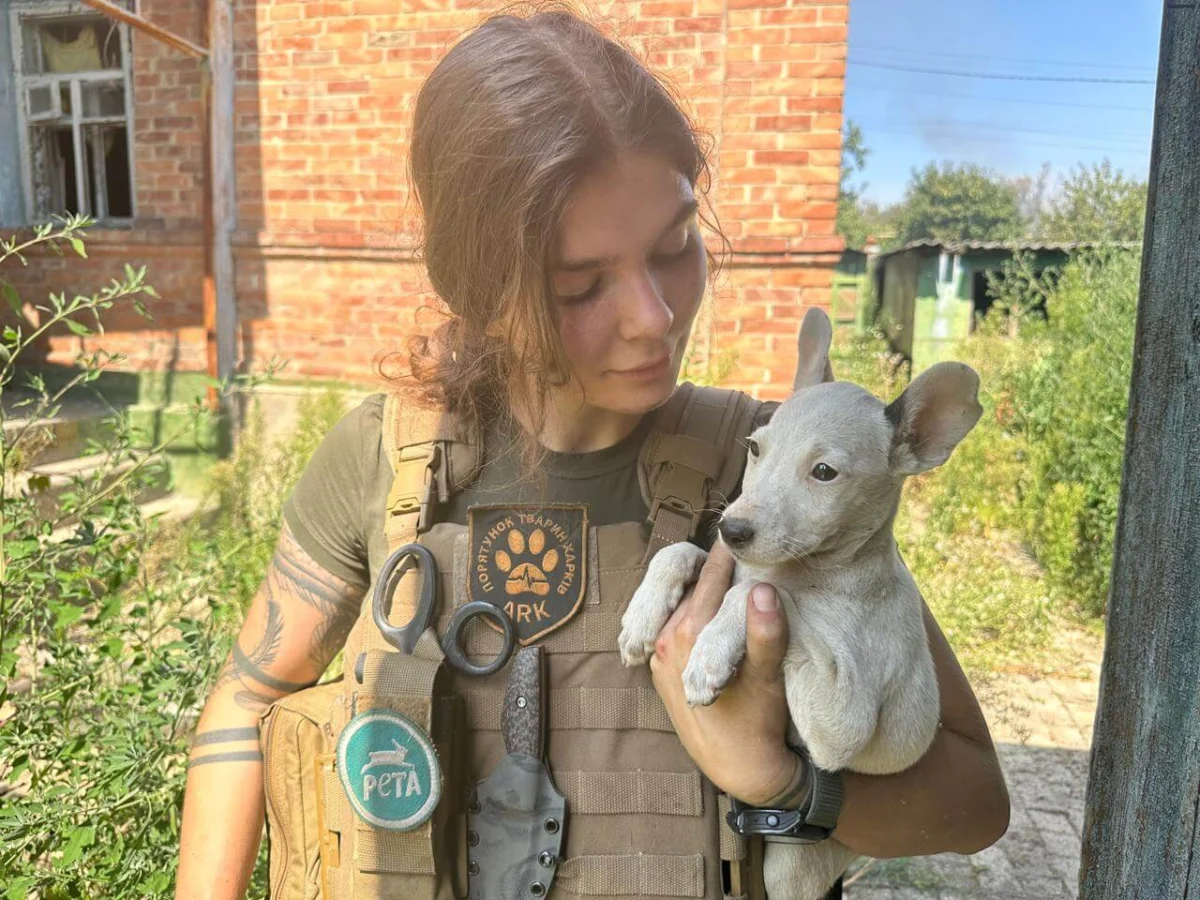
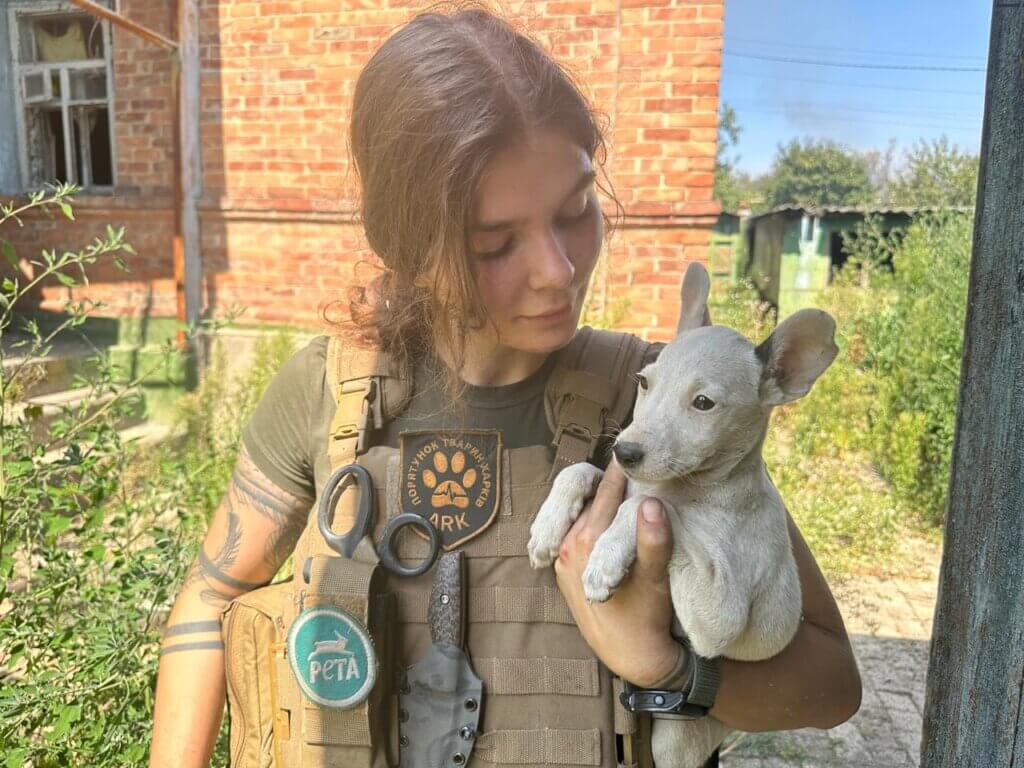
As the conflict in Ukraine enters its fifth year, the humanitarian crisis continues to extend far beyond the human population, encompassing millions of domestic and farm animals trapped in the crossfire of an 800-mile battlefield. For the volunteers of Animal Rescue Kharkiv (ARK), supported by PETA Germany, the mission to retrieve these animals has transformed from a desperate response to a highly specialized, high-risk military-grade operation. Simone Eisenbeiss, a 23-year-old animal advocate and veteran of marine conservation efforts with Sea Shepherd, has spent the last two years at the epicenter of this crisis, navigating a landscape where the traditional rules of humanitarian safety are being rewritten by the rapid evolution of modern warfare.
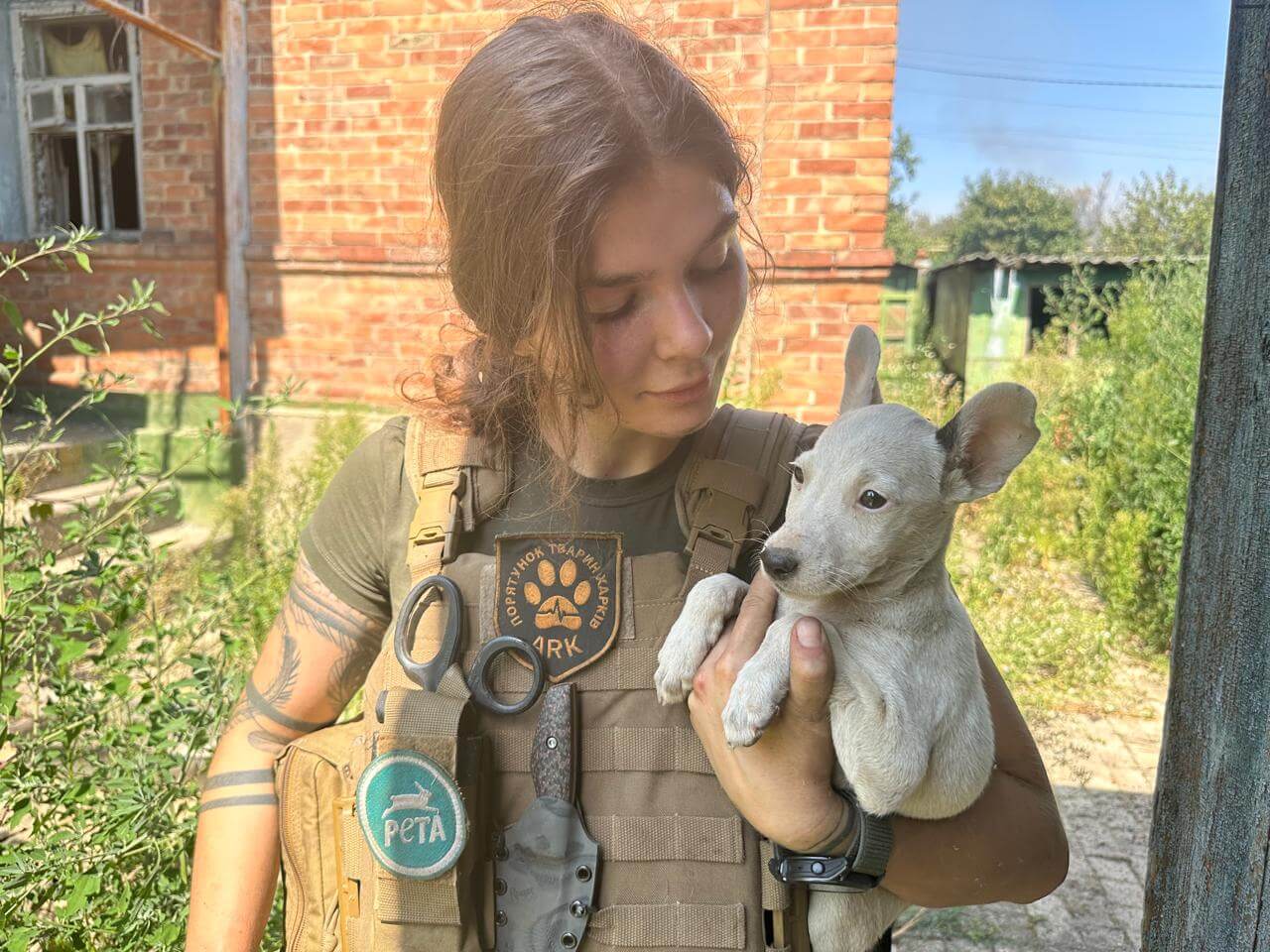
The current state of animal rescue in eastern Ukraine, particularly in the Donbas region, reflects a grim reality where technology has outpaced traditional aid delivery. According to recent field reports from May 2026, the primary threat to rescue teams is no longer just indiscriminate shelling, but the pervasive presence of First-Person View (FPV) and reconnaissance drones. These unmanned aerial vehicles (UAVs) now monitor nearly every kilometer of the frontline, extending their reach up to 40 kilometers behind the active trenches. This technological shift has forced rescuers like Eisenbeiss and her colleague Ruslan to adopt counter-intuitive survival tactics, such as removing helmets and body armor to avoid being misidentified as military combatants by drone operators.
The Technological Shift in Conflict Zone Rescues
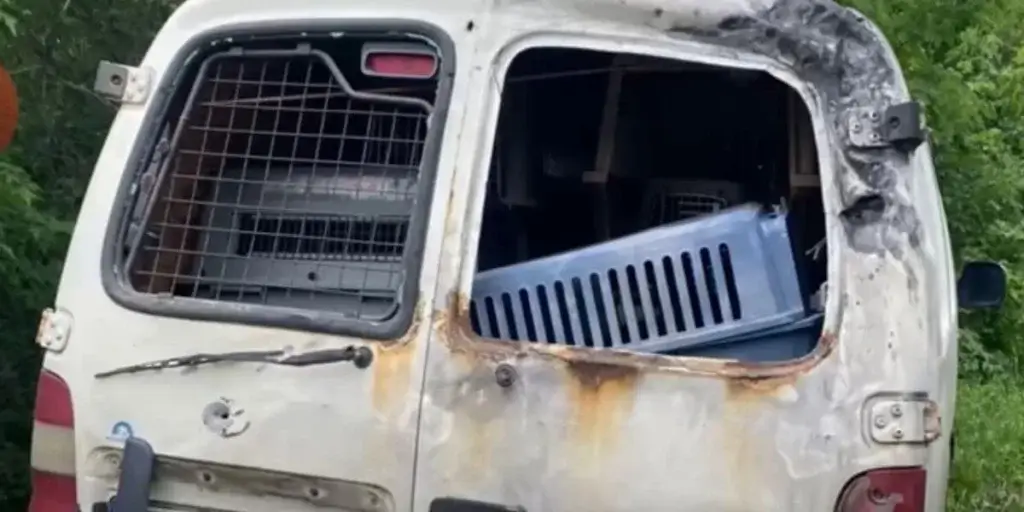
The operational environment for Animal Rescue Kharkiv has shifted dramatically between 2025 and 2026. A year ago, rescue missions could often be conducted with a reasonable degree of predictability regarding artillery patterns. Today, the "knot in the stomach" described by Eisenbeiss is a constant companion for teams heading toward the frontline. The ubiquity of drones means that any vehicle movement is instantly scrutinized. In many sectors, the rescue vans—despite being civilian—are targeted if the occupants appear to be wearing tactical gear.

This evolution in warfare has necessitated a change in how PETA-supported teams approach their work. Rescuers must now balance the physical protection of ballistic gear against the psychological profile they present to observers in the sky. If a drone operator perceives a helmet, they assume a soldier; if they perceive a civilian in a t-shirt, there is a marginal increase in the chance of passage. This calculated risk highlights the extreme lengths to which advocates are going to reach animals that have been left behind in vacated towns like Toretsk and Rajske.
The Scale of the Crisis: Animal Health and Displacement Data
While human casualty figures are frequently cited in international media, the statistics regarding animal populations in the conflict zone are more difficult to quantify but equally staggering. Since the escalation of hostilities, it is estimated that hundreds of thousands of domestic animals have been displaced. In the Kharkiv and Donbas regions, the stray population has surged, leading to a secondary crisis of disease and uncontrolled breeding.
Eisenbeiss reports that the condition of the animals currently being pulled from the rubble is significantly worse than in previous years. The animals are not only suffering from acute trauma—such as shrapnel wounds and blast injuries—but are also exhibiting signs of long-term neglect, including extreme emaciation, advanced mange, and viral infections that spread rapidly through weakened populations. The longer the war persists, the more these animals become a "invisible" casualty of the scorched-earth tactics employed in the region.
Furthermore, the lack of veterinary infrastructure in frontline "grey zones" means that many animals are born into the conflict, never having known a home or regular feeding. This creates a cycle of feralization that complicates rescue efforts, as these animals are often fearful of human contact, requiring rescuers to spend hours in dangerous, exposed positions to earn an animal’s trust.
A Chronology of Resilience: 2022–2026
The trajectory of animal rescue efforts in Ukraine provides a timeline of the broader conflict’s impact on civil society:
- February 2022 – Mid-2022: The initial invasion triggers a mass exodus. Families, often forced onto trains with limited luggage, are frequently separated from larger pets. PETA and ARK begin emergency feeding stations at border crossings.
- 2023: The focus shifts to "evacuation missions" in liberated territories. Rescuers enter towns like Bucha and Izyum to find pets that had survived months of occupation.
- 2024: The war settles into a stagnant but violent frontline. Animal Rescue Kharkiv formalizes its partnership with PETA Germany’s Global Compassion Fund, allowing for the construction of more permanent sheltering facilities in safer areas.
- 2025: Drone warfare becomes the dominant tactical hurdle. The "Drone Threat Zone" expands, requiring specialized training for all rescue volunteers.
- May 2026: The current period is defined by high-intensity rescues in the Donbas. Teams now operate in small, agile units to minimize visibility, focusing on the most "unreachable" areas where civilian life has almost entirely vanished.
Case Study: The Rescue at Rajske
The recent mission in Rajske serves as a poignant example of the current operational challenges. Eisenbeiss and her teammate Ruslan entered the village following a period of intense bombardment that had reduced much of the residential sector to rubble. Their target was a single cat reported to be waiting at a demolished home.
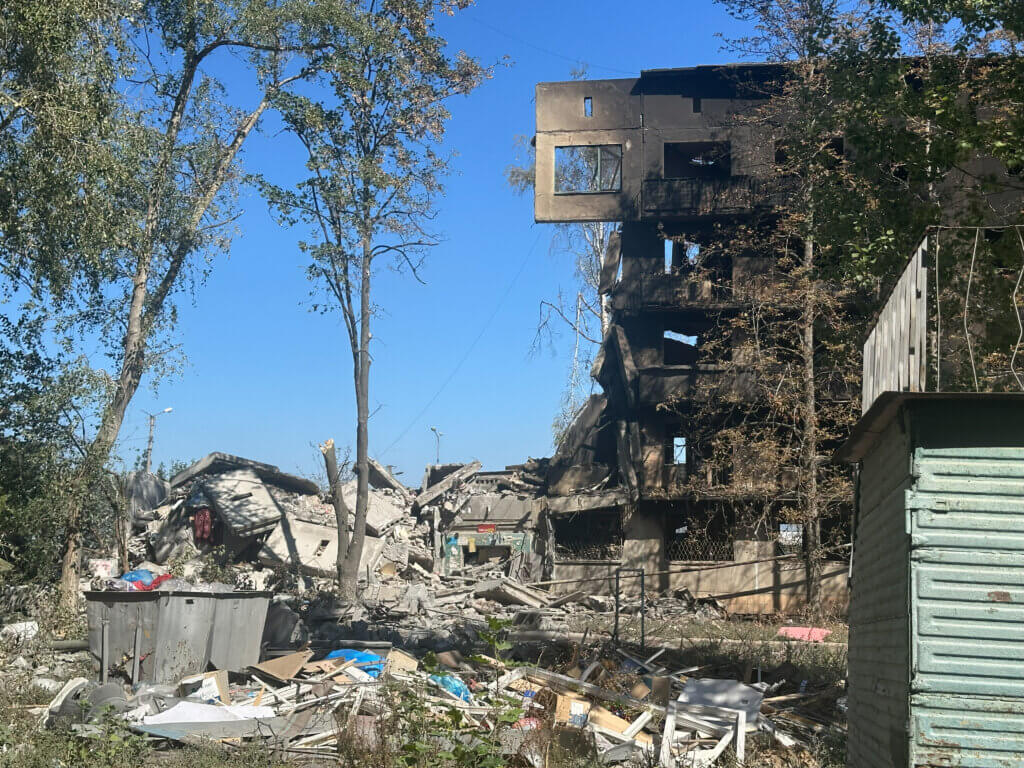
The rescue took over thirty minutes—a lifetime in a zone monitored by drones. The cat, severely dehydrated and emaciated, had remained on the veranda of its former home, waiting for guardians who were likely never to return. The animal’s refusal to leave the ruins of its familiar life, despite the lack of food and water, underscores the psychological trauma animals face in war. "We knew it was the only chance because the next day the cat would probably have already died," Eisenbeiss noted. The successful extraction of this one animal, achieved through patience and a refusal to yield to the fear of the surrounding drones, epitomizes the philosophy of the ARK teams: that every individual life holds intrinsic value, regardless of the geopolitical chaos surrounding it.
The Global Compassion Fund and International Response
The logistical backbone of these operations is PETA’s Global Compassion Fund. This fund facilitates not only the immediate rescue of animals but also the long-term infrastructure required to sustain them. Once an animal is pulled from the frontline, the journey is far from over. They require:
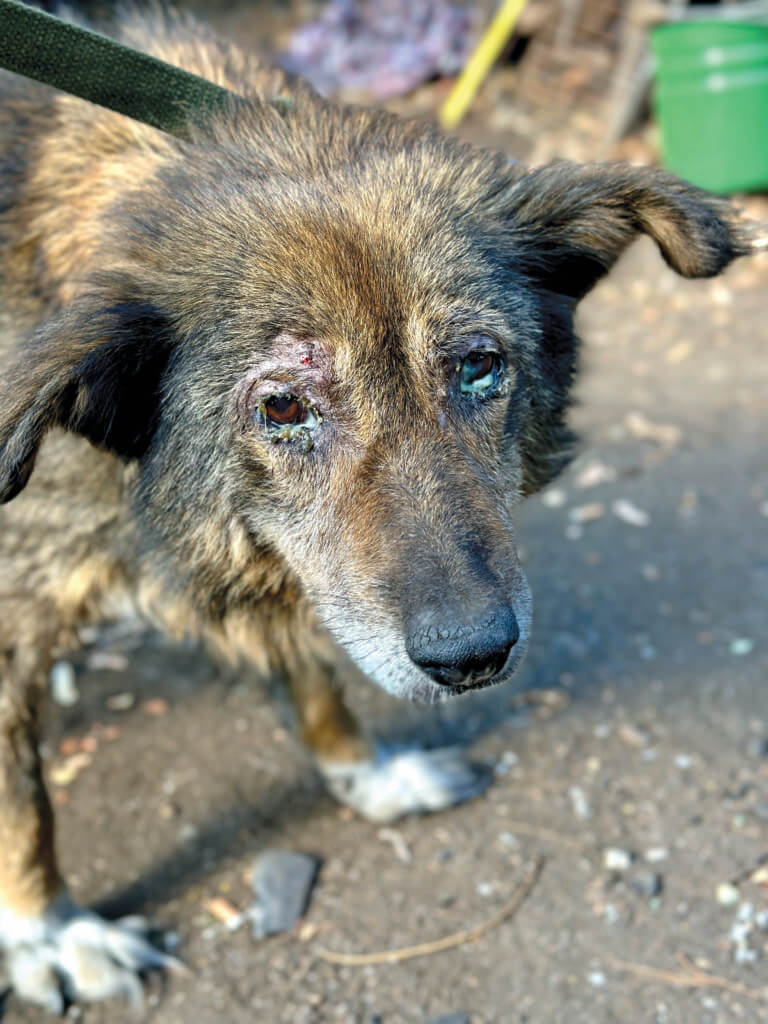
- Immediate Veterinary Triage: Treatment for wounds, parasites, and malnutrition.
- Quarantine and Rehabilitation: Many animals arrive with infectious diseases that could threaten existing shelter populations.
- Sterilization Programs: To prevent the explosion of the stray population in refugee hubs.
- Rehoming Logistics: Coordinating the transport of animals to adoptive families within Ukraine or across Europe.
International supporters and donors provide the fuel, vehicles, and medical supplies necessary for these missions. PETA Germany has emphasized that the work on the ground is only half of the equation; without the global network of contributors, the animals rescued from the front would have nowhere to go and no means of recovery.
Analysis of Broader Implications
The work of Simone Eisenbeiss and Animal Rescue Kharkiv carries implications that reach beyond animal welfare. In a war-torn society, the treatment of the most vulnerable—including animals—serves as a barometer for the preservation of humanity. The dedication of young advocates who risk their lives for "non-combatant" species provides a counter-narrative to the destruction of war, emphasizing the sanctity of all life.
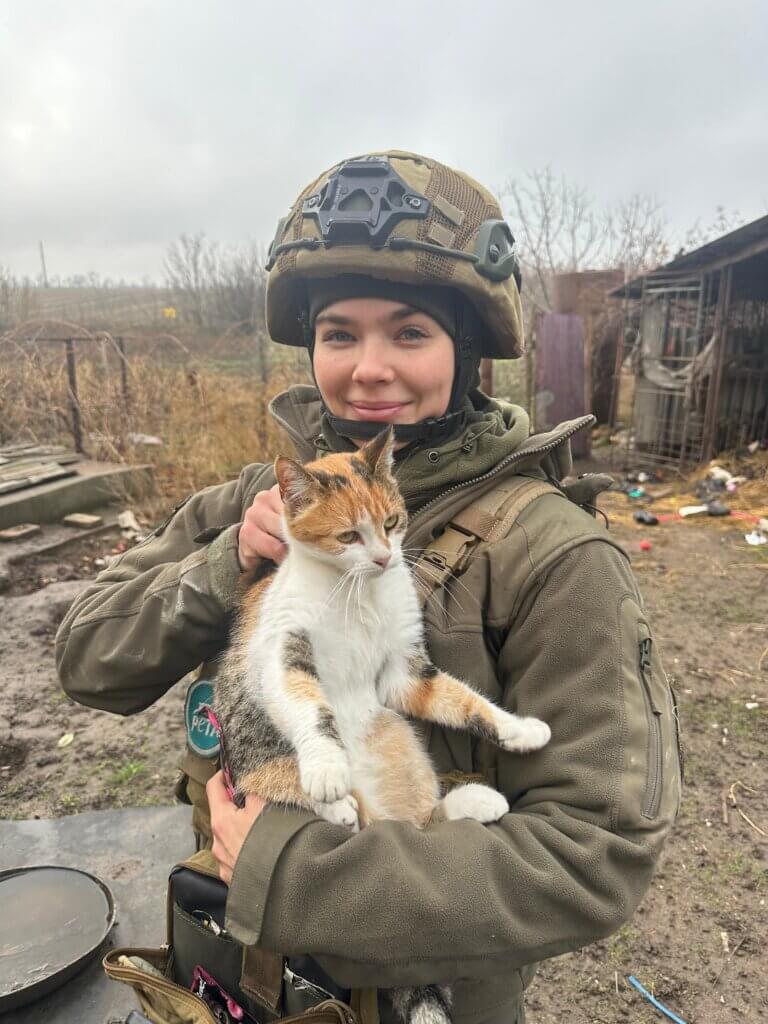
Moreover, the "helmet dilemma" faced by rescuers highlights a growing problem in modern conflict: the erosion of the distinction between combatant and humanitarian. As surveillance technology becomes more sophisticated, the ability to operate safely as a neutral party becomes increasingly difficult. This puts immense pressure on NGOs and volunteer organizations to develop new protocols for visibility and safety.
Conclusion
As the conflict in Ukraine continues with no clear end in sight, the mission of PETA and Animal Rescue Kharkiv remains a vital, albeit dangerous, necessity. The transition from 2022 to 2026 has seen the rescue teams evolve from amateur volunteers to seasoned experts in conflict-zone logistics. For Simone Eisenbeiss, the choice to stay and face the drones is rooted in a simple, profound belief: that a human life and an animal life are of equal worth in the eyes of those who seek to protect them.
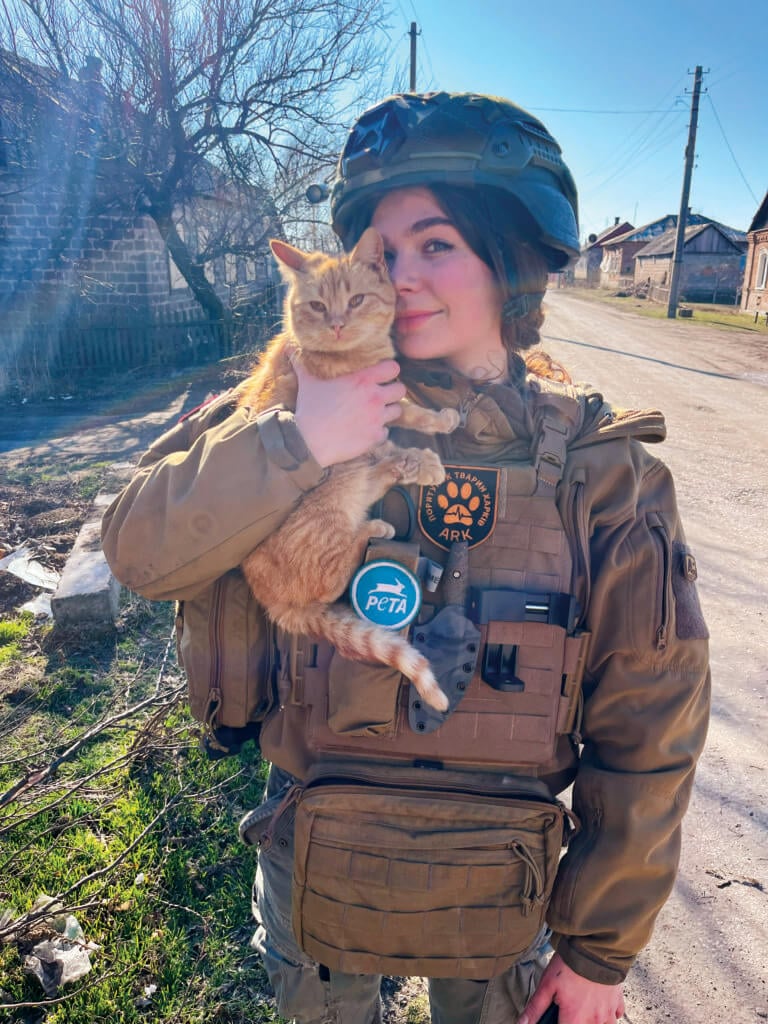
The ongoing support of the international community through the Global Compassion Fund ensures that as long as there are animals trapped in the rubble of the Donbas, there will be teams willing to risk everything to bring them home. The story of the cat in Rajske is but one of thousands, a testament to the enduring power of compassion in the face of mechanized warfare. Through the efforts of ARK and PETA, the silent victims of Ukraine’s battlefields are finally being heard, seen, and saved.

