


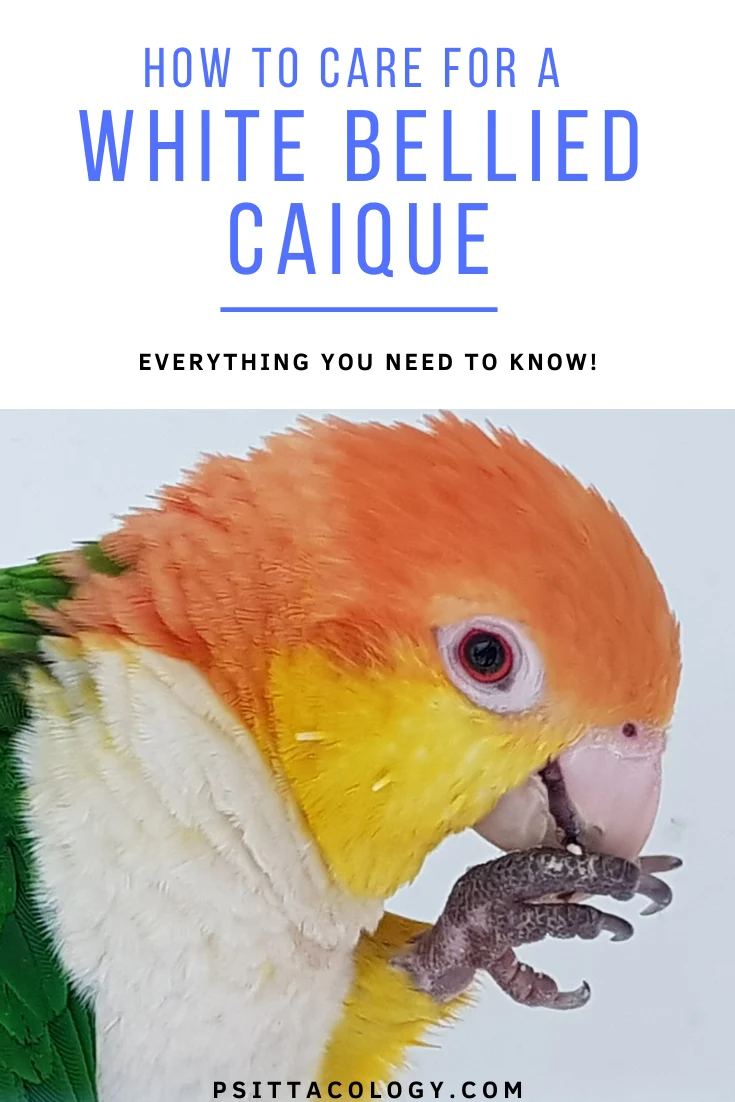
The decision to welcome a white-bellied caique (pronounced "kai-EEK") into one’s home is a significant commitment, extending potentially over four decades. These vibrant, energetic parrots, often described as the "clowns of the avian world," demand extensive care, a highly specialized diet, significant social interaction, and robust environmental enrichment. Prospective owners must thoroughly understand the species’ unique requirements, including its complex temperament and susceptibility to certain health issues, to ensure a fulfilling life for these intelligent birds.
Understanding the White-Bellied Caique: An Overview
White-bellied caiques are medium-sized parrots native to the rainforests of the Amazon basin. Known for their striking plumage and distinctive physical characteristics, they measure approximately 23 cm (9 inches) in length and weigh up to 170 grams. Their lifespan often exceeds 40 years in captivity, making them a long-term companion. While their noise level is considered moderate for a parrot, their vocalizations can include shrill calls, particularly when seeking attention or communicating over distances. These birds are not typically recommended for novice parrot owners due to their demanding nature and propensity for complex behaviors.
Distinctive Appearance and Taxonomy
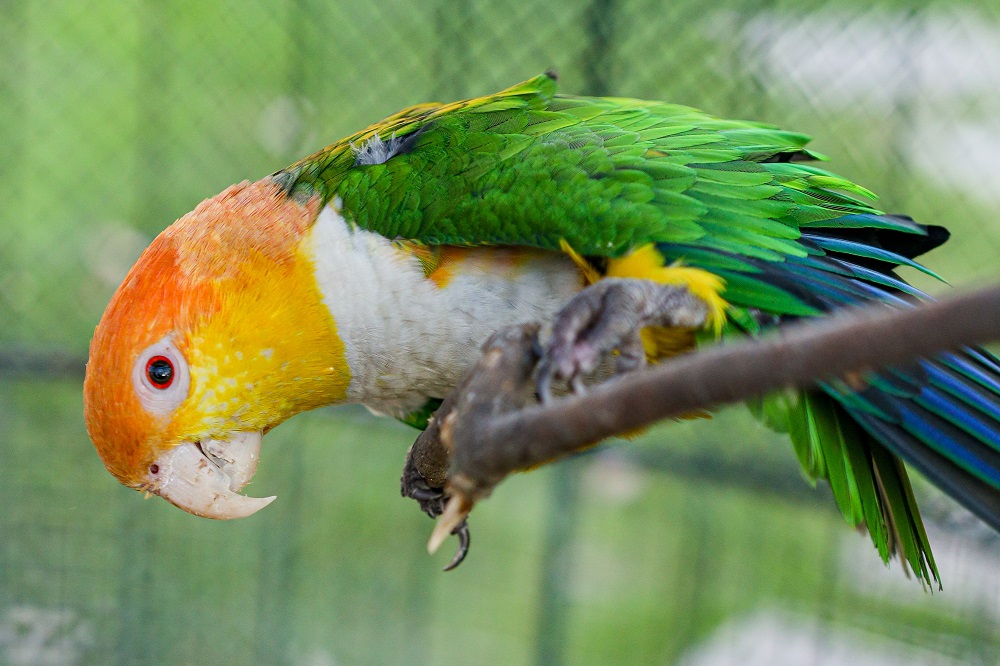
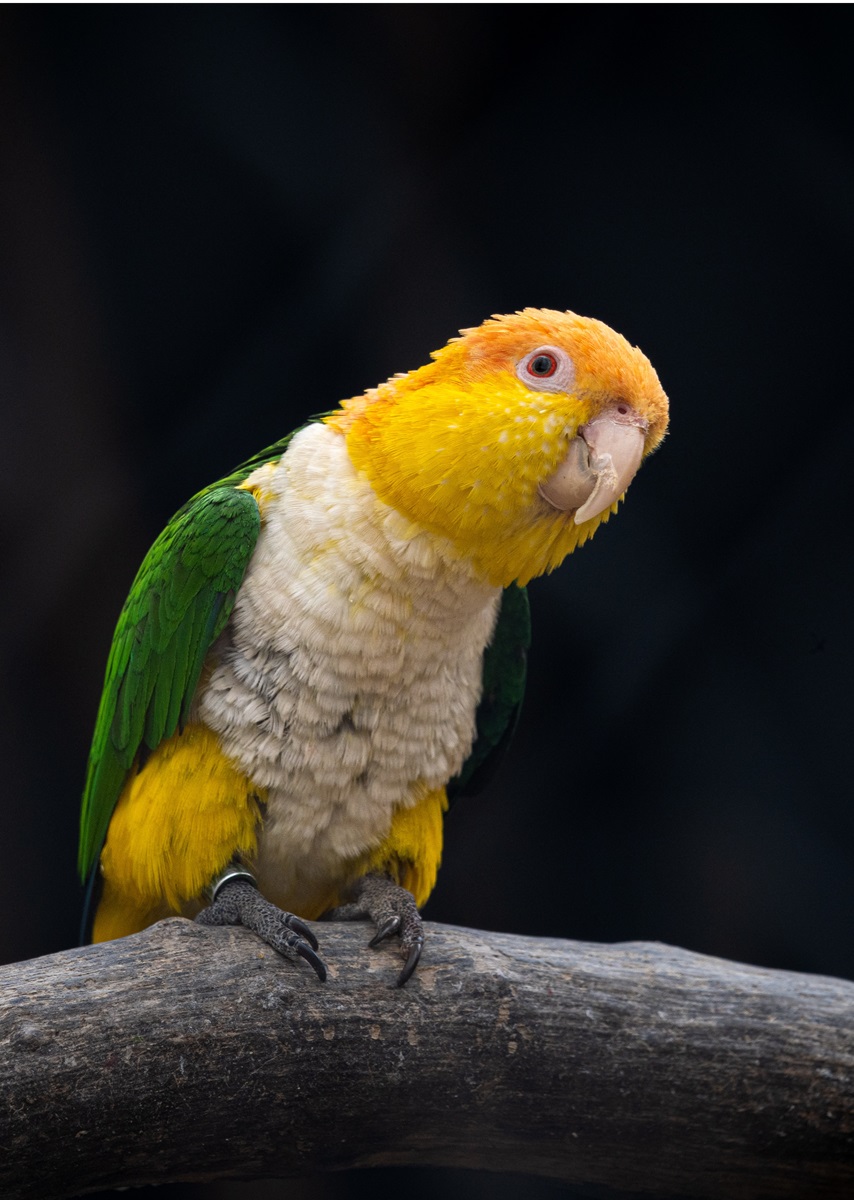
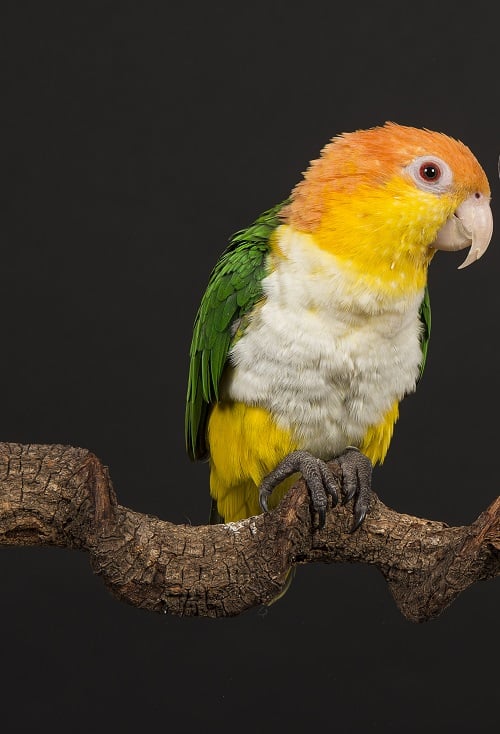
The white-bellied caique is a visually captivating bird, characterized by a stocky build and a short, somewhat stumpy tail. As their common name suggests, their chest and belly are adorned with creamy white plumage. Complementing this, their cheeks are a bright yellow, the head often features an orange hue, and their wings and back are a vivid green. The beak is typically beige, contrasting with their unusual reddish eyes, which are encircled by a bare eye-ring. This combination of colors contributes to their striking appearance.
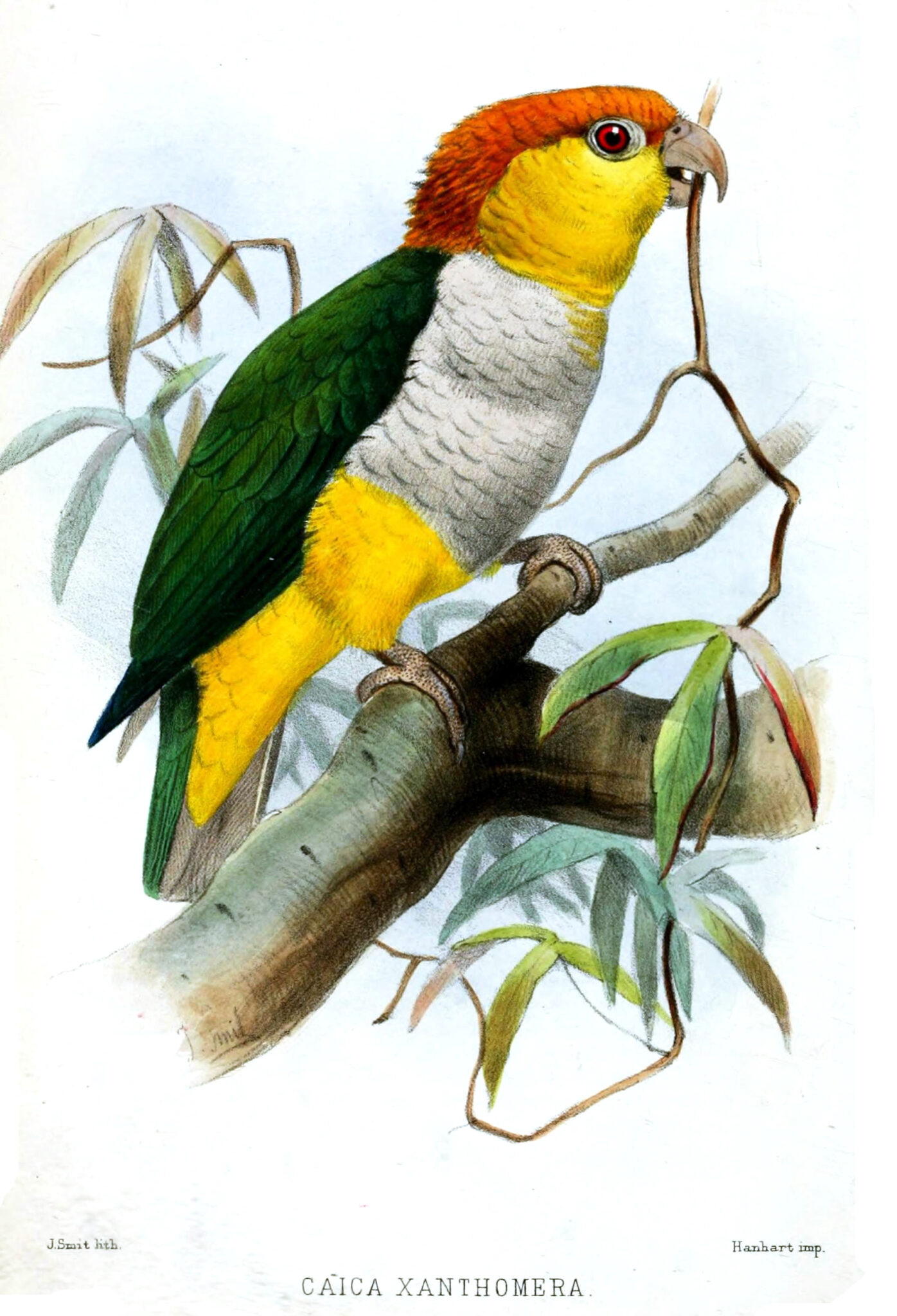
The taxonomy of white-bellied caiques, belonging to the genus Pionites, has been a subject of ongoing scientific debate. Traditionally, the genus was understood to comprise two species: the white-bellied caique (P. leucogaster) and the black-capped caique (P. melanocephalus). Within P. leucogaster, three subspecies were historically recognized: P. l. leucogaster (green-thighed parrot), P. l. xanthomerius (yellow-thighed parrot), and P. l. xanthurus (yellow-tailed parrot). These subspecies were differentiated primarily by variations in their leg and tail coloration.
However, contemporary ornithological sources, such as "Birds of the World," have increasingly advocated for the elevation of P. l. xanthurus and P. l. xanthomerius to full species status, largely based on observed morphological differences, particularly in plumage. This reclassification reflects a growing understanding of genetic divergences and distinct evolutionary paths within the group. The implications of such taxonomic shifts can be significant for conservation efforts, as distinct species may require tailored protection strategies. Definitive scientific consensus on this matter is still evolving, often awaiting more comprehensive genetic and ecological studies to resolve the discussion conclusively.
Natural Habitat and Conservation Status
White-bellied caiques are endemic to the canopies of tropical rainforests within the vast Amazon basin of South America. Their geographic range primarily encompasses Brazil, extending into parts of Bolivia, Peru, Ecuador, and other neighboring countries. In their natural environment, these social parrots typically forage and nest within the dense foliage of tree hollows, often observed in groups of up to ten individuals. This communal behavior is crucial for their survival, aiding in predator detection and foraging efficiency.
Unfortunately, the majority of white-bellied caique populations are currently classified as endangered by the International Union for Conservation of Nature (IUCN). This precarious status is predominantly driven by severe habitat loss, a direct consequence of rampant deforestation across the Amazon rainforest. Agricultural expansion, cattle ranching, logging, and infrastructure development are fragmenting and destroying their critical forest habitats at an alarming rate.
Beyond habitat destruction, the illegal pet trade also poses a significant threat, as wild-caught birds are illicitly removed from their populations to supply the exotic pet market. This practice not only depletes wild numbers but also disrupts social structures and reduces reproductive success. Conservation efforts are urgently needed, focusing on protecting existing rainforest tracts, combating illegal logging, promoting sustainable land use practices, and enforcing stricter regulations against wildlife trafficking. Understanding their ecological role as pollinators and seed dispersers further underscores the importance of their preservation for the broader health of the Amazonian ecosystem.
Dietary Requirements: Wild vs. Domestic
Wild Diet:
Scientific studies provide invaluable insights into the natural diet of white-bellied caiques. A 2014 study by Lee et al., observing 190 wild white-bellied caiques, documented their consumption of no fewer than 44 different plant species. Their diet demonstrated seasonal variation but primarily consisted of seeds, including fruit seeds, and a wide array of fruits, many of which were consumed unripe. Flowers and flower buds also formed a significant part of their foraging. Another study highlighted their role as important pollinators, noting their consumption of pollen and nectar from various tree species.

Beyond these primary food sources, wild caiques occasionally consume leaves, bark, and even ants. A particularly interesting behavior is their visitation to clay licks, where they ingest soil. This practice is believed to be crucial for obtaining essential micronutrients and detoxifying certain compounds found in their plant-based diet, acting as a natural antacid or mineral supplement. This varied and complex wild diet underscores the intricate nutritional needs of the species.
Domestic Diet:
Replicating the precise diversity of a wild caique’s diet in a domestic setting is practically impossible. However, the principles derived from their natural foraging habits should guide captive feeding strategies. A common pitfall for inexperienced parrot owners is to rely solely on a seed mix. While seeds are a component of their wild diet, commercially available seed mixes are often high in fat and deficient in essential vitamins, minerals, and amino acids, leading to nutritional imbalances and long-term health issues such as obesity, liver disease, and vitamin deficiencies.
Similarly, a diet overly reliant on cultivated fruits, while seemingly natural, can be problematic. Domestic fruits are typically much higher in sugars than their wild counterparts, and captive caiques often do not consume them unripe as they would in the wild. Excessive sugar intake can contribute to obesity and other metabolic disorders.
A balanced domestic diet for a white-bellied caique should primarily consist of:
- High-Quality Pellets (60-70%): Formulated avian pellets provide a complete and balanced nutritional foundation, mitigating the deficiencies of seed-only diets. Brands specifically designed for medium-sized parrots are ideal.
- Fresh Vegetables (20-30%): A wide variety of leafy greens (kale, spinach, romaine lettuce), root vegetables (carrots, sweet potatoes), and other safe vegetables (bell peppers, broccoli, green beans) should be offered daily. These provide essential vitamins, minerals, and fiber.
- Small Amounts of Fruit (5-10%): Offer a diverse selection of low-sugar fruits such as berries, melon, kiwi, apples (without seeds), and oranges. These should be given in moderation as treats rather than a staple.
- Occasional Cooked Grains/Legumes: Cooked brown rice, quinoa, oats, lentils, and beans (thoroughly cooked and never raw) can provide additional protein and complex carbohydrates.
- Safe Foraging Items: Unsalted nuts (almonds, walnuts) and dried fruits can be used sparingly as high-value training treats or incorporated into foraging toys.
- Fresh Water: Multiple sources of fresh, clean water must always be available.
- Calcium Supplementation: A calcium block or cuttlebone is important for bone health, especially for breeding birds, and to prevent calcium deficiencies.
Understanding the nutritional science behind their wild diet helps in formulating a comprehensive and appropriate feeding plan for captive caiques, promoting their long-term health and well-being.

Temperament: The Clowns with a Complex Side
The temperament of white-bellied caiques is arguably their most defining characteristic and the primary reason for their "clown" moniker. Their boundless energy, acrobatic antics, and playful nature are unparalleled among parrot species. They are known for their unique "caique dance," a series of hops and bounces that captivate onlookers.
However, this exuberance comes with a complex behavioral profile that demands an experienced owner. Caiques can form incredibly strong bonds with their human companions, often displaying deep affection. Yet, this bond can also manifest as intense possessiveness, leading to the "one-person bird" syndrome, where they may become aggressive or nippy towards others, including other family members or even their primary caregiver during certain periods, such as mating season. Owners often describe a sudden shift in behavior, sometimes humorously attributing it to "demonic possession," highlighting the intensity of these mood swings.
Their intelligence and high energy levels mean they require constant mental and physical stimulation. A bored caique is a destructive caique, prone to developing undesirable behaviors such as incessant screaming, feather plucking, or aggressive biting. Proper socialization from a young age is crucial to help them develop into well-adjusted companions. This involves exposing them to various people, environments, and situations in a positive manner.
Caiques are also highly territorial. They generally do not mix well with other bird species, and even within their own species, careful introduction and supervision are necessary to prevent disputes over territory, toys, or food. Attacks on other birds, even those significantly larger, are a real possibility.
Patience is paramount when living with a caique. They love to chew, throw objects, and generally create a delightful form of chaos. Owners must be prepared for a certain level of mayhem, understanding that chewing and exploration are natural behaviors that must be redirected positively rather than suppressed. Extensive training using positive reinforcement techniques is essential to manage their strong will and channel their intelligence into desirable actions. This species is not for those seeking a quiet, low-maintenance pet; they are a constant, engaging, and sometimes challenging presence.
Housing and Environmental Setup
Given their extraordinary energy and inquisitive nature, white-bellied caiques require substantial housing. Even with ample out-of-cage time, a spacious enclosure is critical for their physical and psychological well-being. The cage should be robust, constructed from durable materials like stainless steel or powder-coated wrought iron, capable of withstanding their powerful beaks. Secure locking mechanisms are essential, as their intelligence makes them adept escape artists.
Minimum cage dimensions often recommended are around 24"W x 24"D x 30"H for a single bird, though larger is always better, especially for pairs. Bar spacing should be appropriate for their size, typically 3/4" to 1", to prevent them from getting stuck or escaping.
Inside the cage, the environment should be rich and stimulating:
- Perches: Provide a variety of natural wood perches of different diameters and textures (e.g., java wood, manzanita, natural branches) to promote foot health and prevent pressure sores. Avoid dowel perches as the sole option.
- Food and Water Bowls: Multiple stainless steel or ceramic bowls should be securely attached and cleaned daily.
- Bird Bath: A shallow bird bath or a designated showering area is vital for feather health and hygiene. Many caiques enjoy showering with their owners.
- Toys: An abundance of rotating toys is crucial. These should include shreddable toys (untreated paper, cardboard), chew toys (natural wood, safe branches), puzzle and foraging toys, and bells (ensure they are bird-safe and cannot be swallowed). Toys should be replaced or cleaned regularly.
Beyond the cage, a dedicated "out-of-cage" play area or gym is highly recommended. This playground, often constructed from natural wood, provides a safe space for chewing, climbing, and interactive play. Any room a caique has access to must be thoroughly parrot-proofed. This involves securing electrical cords, removing toxic plants, covering windows, eliminating small ingestible items, and ensuring no open containers of water or hazardous chemicals are accessible. Owners must also be vigilant about household products that emit fumes (e.g., non-stick cookware, scented candles, aerosols), as a parrot’s respiratory system is highly sensitive.
Enrichment: Fueling an Active Mind and Body
Enrichment is not merely an optional extra for caiques; it is a fundamental requirement for their physical and psychological health. Without adequate stimulation, these intelligent and active birds can quickly develop behavioral issues such as feather plucking, incessant screaming, aggression, or self-mutilation, stemming from boredom, anxiety, or loneliness. In the wild, they spend their days foraging, exploring, and interacting within a complex social structure. Captive environments must strive to mimic these natural behaviors.

Key enrichment strategies include:
- Foraging Opportunities: Integrate foraging toys and puzzles into their daily routine. This can range from simple cardboard boxes filled with treats to complex multi-stage puzzles. Hiding food within toys, paper, or natural elements encourages their natural instinct to search for food, extending meal times and providing mental stimulation.
- Chewing and Shredding Materials: Provide a constant supply of safe, destructible items such as untreated wood blocks, natural branches (ensure they are non-toxic and pesticide-free), cardboard tubes, paper, and coconut husks. This satisfies their innate need to chew, which is essential for beak health and stress relief.
- Physical Activity and Exploration: Offer ample opportunities for climbing, swinging, and acrobatic play. Ladders, ropes, swings, and varied perch arrangements encourage physical exercise and coordination. Regular supervised out-of-cage time is non-negotiable, allowing them to explore a safe environment.
- Social Interaction: Caiques are highly social animals. Daily, positive interaction with their human caregivers is crucial. This includes playtime, training sessions, talking, and cuddling. If an owner’s schedule is demanding, considering a compatible pair of caiques can provide essential companionship, though this also requires careful introduction and management.
- Training and Mental Challenges: Engage them in positive reinforcement training. Teaching tricks, target training, or teaching them to identify objects provides mental stimulation and strengthens the bond between bird and owner. Their high intelligence makes them eager learners.
- Environmental Variety: Regularly rotate toys, rearrange cage perches, and introduce new safe objects to keep their environment fresh and interesting. Offering different textures, sounds, and visual stimuli prevents monotony.
By providing a rich and dynamic environment, owners can prevent boredom and foster a well-adjusted, happy caique.
Vocalizations and Communication
Compared to some of the louder parrot species, such as macaws or cockatoos, white-bellied caiques are generally considered to have a moderate noise level. However, this does not equate to silence. Parrots, by nature, are not quiet animals.
Caiques typically communicate through a repertoire of whistles, beeps, chirps, and soft squawks for most of the day. These sounds are often used for general communication within their social group or to express contentment. Nevertheless, they possess the capacity to emit very shrill, piercing screams. In the wild, these loud calls are vital for locating flock members across dense forest canopies or signaling alarm. In a domestic setting, such screams can be startling and, if frequent, may become disruptive. Owners must understand that occasional loud vocalizations are a natural part of caique behavior and not necessarily a sign of distress or misbehavior.
Do Caiques Talk?
For individuals seeking a parrot specifically for its talking prowess, a white-bellied caique might not be the ideal choice. While some individuals can learn to mimic a few words or short phrases, their vocabulary is typically limited, and their speech clarity is generally not comparable to champion talking species like African Grey Parrots or Amazon Parrots.
Despite their limited talking ability, caiques are excellent candidates for vocalization training in other forms. They excel at picking up whistles, tunes, and various sounds. Teaching a caique a short, distinctive whistle or a simple tune can be a rewarding experience. This process involves consistent repetition of the desired sound, followed by positive reinforcement with treats or praise when the bird attempts to mimic it. This not only provides mental engagement for the bird but also strengthens the bond with its owner and adds a unique dimension to its vocal repertoire. Owners should manage their expectations regarding speech and instead appreciate their charming whistles and playful vocalizations.
Health and Medical Preparedness
Responsible caique ownership necessitates a proactive approach to their health and a readiness to manage potential medical emergencies. Given their inherent curiosity and active nature, parrots, including caiques, can inadvertently get themselves into trouble.
Prior to acquiring a caique, prospective owners should establish a relationship with a qualified avian veterinarian. Having an emergency contact number for the vet readily available is crucial. Furthermore, owners must familiarize themselves with common signs of illness in parrots, which can include changes in droppings, lethargy, fluffed feathers, discharge from nares or eyes, changes in appetite or water consumption, weight loss, or unusual breathing patterns. Parrots are adept at hiding signs of illness, so even subtle changes warrant immediate veterinary attention.
Caiques are particularly susceptible to certain diseases. One significant concern is Polyomavirus, which can cause severe organ issues, especially in young birds, and can be fatal. Vaccination against Polyomavirus is highly recommended, and owners should discuss this preventative measure with their avian veterinarian. Other common parrot ailments, such as Psittacosis (Chlamydiosis), PBFD (Psittacine Beak and Feather Disease), and various bacterial or fungal infections, can also affect caiques. Nutritional deficiencies, often stemming from an inadequate diet, are also a frequent cause of health problems. Regular veterinary check-ups, ideally annually, are essential for early detection and prevention of diseases, ensuring the long-term health and well-being of these long-lived companions.
Frequently Asked Questions
How long do caiques live?
White-bellied caiques are remarkably long-lived birds. With proper care, a balanced diet, and a stimulating environment, they can live for over 40 years in captivity, making them a multi-decade commitment for any owner.
Are caiques good for beginners?
No, white-bellied caiques are generally not recommended for beginning parrot keepers. Their intense personalities, high energy levels, demanding need for interaction and enrichment, potential for nipping or aggression, and long lifespan require a significant level of experience, patience, and dedication that novice owners may find overwhelming.
Are caiques aggressive?
Caiques can exhibit aggressive behaviors, particularly if not properly socialized or if their needs for stimulation and interaction are not met. They can become territorial, possessive of their favorite person, and prone to nipping or biting, especially during hormonal periods. While they can be incredibly affectionate, their strong personalities mean that owners must be prepared to manage challenging behaviors with consistent training and a deep understanding of parrot psychology.
The decision to bring a white-bellied caique into one’s life should be made with a full understanding of the extensive care, time, and commitment required. For the right individual or family, these vibrant, intelligent, and endlessly entertaining parrots can be incredibly rewarding companions, enriching lives with their unique charm and playful spirit.

