


The integration of a parrot into a household introduces a unique set of responsibilities, extending far beyond providing sustenance and companionship. While their renowned intelligence and curious nature endear them to their human companions, these very traits paradoxically render them highly vulnerable to myriad hazards within a typical domestic environment. Unlike many other common pets, parrots possess an innate drive to explore, chew, and interact with their surroundings in ways that can be profoundly unsafe in a human-centric dwelling. This article delves into the critical aspects of "parrot-proofing" a home, offering an in-depth analysis of potential dangers and outlining comprehensive strategies to ensure the safety and longevity of these captivating avian companions.
The Imperative of Parrot-Proofing: Understanding Avian Vulnerabilities
The global popularity of parrots as companion animals has seen a steady rise, driven by their vibrant personalities, ability to mimic speech, and long lifespans. However, this growing trend underscores a critical need for heightened awareness regarding their specialized care requirements, particularly concerning environmental safety. Parrots, with their delicate physiologies and instinct-driven behaviors, perceive and interact with their surroundings differently than humans or even common mammalian pets like cats and dogs. Their powerful beaks are not merely for eating but serve as primary tools for exploration, manipulation, and communication, making virtually any accessible item a potential chew toy. This inherent curiosity, combined with an often-underestimated fragility, necessitates a proactive and thorough approach to home safety. Failure to implement robust safety measures can lead to a spectrum of outcomes, from minor injuries and chronic health issues to acute poisoning, severe trauma, or even fatality.
Avian Respiratory Vulnerability: A Silent Threat in the Air
One of the most critical and often overlooked aspects of parrot safety pertains to air quality. Parrots possess an incredibly efficient, yet exquisitely sensitive, respiratory system characterized by a series of air sacs that facilitate continuous airflow through their lungs. This highly specialized anatomy, while vital for flight and metabolism, also makes them extraordinarily susceptible to airborne toxins that might be benign or barely noticeable to humans.
A prevalent danger is Polytetrafluoroethylene (PTFE) toxicity, commonly known as "Teflon flu." Found in non-stick cookware, stain-resistant fabrics, and some heat lamps, PTFE, when overheated (typically above 500°F or 260°C), releases microscopic fumes that are rapidly lethal to birds. The gas causes severe pulmonary hemorrhage and edema, leading to acute respiratory distress and death within minutes or hours. Veterinary reports consistently document cases of bird fatalities linked to overheated non-stick pans, highlighting the urgency of using bird-safe cookware or, at minimum, ensuring parrots are far removed from the kitchen during cooking.
Beyond PTFE, a vast array of common household products pose significant respiratory risks. Aerosol sprays—including air fresheners, deodorants, hairsprays, and cleaning products—release fine particulate matter and volatile organic compounds (VOCs) that can irritate and damage avian lungs. Scented candles, incense, plug-in air fresheners, and strong cleaning agents containing ammonia or bleach also emit fumes detrimental to birds. Smoke from cigarettes, cigars, fireplaces, or even burnt food can cause chronic respiratory disease, known as "second-hand smoke syndrome" in birds, characterized by coughing, sneezing, and increased susceptibility to infections. Carbon monoxide, an odorless and colorless gas produced by faulty heating systems or appliances, is another silent killer, as birds succumb to its effects much faster than humans. Experts universally recommend the complete avoidance of scented products in homes with parrots and strongly advocate for the installation of carbon monoxide and smoke detectors to safeguard both human and avian residents. The consistent recommendation from avian veterinarians is to ensure excellent ventilation and to use only bird-safe, unscented cleaning products.
The Chewing Instinct: Electrical and Ingestion Hazards
Parrots are natural chewers, a behavior essential for maintaining beak health, exploring their environment, and, in the wild, excavating and maintaining their tree hollow nests. In a domestic setting, this instinct translates into a relentless investigation of anything within reach. This curiosity, combined with powerful beaks, makes electrical cords and outlets particularly perilous. A parrot gnawing on a live electrical wire can suffer severe burns, electrocution, or even cardiac arrest. While some birds might survive an electrical shock, the experience is profoundly traumatic and can lead to lasting neurological damage. To mitigate this, all electrical cords in areas accessible to a parrot must be secured, hidden, or protected with chew-proof coverings such as PVC piping or cord protectors. Outlets should be child-proofed.
Accidental ingestion represents another grave threat. Parrots will often nibble on items purely out of curiosity, leading to the consumption of toxic substances. A non-exhaustive list of household items posing severe risks includes:
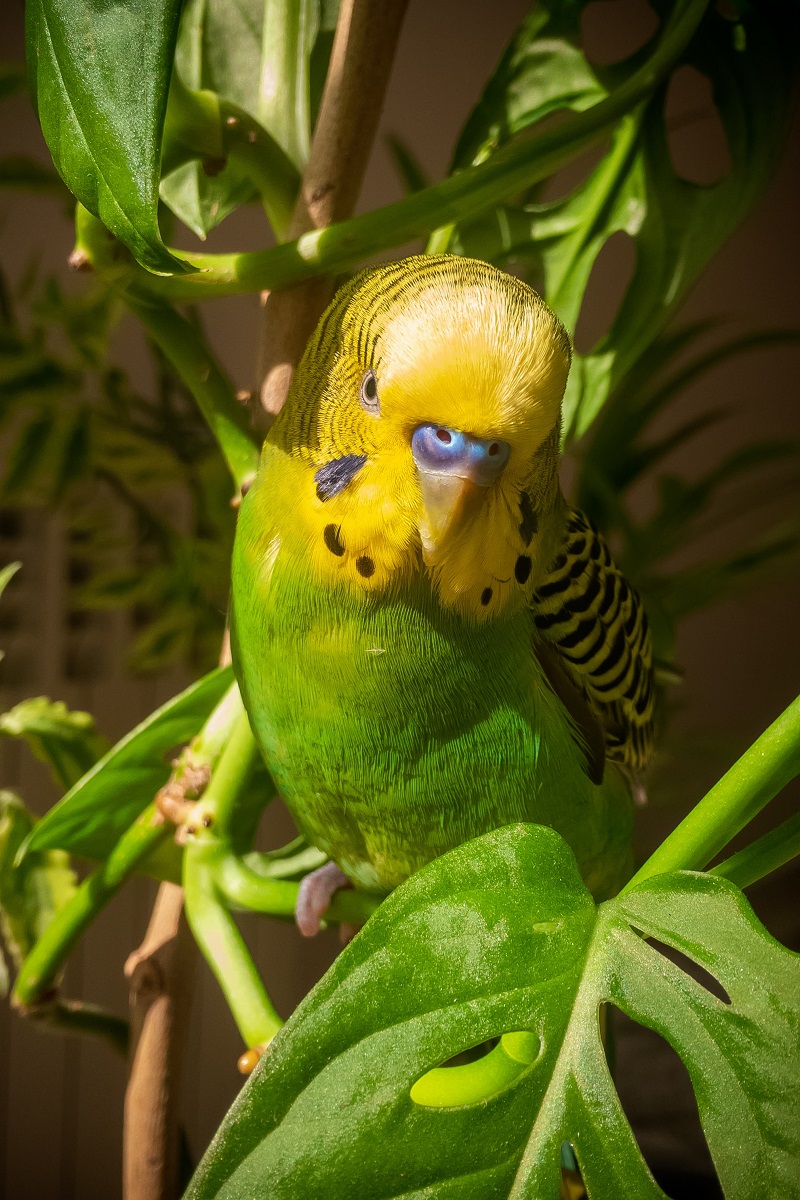
- Toxic Plants: While many houseplants are benign, numerous common varieties such as lilies, philodendrons, poinsettias, and even avocado plants contain compounds toxic to birds. Owners must identify and remove all toxic flora, opting for bird-safe alternatives like spider plants or certain types of ferns.
- Human Medications: Pills, vitamins, and supplements, even those beneficial to humans, can be lethal to birds due to vast differences in metabolism and dosage requirements. All medications must be stored securely out of reach.
- Heavy Metals: Zinc and lead poisoning are alarmingly common. Zinc is found in galvanized cages, certain toys, clips, and even some coins. Lead can be present in older paints, stained glass, fishing weights, and some costume jewelry. Ingested heavy metals can cause neurological damage, gastrointestinal issues, and organ failure.
- Household Cleaners and Pesticides: These chemical agents are inherently toxic. Even residues can be dangerous.
- Alcohol and Caffeine: These substances, even in small amounts, can be highly toxic, causing organ damage, neurological issues, and cardiac arrest.
- Certain Human Foods: Chocolate, avocado, onion, garlic, fruit pits (containing cyanide), and artificial sweeteners like Xylitol are all dangerous and should never be offered to parrots.
Avian veterinarians frequently treat cases of accidental poisoning, underscoring the necessity of vigilant supervision and meticulous home organization. Every room a parrot can access must be meticulously cleared of potentially ingestible hazards.
Navigating the Domestic Landscape: Escape, Collision, and Entrapment Risks
The domestic environment, with its various openings and reflective surfaces, presents unique navigational challenges for a free-flying parrot. An open door or window, even for a moment, can provide an irresistible opportunity for escape. Once outside, domesticated parrots are often ill-equipped to survive. They may struggle to find food and water, navigate unfamiliar terrain, or avoid predators. The emotional toll of a lost bird on an owner is immense, and recapture attempts can be lengthy, costly, and often unsuccessful. To prevent escapes, establishing strict household protocols is paramount: always check the bird’s location before opening exterior doors or windows, and consider installing secondary barriers like mosquito netting on windows in rooms where the parrot has free-flight access. For visitors, explicit instructions about keeping doors and windows closed are essential.
Mirrors and large windows also pose significant collision risks. Birds do not perceive reflections as solid objects, often attempting to fly "through" them. A high-speed collision can result in concussions, broken bones, or fatal internal injuries. Covering mirrors or applying decals to windows can help birds recognize these surfaces as barriers. Furthermore, even interior doors can be hazardous. Parrots often enjoy perching on door frames; an accidentally closed door can crush toes, break legs, or sever tail feathers. Establishing a habit of keeping interior doors closed to restrict access to unsafe areas and preventing perching on door tops can prevent such accidents.
Furniture and household nooks create potential entrapment sites. Parrots, particularly when hormonal or seeking a quiet retreat, are driven by an instinct to find small, dark, enclosed spaces that mimic natural tree hollows. This can lead them into dangerous areas such as behind appliances, inside open drawers, under reclining chairs, or within loose furniture upholstery. These areas can become death traps, leading to suffocation, crushing injuries, or prolonged stress and dehydration if the bird becomes stuck. Owners must proactively block off all such potential hiding spots, ensuring that no space accessible to the parrot could lead to entrapment. Regular inspections of furniture, especially recliners or sofa beds, are crucial before a parrot is allowed free-flight.
Fortress of Safety: Ensuring the Cage Environment
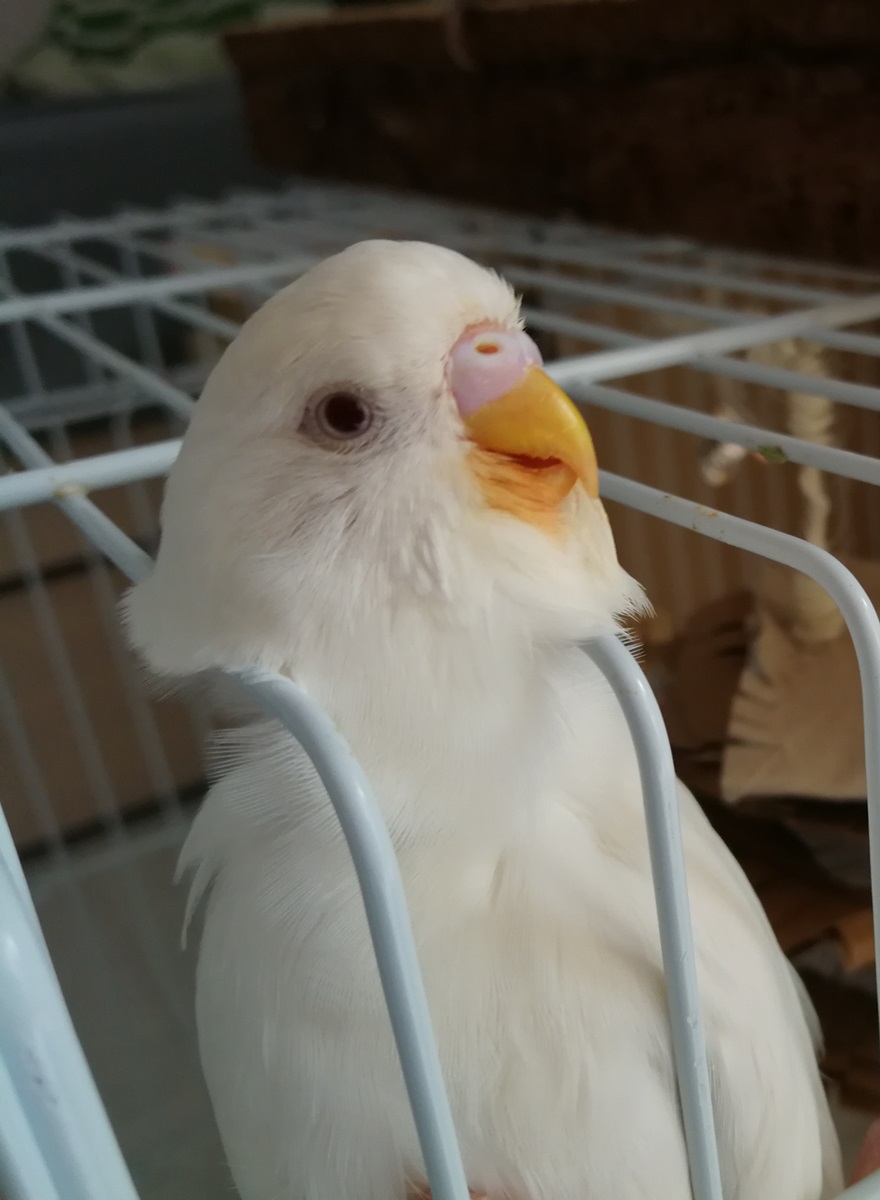
The parrot’s cage, intended as a safe haven, can itself become a source of danger if not properly chosen and maintained. The initial selection of a cage is critical. Bar spacing must be appropriate for the bird’s size; bars that are too wide can allow a bird to stick its head through and become trapped, leading to strangulation. Conversely, bars that are too narrow might impede movement or cause feather damage. The cage material should be durable and non-toxic, with galvanized wire being a common culprit for zinc poisoning. Rust, indicative of corrosion, can also pose health risks and should prompt immediate cage replacement. Large, powerful parrots can inflict significant damage on flimsy cages, bending bars or creating sharp edges that can cause injury. Regular inspection for structural integrity is therefore essential.
Within the cage, toys, while vital for mental stimulation and beak health, must also be chosen with extreme care. Many commercially available toys, even those marketed as "bird-safe," can contain unsafe materials like zinc or lead, or present design flaws that can trap a bird’s foot, wing, or beak. Research published in veterinary journals has highlighted cases of severe illness and death linked to inappropriate toys. Owners should prioritize toys made from natural, non-toxic materials (e.g., untreated wood, natural fibers, vegetable-tanned leather) and regularly inspect them for wear and tear. Damaged toys, especially those with frayed ropes, loose parts, or sharp edges, should be removed or repaired to prevent entanglement or ingestion of dangerous components. Repurposing undamaged parts is an economical and safe option.
Water Woes and Interspecies Interactions: Overlooked Dangers
Open water sources present a significant drowning risk, particularly for smaller parrots. A toilet bowl, an uncovered aquarium, a full sink, or even a bucket of water can become a fatal trap. Parrots, especially those unaccustomed to large bodies of water, can easily fall in and be unable to climb out, leading to drowning. It is imperative to keep toilet lids down, cover aquariums with secure hoods, and ensure that sinks, bathtubs, and any other water-filled containers are drained or inaccessible when a parrot is out of its cage.
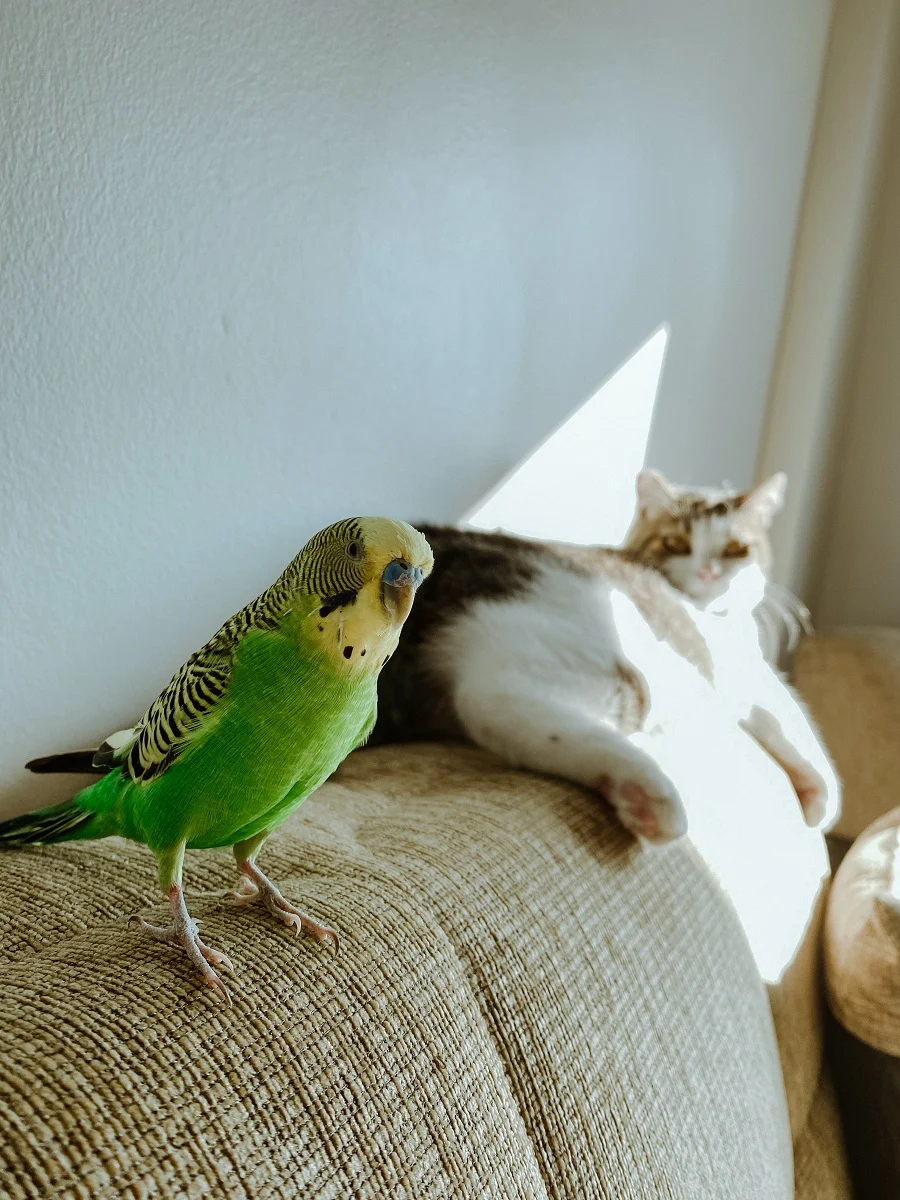
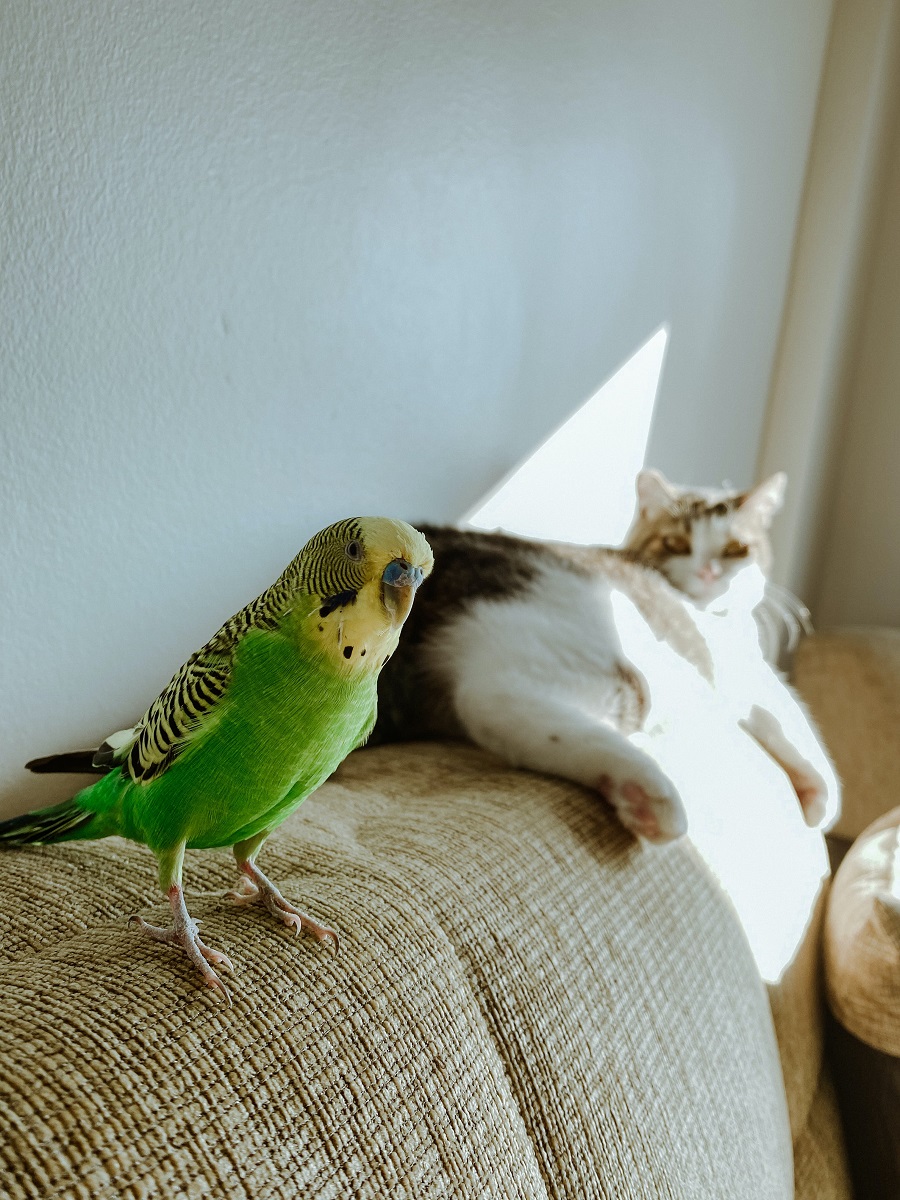
Perhaps one of the most contentious and consistently dangerous interactions is between parrots and other household pets, primarily cats, dogs, and ferrets. Despite the most well-meaning intentions and assurances of a pet’s "good behavior," the fundamental predator-prey dynamic remains. Even a playful swat from a cat or dog can result in a fatal injury to a delicate parrot. A cat’s scratch or bite, even a minor one, can introduce Pasteurella multocida bacteria, which is often harmless to cats but rapidly fatal to birds if left untreated. Similarly, a dog’s playful nip can crush a parrot’s fragile bones. The sudden flutter of a parrot’s wings can trigger an instinctive prey drive in even the most docile dog or cat, leading to an immediate and irreversible attack. Avian veterinarians and animal behaviorists unequivocally advise against any unsupervised interaction between parrots and potential predators. Complete segregation is the only truly safe approach, ensuring that parrots and other pets are never in the same room simultaneously without a secure barrier, or are only allowed out of their respective enclosures when the other species is securely confined elsewhere.
Beyond the Checklist: Cultivating a Safety-Conscious Household
Beyond these specific hazards, a comprehensive approach to parrot safety involves cultivating a safety-conscious mindset throughout the household. Every family member must be educated on these protocols and understand their role in maintaining a safe environment. Emergency preparedness is also crucial; this includes knowing the location and contact information of an avian veterinarian, understanding basic parrot first aid, and having a designated emergency kit.
The broader implications of these safety measures extend to the parrot’s overall welfare and longevity. A bird living in a hazard-free environment is less prone to stress, injury, and illness, leading to a happier, healthier, and potentially longer life. The financial implications of neglecting safety can also be substantial, with emergency veterinary care for injuries or poisoning often incurring significant costs. Ultimately, responsible parrot ownership transcends mere provision of food and shelter; it demands a deep understanding of their unique needs and vulnerabilities, coupled with unwavering vigilance and a proactive commitment to creating an environment where these intelligent and sensitive creatures can thrive without preventable risks. By meticulously implementing these safety protocols, owners fulfill their ethical obligation and foster a truly harmonious and secure coexistence with their cherished feathered companions.

