


Bringing home your first pair of rats is an exciting milestone, often met with a mix of eager anticipation and a flurry of questions. This comprehensive guide aims to demystify the initial days and weeks of rat ownership, providing essential information and actionable advice for new owners. From understanding their initial behavior to establishing a routine, this article delves into the critical aspects of ensuring a smooth and successful integration of these intelligent and social creatures into your home.
Understanding the Rat’s Transition
The journey of a new pet rat from its previous environment to your home is a significant one. Rats are highly social animals, accustomed to the comfort and security of their familiar surroundings and social groups. The transition to a new home involves a profound change in sensory input, social dynamics, and routines. This can naturally lead to initial nervousness, caution, or even fear. It is crucial for new owners to recognize that their new pets are not exhibiting malice but are instead responding to a drastically altered reality.
Initial Acclimation Period:
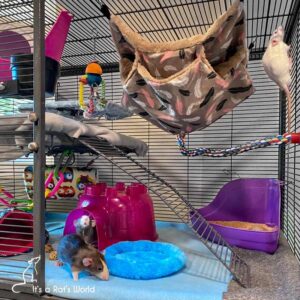
Upon arrival, the primary objective is to allow your rats to acclimate to their new environment with minimal stress. This involves providing them with a safe and secure space, which is their cage, and allowing them to explore it at their own pace. The cage should be fully prepared beforehand, equipped with food, water, bedding, hiding places, and enrichment items.

- First Encounters: When you first bring your rats home, resist the urge for immediate, prolonged physical interaction. Instead, gently place them in their prepared cage. Observe their behavior from a distance. Are they actively exploring, or are they hiding? This initial observation will provide clues about their temperament and comfort level.
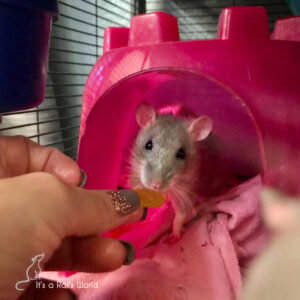
- Gentle Introduction to the Habitat: Once inside the cage, you can offer them a small, high-value treat. This simple act serves multiple purposes: it begins to associate your presence with positive experiences, and it can encourage exploration. Speaking softly and calmly while showing them their amenities—food dish, water bottle, litter box, hammocks—can help them start to familiarize themselves with their new domain and your voice.
- The Importance of the Litter Box: Nervousness can often lead to an increased need to urinate. Having a litter box readily available and encouraging its use from the outset can help manage waste and reduce odor, contributing to a cleaner environment for both you and your rats.
Post-Cage Introduction:
After the initial introduction to the cage, the next step is to assess whether to allow them out for supervised exploration or to give them more time to decompress. This decision hinges on the journey they undertook to reach your home.
- Short Travel Times: If your rats were transported over a short distance and appear relatively calm, you may consider allowing them out of their cage for supervised exploration within a safe, rat-proofed area.
- Extended Travel Durations: For rats that have experienced long travel times, it is advisable to allow them a period of 30 to 60 minutes to decompress within their cage before encouraging them to venture out. This period is not rigid; some rats may be eager to explore immediately, while others will benefit from this quiet time. Always follow the cues of your rats.
Understanding Rat Behavior: The First Month
The first month of ownership is a critical period for establishing trust and understanding your rats’ individual personalities. It’s important to remember that each rat is unique, and their responses to their new environment and to you will vary.
Varied Temperaments:
- Bold and Curious: Some rats will be naturally outgoing and curious, approaching new experiences with confidence. They may quickly become comfortable with your presence and eager for interaction.
- Cautious but Brave: Others may exhibit a mix of caution and bravery, exploring their surroundings while remaining observant of new stimuli.
- Nervous or Frightened: It is common for rats to be initially nervous, jumpy, or even frightened. This behavior can be unsettling for new owners, but it is essential to understand that it is a survival instinct. Hiding and avoidance have historically kept rats safe. Your role is to demonstrate that your presence is not a threat but a source of security and positive interaction.
The Myth of "Hands-Off" Approaches:
A common misconception among new owners is that a frightened rat should be left alone to "get over it." This hands-off approach is counterproductive. Rats do not spontaneously overcome fear without intervention. Building trust requires consistent, positive engagement.
- Starting Day One: Trust-building must commence on the very first day of ownership and continue daily. This means regular interaction, whether your rats are timid or bold.
- Daily Interaction: Rats need to be taken out of their cage and handled daily. This consistent exposure to gentle touch, vocalization, and positive reinforcement is paramount in helping them overcome their anxieties.
Addressing Fear and Potential Biting:
The fear of being bitten can be a significant deterrent for new owners, sometimes leading to the neglect of a rat’s need for interaction. It is vital to dispel the myth that pet rats are inherently aggressive biters.
- Understanding the Cause of Nipping: While rats may nip, it is rarely out of malice. Nipping can stem from surprise, curiosity, or a response to external stimuli. For instance, some rats have a peculiar habit of nipping socked feet, mistaking them for something to explore or play with. This behavior, though startling, is typically not aggressive and rarely breaks the skin.
- Nail Polish Remover Sensitivity: Another potential cause for nipping can be exposure to strong chemical smells like nail polish remover. The fumes can irritate rats, and their poor eyesight may lead them to react defensively to the perceived disturbance without understanding the source. It is advisable to avoid using such products in the presence of your rats.
- The Importance of Proactive Engagement: The longer you delay interaction due to fear of biting, the more terrified your rats will become, creating a vicious cycle. Understanding the reasons behind their behavior, as detailed in expert resources, can equip you with the confidence to engage appropriately.
Foundational Care Practices
Establishing a routine for feeding, cleaning, and general care is fundamental to your rats’ well-being.
Cage Cleaning Schedule
Maintaining a clean living environment is non-negotiable for rat health and odor control.
- Daily Spot Cleaning: A daily routine of spot cleaning—removing soiled bedding, old food, and waste—is essential. This proactive approach significantly reduces the buildup of waste and minimizes odors.
- Frequency of Full Cage Cleaning: The frequency of complete cage cleanings varies depending on several factors:
- Number of Rats: More rats mean more waste.
- Litter Box Usage: Rats that are well-trained in using a litter box will require less frequent full cleanings.
- Individual Habits: Some rats are naturally tidier than others.
- Sex: Male rats are generally more prone to marking their territory with urine, which can necessitate more frequent cleanings.
- Comprehensive Guidance: For detailed information on establishing an effective cage cleaning schedule, consulting resources that outline daily, weekly, and monthly cleaning protocols is recommended. Factors such as cage size, bedding type, and ventilation also play a role in determining the optimal cleaning frequency.
Feeding and Nutrition
Rats have fast metabolisms and benefit from a balanced diet provided at regular intervals.
- Splitting Daily Portions: A recommended feeding strategy is to divide their main staple diet into two meals per day: breakfast and dinner. This helps regulate their intake and prevents overeating, which some rats are prone to.
- Grazing Throughout the Day: While splitting meals is beneficial, rats naturally enjoy grazing. Their daily allowance of fruits and vegetables can be incorporated into their meals or offered as small, healthy snacks throughout the day.
- Example Daily Menu: A typical daily menu might include:
- Breakfast: A portion of their main kibble, possibly mixed with a small amount of yogurt or scrambled eggs.
- Midday Snack: Small portions of fruits like grapes or vegetables such as carrots.
- Dinner: Another portion of kibble, supplemented with cooked vegetables, pasta, or other suitable items from your own meal preparation.
- Nutritional Resources: Detailed nutritional information and sample daily menus can be found in specialized rat care guides, often co-authored by experienced rat enthusiasts and veterinarians. These resources provide specific guidance on protein, fat, and carbohydrate ratios, as well as safe and unsafe food items.
Veterinary Care Considerations
The need for immediate veterinary attention depends heavily on the source from which you acquired your rats.
- Reputable Rescues and Breeders: Rats obtained from reputable rescues or breeders who have established quarantine protocols and provide pre-adoption medical care may not require an immediate vet visit. These organizations prioritize the health of their animals before adoption.
- Pet Stores and Unknown Sources: Rats from pet stores, informal "rescues" with limited resources, backyard breeders, or individuals with questionable care practices may warrant a prompt veterinary examination. Stress from transport and an unfamiliar environment can weaken a rat’s immune system, potentially leading to respiratory issues or other health problems.
- Signs of Illness: Be vigilant for symptoms such as sneezing, labored breathing, wheezing, or crackling sounds in the chest, especially within the first few weeks of adoption. If these symptoms appear, immediate veterinary consultation is necessary.
- Long-Term Health Planning: It is prudent to begin setting aside funds for future veterinary expenses. Rats, like all pets, can develop health issues over time, and prompt medical care is essential for their longevity and quality of life.
Building a Strong Bond: Beyond the Cage
Once your rats have settled in and you’ve established a basic care routine, the focus shifts to nurturing a deep and meaningful bond. This is achieved through consistent, positive interaction outside of their cage.
Creating a Safe Play Environment
Out-of-cage playtime is vital for your rats’ physical and mental well-being. It provides opportunities for exercise, exploration, and bonding.
- Rat-Proofing: Designate a safe, rat-proofed area for playtime. This could be a specific room, a large playpen, or even a modified sofa area. Ensure that all electrical cords are secured, small objects are removed, and any potential escape routes are blocked.
- Enrichment within Play Areas: Provide stimulating toys, tunnels, and climbing structures within the play area to encourage natural behaviors and prevent boredom.
- Sofa Play: A popular and effective method for bonding is to create a "couch playground." This allows for extended periods of interaction where you can comfortably sit or lie down while your rats explore their surroundings and interact with you. This setup facilitates observation of their communication cues and allows for gentle handling and affection.
Understanding Rat Communication
Rats communicate through a variety of subtle behaviors, vocalizations, and body language. Learning to interpret these signals is key to understanding their needs and emotions.

- Vocalizations: Beyond squeaks and purrs, rats communicate through sounds that may not always be audible to humans, such as ultrasonic vocalizations.
- Body Language: Ear movements, tail flicks, grooming habits, and postures all convey information about a rat’s mood and intentions. A relaxed rat may groom itself contentedly, while a fearful rat might freeze or exhibit rapid, jerky movements.
- "Bruxing" and "Bucky Teeth": These are common rat behaviors that can be misinterpreted. Bruxing, a soft grinding of teeth, often indicates contentment. "Bucky teeth," a rapid grinding of teeth that can sometimes be accompanied by popping noises, can signal excitement or, in rare cases, distress.
- Learning Your Rat’s Language: Over time, with consistent observation and interaction, you will become adept at understanding your rats’ unique communication styles. This deeper understanding fosters a stronger bond and allows you to respond effectively to their needs.
Advanced Bonding Techniques
- Gentle Petting and Handling: Learning how to appropriately pet and hold your rats is fundamental. Start with gentle strokes along their back and head. Avoid sudden movements or grabbing them from above, which can trigger their prey animal instincts. Support their body fully when picking them up.
- Interactive Games: Engage your rats in simple games that encourage problem-solving and interaction, such as hiding treats for them to find or using a treat stick to guide them through a simple obstacle course.
- Shared Experiences: Simply spending quiet time in their presence, reading a book or watching television while they explore nearby, can contribute to their sense of security and your bond.
Conclusion: An Ongoing Journey
Welcoming pet rats into your home is an incredibly rewarding experience. While the initial adjustment period may present challenges, a commitment to understanding their behavior, providing consistent care, and engaging in regular, positive interaction will pave the way for a deep and lasting companionship. By approaching your new pets with patience, empathy, and a willingness to learn, you will discover the immense joy and affection that these intelligent and social creatures have to offer. The journey of getting to know your rats is an ongoing adventure, filled with learning, laughter, and the development of a truly special human-animal bond.

