


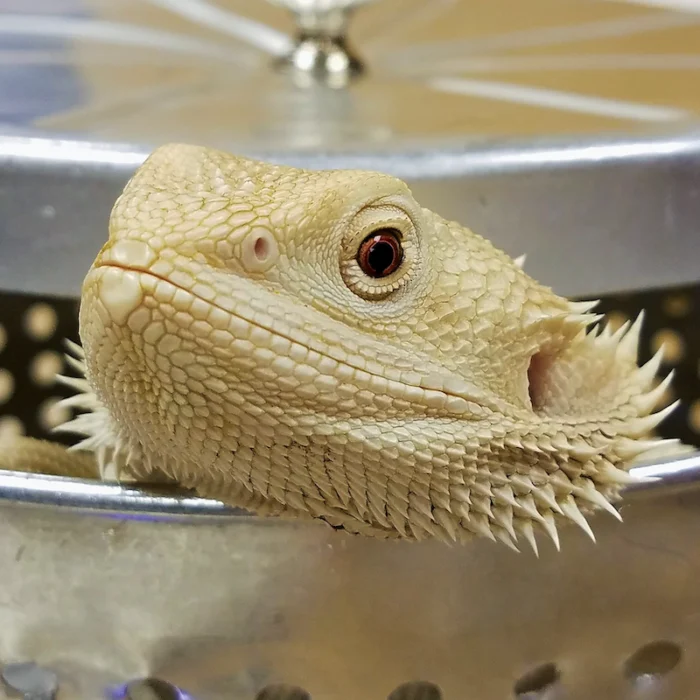
The release of this update comes at a time when the husbandry of exotic species—ranging from reptiles and amphibians to certain birds and small mammals—is undergoing a significant shift toward evidence-based practices. For decades, the application of ultraviolet B (UVB) lighting in captive environments was governed largely by anecdotal evidence and trial-and-error. However, recent advancements in photobiology and veterinary science have highlighted the precise physiological roles that specific wavelengths play in the health, behavior, and longevity of these animals.
The Physiological Necessity of UVB Radiation
The primary focus of the webinar is the biological impact of UVB radiation (290–315 nm) on captive exotic species. In the wild, these animals rely on solar radiation to facilitate the synthesis of Vitamin D3 within the skin. This process is a multi-stage photochemical reaction where 7-dehydrocholesterol is converted into previtamin D3, which then thermally isomerizes into Vitamin D3. Once synthesized, Vitamin D3 is essential for the regulation of calcium and phosphorus metabolism.
Without adequate UVB exposure, many exotic species, particularly reptiles, are unable to absorb dietary calcium effectively. This deficiency leads to a cascade of health issues, most notably Metabolic Bone Disease (MBD), also known as nutritional secondary hyperparathyroidism. MBD remains one of the most common presentations in exotic animal practice, characterized by bone deformities, pathological fractures, tremors, and eventually, death. By providing an evidence-based update, the webinar equips veterinary professionals with the knowledge to identify sub-optimal lighting setups before clinical signs of disease manifest.
Accreditation and Professional Standards
The AAVSB RACE program is the gold standard for veterinary continuing education in North America. Its approval of the "Sunburned!" webinar ensures that the content meets rigorous standards of scientific integrity and educational quality. For veterinary professionals, maintaining licensure requires a specific number of CE hours annually or biennially. The inclusion of specialized topics like UVB lighting allows practitioners to fulfill these requirements while deepening their expertise in the niche field of exotic medicine.
The structure of the course, which includes a post-test and a formal certification process, reflects the veterinary industry’s commitment to accountability. By requiring a passing grade to obtain the CE certificate, the program ensures that the participants have actually synthesized the complex data regarding spectral power distribution, UV indices, and species-specific requirements.
A Chronology of UVB Research and Technology
The history of UVB lighting in herpetoculture and avian medicine has seen rapid technological evolution. In the mid-20th century, the importance of UVB was poorly understood, and many captive animals suffered from chronic "indoor" deficiencies.
- The 1980s and 1990s: The development of specialized "reptile bulbs" began to gain traction. However, these early lamps often had inconsistent outputs and rapid decay rates, making them unreliable for long-term health.
- The 2000s: The introduction of the Solarmeter 6.5 allowed researchers and keepers to measure the UV Index (UVI) rather than just total microwatts. This shifted the focus toward measuring the "usable" part of the spectrum for Vitamin D3 synthesis.
- 2010 – The Ferguson Study: A landmark study by Dr. Gary Ferguson and colleagues categorized reptiles into four distinct "zones" based on their basking behaviors and natural UV exposure. This "Ferguson Zone" system revolutionized how veterinarians recommend lighting.
- The Modern Era: Today, the industry utilizes high-output T5 fluorescent tubes and Metal Halide lamps that provide more stable and intense UVB levels. The "Sunburned!" webinar represents the latest step in this timeline, incorporating new data on lamp degradation and the potential risks of over-exposure (photo-toxicity).
Technical Challenges and Data-Driven Recommendations
A significant portion of the evidence-based update focuses on the technical nuances of artificial lighting. One of the primary challenges highlighted is the "inverse square law," which dictates that the intensity of UVB radiation decreases exponentially as the distance from the source increases. Veterinary professionals must be able to advise clients on the exact placement of lamps to ensure the animal receives the correct UVI at its primary basking site.
Supporting data suggests that different materials used in enclosures can drastically alter UVB penetration. For instance, standard window glass filters out nearly 100% of UVB radiation, while fine mesh screens can reduce the intensity by 30% to 50% depending on the weave density. The webinar provides practitioners with the data needed to calculate these variables, ensuring that the "effective" UVB reaching the animal is sufficient for its specific Ferguson Zone classification.
Furthermore, the update addresses the issue of lamp lifespan. While a bulb may still emit visible light, its UVB output typically degrades long before the filament or gas burns out. Evidence suggests that most fluorescent UVB lamps require replacement every 6 to 12 months. The webinar emphasizes the use of radiometers as a diagnostic tool in the clinic, allowing veterinarians to test a client’s lamp during a wellness exam to provide empirical proof of whether the equipment is still functional.
The Ferguson Zone Framework
The Ferguson Zone system is a cornerstone of modern exotic animal husbandry and a key element of the webinar’s curriculum. It categorizes species into four groups:
- Zone 1 (Shade Dwellers): Crepuscular or shade-dwelling species (e.g., Leopard Geckos, some amphibians) that require low levels of UVB (UVI 0–0.7).
- Zone 2 (Partial Sun/Occasional Baskers): Species that inhabit forest edges or dappled sunlight (e.g., Box Turtles, many colubrid snakes) requiring UVI 0.7–1.0.
- Zone 3 (Open or Partial Sun Baskers): Species that bask in full sun for parts of the day (e.g., Bearded Dragons, Green Iguanas) requiring UVI 1.0–2.6.
- Zone 4 (Mid-day Sun Baskers): Species adapted to intense, direct sunlight (e.g., Uromastyx, certain desert tortoises) requiring UVI 2.6–3.5 or higher.
The webinar provides updated lists of species and their corresponding zones, allowing veterinarians to offer precise, tailored advice to pet owners.
Official Responses and Industry Implications
While official statements from the AAVSB are generally limited to accreditation status, the veterinary community’s response to such specialized CE is overwhelmingly positive. Dr. Gregory Rich, a prominent figure in avian and exotic medicine, has previously noted that the lack of standardized lighting protocols has historically been a major hurdle in exotic animal welfare. The availability of this webinar on LafeberVet—a platform known for its focus on high-quality veterinary education—is seen as a vital step in bridging the gap between laboratory research and clinical practice.
The implications of this update extend beyond the clinic. As veterinarians become better educated on UVB requirements, they exert pressure on the pet product industry to provide more accurate labeling and higher-quality lighting products. This creates a feedback loop where improved clinical knowledge leads to better consumer products, which ultimately results in healthier captive populations.
Broader Impact on Animal Welfare and Conservation
The "Sunburned!" webinar does more than just prevent MBD; it addresses the holistic welfare of captive exotic species. UVB radiation has been linked to improved immune function, better skin health, and more natural behavioral patterns, including reproductive success. By treating UVB as a "nutrient" rather than an optional accessory, the veterinary profession is elevating the standard of care for millions of animals.
In addition to private practice, this data is invaluable for zoological institutions and wildlife rehabilitators. Animals being prepared for release back into the wild must have optimal bone density and muscular function, both of which are dependent on the photochemical processes facilitated by UVB. The webinar thus serves as a foundational tool for anyone responsible for the long-term care of exotic taxa.
The move toward evidence-based updates like this also helps dispel myths that have persisted in the hobbyist community. For example, the outdated belief that nocturnal species do not need UVB has been debunked by evidence showing that even "shade-dwelling" species utilize low levels of radiation to maintain Vitamin D levels. By providing veterinarians with the peer-reviewed data to counter these myths, LafeberVet and the AAVSB are ensuring that pet owners receive the most accurate and scientifically sound advice available.
In conclusion, "Sunburned! An Evidence-Based Update on UVB Lighting for Captive Exotic Species" represents a milestone in the professionalization of exotic animal husbandry. Through its RACE-approved curriculum, technical depth, and focus on the Ferguson Zone framework, it provides veterinary professionals with the essential tools needed to combat one of the most pervasive health issues in exotic medicine. As our understanding of photobiology continues to grow, such educational initiatives will remain the cornerstone of advancing animal health and welfare in the 21st century.

