


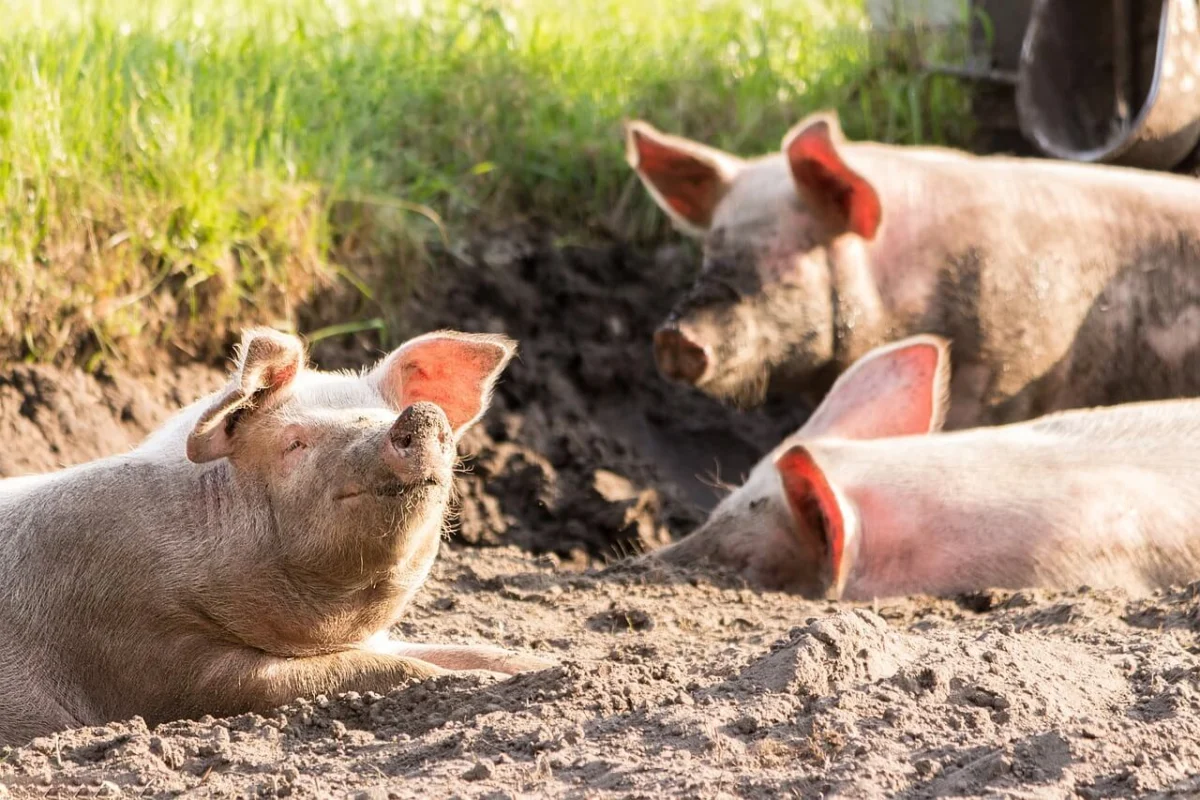
In a legal decision that marks a significant shift in the intersection of agricultural logistics and animal welfare statutes, a Wisconsin court has handed down a first-of-its-kind conviction against a commercial driver for the negligent transport of farmed animals. The ruling, delivered in the Clark County Circuit Court, found Jerith Dville Kane Ellis guilty under state law for transporting pigs in conditions so severe that they resulted in widespread suffering and multiple fatalities. Legal experts and animal advocacy organizations have identified this as the first time in United States history that a driver has been held criminally liable under state animal cruelty laws specifically for the conditions maintained during the interstate transit of livestock intended for slaughter.
The conviction stems from an incident involving the transport of a large shipment of pigs from a Lynch Livestock facility in South Dakota to a processing plant in Wisconsin. The legal proceedings revealed a harrowing account of neglect, where the biological needs of the animals were disregarded in favor of maintaining a delivery schedule despite life-threatening weather conditions. The case has sparked a national dialogue regarding the adequacy of current transport regulations and the accountability of the individuals and corporations that manage the supply chain of the American meat industry.
The Chronology of the Incident: A 432-Mile Journey Through Sub-Zero Extremes
The events leading to the historic verdict began during a period of extreme winter weather in the Midwest. Jerith Dville Kane Ellis was tasked with hauling a load of pigs across a distance of approximately 432 miles. According to meteorological data presented during the trial, the journey took place during a cold snap where wind chills plummeted to -27°F. Even upon arrival at the Wisconsin destination, ambient temperatures remained at a dangerously low -4°F.
Livestock trailers used in the United States are typically designed with open slats to provide ventilation, a design feature that is essential in summer months to prevent heat exhaustion but offers virtually no protection against the convective cooling effects of high-speed travel in sub-zero temperatures. In this instance, the pigs were exposed to the full force of the freezing wind for the duration of the multi-hour haul.
Upon the truck’s arrival at the slaughterhouse, the severity of the situation became immediately apparent to on-site personnel and a United States Department of Agriculture (USDA) inspector. The subsequent investigation was catalyzed by a tip from People for the Ethical Treatment of Animals (PETA), which had been monitoring reports of transport-related animal distress.
Evidence of Suffering: The USDA Inspector’s Findings
The documentation provided by the USDA inspector served as a cornerstone for the prosecution’s case. The report detailed a scene of extreme physiological distress among the animals. According to the findings, 15 pigs were confirmed dead either during the transit or shortly after arrival due to exposure-related complications.
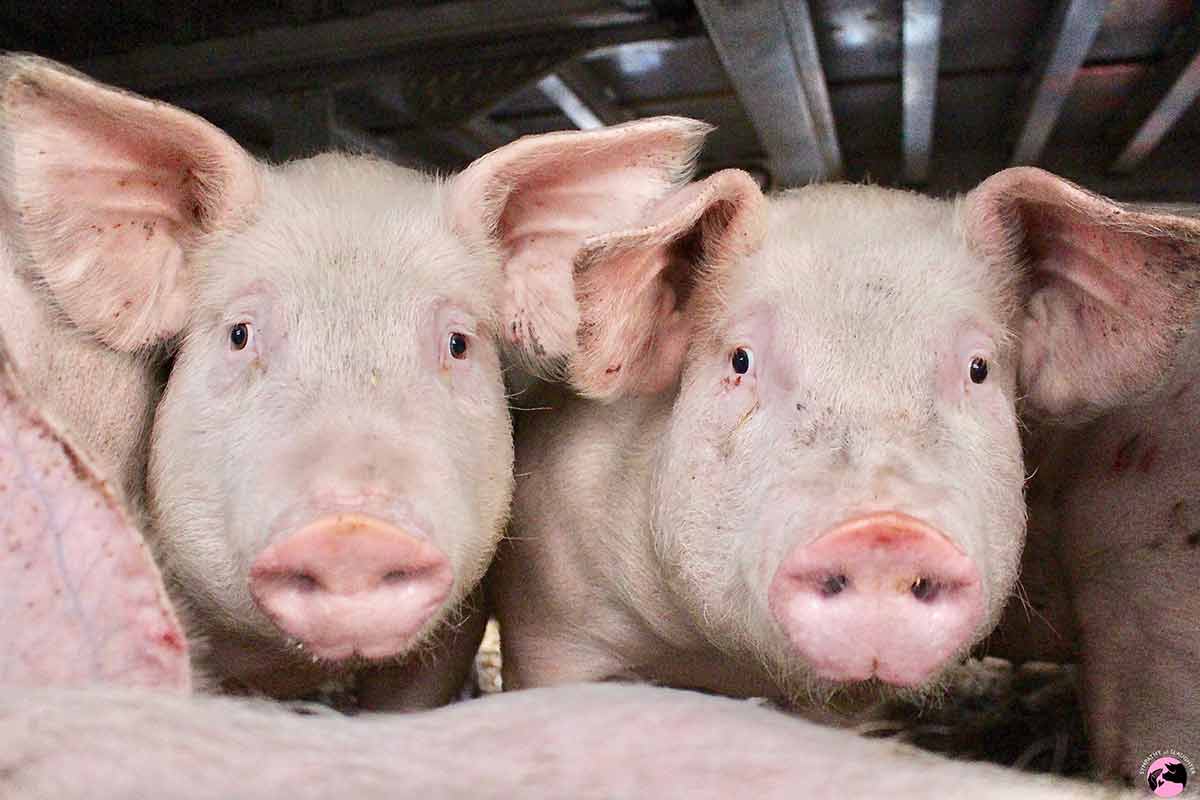
The surviving animals exhibited signs of severe frostbite and hypothermia. The inspector’s notes described pigs with "frozen ears" and "discolored skin" indicative of tissue death. Many of the animals were found huddled together in a futile attempt to maintain body heat, while others were unresponsive or unable to stand. The prosecution argued that the driver’s failure to provide even rudimentary protection—such as boarding up portions of the trailer slats or delaying the trip until temperatures rose—constituted a criminal level of neglect under Wisconsin’s animal cruelty statutes.
Legal Implications and the Precedent of State-Level Accountability
Historically, the transport of livestock has been a "gray zone" for animal cruelty prosecutions. While the federal Twenty-Eight Hour Law of 1873 (amended in 1994) mandates that animals transported across state lines must be unloaded for food, water, and rest every 28 hours, it provides very little guidance on environmental protections or weather-related safety. Furthermore, federal law is often viewed as a regulatory framework for commerce rather than a tool for criminal prosecution of individual cruelty.
The Wisconsin ruling is significant because it applied state-level criminal law to a commercial agricultural activity. By finding the driver guilty, the Clark County Circuit Court has signaled that "industry standard" practices do not grant immunity from prosecution if those practices result in what the law deems as "unjustifiable suffering."
Legal analysts suggest this case could embolden prosecutors in other states to take action against similar incidents. "For decades, the suffering of animals in transit was seen as an unfortunate but legal byproduct of the industry," said one legal observer. "This verdict changes the calculus. It places a burden of care on the driver and, by extension, the transport company to ensure that animals do not freeze to death or suffer debilitating injuries before they even reach the slaughterhouse."
The Broader Context: Mortality Rates in the Meat Industry Supply Chain
The case against Ellis highlights a systemic issue within the industrial meat complex. Industry reports and academic studies indicate that the problem of "Dead on Arrival" (DOA) livestock is a persistent and costly reality. It is estimated that more than one million pigs die during transport in the United States every year. These deaths are attributed to a variety of factors, including extreme temperatures, overcrowding, respiratory failure due to poor air quality, and the physical trauma of being jostled at high speeds.
In addition to the fatalities, tens of thousands of animals arrive at slaughterhouses with significant injuries, including broken limbs and severe bruising. The economic cost of these losses is often factored into the "cost of doing business," but the ethical cost has increasingly come under fire from the public.
The conditions within the trailers are often the most stressful period of a farmed animal’s life. Deprived of food and water, and subjected to the deafening noise of traffic and the unpredictable movements of the vehicle, animals frequently experience "transport stress," which can weaken their immune systems and lead to sudden cardiac arrest.
Scientific Perspectives on Pig Sentience and Suffering
The emotional and ethical weight of the Wisconsin case is bolstered by a growing body of scientific research regarding the cognitive abilities of porcine species. Ethologists have long argued that pigs are among the most intelligent and socially complex domesticated animals.
Research has demonstrated that pigs possess high levels of emotional intelligence. They are capable of empathy, often becoming distressed when they witness the suffering of others in their social group. They exhibit long-term memory, can recognize individual humans, and have been shown to dream during REM sleep. In laboratory settings, pigs have solved complex puzzles and demonstrated a level of self-awareness comparable to that of primates and dolphins.
From a biological standpoint, the suffering endured by the pigs in the Ellis case was not merely physical pain but profound psychological terror. The transition from a controlled environment to a freezing, wind-swept metal trailer represents a catastrophic failure of the duty of care that humans owe to the animals within their custody.
Industry Reaction and the Future of Transport Regulations
While animal rights groups have hailed the verdict as a historic victory, the agricultural and trucking industries have responded with caution. Some industry representatives argue that the responsibility should not rest solely on the driver, pointing to the logistical pressures and the lack of specialized equipment provided by transport companies.
However, the verdict is expected to lead to a reevaluation of "Best Management Practices" for livestock handling. There is increasing pressure for the implementation of:
- Climate-Controlled Trailers: Moving away from simple slatted designs to trailers with automated ventilation and heating systems.
- Mandatory Weather Delays: Establishing legal thresholds for temperature and wind chill below which livestock transport is prohibited.
- Enhanced Training: Requiring commercial drivers to undergo specific certification in animal welfare and emergency response.
Conclusion: A Turning Point for Animal Welfare Law
The conviction of Jerith Dville Kane Ellis in Clark County serves as a landmark moment in American jurisprudence. It bridges the gap between agricultural commerce and the moral obligations codified in animal cruelty laws. By establishing that the "transportation" phase of the meat industry is not a lawless vacuum, the Wisconsin court has set a precedent that could protect millions of animals in the years to come.
As the public continues to demand greater transparency and higher ethical standards in the food system, cases like this serve as a reminder that the treatment of animals—from the farm to the processing plant—is under increasing scrutiny. The historic nature of this ruling ensures that the "curtain" mentioned by advocates has been permanently pulled back, revealing a need for systemic reform in how the nation’s most vulnerable cargo is moved across its highways. For the 15 pigs that perished in the Wisconsin cold, the verdict comes too late, but for the millions currently in the supply chain, it represents a newfound hope for legal protection.

