


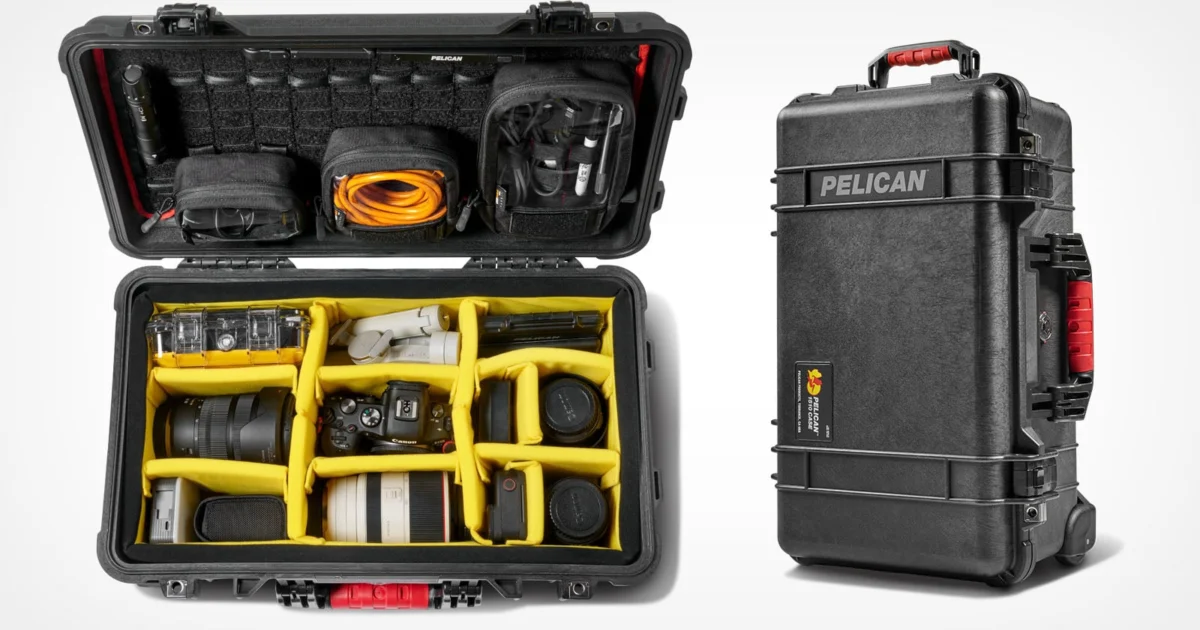
Pelican, the global leader in the design and manufacture of high-performance protective cases, has officially unveiled the Next Generation Protector Series, marking the most significant update to its flagship product line in nearly half a century. Known colloquially throughout the professional photography, film, and engineering industries simply as the "Pelican case," the Protector Series has served as the gold standard for equipment transport since its inception in 1976. This latest evolution represents a comprehensive re-engineering of the classic design, utilizing advancements in polymer science to meet the increasingly rigorous demands of modern professional environments.
The announcement signals a pivotal moment for the Torrance, California-based company. Rather than a mere aesthetic refresh, the Next Generation Protector Series is described by the company as a fundamental overhaul of the chemistry and architecture that defines its namesake line. The launch aims to solidify Pelican’s dominance in a market that has seen increasing competition from alternative manufacturers, emphasizing that the new cases are built to provide protection where other solutions fail.
A Legacy of Durability: From 1976 to the Present
To understand the significance of the Next Generation Protector Series, one must look at the history of the original Protector case. Founded by Dave Parker in a garage in Torrance, California, Pelican originally focused on scuba diving equipment. However, the introduction of the Protector case revolutionized how sensitive gear was transported across the globe. For decades, the black, ribbed, airtight, and watertight boxes have been ubiquitous on film sets, military outposts, and scientific expeditions.
The Protector case became so iconic that it effectively became a generic trademark; professionals across various sectors often refer to any hard-shell protective case as a "Pelican," regardless of the actual manufacturer. However, the original Protector design remained largely unchanged for decades, relying on a sturdy polypropylene construction that set the industry standard for impact resistance and environmental sealing.
The transition to the Next Generation Protector Series reflects a response to a changing professional landscape. Modern gear—ranging from high-resolution digital cinema cameras and fragile lithium-ion battery arrays to sensitive drone components—requires a higher degree of precision in both protection and organization. The new series aims to bridge the gap between the legendary "tank-like" build of the original cases and the sophisticated needs of today’s mobile professionals.
Advancements in Polymer Science: The HPX Material Innovation
The cornerstone of the Next Generation Protector Series is the introduction of a proprietary material formulation known as HPX. Pelican’s engineering team focused on "three critical dimensions of material innovation" to enhance the physical properties of the cases without significantly increasing weight or sacrificing the classic silhouette.
According to technical data provided by the manufacturer, the new HPX material makes the cases 12% more resistant to high-velocity impacts compared to previous generations. This improvement is vital for professionals who frequently check gear as airline luggage or transport equipment through rugged terrain where drops and collisions are common.
Beyond impact resistance, the HPX formulation offers improved rigidity under load. This is particularly relevant for deep-sea deployments or high-altitude transport, where pressure differentials and heavy stacking can cause lesser materials to bow or lose their airtight seal. The increased structural integrity ensures that the case maintains its shape and protective qualities even when subjected to hundreds of pounds of external pressure.
The third pillar of the material update is enhanced UV resistance. Professional equipment is often left on tarmacs, docks, or desert environments for extended periods. Over time, ultraviolet radiation can degrade standard polymers, leading to brittleness and color fading. Pelican claims the new Protector series features advanced UV stabilizers that ensure the case maintains its physical properties and "color fastness" throughout its lifespan, preventing the material fatigue that can lead to catastrophic failure in extreme climates.
Re-Engineered Hardware and Ergonomics
While the shell material represents the most significant chemical change, the mechanical components of the Next Generation Protector Series have also undergone substantial upgrades. Pelican has focused on the "touchpoints" of the case—the parts that professionals interact with daily.
One of the most notable mechanical improvements is found in the wheel system. Recognizing that professional cases are often loaded with upwards of 100 pounds of gear, Pelican has integrated improved wheels featuring high-grade steel bearings. This update is designed to provide a smoother roll and greater longevity under heavy loads, reducing the physical strain on the user and preventing wheel failure in the field—a common pain point for professionals navigating urban environments or industrial sites.
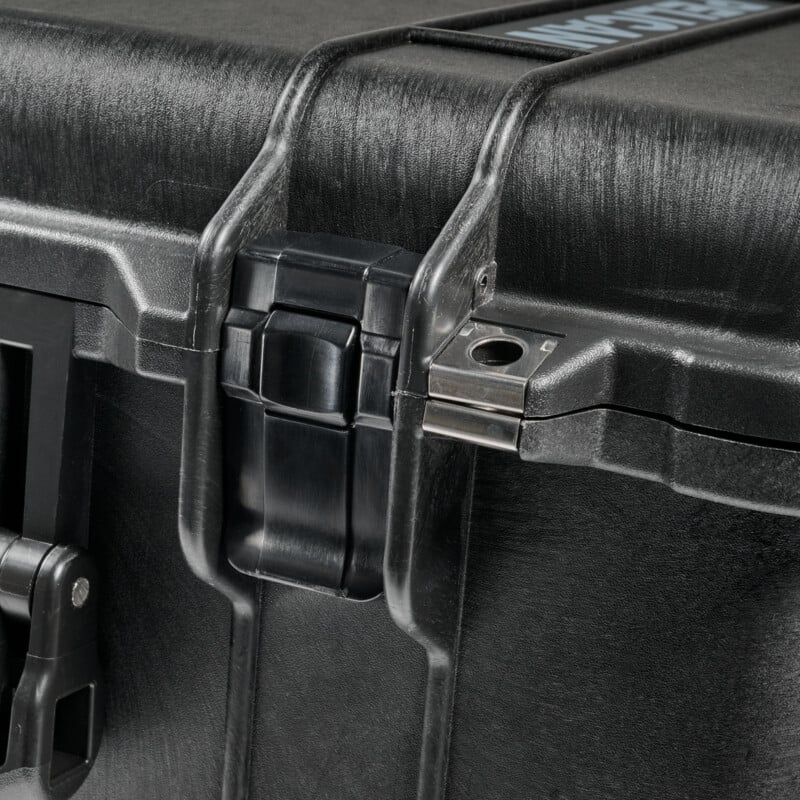
The latching mechanism, a signature feature of the Pelican brand, has also been refined. The new series utilizes enhanced push-button latches that are designed to be easier to operate with one hand or while wearing gloves, yet remain securely locked during transit. These latches work in tandem with the traditional O-ring gasket to maintain an IP67 rating for dust and water ingress protection.
Internal Organization and the New Modular Lighting System
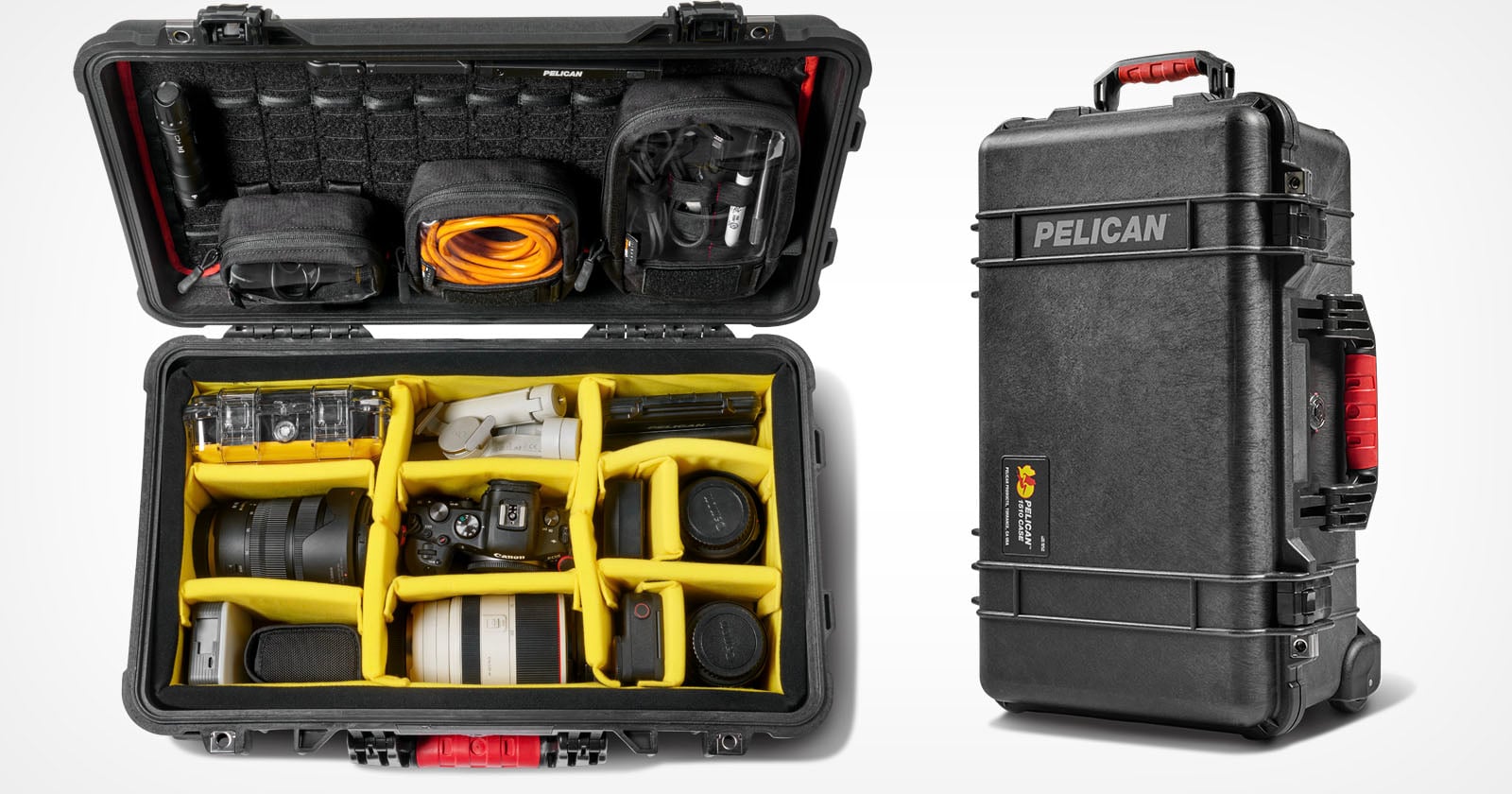
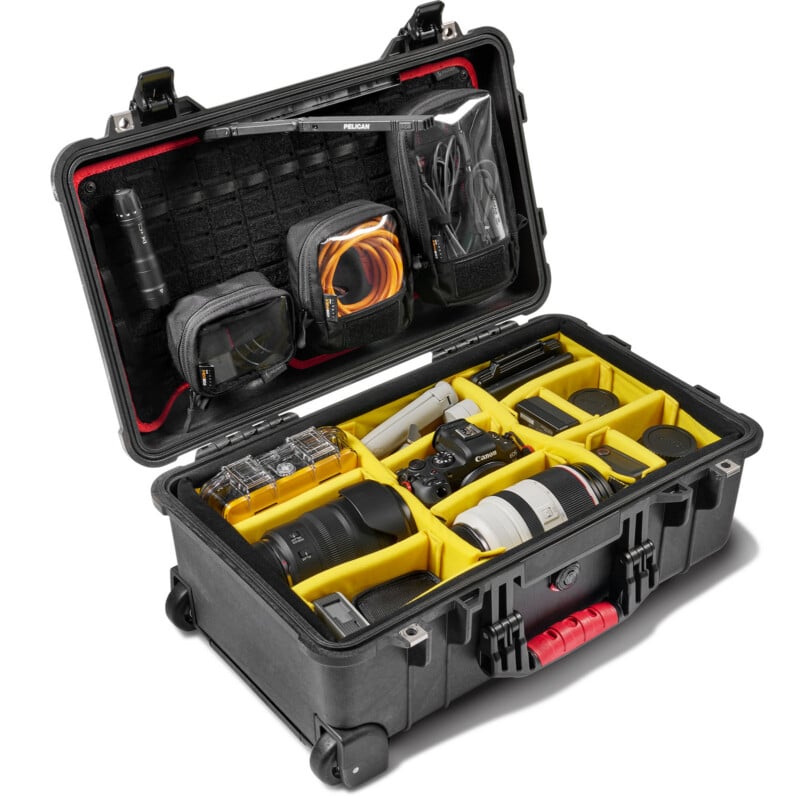
For many photographers and technicians, the interior of the case is as important as the exterior. The Next Generation Protector Series introduces a new ecosystem of lid organizers and modular packing solutions. These organizers are designed to maximize the "dead space" in the lid of the case, providing zippered mesh pockets and dedicated compartments for cables, batteries, and small accessories that often get lost in deep foam or padded dividers.
Perhaps the most innovative addition to the series is the support for an integrated in-case light. This new accessory provides up to 18 hours of reliable LED illumination, mounted directly within the case architecture. For professionals working in dark studios, remote field locations at night, or dimly lit equipment trucks, this feature eliminates the need to fumble with flashlights or headlamps while searching for specific components. The light is designed to be low-profile and rugged, ensuring it does not interfere with the storage capacity of the case.
Official Statements and Strategic Vision
JC Curleigh, the CEO of Pelican, emphasized that this update is about maintaining the company’s lead in a category it essentially created. "Pelican’s legacy is built on the idea that our protection starts where others end," Curleigh stated during the announcement. "Fifty years ago, Pelican created a category out of a necessity for gear that wouldn’t fail, regardless of the environment. With Next Generation Protector, we have optimized the chemistry and the architecture of our namesake line."
Curleigh further noted that the optimization was driven by feedback from the company’s most demanding users. "For the professional photographer or the engineer on a remote rig, this means a case that is not only tougher but more adaptable to the most challenging environments," he added.
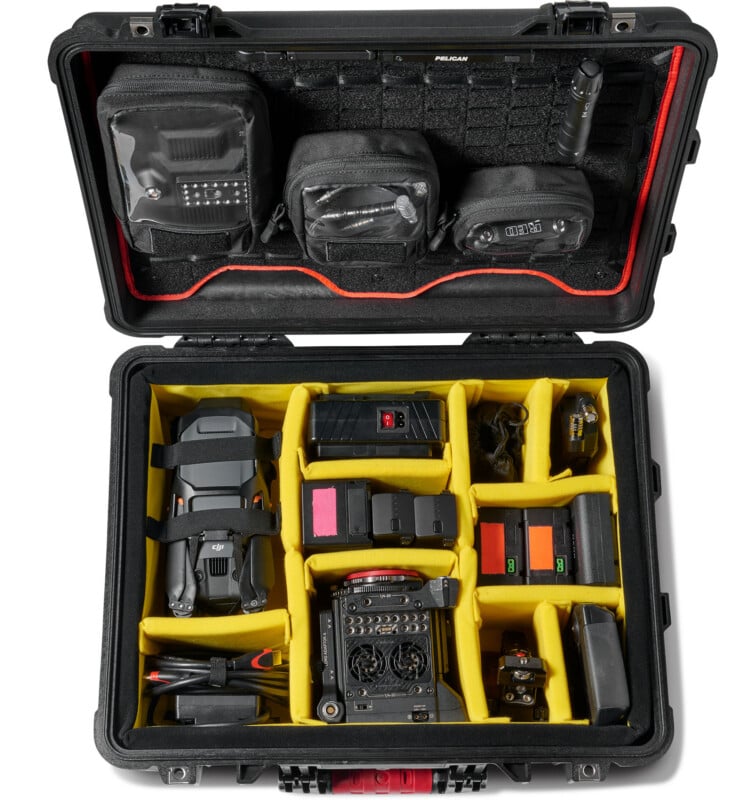
Market analysts suggest that this move is a strategic effort to differentiate Pelican’s premium "Protector" line from its lighter "Air" series and the entry-level options offered by competitors. By doubling down on material science and integrated technology (like the in-case light), Pelican is positioning the Protector series as the "pro-grade" choice for mission-critical applications.
Industry Impact and Market Availability
The photography and cinematography industries are expected to be the primary early adopters of the Next Generation Protector Series. As camera systems become more compact yet more expensive, the demand for high-density, high-protection transport solutions has grown. The 12% increase in impact resistance is particularly appealing to rental houses and production companies that manage large fleets of equipment subject to constant shipping.
In the scientific and military sectors, the improved UV resistance and rigidity under load are likely to be the deciding factors for procurement. Equipment used in environmental monitoring, aerospace testing, and field medicine often spends weeks or months in harsh sunlight or high-pressure environments.
Pelican has confirmed that the Next Generation Protector series and its accompanying accessories will be available through authorized distributors and professional equipment suppliers starting in the summer of 2024. While the company has launched a dedicated landing page to showcase the new features, specific individual pricing for the various case sizes has not yet been finalized.
As the industry transitions to this new standard, Pelican faces the challenge of differentiating the new stock from the existing inventory of classic Protector cases. The company has indicated that the new models will be clearly marked, and the landing page will serve as a guide for customers looking to upgrade.
The launch of the Next Generation Protector Series reaffirms Pelican’s commitment to durability and innovation. By evolving its most famous product, the company is not just honoring its 50-year history but is actively defining the next era of professional equipment protection. Whether in the hands of a war correspondent, a deep-sea researcher, or a commercial photographer, the new Protector series is built to ensure that the tools of the trade arrive intact, no matter the destination.

