


A series of internal reports and visual evidence obtained by the animal rights organization People for the Ethical Treatment of Animals (PETA) has brought significant attention to the operational practices at B&D Dairy, a facility located in Holstein, Iowa. The documentation, which includes high-resolution photography and video footage provided by an anonymous whistleblower, alleges a pattern of systemic neglect, specifically regarding the podiatric health of the cattle and the hygiene of the living environment. According to the whistleblower, who reportedly spent time documenting the facility’s internal operations, cows at the site were subjected to prolonged periods of suffering caused by untreated injuries, chronic lameness, and the physical toll of permanent confinement on abrasive surfaces.
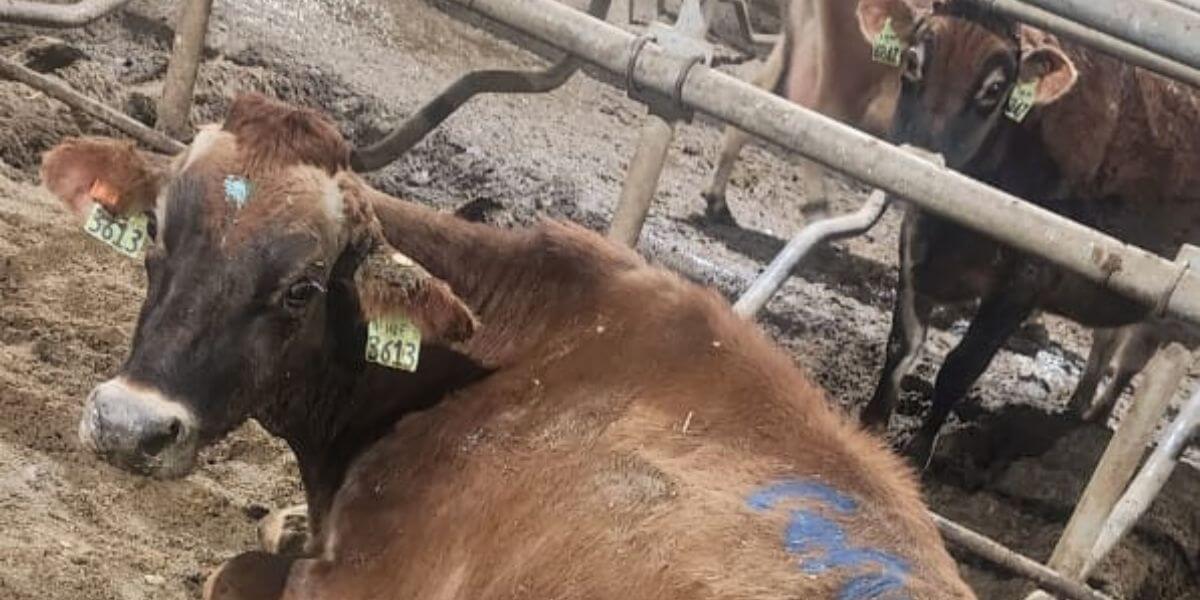
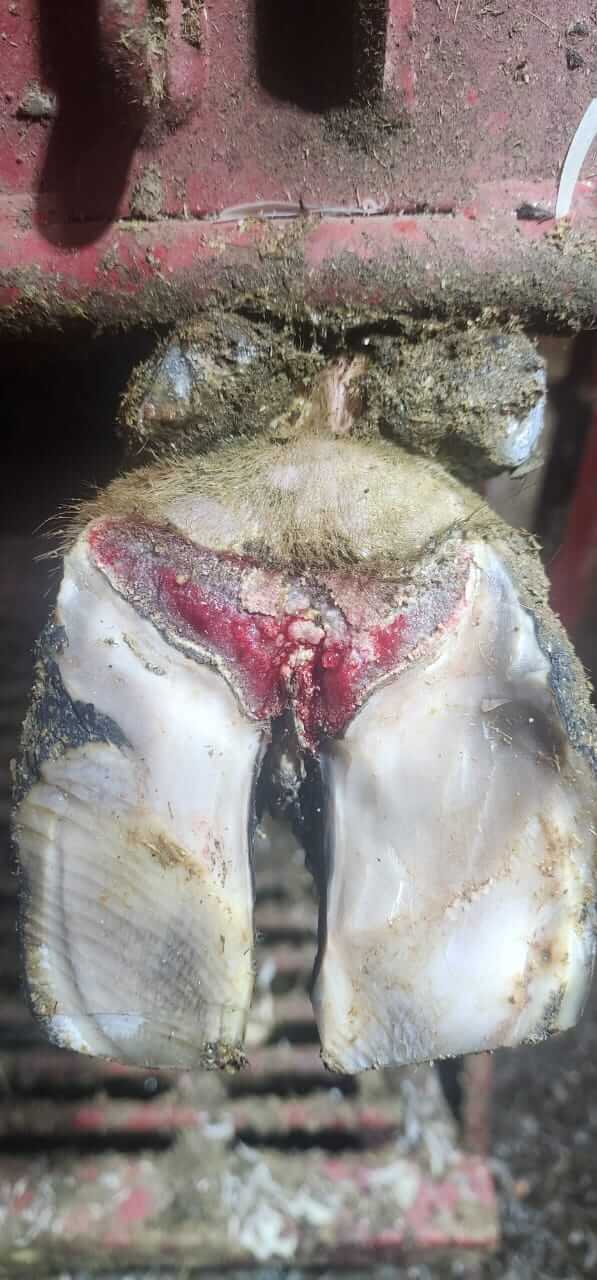
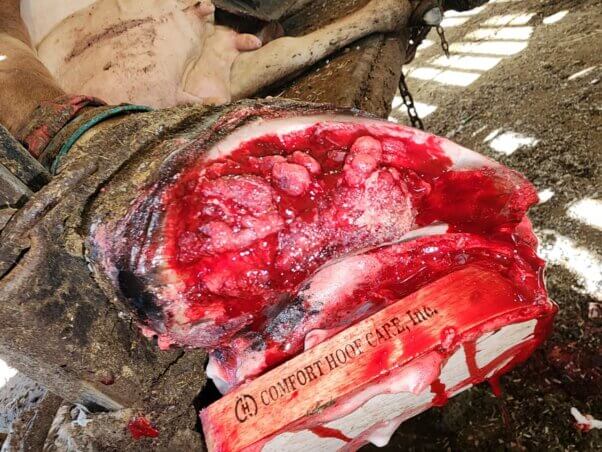
The evidence presented portrays a harrowing environment for the livestock. Among the most striking images are those of cows with hooves described as "rotten" and "dripping blood." In the dairy industry, hoof health is a primary indicator of animal welfare, yet the whistleblower’s account suggests that at B&D Dairy, lesions were left to worsen for months without adequate veterinary intervention. The documentation further highlights instances of "lame" cows attempting to navigate the facility on curled, overgrown hooves, a condition that occurs when the natural wear of the hoof is not managed through regular trimming or when the animal is unable to move naturally.
The Physical Toll of Concrete Confinement
A central component of the allegations involves the use of hard concrete flooring as a permanent living surface for the herd. In industrial dairy operations, concrete is often favored for its ease of cleaning and durability; however, veterinary science has long established the detrimental effects of long-term concrete exposure on bovine physiology. Cows are heavy animals, and their skeletal systems are designed for soft, yielding earth. Constant standing and walking on concrete leads to a condition known as lameness, which is not merely a localized foot issue but a systemic cause of pain and metabolic stress.
The whistleblower alleges that the cows at B&D Dairy are permanently confined in giant sheds, never gaining access to pasture. This lack of movement, combined with the hard flooring, accelerates the development of digital dermatitis and other infectious hoof diseases. When cattle are forced to stand in their own waste—a common occurrence in high-density confinement sheds—the ammonia and moisture soften the hoof horn, making it susceptible to bacteria that cause the "rotting" documented in the whistleblower’s footage.
Detailed Breakdown of the Whistleblower Allegations
The report provided to PETA outlines several specific areas of concern that go beyond general mismanagement, suggesting a failure to meet basic industry standards for animal care. The whistleblower’s primary claims include:
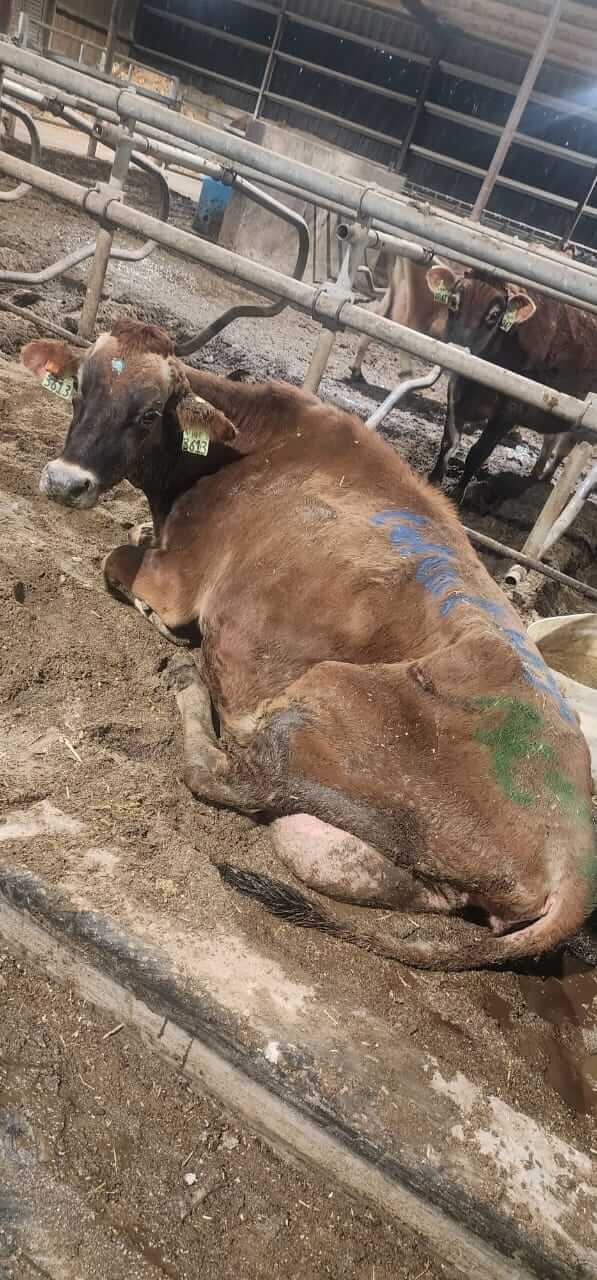
- Chronic Hoof Pathologies: Cows were observed with deep, open lesions that appeared to have been active for several months. In some cases, the hooves were so severely overgrown that they curled upward, fundamentally altering the animal’s gait and causing visible distress.
- Untreated Injuries: The footage shows cattle with bloody, infected hooves. The whistleblower claims that despite the visible nature of these injuries, the animals continued to be milked and were not moved to a recovery area or provided with corrective surgery or antibiotics.
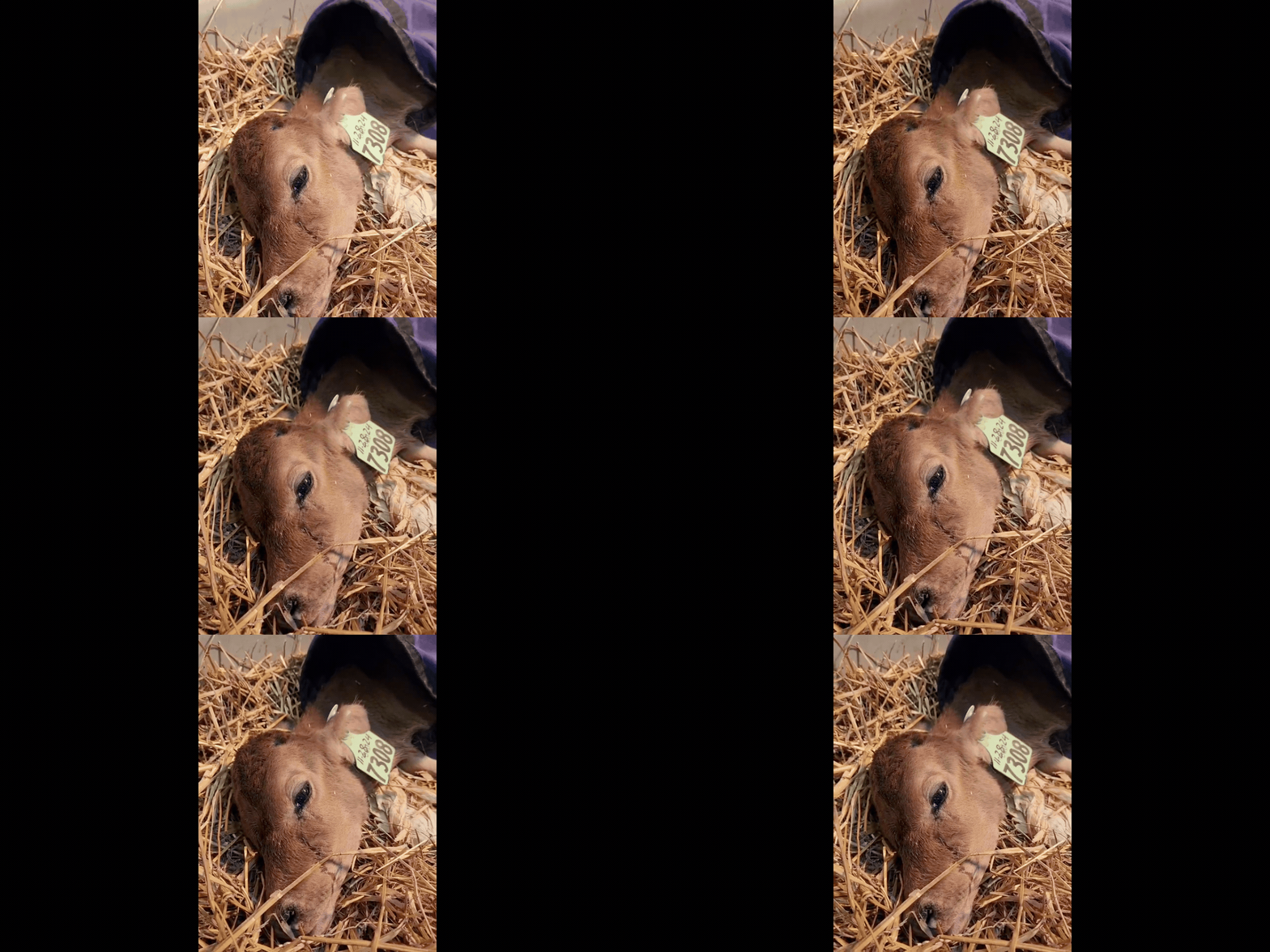
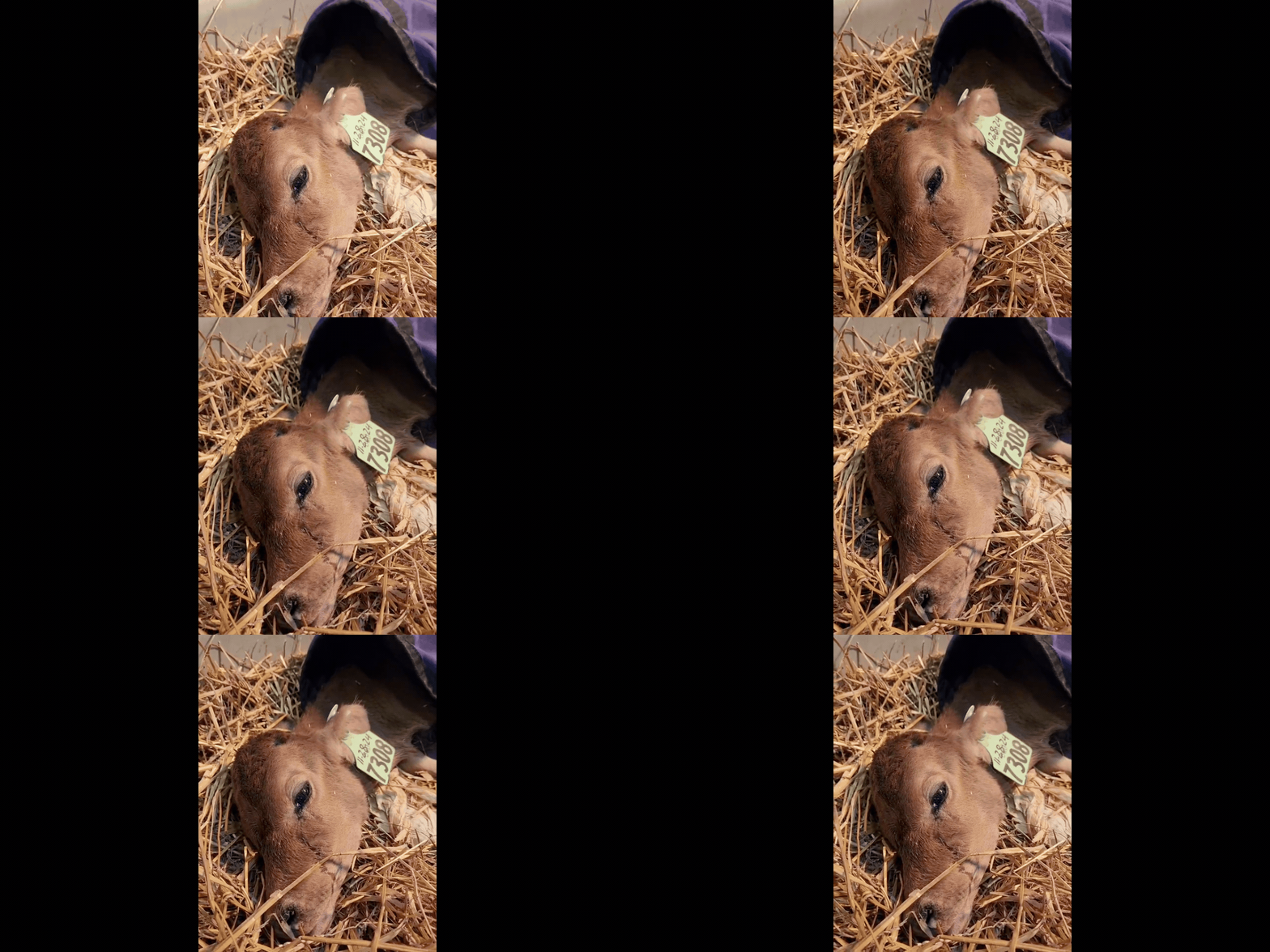
- Calf Mortality and Care: Beyond the adult herd, the whistleblower documented issues within the calf rearing area. One particularly distressing video clip shows a struggling calf in a state of terminal decline, raising questions about the frequency of veterinary rounds and the protocols for neonatal care.
- Permanent Confinement: The report alleges that the animals have no access to the outdoors, fresh air, or natural bedding, spending 24 hours a day on concrete.
Contextualizing the Iowa Dairy Industry
Iowa is a significant player in the United States agricultural landscape, traditionally known for corn and hog production, but its dairy sector is also substantial. As of 2024, Iowa ranks among the top 12 states in the nation for milk production, housing hundreds of thousands of dairy cows. The shift from smaller, pasture-based family farms to large-scale Concentrated Animal Feeding Operations (CAFOs) has been a point of contention for decades.
In facilities like the one described in Holstein, the emphasis is often on maximizing output. Modern dairy cows are biologically pressured to produce significantly more milk than their ancestors, a process that requires high-calorie diets and intensive management. When management fails, the biological "burnout" of the cow occurs rapidly. Industry data suggests that while a cow’s natural lifespan can exceed 20 years, the average dairy cow in a commercial setting is often sent to slaughter by age five or six, usually due to infertility or lameness—the very issues documented at B&D Dairy.
Regulatory Framework and Industry Standards
The allegations at B&D Dairy raise questions about the efficacy of current oversight. In the United States, the Animal Welfare Act (AWA) provides certain protections for animals, but it notably excludes most livestock species used for food and fiber. Instead, the welfare of dairy cows is largely governed by state-level anti-cruelty laws and industry-led programs like the National Dairy Farmers Assuring Responsible Management (FARM) Program.
The FARM Program sets standards for animal care, including hoof health and hygiene. However, participation is often voluntary or mandated by milk processors rather than by law. Critics argue that because these programs are industry-managed, they lack the rigor of independent government inspections. In Iowa, agricultural "whistleblower" activities have also been a subject of intense legal debate. The state has previously attempted to pass "ag-gag" laws, which aim to criminalize the undercover filming of agricultural operations. While various versions of these laws have been challenged and struck down in federal courts on First Amendment grounds, they highlight the tension between industry privacy and public transparency.
Responses and Broader Implications
As of the latest updates in June 2026, B&D Dairy has not issued a formal public rebuttal to the specific images released, though dairy industry advocates generally maintain that such footage is often "cherry-picked" to represent the worst-case scenarios rather than the daily reality of farm management. However, animal welfare experts note that the conditions documented—particularly the hoof rot and chronic lameness—are physiological realities that cannot be easily dismissed as anomalies when they appear in a systemic fashion.
The release of this documentation is expected to fuel the ongoing debate regarding the ethics of dairy consumption. Market analysts have noted a steady increase in the consumption of plant-based milk alternatives, such as oat, almond, and soy milk, which now account for a significant portion of the "dairy" aisle. Reports of animal neglect are frequently cited by consumers as a primary motivator for shifting toward vegan diets.
The Economic and Social Impact of Industrial Dairying
The plight of the dairy cow is often tied to the economics of the milk market. With fluctuating milk prices and high overhead costs for feed and labor, some operations may cut corners on "non-essential" costs like frequent hoof trimming or bedding materials. However, many animal scientists argue that this is a false economy. A lame cow produces less milk, is harder to breed, and is more likely to die prematurely, representing a net loss to the farmer.
Furthermore, the social implications of these reports are profound. The dairy industry often utilizes marketing imagery of cows on green pastures to appeal to consumer sentiments. When whistleblower footage reveals a reality of concrete sheds and bloody hooves, it creates a "transparency gap" that can damage the reputation of the industry as a whole.
Conclusion and Future Outlook
The situation at B&D Dairy in Holstein, Iowa, serves as a focal point for a much larger discussion about the limits of industrial agriculture. As PETA calls for investigations and encourages consumers to move away from dairy products entirely, the agricultural sector faces increasing pressure to adopt more transparent and humane practices.
Whether the documentation provided by the whistleblower will lead to legal action or a change in Iowa’s regulatory approach remains to be seen. What is clear, however, is that the images of suffering at B&D Dairy have once again brought the hidden world of factory farming into the public eye, challenging the standards of what is considered "standard practice" in the production of milk. For the cows currently residing in the sheds of Holstein, the hope is that this exposure leads to immediate improvements in veterinary care and a shift away from the permanent concrete confinement that has defined their lives.

