


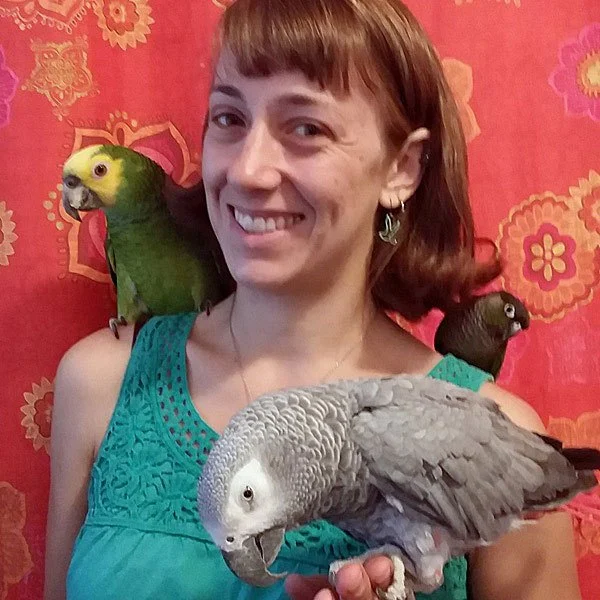
The highly anticipated second installment of the "Avian Vet Insider – Avian Neoplasia" webinar series, featuring renowned avian veterinarian Dr. Stephanie Lamb, is scheduled for Friday, May 8th, 2026, at 12:00 p.m. PST. This session aims to complete a comprehensive exploration of neoplastic disorders affecting avian species, with a particular focus on conditions impacting the gastrointestinal tract and other critical internal organ systems. Following the foundational discussions on skin cancers and reproductive tract tumors in Part 1, this concluding webinar promises to equip veterinary professionals and dedicated bird owners with deeper insights into diagnosing, managing, and understanding the complex landscape of avian oncology.
The "Avian Vet Insider" series, known for its commitment to advancing avian veterinary knowledge, serves as a vital platform for disseminating specialized information to a global audience. The focus on avian neoplasia underscores its growing prevalence and the diagnostic and therapeutic challenges it presents within veterinary medicine. Participants are encouraged to utilize a reliable time zone converter to ensure timely attendance for this crucial educational event.
The Evolving Landscape of Avian Oncology: A Critical Need for Education
Cancer, or neoplasia, is a significant health concern across the animal kingdom, and birds are no exception. While historically perhaps underdiagnosed or less publicized than in companion mammals, avian neoplasia is increasingly recognized as a common and often devastating condition in pet birds. The diverse physiology and wide range of species kept as pets mean that the manifestation, progression, and treatment of cancer can vary dramatically. This complexity necessitates specialized knowledge, which educational initiatives like the "Avian Vet Insider" series aim to provide.
Dr. Stephanie Lamb, a respected figure in avian medicine, brings a wealth of clinical experience and research insight to this topic. Her presentations are designed not only to inform but also to empower attendees with practical knowledge that can be directly applied in clinical settings or in the proactive care of pet birds. The two-part structure of this webinar series reflects the extensive nature of avian neoplasia, ensuring that various systems and cancer types receive adequate attention.
Deep Dive into Gastrointestinal and Systemic Cancers (Part 2 Focus)
The upcoming webinar, Part 2 of the series, will delve into neoplastic disorders affecting systems beyond the integumentary and reproductive tracts. A primary focus will be on the gastrointestinal (GI) tract, a common site for various tumors in birds. Cancers of the GI tract can present with a myriad of non-specific clinical signs, including weight loss, regurgitation, changes in droppings, anorexia, and lethargy, making early diagnosis particularly challenging. Tumors can arise in any part of the GI system, from the oral cavity and esophagus to the crop, proventriculus, ventriculus, and intestines. Lymphoma, adenocarcinoma, and squamous cell carcinoma are among the types frequently encountered in these areas.
Beyond the GI tract, Dr. Lamb is expected to cover other vital organ systems that can be affected by neoplasia. These may include, but are not limited to:
- Hepatic Neoplasia: Liver tumors are relatively common in birds, often presenting with ascites, jaundice, or non-specific signs of illness. Hepatocellular carcinoma and cholangiocarcinoma are frequently diagnosed.
- Renal Neoplasia: Kidney tumors can lead to lameness if they compress the sciatic nerve, polyuria/polydipsia, or signs of renal failure. Renal adenocarcinomas are a common form.
- Splenic and Lymphatic Neoplasia: Lymphoma, a cancer of the lymphatic system, can affect multiple organs including the spleen, liver, and bone marrow, leading to systemic illness.
- Endocrine Neoplasia: Tumors of the pituitary, thyroid, or adrenal glands, while rarer, can cause significant systemic effects due to hormonal imbalances. For instance, pituitary adenomas can cause neurological signs.
- Skeletal Neoplasia: Osteosarcomas and chondrosarcomas can affect bones, leading to lameness, swelling, and pain.
- Central Nervous System Neoplasia: Brain or spinal cord tumors can result in ataxia, seizures, paresis, or other neurological deficits.
Understanding the specific presentation, diagnostic approaches, and potential treatment modalities for these varied cancers is crucial for improving outcomes for avian patients.
Chronology of Knowledge Dissemination and Series Impact
The "Avian Vet Insider" series, presumably organized by an entity committed to avian health education (such as Lafeber Company, given the source domain), represents a continuous effort to provide timely and relevant information to the veterinary community. While the exact date of Part 1 is not specified in the provided context, its occurrence prior to May 8th, 2026, established the foundational knowledge necessary for Part 2. This structured approach allows for a logical progression of complex topics, ensuring that participants build their understanding systematically.
The choice of May 8th, 2026, for the conclusion of this series highlights the ongoing commitment to regular educational programming. Such events are vital in an era where veterinary medicine, particularly specialized fields like avian practice, is continually evolving with new research, diagnostic tools, and therapeutic options. The timeline of these webinars reflects a proactive strategy to keep professionals abreast of the latest developments, ultimately benefiting the health and welfare of pet birds.

Supporting Data: The Prevalence and Challenges of Avian Cancer
Quantifying the exact prevalence of cancer in all avian species is challenging due to the vast diversity, varying lifespans, and differences in veterinary care access. However, clinical observations and pathology reports indicate that cancer is a significant cause of morbidity and mortality in pet birds, particularly as they age. Certain species appear predisposed to specific types of tumors. For example:
- Budgerigars (Melopsittacus undulatus): Highly susceptible to renal adenocarcinomas, lipomas, and various reproductive tract tumors.
- Cockatiels (Nymphicus hollandicus): Often develop lipomas and reproductive tract issues.
- African Grey Parrots (Psittacus erithacus): Prone to respiratory tract tumors and certain types of lymphomas.
- Amazon Parrots (Amazona species): Can develop squamous cell carcinomas, particularly around the head and neck, and various internal organ tumors.
The diagnostic journey for avian cancer can be arduous. Unlike mammals, birds often mask signs of illness until the disease is advanced. Furthermore, their small size and unique anatomy can make obtaining diagnostic samples (e.g., biopsies) technically challenging. Advanced imaging techniques such as radiography, ultrasonography, endoscopy, CT scans, and MRI are increasingly utilized, but their availability and cost can be limiting factors. Cytology and histopathology remain the gold standards for definitive diagnosis.
Treatment options for avian neoplasia mirror those in mammals to some extent, including surgical excision, chemotherapy, radiation therapy, and palliative care. However, drug dosages, metabolic differences, and patient tolerance require careful consideration and specialized expertise. The goal is often to extend a good quality of life rather than achieve a complete cure, especially in advanced cases.
Official Responses and the Imperative of Continuing Education
While direct "statements or reactions from related parties" are not provided in the original snippet, the very existence of such a webinar series implies a strong endorsement from the organizers and the broader avian veterinary community. Organizations dedicated to avian health, such as the Association of Avian Veterinarians (AAV) and other professional bodies, consistently emphasize the critical role of continuing education (CE).
It can be logically inferred that the organizers of the "Avian Vet Insider" series, likely an entity like Lafeber Company (a prominent name in avian nutrition and health), are driven by a mission to elevate the standard of avian veterinary care. A representative might state, "Our ‘Avian Vet Insider’ series is meticulously designed to address the most pressing challenges in avian medicine. Neoplasia represents one of the most complex and heartbreaking conditions we encounter, and providing veterinarians with the latest knowledge and practical strategies is paramount to improving outcomes for our feathered companions."
Similarly, leading avian veterinarians would undoubtedly echo the sentiment regarding the importance of such educational forums. Dr. Lamb herself, by dedicating her time and expertise to this topic, implicitly underscores its significance. She would likely emphasize, "Awareness and early detection are key. While a cancer diagnosis can be difficult, understanding the disease process and available management strategies allows us to provide the best possible care, improving both the quantity and quality of life for our avian patients. This webinar aims to empower practitioners with that critical understanding."
Broader Impact and Implications for Avian Welfare
The implications of webinars like "Avian Vet Insider – Avian Neoplasia, Part 2" extend far beyond the immediate attendees. They contribute to several crucial areas:
- Enhanced Patient Care: Better-informed veterinarians are better equipped to diagnose avian cancers earlier, differentiate them from other conditions, and formulate more effective treatment plans, leading to improved prognoses and quality of life for pet birds.
- Increased Owner Awareness: As veterinarians become more knowledgeable, they can better educate bird owners about potential risks, early warning signs, and the importance of regular veterinary check-ups. This proactive approach is vital for early detection.
- Advancement of Avian Medicine: By sharing clinical experiences and the latest research, these webinars foster a collective growth in the field of avian oncology. They can spark further research, refine diagnostic protocols, and lead to the development of novel therapeutic approaches.
- Comparative Oncology Insights: Studying cancer in diverse species like birds can offer valuable insights into fundamental biological processes of tumorigenesis that may have broader implications for human and other animal cancers. Birds, with their unique physiology and evolutionary history, present interesting models for comparative oncology research.
- Accessibility of Specialized Knowledge: Online platforms dismantle geographical barriers, making highly specialized knowledge accessible to veterinarians in remote areas or those who might not have the resources to attend in-person conferences. This democratization of information is crucial for global improvements in animal welfare.
The ultimate goal of such educational endeavors is to elevate the standard of care for all avian species, ensuring that pet birds receive the same level of sophisticated medical attention as their mammalian counterparts. The webinar series on avian neoplasia is a testament to the ongoing dedication within the avian veterinary community to confront complex diseases head-on through continuous learning and shared expertise.
As the date approaches, avian veterinarians and dedicated bird enthusiasts are encouraged to mark their calendars for Friday, May 8th, 2026, at 12:00 p.m. PST, and to register for "Avian Vet Insider – Avian Neoplasia, Part 2." This concluding session promises to be an indispensable resource for anyone committed to the health and well-being of avian companions, bringing a critical and often challenging topic into sharper focus for better understanding and management.

