


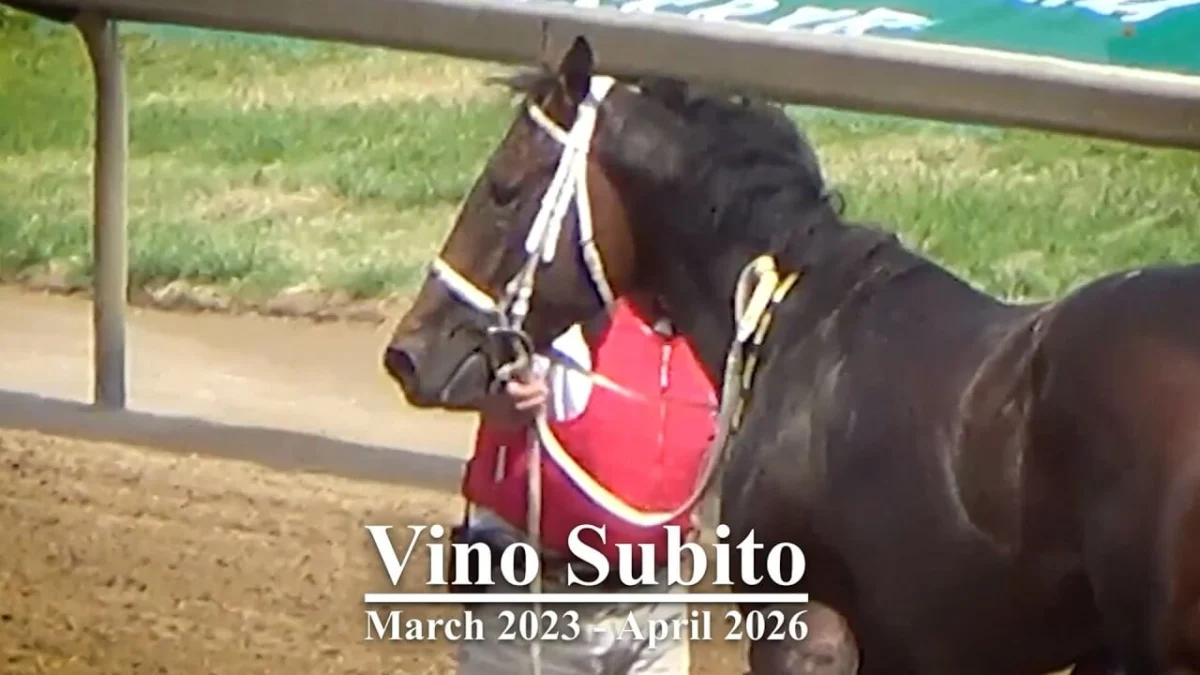
The prestigious Churchill Downs racetrack has come under intense scrutiny following allegations that it intentionally withheld information regarding the death of a three-year-old colt, Vino Subito, during the high-profile lead-up to the Kentucky Derby. The incident, which occurred during the final days of April 2026, has reignited a fierce debate over transparency, equine welfare, and the ethical responsibilities of the horse racing industry’s most prominent institutions. According to reports and investigative footage, the horse suffered a catastrophic injury during a race, but his subsequent euthanasia was not publicly disclosed by the track officials for several days, leading to accusations that the organization prioritized its brand image and the financial success of Derby week over public accountability.
The Incident: The Final Race of Vino Subito
On April 28, 2026, during the seventh race at Churchill Downs, the three-year-old colt Vino Subito was competing in what would become his final appearance on the track. Mid-race, the horse suffered a severe leg injury, described by witnesses and veterinary observers as catastrophic. The immediate aftermath saw emergency track personnel and specialized equine veterinarians rush to the scene. The horse was stabilized and loaded into an equine ambulance, a standard procedure intended to transport injured animals to onsite or nearby medical facilities for further evaluation.
While the injury was visible to those in attendance and captured by investigators from People for the Ethical Treatment of Animals (PETA), the ultimate fate of the colt remained unknown to the general public for nearly 48 hours. PETA, which had investigators on the ground recording the incident, immediately reached out to Churchill Downs management for updates on the horse’s condition. It was later revealed that Vino Subito was euthanized on April 30, two days after the injury, yet the track did not issue a public announcement regarding the death at that time.
The timing of the incident is particularly significant. April 30 fell in the heart of "Derby Week," the most lucrative and high-traffic period for Churchill Downs. With global media attention focused on the upcoming Kentucky Derby, critics argue that the silence surrounding Vino Subito’s death was a calculated move to avoid negative publicity during the industry’s premier marketing window.
Chronology of a Growing Crisis
To understand the gravity of the allegations against Churchill Downs, one must look at the timeline of events surrounding the spring 2026 meet and the historical context of the preceding years.
- April 2025 – August 2025: Initial reports indicated five equine fatalities at Churchill Downs or its training facilities. However, subsequent investigations by advocacy groups and internal audits revealed that the actual number was 13 by August.
- December 2025: By the end of the calendar year, the confirmed death toll at Churchill Downs-affiliated tracks rose to 19 fatalities, a figure that raised alarms among regulators and the public alike.
- Late April 2026: Just days before Vino Subito’s injury, another high-profile horse, the four-year-old Gosger—a graded-stakes winner and runner-up in the 2025 Preakness Stakes—suffered a career-ending trauma during training. While Gosger survived, the injury intensified the spotlight on track safety.
- April 28, 2026: Vino Subito breaks down during Race 7.
- April 30, 2026: Vino Subito is euthanized. No public statement is issued by Churchill Downs.
- May 2026: Following the Kentucky Derby, details of the euthanasia surface via investigative reports, leading to formal demands for policy changes.
Data and Historical Patterns of Equine Fatalities
The controversy surrounding Vino Subito is not an isolated event but rather part of a documented pattern that has plagued Churchill Downs in recent years. In 2023, the track was forced to suspend racing operations entirely after 12 horses died in the weeks surrounding the Kentucky Derby. That crisis led to a temporary relocation of the meet to Ellis Park and sparked a federal investigation into track conditions and medication protocols.
Despite the implementation of new safety measures under the Horseracing Integrity and Safety Authority (HISA), the fatality rates have remained a point of contention. The 19 deaths recorded in 2025 suggest that despite technological advancements and increased oversight, the inherent risks of high-speed racing on dirt tracks continue to claim lives.
The discrepancy between "publicly available information" and the actual number of fatalities is a central pillar of the current outcry. Transparency in horse racing is often decentralized, with different states and tracks following varying disclosure requirements. PETA’s investigation into the 2025 numbers highlighted a gap in reporting that allowed the track to maintain a cleaner public record than the reality of the backstretch suggested.
Institutional Response and Demands for Reform
In response to the perceived concealment of Vino Subito’s death, PETA sent a formal letter to Churchill Downs CEO Bill Carstanjen. The organization is demanding the immediate adoption of a "full disclosure" policy. This proposed policy would require Churchill Downs and its associated training tracks to publicly report every serious injury and fatality within 24 hours of the occurrence.
The advocacy group’s argument centers on the idea that "hiding the truth is not a business plan." They contend that if the sport is to maintain any level of social license, it must be honest about its costs—including the lives of the animals involved. The letter also emphasized the emotional and social complexity of the horses, noting that Vino Subito was an individual with a unique temperament, and his death should not be treated as a mere "line item" to be buried in financial or operational reports.
Churchill Downs Incorporated (CDI) has historically defended its safety record, pointing to significant investments in track surface monitoring, veterinary staffing, and compliance with HISA regulations. However, the organization has yet to implement the specific, immediate-disclosure mandate requested by animal welfare advocates.
The Expansion of Churchill Downs and National Implications
The stakes of this controversy extend far beyond the borders of Kentucky. Churchill Downs Incorporated recently announced a landmark deal to acquire the intellectual property rights to the Preakness Stakes and the Black-Eyed Susan Stakes, two of Maryland’s most prestigious races. This move effectively gives CDI a dominant hand in the management of the Triple Crown series.
With this expansion comes the fear among activists that the "culture of silence" alleged at Churchill Downs will be exported to other racing jurisdictions. Maryland has its own history of equine safety challenges, and the transition of management to a company currently facing allegations of non-transparency has created anxiety among local stakeholders. PETA has specifically called for assurances that the management of the Preakness Stakes will adhere to higher standards of public reporting than what was observed during the 2026 Derby week.
Analysis: The Conflict Between Brand Protection and Safety
The situation at Churchill Downs illustrates a fundamental tension in modern professional sports: the conflict between corporate brand protection and ethical transparency. For an institution like Churchill Downs, the Kentucky Derby is not just a race; it is a multi-million dollar global event that drives tourism, gambling revenue, and broadcasting deals. Any news of a horse death during this week is a potential PR disaster that could alienate casual viewers and sponsors.
From a journalistic and analytical perspective, the delay in reporting Vino Subito’s death can be viewed as an attempt to manage the "news cycle." By waiting until after the Derby festivities had concluded to allow the information to surface, the track minimized the risk of the story overshadowing the "Run for the Roses." However, this strategy often backfires in the digital age, where independent investigators and social media can bring facts to light, ultimately causing more damage to the institution’s credibility than a timely, honest admission would have.
Furthermore, the focus on "catastrophic injuries" highlights the ongoing debate over track surfaces. While Churchill Downs has invested in "HISA-compliant" surfaces, the frequency of injuries during high-intensity racing periods suggests that factors such as weather, moisture content, and the sheer volume of races may still play a role in equine breakdowns.
The Path Forward for Equine Safety
The death of Vino Subito and the subsequent allegations of a cover-up serve as a reminder of the fragility of the horse racing industry’s reputation. As public sentiment continues to shift toward a greater emphasis on animal welfare, the demand for transparency is likely to grow.
Industry experts suggest that the only way to mitigate these controversies is through a unified, national database of injuries and fatalities that is accessible to the public in real-time. While HISA has made strides in collecting this data, the delay in public dissemination remains a hurdle. For Churchill Downs, the path forward involves a choice: continue with a traditional corporate communication strategy that manages "bad news" through timing, or embrace a radical transparency that acknowledges the risks of the sport while demonstrating a genuine commitment to reform.
As the racing world looks toward the next season, the shadow of Vino Subito and the 19 horses lost in 2025 will continue to loom over the twin spires. The call for "immediate, complete public disclosure" is no longer just a request from an advocacy group; it is becoming a requirement for the sport’s survival in an increasingly scrutinized landscape. For now, the public is left to weigh the spectacle of the Triple Crown against the silent toll of the athletes who make it possible.

