


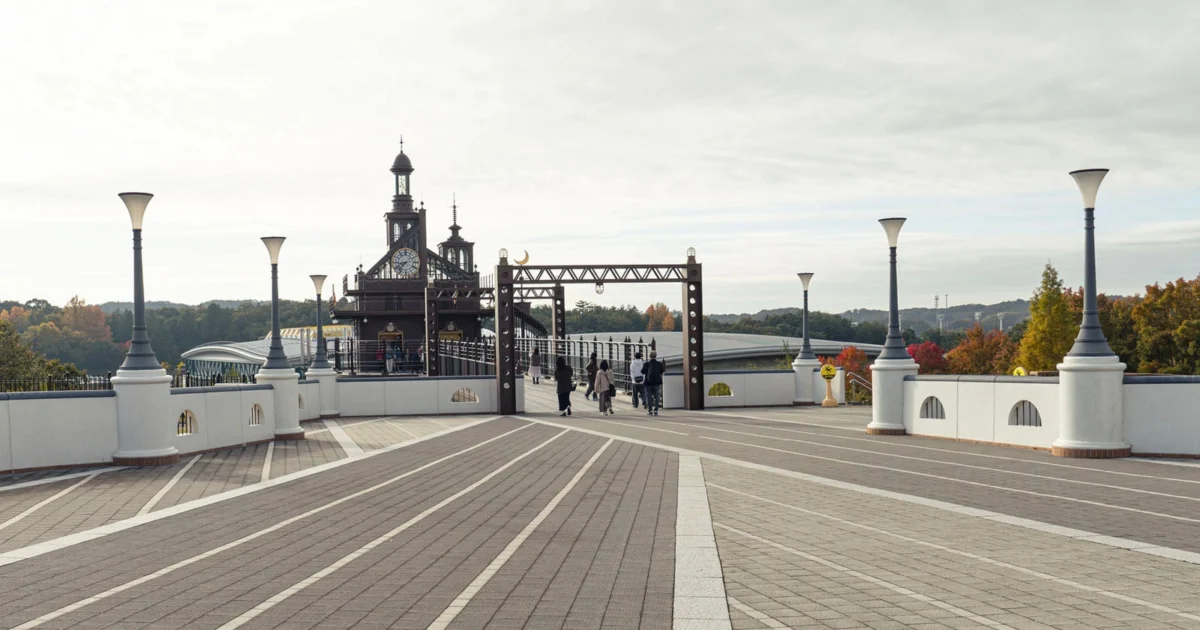
Ghibli Park, the sprawling tribute to the animated masterpieces of Studio Ghibli located in Nagakute, Japan, has reinforced a stringent policy prohibiting photography and videography within its indoor exhibits, marking a significant shift in how modern theme parks manage visitor behavior. While Japan is globally recognized as a cornerstone of the photography industry—home to giants like Canon, Nikon, and Sony—the nation’s tourism sector is increasingly grappling with the logistical and cultural challenges posed by the "Instagram era." The ban at Ghibli Park, specifically targeting the highly detailed indoor environments of Ghibli’s Grand Warehouse and other key pavilions, aims to mitigate the disruptive effects of overtourism, ensure the smooth flow of foot traffic, and preserve a sense of discovery for future visitors.
The decision comes at a time when Japan is experiencing a record-breaking surge in international tourism. According to data from the Japan National Tourism Organization (JNTO), visitor arrivals have surged back to pre-pandemic levels, with millions of travelers descending upon cultural landmarks and entertainment hubs. At Ghibli Park, which opened its doors in November 2022, the demand for tickets remains exceptionally high, often selling out months in advance. However, the park’s unique design—which prioritizes intricate, small-scale craftsmanship over high-capacity thrill rides—makes it particularly vulnerable to the bottlenecks caused by visitors pausing to capture the perfect social media post.
The Scope of the Prohibition
The photography restrictions are most strictly enforced within the park’s indoor "areas," most notably Ghibli’s Grand Warehouse. This facility serves as the park’s central hub, housing a variety of exhibitions, a cinema, and a children’s playroom. Inside, visitors find life-sized recreations of iconic scenes from films such as Spirited Away, My Neighbor Totoro, and Laputa: Castle in the Sky. While these meticulously crafted sets are designed to be immersive, the park’s management has determined that allowing unrestricted photography would lead to unsustainable congestion.
According to Ghibli Park’s official guidelines and reports from local observers, the ban primarily covers the interior of buildings. Outdoor areas, such as the pathways leading to the Great Ghibli Warehouse, the Hill of Youth, and the Dondoko Forest, generally allow photography, provided it does not interfere with the movement of others. The distinction is a practical one: outdoor spaces can accommodate large groups, whereas the indoor exhibitions are characterized by narrow corridors and delicate displays that require constant movement to maintain a pleasant environment for all ticket holders.
Preserving the Sanctity of the Ghibli World
Beyond the logistical necessity of crowd control, there is a philosophical undercurrent to the ban that aligns with the values of Studio Ghibli’s co-founder, Hayao Miyazaki. Throughout his career, Miyazaki has frequently expressed a preference for hand-drawn artistry and a skepticism toward the digital distractions of the modern age. The ban encourages what park representatives describe as a "mindful" experience. By removing the lens from the equation, visitors are compelled to engage with the textures, sounds, and subtle details of the exhibits using their own senses rather than through a smartphone screen.
Saya Togashi, a correspondent for Sora News 24, recently highlighted that the absence of cameras creates a more relaxed and focused atmosphere. In a world where every tourist attraction is hyper-documented and shared in real-time, Ghibli Park offers a rare "spoiler-free" environment. Because visitors are unable to flood social media with high-resolution photos of every corner of the indoor exhibits, the sense of wonder and mystery is preserved for those who have yet to visit. This creates a unique value proposition for the park: an experience that can only be truly understood by being physically present.
A Strategic Response to Overtourism
The photography ban at Ghibli Park is not an isolated incident but rather part of a broader trend across Japan as the country navigates the complexities of overtourism. In recent years, several high-profile locations have been forced to implement similar or even more drastic measures to manage tourist behavior.
In the historic Gion district of Kyoto, local authorities recently banned tourists from entering private alleys following reports of "paparazzi-like" behavior toward geishas. Similarly, the town of Fujikawaguchiko made international headlines by installing a large black mesh barrier to block a popular view of Mount Fuji behind a Lawson convenience store, an area that had become dangerously overcrowded with photographers.
A recent incident at the Ichikawa City Zoo further underscores the growing tension. Following a viral trend involving a resident primate known as "Punch the Monkey," the zoo reported instances of unruly behavior, including two tourists who allegedly entered a restricted area while dressed in costumes to film content. Such events have forced Japanese institutions to reconsider their "open-door" policies regarding digital media, prioritizing the safety of animals and the integrity of the visitor experience over the promotional benefits of social media exposure.
Chronology of Ghibli Park’s Development
The evolution of Ghibli Park provides context for its current operational policies. Unlike traditional theme parks, Ghibli Park was conceived as a sustainable integration into the existing Aichi Earth Expo Memorial Park.
- May 2017: The Aichi Prefectural Government and Studio Ghibli officially announce plans to build the park, emphasizing a "nature-first" approach that avoids cutting down trees or damaging the existing landscape.
- November 1, 2022: The park officially opens its first three areas: Ghibli’s Grand Warehouse, the Hill of Youth, and Dondoko Forest.
- November 2023: The "Mononoke Village" area opens, inspired by the film Princess Mononoke, introducing more interactive, outdoor-focused elements.
- March 16, 2024: The final major area, "Valley of Witches," opens to the public. This expansion includes attractions based on Kiki’s Delivery Service and Howl’s Moving Castle, significantly increasing the park’s total footprint.
- May 2024: Reports surface regarding the tightening of photography bans as the park reaches full operational capacity with all five themed areas open.
Economic and Cultural Implications
The decision to limit photography carries economic implications. In the short term, some might argue that a lack of "Instagrammability" could reduce the park’s reach. However, the prestige of the Studio Ghibli brand is such that it does not require viral marketing to sustain demand. Instead, the "exclusivity" of the experience—the fact that you cannot see it all on your phone—serves as a powerful draw.
From a management perspective, the ban reduces the need for additional security and floor staff who would otherwise be required to break up "photo shoots" or manage lines at popular photo spots. By standardizing a "no-photo" rule in high-traffic areas, the park optimizes its throughput, allowing more visitors to pass through the exhibits each day without compromising the quality of the visit. This is crucial for a park that operates on a pre-booked ticket system with strict entry windows.
Official Responses and Public Sentiment
While Ghibli Park’s management has remained firm, the public response has been a mix of disappointment and appreciation. On travel forums and social media, some international tourists have expressed frustration, noting that they traveled long distances and paid for tickets specifically to document their memories. However, a significant portion of the domestic Japanese audience has praised the move. Many visitors have noted that the lack of tripods, selfie sticks, and people posing for minutes at a time makes for a significantly more peaceful experience.
In an official statement regarding park etiquette, Ghibli Park notes: "To ensure that all visitors can enjoy the atmosphere and the world of the works, we ask for your cooperation in following the rules regarding photography. Please use your own eyes to take in the scenery and create lasting memories."
Conclusion: The Future of the "Phone-Free" Experience
Ghibli Park’s photography ban may serve as a blueprint for other cultural and entertainment venues worldwide. As the digital saturation of the travel industry reaches a tipping point, there is a growing market for "analog" experiences that prioritize presence over documentation. By enforcing these rules, Ghibli Park protects the artistic integrity of its exhibits and ensures that the "magic" of Studio Ghibli remains a personal, lived experience rather than just another image in a digital feed.
As Japan continues to refine its tourism strategy, the balance between welcoming the world and protecting its own cultural assets will remain a delicate one. For now, Ghibli Park stands as a testament to the idea that some things are best captured by the heart and mind, rather than a camera lens. For the thousands of fans who flock to Nagoya each month, the message is clear: put the phone away, look around, and let the world of Miyazaki speak for itself.

