


Thinking about adding a nanday conure to your family involves a significant commitment to understanding this vibrant South American parrot, renowned for its friendly disposition but infamous for its profound vocalizations. These intelligent and playful birds, while capable of forming deep bonds with their human companions, demand a very high tolerance for noise and a dedicated approach to their complex needs. This article provides a detailed exploration of the nanday conure, covering its scientific classification, physical characteristics, natural habitat, dietary requirements, housing, enrichment, temperament, and the critical consideration of its noise level, offering a complete profile for prospective owners.
Scientific Classification and Physical Characteristics
The nanday conure is known by several common names, including the black-hooded conure, a descriptive moniker derived from its most striking feature. Scientifically, it is classified as Aratinga nenday, a designation that reflects a significant taxonomic revision. Formerly placed in its own genus, Nandayus nenday, a comprehensive study published in 2004 by Ribas and Miyaki, utilizing molecular phylogenetics, concluded that the species did not warrant a separate genus. Instead, it was reclassified into Aratinga, aligning it with closely related species such as the sun conure (Aratinga solstitialis) and the jenday conure (Aratinga jandaya). This reclassification highlights a deeper evolutionary connection among these vibrant South American parrots, sharing similar ecological niches and behavioral traits.
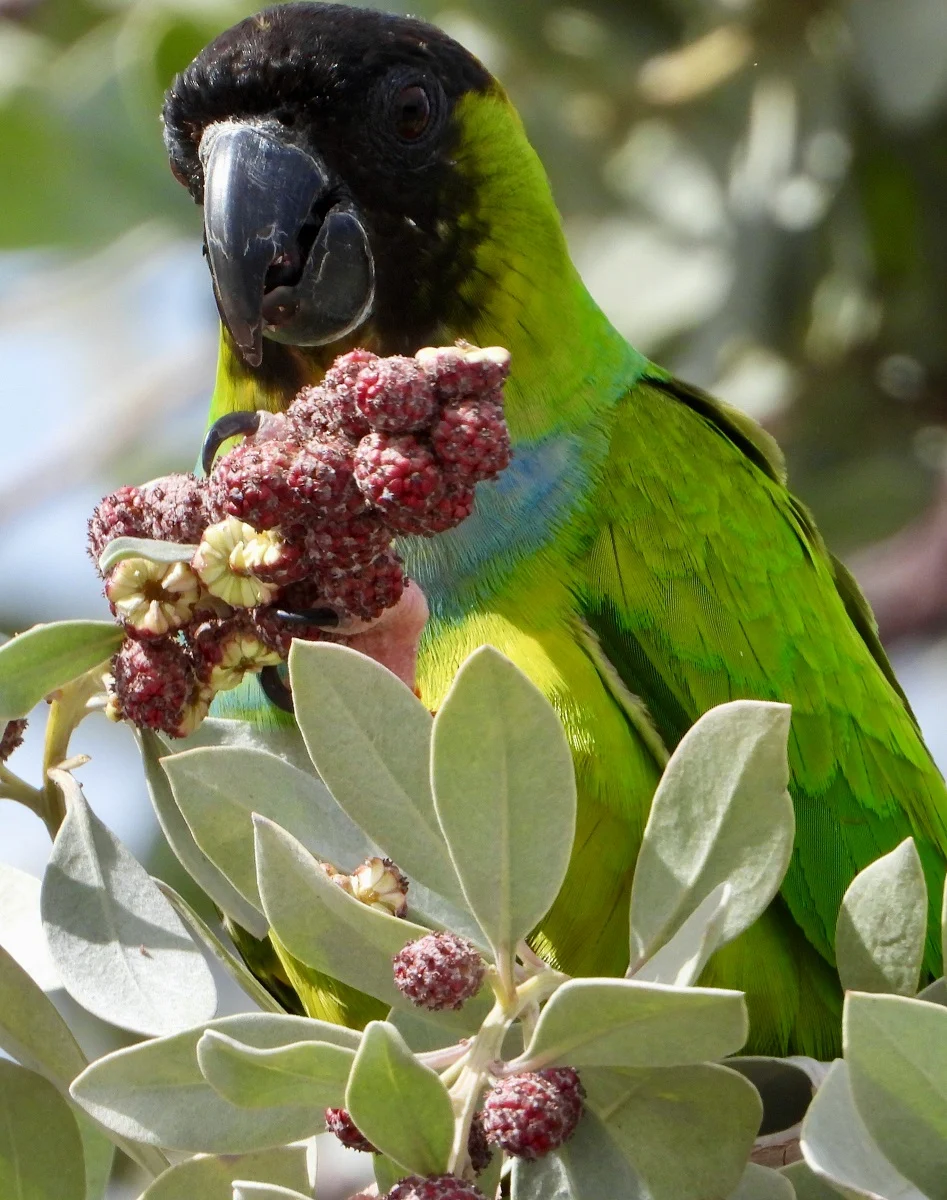
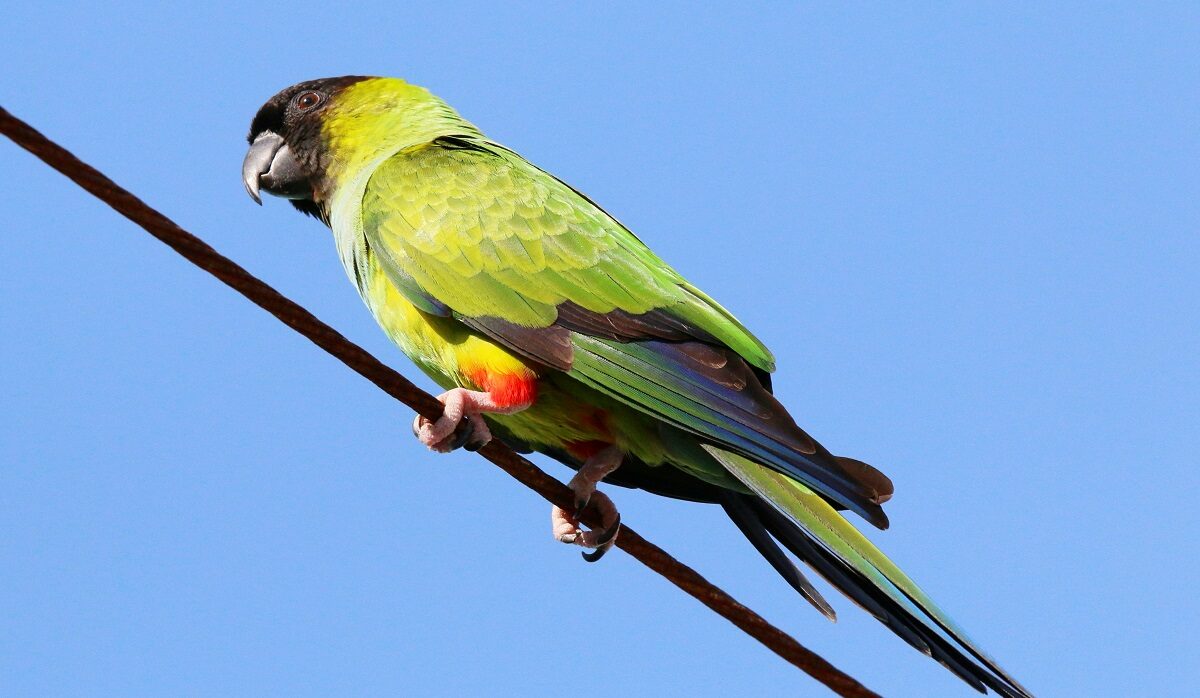
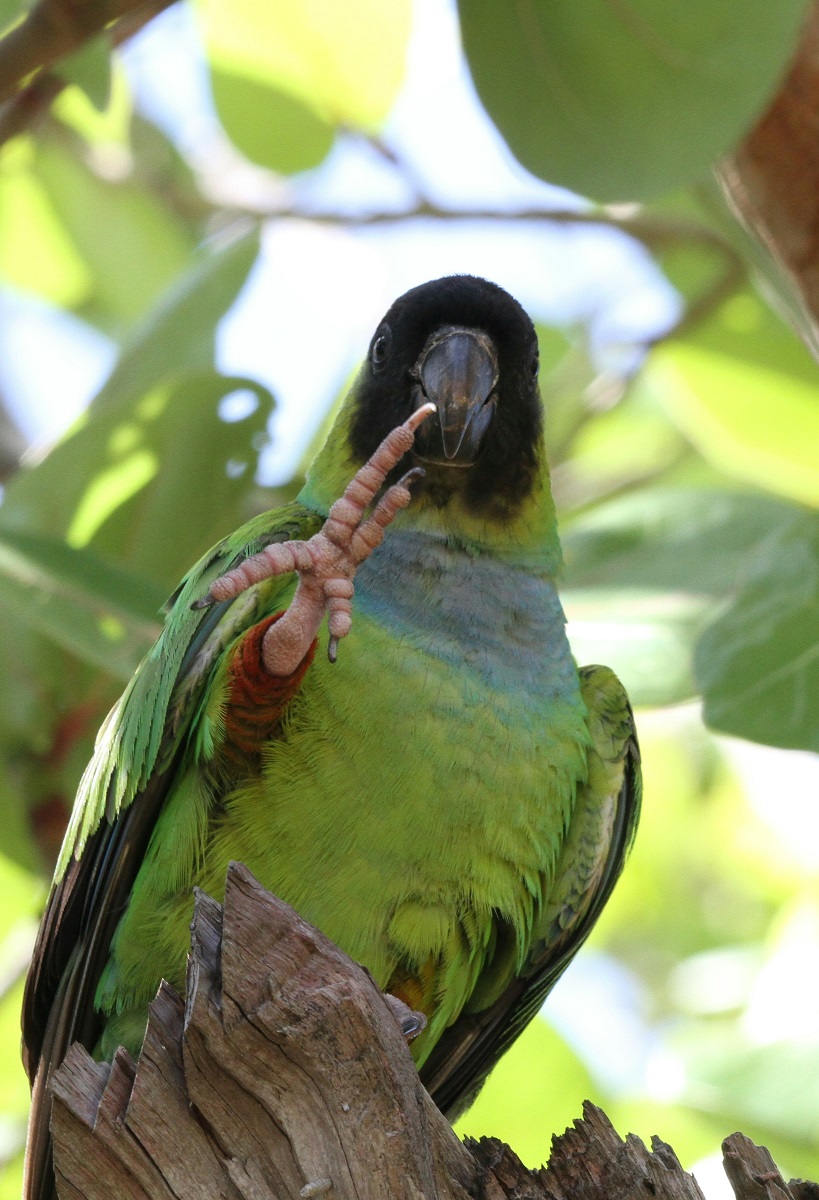
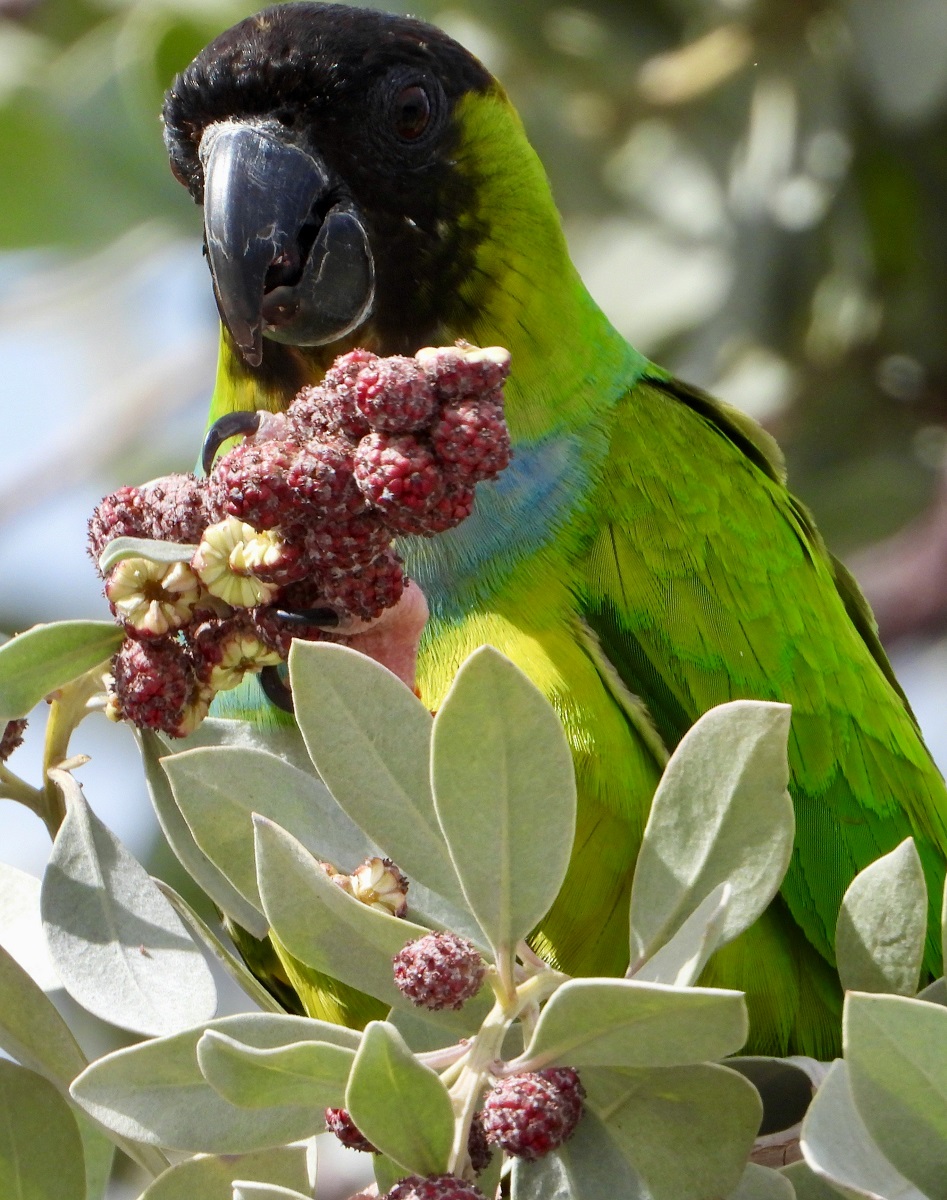
In terms of physical appearance, the nanday conure is a medium-sized parrot, typically reaching up to 12 inches (30 cm) in length and weighing around 140 grams (approximately 5 ounces) as an adult. Its most distinguishing feature is the stark, velvety black hood that covers its head and upper neck, contrasting sharply with its predominantly bright green body plumage. This black hood is often bordered by a few brown feathers, adding subtle depth to its facial region. The bird also possesses a robust black beak, prominent white eye rings that enhance its expressive gaze, blue-green chest feathers that transition into its vibrant green body, and bright red thighs, which are particularly noticeable during flight or when the bird preens. These colorful markings contribute to its visual appeal, making it a popular species among avian enthusiasts.
Natural Habitat and Geographic Range
The nanday conure’s natural range spans a narrow band across central South America, encompassing parts of Paraguay, southern Brazil, eastern Bolivia, and extending into northern Argentina. Within this expansive territory, these conures primarily inhabit open lowlands, typically found at elevations up to approximately 2,600 feet (800 meters). Their preferred habitats are often characterized by former forests that have been converted into cattle pastures, suggesting a degree of adaptability to human-altered landscapes. These areas are frequently dotted with various palm species, which nanday conures utilize extensively for nesting and roosting. The terrain can vary from swampy wetlands to relatively dry environments, indicating their resilience across diverse ecological conditions.
The conservation status of Aratinga nenday is currently assessed as "Least Concern" by the International Union for Conservation of Nature (IUCN) Red List. This classification is notably positive, as the wild population size appears to be stable, and in some regions, even increasing. This growth is partly attributed to habitat changes resulting from human activities, such as agricultural expansion, which may inadvertently create new suitable foraging and nesting grounds for the species. While generally robust in their native range, the nanday conure, like many other parrot species, has become an invasive species in several countries outside its indigenous habitat. Released or escaped pets have successfully established thriving feral populations in various locations, including Spain, California, Florida, and other parts of the United States. A study by Uehling, Tallant, and Pruett-Jones (2019) highlighted the nanday conure as one of the top three most prevalent naturalized parrot species in the U.S. These invasive populations can pose significant ecological challenges, potentially outcompeting native bird species for resources, damaging agricultural crops, and disrupting local ecosystems, necessitating careful management and public awareness campaigns about responsible pet ownership.
Dietary Needs: Wild vs. Captive
The dietary habits of nanday conures are diverse and crucial for their health, varying significantly between their wild and captive environments.
In their natural habitat, nanday conures exhibit a varied diet, primarily consuming wild fruits, notably those of the Copernicia palm, which is abundant in their native lowlands. They also forage for a wide array of seeds, berries, flowers, and flower buds. This diverse consumption provides them with a broad spectrum of nutrients. Beyond direct consumption, nanday conures play an ecological role as pollinators. A 2002 study by Ragusa-Netto documented their interaction with the beautiful flowering Erythrina dominguezii tree, observing them drinking nectar and inadvertently spreading pollen in the process. Furthermore, like many other South American parrot species, nanday conures are known to visit clay licks, where they ingest soil. This behavior is believed to serve two critical functions: to obtain essential micronutrients that might be lacking in their regular diet and to neutralize natural toxins present in some of the fruits and seeds they consume. This geophagy is a vital adaptive strategy for maintaining health in a diverse foraging environment.
For nanday conures in captivity, a carefully constructed diet is paramount to prevent nutritional deficiencies and obesity. The historical practice of feeding parrots primarily seed mixes is now widely discouraged by avian veterinarians, including experts like Dr. Daisy from Psittacology. Seed-based diets are often high in fat and low in essential vitamins and minerals, leading to malnutrition and related health issues. The current consensus among avian health professionals strongly advocates for a base diet of high-quality, commercially formulated pellet food. These pellets are designed to provide a balanced nutritional profile, ensuring the bird receives all necessary vitamins, minerals, and proteins.
To supplement the pellet base, a significant portion of the captive diet should consist of fresh fruits and vegetables. Parrot-safe options include grapes, leafy greens (like kale and spinach), apples, bell peppers, broccoli, carrots, and many other produce items. These provide essential vitamins, fiber, and hydration. Additionally, small quantities of sprouted seeds, cooked whole grains such as pasta and brown rice, and occasional protein sources like pieces of boiled egg can be offered to add variety and specific nutrients. It is crucial for owners to research and verify which foods are safe for parrots, as some common human foods can be toxic. A healthy, varied diet is the cornerstone of a parrot’s well-being, directly impacting its energy levels, feather quality, immune system, and overall lifespan, which can extend up to 30 years with proper care. Owners are encouraged to consult comprehensive parrot diet guides and avian veterinarians for personalized advice to ensure their nanday conure thrives.
Housing and Enrichment Requirements
Providing appropriate housing and environmental enrichment is fundamental to the physical and psychological well-being of a nanday conure, a species known for its intelligence and active nature. For optimal welfare, particularly if the bird is not permitted extensive daily free-roaming, a full-sized aviary is highly recommended. Such an aviary should ideally have a length of at least 10 feet (3 meters), allowing ample space for flight and exercise. Even with daily out-of-cage time, a spacious indoor cage is essential. The minimum recommended cage dimensions are approximately 30 x 24 x 24 inches (75 x 60 x 60 cm), though larger is always preferable. The emphasis should be on cage length rather than height, as conures typically fly horizontally. The bird must be able to fully stretch its wings without touching the cage bars or toys.
Within the cage or aviary, the environment should be stimulating and safe. A variety of natural wood perches of differing diameters and textures should be provided to promote foot health and prevent pressure sores. Platforms can also offer resting spots. Essential cage furniture includes one or two food bowls, ensuring access to both pellets and fresh produce, and at least one source of clean, fresh water, preferably a heavy, tip-resistant bowl or a bottle feeder.
Enrichment is critical to prevent boredom, which can lead to behavioral issues such as feather plucking, aggression, obesity, and even depression in intelligent parrots. The cage should be well-stocked with a diverse array of conure-safe toys. These should include chew toys made from natural materials, foraging toys that challenge the bird to find treats, puzzle toys that stimulate problem-solving, and shreddable toys that satisfy their natural urge to destroy. Rotating toys regularly can help maintain novelty and engagement.
Beyond physical enrichment, environmental safety is paramount. Birds possess highly sensitive respiratory systems, making them vulnerable to airborne chemicals and fumes. Owners must rigorously parrot-proof their living spaces. This includes avoiding smoking, the use of aerosol sprays (air fresheners, hairsprays, cleaning products), burning scented candles, and cooking with nonstick cookware, as the fumes released from overheated PTFE (Teflon) can be lethal to birds. Other hazards include open toilets, exposed electrical wires, ceiling fans, and access to toxic plants or household cleaners. Understanding basic parrot emergency care is also crucial for any bird owner, as curious and fragile parrots can be prone to accidents.
Temperament and Social Dynamics
Aratinga conures, including the nanday, are generally celebrated by parrot owners for their amiable and outgoing dispositions. Unlike some other conure genera, such as Pyrrhura (which includes the green-cheeked conure and can be prone to nipping), a well-socialized nanday conure is less likely to exhibit aggressive biting towards humans. While individual personalities naturally vary, most nanday conures are highly social, accepting of new people, and tend to form strong bonds with all members of a household.
Their highly social nature, however, comes with a caveat: nandays can be prone to becoming overly needy. They thrive on constant attention and interaction, which, if not adequately provided, can manifest as excessive screaming when their owner leaves the room or displays of jealousy towards "competitors" for attention, such as other pets or even family members. A nanday conure’s ideal day would likely involve extensive interaction: engaging with noise-making toys, participating in talking training sessions with their human family, receiving ample head scratches and physical affection, and perhaps enjoying a contented nap on their owner’s shoulder.
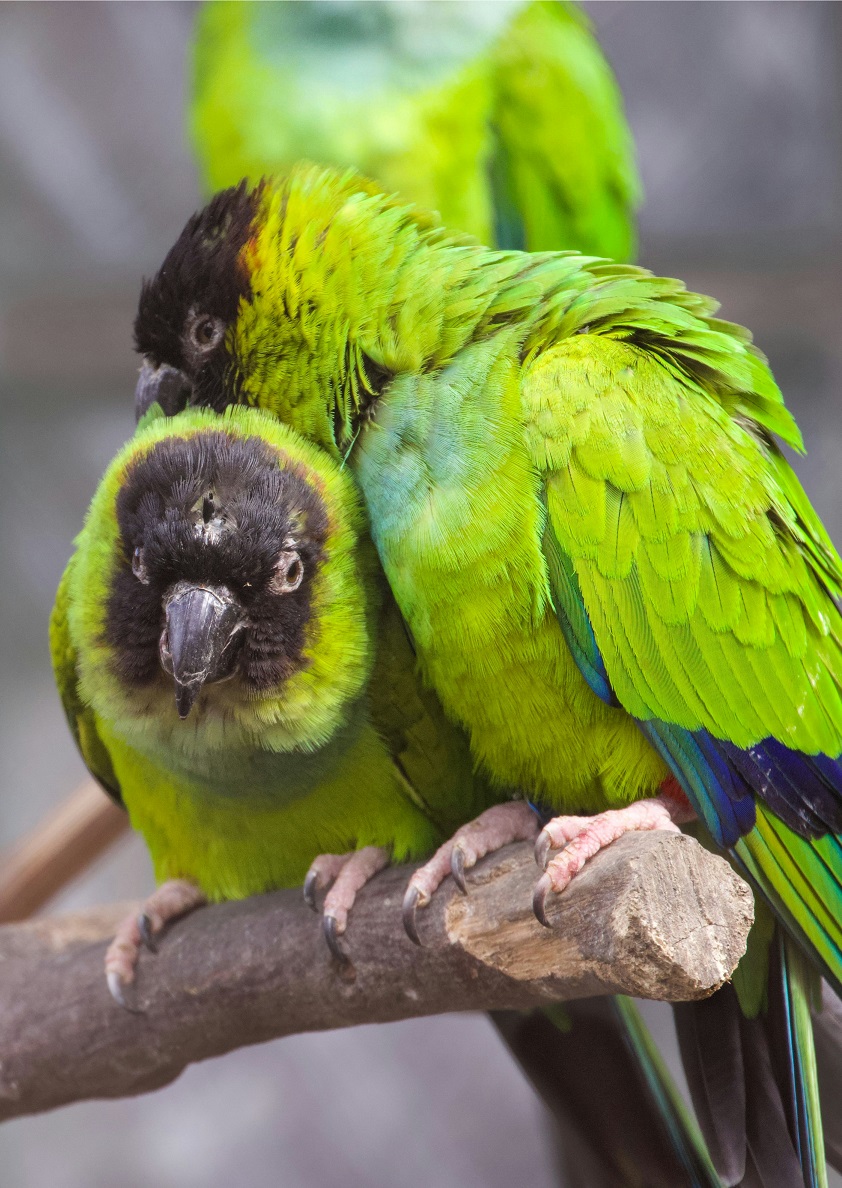
The social aspect is arguably the most challenging but crucial part of keeping a nanday conure as a pet. These birds are extremely intelligent and crave mental stimulation, which largely comes from social interaction. If left alone for extended periods, especially by owners who work a typical 9-to-5 job, a single nanday conure can quickly become bored, stressed, and develop destructive behaviors like feather plucking or self-mutilation. To mitigate this, many avian experts recommend considering the acquisition of a second nanday conure to provide companionship. A pair can offer each other constant social interaction, significantly reducing stress and boredom, although they will still require human attention. Providing a rich environment with a variety of foraging opportunities, training sessions, and plenty of safe out-of-cage time further supports their psychological well-being. Regular interaction, even if it’s just talking to them while performing household chores, is vital to maintaining a happy and well-adjusted nanday conure.
The Critical Consideration: Noise Levels
Perhaps the single most important factor for prospective nanday conure owners to consider is their incredibly high noise level. Conures belonging to the genus Aratinga are widely recognized as the loudest among their kind, and nandays are no exception. Their vocalizations are not merely loud; they can reach ear-splitting decibel levels that can be startling, disruptive, and potentially damaging to human hearing over prolonged exposure.
As cited in "Good Parrotkeeping" by Robin Deutsch (2009), while a macaw might scream at 105 decibels and a Moluccan cockatoo at 135 decibels, the relatively smaller nanday conure has been recorded reaching an astonishing 155 decibels. To put this in perspective, 155 decibels is equivalent to the noise level of a jet engine at takeoff from a short distance or a shotgun blast. Sustained exposure to sounds at this level can cause permanent hearing damage, including tinnitus and hearing loss. This extreme volume makes it absolutely imperative for potential owners to thoroughly assess their tolerance for noise and their living situation before bringing a nanday conure into their home.
It is strongly recommended that individuals considering a nanday conure listen to recordings of their vocalizations, for instance, on platforms like xeno-canto, to get a realistic sense of their sound. Even better, visiting a breeder or an owner of a nanday conure to experience their vocalizations firsthand can provide invaluable insight. Apartment dwellers or those with close neighbors should give serious thought to whether such a loud bird is suitable for their environment, as neighbor complaints are a common issue.
Parrots, in general, tend to be most vocal during dawn and dusk, which are natural flock-calling times in the wild, and also when they are excited, seeking attention, or alarmed. Aside from their piercing flock calls, nanday conures will produce a range of other sounds, including whistles, chirps, and can even imitate common household noises. Understanding these vocal patterns and being prepared for their intensity is non-negotiable for responsible ownership.
Vocalization and Communication
While the loudness of nanday conures is a primary concern, their vocal capabilities extend beyond mere noise. Like many parrots, they are intelligent communicators, capable of a range of sounds and, in some cases, limited speech. They are not on par with renowned talkers like African greys in terms of vocabulary or sentence structure, but many nandays do pick up snippets of what they hear in their environment.
Owners should not expect full, coherent sentences, but they will often recognize "baby babble" or distinct words and phrases that their bird attempts to imitate during playful moments. Encouraging speech can be a rewarding experience. Simple techniques include whistling short, distinct tunes or repeatedly saying a short word or phrase, such as the bird’s name, in a clear and engaging tone. Consistency and positive reinforcement are key. It is important to remember, however, that not all nanday conures will be interested in imitating sounds or developing a discernible vocabulary, as individual aptitudes vary. Their primary mode of communication will always be their natural calls, chirps, and whistles.
Responsible Ownership and Long-Term Commitment
Bringing a nanday conure into one’s home represents a profound long-term commitment. With a potential lifespan of up to 30 years, these birds become enduring members of a family, demanding consistent care, social interaction, and environmental enrichment throughout their lives. Prospective owners must critically evaluate their ability to provide such dedication. This includes not only the daily feeding and cleaning but also the continuous provision of mental stimulation, opportunities for exercise, and regular veterinary care from an avian specialist.
The challenges, particularly concerning their high noise levels and intense social needs, should not be underestimated. Failing to meet these fundamental requirements can lead to behavioral problems that are distressing for both the bird and the owner. Conversely, for those prepared to embrace the demands, a nanday conure offers immense rewards: a highly intelligent, affectionate, and playful companion whose vibrant personality can bring immense joy and a unique dynamic to the household. Understanding their biology, behavior, and the implications of their ownership is the first and most crucial step toward fostering a healthy, happy, and harmonious relationship with these remarkable parrots.

