


Published On: December 18, 2025
Last updated on: December 27, 2025
By Diane Burroughs
The question of whether pet birds benefit from antioxidant support during higher-stress periods—such as molting, aging, hormonal cycles, routine changes, or limited diet variety—is a recurring topic among avian enthusiasts and experts alike. The consensus, as articulated by Diane Burroughs, founder of BirdSupplies.com and UnRuffledRx™, is nuanced: sometimes, in the right situations, and always as part of a larger, holistic nutritional strategy. This perspective underscores a shift in modern avian care, moving beyond basic sustenance to a more profound understanding of metabolic health and proactive wellness. Most birds do not require daily antioxidant supplementation, but during periods of increased physiological demand, targeted support can play a crucial role in maintaining normal cellular function and overall resilience, contributing to their long-term vitality.
The Evolving Landscape of Avian Nutrition and Care
For decades, pet bird nutrition was largely a rudimentary affair, often limited to seed-only diets that, while seemingly palatable, proved nutritionally inadequate. This historical approach led to a myriad of health issues, from vitamin deficiencies to organ failure, significantly shortening the lifespan of many captive birds. The mid-to-late 20th century saw a paradigm shift, with research highlighting the importance of balanced nutrition, leading to the widespread adoption of formulated pelleted diets. These pellets, designed to provide a comprehensive array of vitamins, minerals, and macronutrients, became the cornerstone of modern avian feeding. However, as scientific understanding advanced, it became clear that even a high-quality pelleted diet, while essential, might not always suffice, especially when confronting the unique stressors of a captive environment.
The discussion around antioxidants for pet birds is a natural progression of this evolving understanding. It reflects a growing awareness among bird owners and avian professionals that optimal health extends beyond merely preventing deficiency diseases. It encompasses supporting the body’s natural processes, bolstering its defenses against everyday wear and tear, and enhancing its ability to cope with environmental and physiological challenges. This proactive approach to wellness, often seen in human and mammalian pet health, is now firmly taking root in the avian community, driven by owners who seek to provide the best possible quality of life for their long-lived companions.
Understanding Oxidative Stress: A Normal Biological Process
Oxidative stress is not an anomaly or a sign of poor care; rather, it is an inherent and normal byproduct of life itself. Every living organism, including birds, generates free radicals as a result of fundamental metabolic processes like eating, breathing, moving, growing, and metabolizing food. These free radicals are unstable molecules that, in excess, can cause damage to cells, proteins, and DNA, contributing to aging and various health issues. The bird’s body, designed for high metabolic rates to support flight and energetic lifestyles, is constantly engaged in these processes, making efficient management of these byproducts critical.
Antioxidants are a diverse group of nutrients that play a vital role in maintaining this delicate balance. They function by neutralizing free radicals, essentially "donating" electrons to stabilize them before they can cause cellular damage. It’s crucial to understand that antioxidants do not halt oxidative processes entirely—which would be detrimental—but rather help the body manage them efficiently. A wide array of nutritious, plant-based foods naturally provides these essential compounds, alongside other synergistic nutrients that work together to support overall health. For birds, whose natural diets in the wild are incredibly varied and rich in plant matter, a diet that mimics this diversity is paramount for robust antioxidant defense.
The Unique Oxidative Load Faced by Captive Birds
Even impeccably cared-for parrots inhabit environments vastly different from their natural wild habitats, introducing a range of stressors that can elevate their metabolic workload and, consequently, their oxidative load over time. This distinction is critical in understanding why targeted antioxidant support might be beneficial in specific circumstances.
In the wild, birds engage in extensive foraging, flight, and complex social interactions, all within a natural ecosystem that provides diverse dietary sources and appropriate environmental stimuli. Captive environments, by contrast, present several inherent challenges:
- Indoor Air Quality: While owners strive for clean air, indoor environments can still expose birds to household toxins, dust, and particulate matter that are less prevalent in open, natural settings.
- Artificial Lighting: The quality and spectrum of artificial light often differ significantly from natural sunlight, which is crucial for vitamin D synthesis and regulating circadian rhythms, impacting overall physiological function.
- Limited Foraging Variety: Despite efforts to provide enrichment, captive birds typically have less dietary diversity and reduced physical and mental engagement compared to their wild counterparts, who spend a substantial portion of their day foraging for a vast array of plant materials.
- Processed Foods: Even high-quality pellets, by their nature, are processed. While nutritionally balanced, they may lack the full spectrum of phytochemicals and enzymes found in fresh, raw ingredients.
- Routine Changes and Social Stress: Pet birds, highly intelligent and social creatures, are sensitive to changes in household routines, noise levels, the introduction of new pets or people, and even subtle shifts in social dynamics. These stressors can trigger physiological responses that increase metabolic demand.
None of these factors imply "bad care"; rather, they represent normal demands placed on a bird’s body within a captive setting. Good nutrition, encompassing both a foundational diet and thoughtful supplementation during specific periods, plays an immense role in how well birds cope, recover, and thrive long-term in these unique circumstances.
Key Periods When Antioxidant Support Becomes Particularly Relevant
While a balanced daily diet forms the bedrock of avian health, there are distinct phases in a bird’s life or specific environmental conditions where their body works harder than usual, making additional antioxidant support particularly beneficial. These are not instances of illness but rather periods of heightened physiological demand.
-
Molting: The process of feather production is extraordinarily nutrient-intensive. Feathers, primarily composed of keratin, require significant protein, amino acids, vitamins, and minerals for their growth and structural integrity. Even birds on excellent diets can experience a strain during a heavy molt. Antioxidants can help manage the metabolic byproducts associated with this rapid cellular turnover and energy expenditure, supporting the growth of healthy, vibrant plumage.
-
Aging: As birds age, their cellular repair mechanisms and immune systems can become less efficient. Older birds and rescue birds, who may have endured past nutritional deficiencies or chronic stress, often take longer to recover from physiological stress and environmental changes. Antioxidants can contribute to supporting normal cellular function, potentially mitigating some age-related oxidative damage and enhancing their ability to maintain overall vitality.
-
Dietary Limitations: Even with the best intentions, many pet birds do not consistently consume a wide enough variety of fresh, plant-based foods. While pellets provide core nutrients, fresh produce is the primary source of many natural antioxidants, phytochemicals, and enzymes. If a bird’s diet is lacking in this crucial diversity, targeted antioxidant support can help bridge nutritional gaps, ensuring a broader spectrum of protective compounds.
-
Hormonal or Seasonal Shifts: Changes in light cycles, sleep patterns, and reproductive hormones can significantly increase a bird’s physical and emotional demands. These periods can induce physiological stress, impacting behavior and metabolic function. Antioxidants can help the body navigate these intense internal shifts, supporting a more balanced physiological state.
-
Environmental or Emotional Stress: Any significant disruption—such as routine changes, excessive noise, travel, rehoming, or social disruptions—can elevate a bird’s stress hormone levels, leading to increased metabolic activity and, consequently, a higher oxidative load. Providing additional nutritional support, including antioxidants, during these stressful times can bolster the bird’s resilience and aid in quicker recovery.
The Role of Antioxidant Support: What It Is and Isn’t
It is critical to frame antioxidant support within a realistic context, distinguishing it from panaceas or standalone solutions.
- What it IS: Antioxidant support is a simple, strategic way to provide the body with extra defense during normal periods of elevated stress. This is achieved not by radically altering the bird’s entire care regimen, but by thoughtfully incorporating helpful nutrients into food or water that are already being served. It’s an enhancement, a buffer against daily wear and tear.
- What it ISN’T: It is not a "fix" for behavioral issues, nor is it a replacement for fundamental care practices. Antioxidant support works in conjunction with, and is entirely dependent upon, a foundation of good nutrition (high-quality pellets and diverse fresh foods), consistent routines, enriching environments, and appropriate veterinary care. Relying solely on supplements without addressing these core needs is ineffective and potentially harmful.
A helpful analogy is to view a varied, nutrient-rich diet as a bird’s protective "armor" against everyday stressors. Adding targeted elements like specific herbs, seeds, or plant-based toppers rich in antioxidants to a bird’s daily "chop" is akin to reinforcing that armor, consistently building up its defenses. Rotating these plant-based nutritional supports over time acts as a form of nutritional "insurance," helping to cover potential gaps before they manifest as health issues. This simple, proactive habit can significantly ease the complexities of long-term avian care.
When Antioxidant Support May Be Unnecessary
Conversely, it is equally important to recognize when additional antioxidant support may not be immediately necessary. If a bird is consistently consuming a high-quality pelleted diet, a diverse array of plant-based fresh foods, and exhibiting normal, healthy behaviors, its foundational nutrition is likely robust enough to manage its everyday oxidative load.
Signs of a strong nutritional foundation and overall wellness include:
- Normal Eating and Weight Maintenance: Consistent appetite and a stable, healthy body weight.
- Activity Levels: Maintaining steady energy throughout the day, engaging in play and interaction.
- Feather Quality: Having feathers that are smooth, vibrant, and appropriate for the species and season, with efficient molting cycles.
- Positive Engagement: Interacting with family members and its environment in a relaxed, curious, and positive manner.
In such cases, while some owners might still opt for gentle, rotating plant-based additions as extra assurance, there’s no urgent need for intensive supplementation. Birds are not designed to thrive on a cocktail of synthetic extras. Often, the power of a good pelleted diet, simple, whole plant-based nutrition, and consistency in care practices far outweighs the benefits of heavily processed supplements, especially those with ingredient lists that resemble a chemistry experiment more than real food.
Common Missteps in Avian Supplementation
Most mistakes made by bird owners stem from a deep desire to provide the best care, often leading to overzealous or misinformed actions. Understanding these common pitfalls can help ensure a safer, more effective approach.
-
Changing Too Many Variables Simultaneously: When an owner introduces new dietary components, alters lighting schedules, modifies routines, and adds multiple supplements all at once, it becomes virtually impossible to discern which specific change, if any, contributed positively or negatively to the bird’s well-being. A methodical, one-change-at-a-time approach is crucial for accurate observation and effective adjustment.
-
Adopting Advice Without Context: Online communities and social media groups are invaluable for sharing experiences and anecdotal evidence. However, such platforms cannot replace a thorough understanding of an individual bird’s unique needs, health status, species-specific requirements, and environmental context. What benefits one bird may be entirely unnecessary or even detrimental to another simply because their circumstances are different. Always consider the source, consult with avian professionals, and apply information critically to your specific situation.
Antioxidant-Rich Foods for a Healthy Foundation
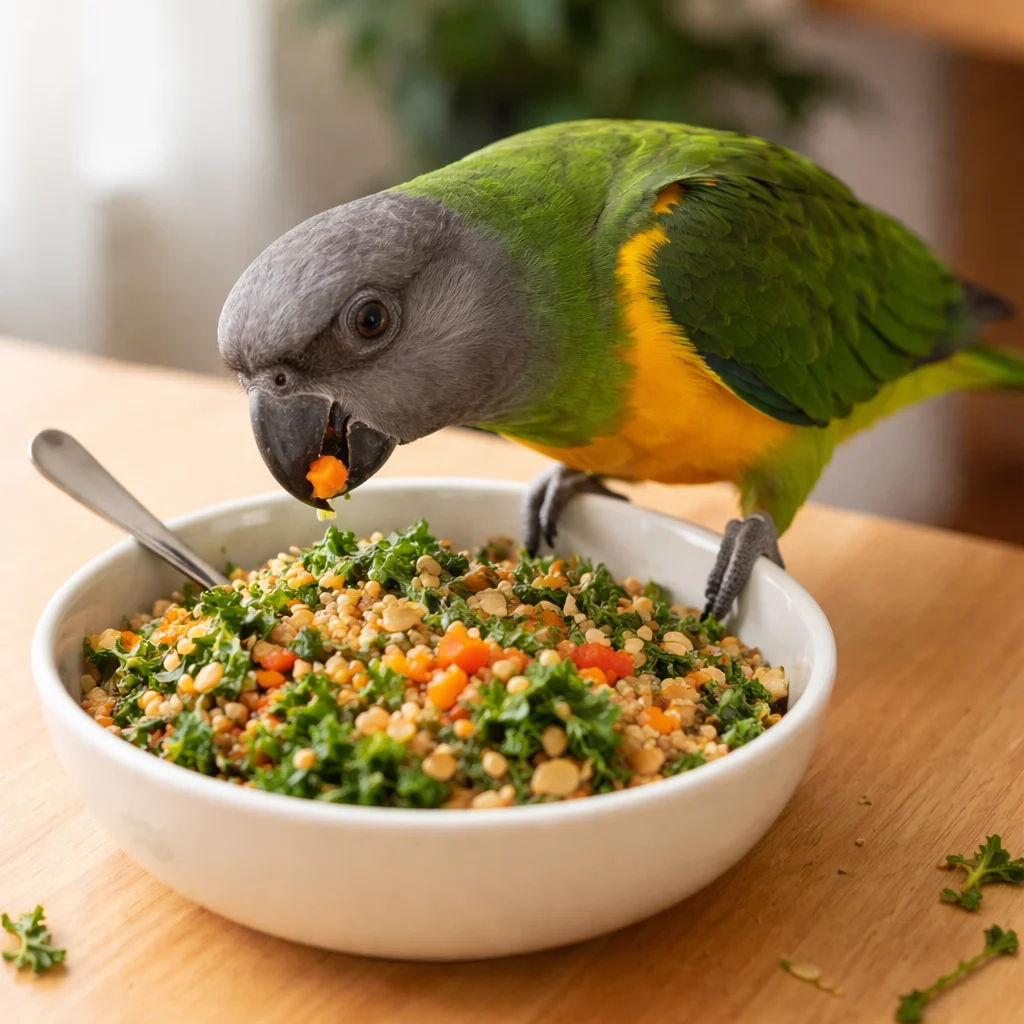
Instead of relying solely on commercial supplements, integrating a variety of natural, antioxidant-rich foods into a bird’s daily diet is often the safest and most effective strategy. These foods not only provide antioxidants but also a spectrum of other essential vitamins, minerals, fiber, and phytonutrients that work synergistically to support overall health.
Examples of highly beneficial foods include:
- Berries: Blueberries, raspberries, blackberries, and strawberries are packed with anthocyanins and other polyphenols.
- Dark Leafy Greens: Kale, spinach, collard greens, dandelion greens, and parsley offer vitamins A, C, E, and various flavonoids.
- Orange and Yellow Vegetables: Sweet potatoes, carrots, bell peppers (especially red and yellow), and pumpkin are rich in beta-carotenes and other carotenoids.
- Cruciferous Vegetables: Broccoli, cauliflower, and Brussels sprouts contain glucosinolates and other antioxidant compounds.
- Certain Seeds and Grains: Chia seeds, flax seeds, and quinoa offer antioxidants along with healthy fats and fiber.
- Herbs and Spices: Turmeric, oregano, and rosemary are potent sources of antioxidants, though should be offered in moderation.
These ingredients can be easily incorporated into a daily "chop" mix, offered as fresh snacks, or even integrated into foraging toys, making feeding an enriching experience.
Approaching Supplementation Safely and Responsibly
When considering any form of dietary adjustment or supplementation for a bird, a cautious and informed approach is paramount.
-
Start Small and Observe Diligently: Introduce new foods or supplements in very small quantities. Monitor the bird closely for any changes in appetite, droppings, energy levels, behavior, or feather condition. Documenting these observations can help identify positive or negative responses. If adverse effects are noted, discontinue immediately.
-
Consult an Avian Professional: Any sudden or significant changes in a bird’s health—such as unexplained weight loss, lethargy, persistent appetite changes, difficulty breathing, or major behavioral shifts—are clear signals to contact an avian or exotic veterinarian immediately. These are medical emergencies, not situations to be managed with supplements. An avian vet can diagnose underlying conditions and provide appropriate medical treatment, which supplements cannot replace. Furthermore, before introducing any concentrated supplement, especially for birds with pre-existing health conditions, consulting an avian vet or a certified avian nutritionist is always recommended to ensure safety and appropriateness.
Integrating Wellness into Daily Avian Care
Supporting a bird’s health does not require overly complicated regimens or a constant pursuit of perfection. Instead, it thrives on consistency and thoughtful, small choices that accumulate over time. A robust everyday diet, built upon high-quality pellets and a generous, varied offering of fresh, plant-based foods, forms the cornerstone of their well-being, effectively performing most of the "heavy lifting" in terms of nutrition.
Thoughtful, rotating plant-based support, rich in natural antioxidants, can then serve as a valuable complement during specific periods when a bird’s physiological needs are heightened. This balanced strategy allows owners to proactively address potential nutritional gaps and support their bird’s resilience without the risks associated with over-supplementation or the pursuit of unproven "miracle cures." By embracing this nuanced approach, avian caretakers can empower their feathered companions to lead healthier, more vibrant lives, ensuring their well-being for years to come. The ongoing research in avian nutrition continues to refine our understanding, emphasizing the dynamic interplay between diet, environment, and overall health in these remarkable creatures.

