


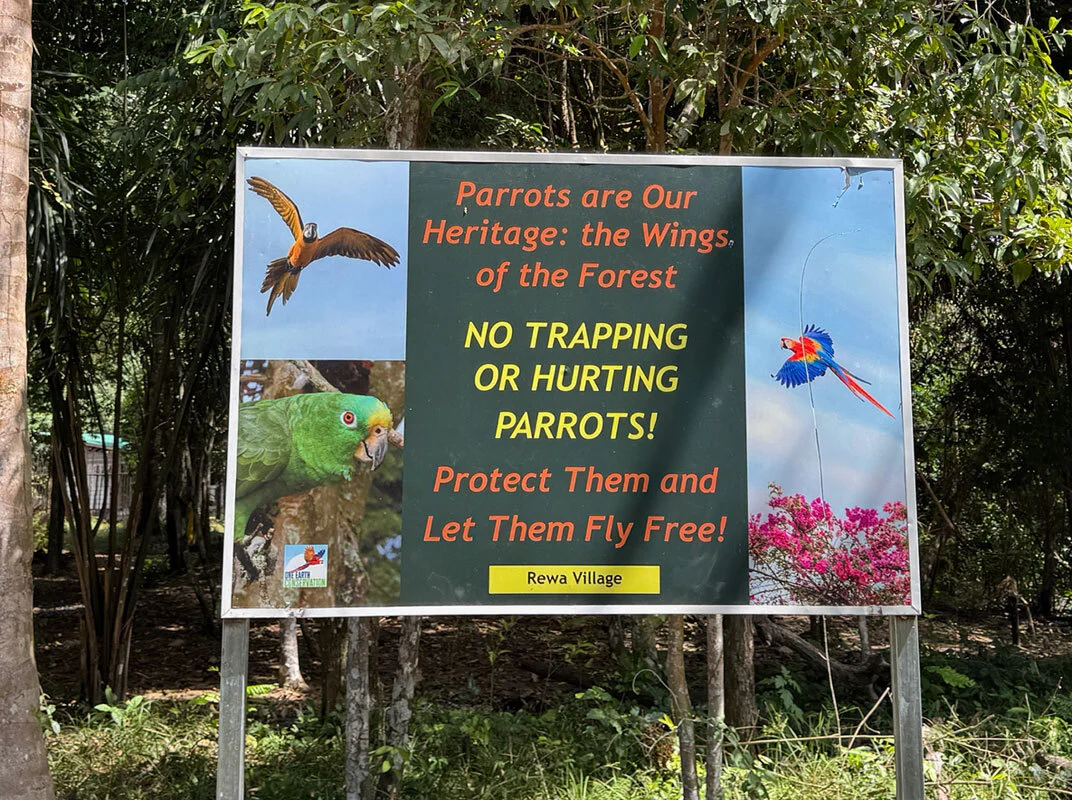
The South American nation of Guyana, a unique geographical bridge between the Caribbean and the Amazon basin, has emerged as a focal point for international conservation efforts aimed at preserving some of the continent’s most pristine tropical forests. A recent expedition led by Phoenix Landing, an organization dedicated to avian welfare, provided a firsthand look at the intersection of indigenous land management, burgeoning ecotourism, and the mounting pressures of industrial development. While the country currently serves as a sanctuary for a vast array of psittacine species, the discovery of significant oil and gold reserves has prompted local leaders and international NGOs to accelerate efforts to formalize wildlife protection strategies.
The Ecological Significance of Guyana’s Biodiversity
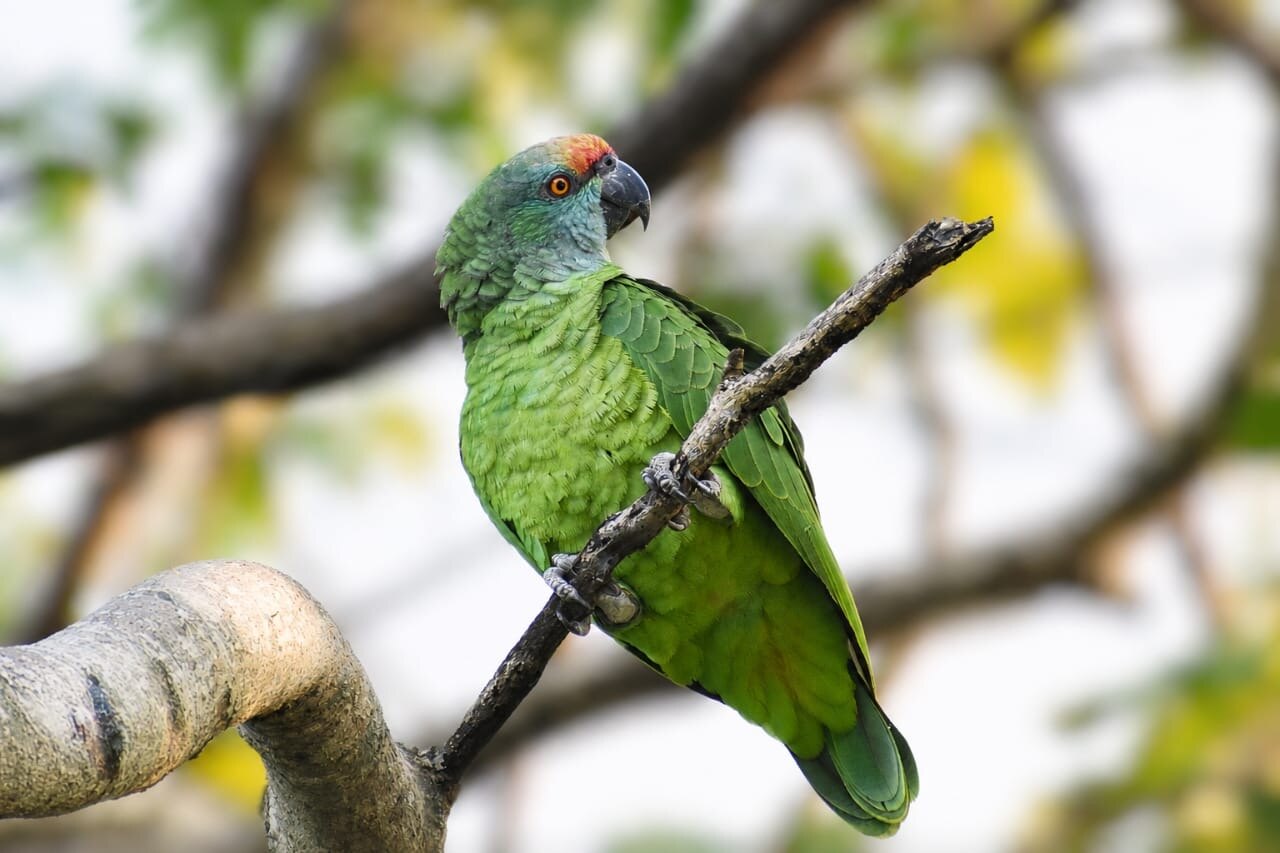
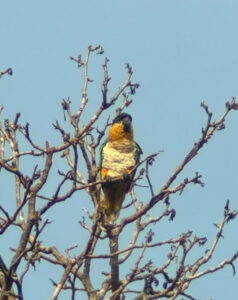
Guyana’s landscape, defined by its dense rainforests and extensive river systems, supports a high density of parrot species, many of which are under pressure elsewhere in the Amazonian range. During the recent Phoenix Landing ecotour, participants documented a diverse range of birds, including the Red-fan (Hawk-headed) Parrot, the Festive Amazon, and the iconic Scarlet Macaw.
The expedition underscored the logistical challenges of monitoring wildlife in a country where infrastructure remains limited. Unlike more developed tourist destinations, Guyana’s wilderness requires deep-forest navigation and specialized knowledge to locate avian populations. Guided by Ron Allicock, a member of the indigenous Macushi lineage whose family has been involved in local conservation since the 1990s, the team utilized traditional tracking methods that highlight the necessity of indigenous knowledge in modern biological research.
Chronology of Conservation in Rewa Village
The village of Rewa, located deep within the Rupununi region, stands as a testament to the effectiveness of community-governed conservation. The following timeline outlines the evolution of this model:
- Early 1990s: Following a period of unsustainable wildlife extraction, community leaders in Rewa initiated a voluntary moratorium on the trapping of parrots. This decision marked a fundamental shift from extractive utilization to stewardship.
- 2018: The community formalized its conservation efforts by partnering with the Rewa Ecolodge and the international non-profit organization One Earth Conservation. This collaboration established a systematic monitoring protocol designed to quantify population trends.
- 2018–2024: A six-year period of rigorous data collection followed, utilizing innovative river-transect methodologies. These methods allowed researchers to bypass the lack of forest trails and establish accurate baseline data for avian populations.
- 2024: The initiative expanded to include 22 of the 29 parrot species native to Guyana, demonstrating a significant increase in the diversity of birds protected within the village’s jurisdiction.
Scientific Methodology and Data Collection
The "river-based counting methodology" implemented in Rewa has gained international attention as a replicable model for remote areas. By conducting monthly counts across rivers, agricultural plots, and village periphery zones, researchers have managed to overcome the visibility issues inherent in dense tropical canopy environments.
According to data synthesized by One Earth Conservation, this collaborative monitoring has provided a robust dataset that serves as a proxy for the health of the broader ecosystem. The increase in identified species—from 20 to 22 protected species—reflects both the efficacy of the "No Trapping" policy and the success of long-term habitat preservation. This data is critical for regional policymakers who must balance the economic benefits of resource extraction against the long-term biological value of forest integrity.
Economic Pressures and Industrial Development
While the conservation successes in Rewa are notable, they exist against a backdrop of rapid national economic transformation. Guyana’s recent discovery of offshore oil reserves and the expansion of gold mining operations represent a "double-edged sword" for the nation’s wildlife.
Ecologists and conservationists have expressed concerns that increased industrial activity could lead to habitat fragmentation, water pollution, and an increase in opportunistic poaching. The economic allure of mining and oil extraction can sometimes supersede the slower, more methodical financial gains of ecotourism. However, the success of the Rewa Ecolodge serves as a proof-of-concept for a sustainable alternative. By professionalizing the local artisan trade and expanding ecotourism services, Rewa is demonstrating that the forest has a higher valuation when kept intact than when cleared for industrial use.
Institutional Support and the Parrot Conservation Corps
To ensure the longevity of these initiatives, One Earth Conservation is launching a local chapter of the International Parrot Conservation Corps (PCC). Based in the capital city of Georgetown, this program is designed to recruit and train local participants in scientific monitoring, community outreach, and habitat restoration.
The recruitment of 15 participants for the inaugural group signifies a strategic move to decentralize conservation efforts. By empowering urban residents to engage with rural conservation projects, the program aims to build a national coalition that bridges the gap between coastal development and interior preservation. The project is supported by grants, including recent donations from entities like Lafeber, which are earmarked for both the expansion of the Rewa monitoring project and the training of the new PCC cohort.
The Role of Indigenous Stewardship
The recent expedition served to highlight the symbiotic relationship between indigenous communities and the environment. Observations during the trip provided a visceral understanding of this dynamic; the ability of the local guides to read the landscape—from the behavior of predators like caimans to the subtle vocalizations of hidden parrots—is a skill set that cannot be replicated by technology alone.
This alliance with nature is not merely a cultural tradition but a functional survival strategy. The "waste-not" ethos observed in the village, where food sources are harvested with respect for the local ecology and the needs of other species, serves as a critique of modern, hyper-consumerist models. The challenge for Guyana moving forward is to integrate this indigenous perspective into the formal framework of national environmental policy.
Broader Implications for Global Conservation
The case of Guyana serves as a microcosm for the global struggle to protect biodiversity in developing nations. The "Rewa Model" provides three essential pillars for success:
- Local Leadership: Policies that originate from the community are more sustainable and enforceable than top-down regulations.
- Scientific Rigor: The use of standardized, replicable data collection methods allows local successes to be measured and validated by the international scientific community.
- Economic Viability: Ecotourism and sustainable development initiatives must provide a competitive economic alternative to the short-term profits of extractive industries.
As Guyana stands at a crossroads, the success of these conservationists will depend on their ability to scale their initiatives without losing the community-driven essence that has made them effective to date. The international community, through organizations like One Earth Conservation, plays a supporting role by providing the resources and training necessary to navigate these transitions.

The future of Guyana’s parrots is inextricably linked to the country’s broader development trajectory. If the nation can successfully navigate the challenges of industrial growth while prioritizing the stewardship of its natural heritage, it may well become a global leader in the transition toward a sustainable, nature-positive economy. The ongoing efforts in Rewa and the launch of the Parrot Conservation Corps are the first steps in that long-term, essential journey.

