


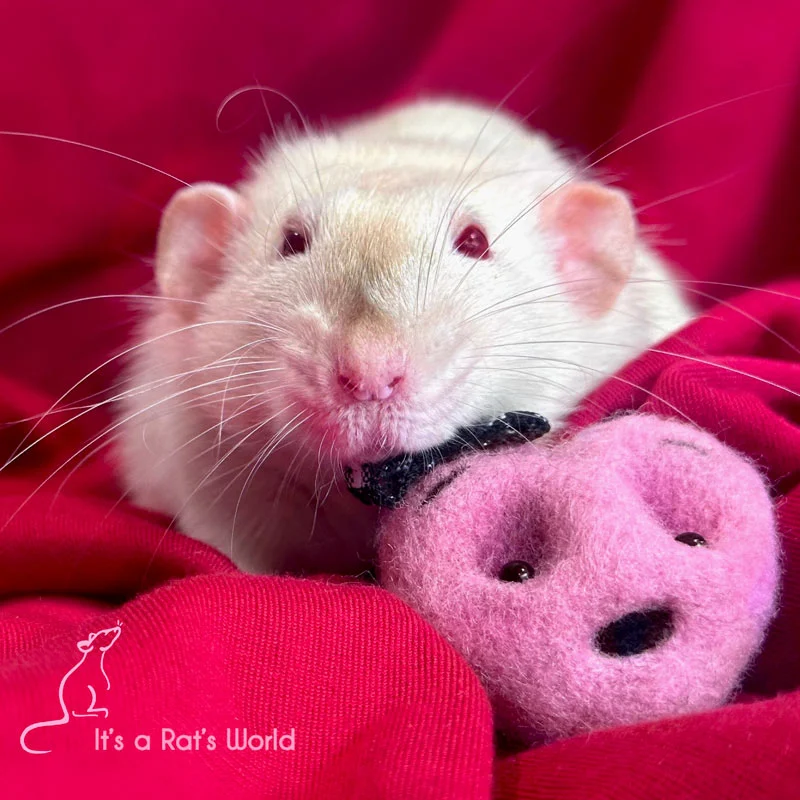
The human-animal bond is a well-documented psychological phenomenon, yet for owners of small companion animals like the domestic rat (Rattus norvegicus), the depth of connection often transcends typical expectations of pet ownership. Within the rat-keeping community, enthusiasts frequently identify a specific animal as a "heart rat"—an individual creature with whom they share a profound, transformative, and often life-altering connection. This term, while informal, serves as a cornerstone for understanding the emotional landscape of long-term rat stewardship.
For dedicated rat keepers, the distinction between a "favorite" and a "heart rat" is significant. While a mischief—the collective noun for a group of rats—may contain several individuals for whom an owner feels affection, the heart rat is described as a soulmate animal. This bond is characterized by a high degree of mutual recognition, distinct personality traits that resonate with the owner’s own temperament, and an impact that persists long after the animal’s relatively short lifespan concludes.
Chronology of Emotional Investment
The lifespan of the domestic rat is brief, typically ranging from two to three years. This accelerated life cycle forces owners to process the cycles of grief and attachment more frequently than those who own longer-lived species. Research into human-animal interaction suggests that because rats are highly social, intelligent, and capable of complex emotional signaling—such as bruxing (grinding teeth) and boggling (vibrating eyes)—they are uniquely equipped to form deep attachments with humans.
Over a period spanning three decades, long-term enthusiasts report a distinct pattern in how these bonds manifest. In many cases, the first heart rat acts as a catalyst for a lifelong commitment to the species. For many, this initial bond occurs during formative periods of adulthood or during times of personal transition. Historical accounts from the rat-keeping community, such as those provided by long-term advocates like Brandi Saxton, indicate that these bonds are rarely sought out; rather, they develop organically through shared daily interactions and mutual trust-building exercises.
Defining the Heart Rat: Behavioral and Psychological Indicators
What separates a heart rat from the rest of a mischief is often a "bowl-you-over" personality. These animals are frequently noted for their proactive engagement with their human counterparts. They may exhibit higher levels of social intelligence, an overt desire for physical proximity, and a persistence in seeking attention that forces a stronger interpersonal connection.

From a behavioral science perspective, this may be attributed to individual variations in temperament. Just as dogs and cats exhibit distinct personalities, rats demonstrate wide-ranging behavioral profiles. A heart rat often displays a combination of "boldness" and "sociability," two traits that have been linked to higher levels of oxytocin-mediated bonding in mammals. When a rat seeks out its owner, attempts to initiate play, or provides comfort during periods of human distress, it creates a feedback loop of emotional reinforcement that the owner perceives as a profound, near-mystical connection.
Statistical Context and Prevalence
While formal academic data on "heart rats" is scarce, anecdotal evidence from rescue organizations and hobbyist clubs suggests that the phenomenon is universal among long-term keepers. In a population of 59 rats kept over 30 years, an owner might only identify six to eight individuals as meeting the criteria for a heart rat. This implies that the heart rat bond is an exceptional, rather than standard, occurrence.
The implications of this are significant for animal welfare. Owners who form these deep, identity-shaping bonds with their pets are statistically more likely to advocate for higher standards of care, support rescue operations, and invest in advanced veterinary treatments. The "heart rat" serves as an ambassador for the species, effectively changing the public perception of rats from pests to complex, sentient companions.
The Impact of Loss and Legacy
The grief experienced upon the loss of a heart rat is often compared by owners to the loss of a close family member or a lifelong friend. Because the animal’s presence is so closely tied to the owner’s daily routine and personal identity, the void left behind is substantial. This grief frequently leads to "memorialization," where owners honor the animal through art, literature, or by naming subsequent pets or even human children after them.

This process of memorialization is a common psychological mechanism for coping with the death of a companion animal. By externalizing the memory—through tattoos, naming, or creative writing—the owner integrates the animal’s legacy into their own narrative. This practice also underscores the fact that the relationship was not merely a hobby, but a foundational element of the individual’s life trajectory.
Institutional Perspectives on Human-Rat Bonding
While the veterinary community focuses on the physical health of rats, there is an increasing recognition of the mental health benefits provided by these animals. Clinical psychologists have noted that for individuals dealing with conditions such as ADHD, depression, or anxiety, the presence of a responsive, non-judgmental animal can provide a crucial "anchor." The "heart rat" acts as a form of social support that can mitigate the symptoms of isolation.

In professional rescue settings, such as those run by groups like Any Rat Rescue, staff and volunteers often witness these bonds firsthand. They observe that certain rats seem to "select" their owners during the adoption process. These instances of immediate, intense connection are frequently cited as the start of a heart-rat relationship. It suggests that the chemistry between a human and a rat is a two-way street, where the animal’s own social choices play a defining role.
Broader Implications for Animal Stewardship
The phenomenon of the heart rat serves as a poignant reminder of the capacity for interspecies connection. As society continues to evolve in its understanding of animal sentience, the experiences of rat owners offer valuable insight into how even the smallest companions can hold the highest importance.
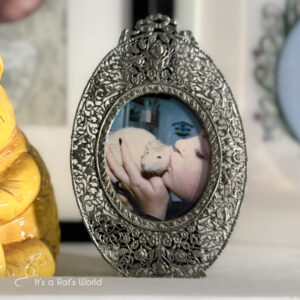
The long-term analysis of these relationships suggests three key takeaways for current and prospective owners:
- Unpredictability: A heart rat cannot be "selected" or trained. It is a matter of organic development, often occurring when the human is most in need of a companion.
- Diversity of Expression: A heart rat may be an outgoing, energetic personality, or it may be a quiet, independent soul that reveals its deep attachment only after a period of trust-building.
- Multi-Rat Bonds: Occasionally, a group of rats may function as a singular emotional unit, sharing the role of a "heart rat" due to their inseparable nature and synchronized behaviors.
Ultimately, the heart rat is a testament to the fact that emotional depth is not determined by size. For those who have experienced it, the bond is as real and as significant as any human relationship. As research into the cognitive abilities of rodents continues to expand, it is likely that we will see further validation for these anecdotal reports, reinforcing the notion that these small, intelligent creatures are capable of occupying a massive space in the human heart. The cycle of love, loss, and the eventual opening of one’s heart to a new companion remains the defining journey for the modern "rat person," ensuring that the legacy of these unique animals continues to shape human lives for years to come.

