


For many pet owners, the journey of animal companionship is one of continuous learning and adaptation. This is particularly true for owners of pet rats, intelligent and social creatures whose care requirements are often misunderstood. Brandi Saxton, a seasoned rat enthusiast with over 30 years of experience and two decades dedicated to researching and writing about rat care, shares her insights on common pitfalls that even the most well-intentioned owners can fall into. Her extensive knowledge, gained through years of personal experience, consultation with veterinarians, and collaboration with rescue organizations, highlights the critical need for accurate information and dedicated commitment in providing a thriving environment for these beloved pets.
The Evolution of Rat Care Knowledge
Saxton’s own journey as a rat owner began in the 1990s, a period characterized by limited and often inaccurate information regarding rat husbandry. Back then, readily available resources were scarce, and pet store displays frequently showcased products and housing solutions that were detrimental to rat health. This lack of accessible, reliable data led to common misconceptions that persist even today. For instance, the idea of keeping single rats, the use of inadequate cage sizes, and the application of toxic bedding materials like pine and cedar shavings were once more prevalent, fueled by misinformation.

"Having singletons rather than two or more rats was one of those mistakes," Saxton recalls, emphasizing the deeply social nature of rats. "Oops, rats are social and really need friends!" Similarly, the use of small, poorly ventilated aquariums as cages was a common practice, despite their inherent limitations in providing adequate airflow and space. The use of pine and cedar shavings, now widely recognized as toxic due to their aromatic oils that can cause respiratory issues in small animals, further compounded these early care errors. "I literally shudder every time I have flashbacks of my early days as a rat owner," she admits.
However, as accurate rat care information became more accessible, Saxton’s innate perfectionism propelled her into an intensive research phase. This pursuit of knowledge not only allowed her to correct her own past mistakes but also ignited a passion for disseminating this crucial information to other rat owners, aiming to prevent them from making similar errors.
Identifying and Rectifying Common Rat Care Errors
Saxton outlines ten key areas where rat owners frequently encounter challenges, offering practical advice and recommended alternatives.

1. Relying on Inaccurate Information Sources
In the digital age, the internet offers a vast repository of information, but it is also a fertile ground for misinformation. Saxton stresses the importance of critically evaluating online resources, whether they are websites, blogs, or social media influencers. "Don’t assume that every website, blog, or rat influencer online knows what they are talking about; they may be repeating outdated information," she warns.
To discern credible sources, Saxton suggests considering the duration of the source’s experience with rats, their methods of care, and whether they cite veterinary professionals or reputable rat care organizations. She highlights the Rat Guide (ratguide.com) as a valuable resource for health-related information. She also cautions against relying solely on AI for answers, as it can often misinterpret or present inaccurate data. Her own extensive experience, spanning over three decades, coupled with consultations with veterinarians and seasoned rescue professionals, underpins her authority on the subject.
2. Inadequate Housing and Supplies
The physical environment of a rat’s cage is paramount to its well-being. Saxton identifies several common mistakes related to housing:

- Cage Size and Ventilation: Rats require spacious, multi-level cages with excellent ventilation. A cage that is too small can lead to stress, boredom, and health problems. Saxton recommends using a cage calculator to determine the appropriate size based on the number of rats.
- Bar Spacing and Latches: Wire bar spacing should be narrow enough to prevent escape, and latches must be secure.
- Wire Floors: Exposed wire floors are a significant hazard, potentially causing bumblefoot (a painful infection) and injuries. Saxton strongly advises against allowing rats to walk or sleep on bare wire, advocating for covering them with solid materials or bedding.
- Bedding Choices: While many bedding options are available, some, like pine and cedar, are toxic. Even seemingly safe options can cause respiratory irritation in sensitive rats. Saxton prefers fleece for its safety and absorbency, and crushed walnut shells (properly treated by freezing for 24-48 hours to kill parasites) for litter boxes.
- Cage Accessories: Pet stores sometimes market products that are not suitable or even harmful for rats. Thoughtful selection of toys, climbing structures, and hiding places is crucial for enrichment.
Saxton’s articles, "Cage Makeover With Rat Cage Ideas" and "My Favorite Tips For Rat Care," offer further guidance on creating an enriching and safe habitat. Her pieces on "Home Environment: Rats And The Air" and "Home Environment: Rats And Home Ambience" also provide essential context for cage placement and the surrounding atmosphere.
3. Infrequent Cage Cleaning
A clean living space is fundamental to a rat’s health. Accumulation of ammonia from urine and feces can severely irritate their sensitive respiratory systems, leading to illnesses like pneumonia. It can also cause eye irritation and unpleasant odors. Saxton advocates for a consistent cleaning schedule, emphasizing that a dirty cage is an unhealthy cage. Her article, "Resolve To Keep Your Rat’s Habitat Cleaner," offers practical strategies for maintaining hygiene.
4. Poor Feeding Habits
Nutrition is a cornerstone of rat health, and mistakes in this area can have serious consequences. Saxton highlights two primary issues:

- Substandard Commercial Diets: Not all commercial rat foods are created equal. Owners should scrutinize labels to ensure the food provides balanced nutrition and meets the specific dietary needs of rats.
- Overfeeding and Junk Food: While rats are often perceived as scavengers who can eat anything, their diet should be carefully managed. Excessive feeding of staple diets or even healthy treats can lead to obesity. Furthermore, regularly feeding rats human junk food – such as fries, pizza, chips, and sugary items – is detrimental to their health due to their high fat, salt, and sugar content. Saxton acknowledges the temptation to indulge pets but stresses that even healthy fruits and vegetables should be given in appropriate portions. She directs owners to co-authored articles on the Rat Guide for detailed information on staple diets and portion-controlled snacks.
5. Insufficient Exercise and Mental Stimulation
Rats are intelligent and energetic animals that require regular physical activity and mental engagement to prevent boredom, obesity, and behavioral issues. Saxton’s article, "Daily Exercise For Rats," provides numerous suggestions for keeping rats active and stimulated, emphasizing that a sedentary lifestyle can negatively impact their health and well-being.
6. Improper Handling: Grabbing by the Tail
The rat’s tail is a vital appendage, serving multiple functions beyond simple balance. It aids in thermoregulation, provides sensory input, and is an extension of their spine. Grabbing a rat by its tail is not only painful but can also lead to severe injury, including damage to the tail’s blood vessels or even bone fractures. Saxton unequivocally states, "Never pick up your rat by the tail," and recommends her article, "Why Rat Tails Are So Important," for a deeper understanding of this crucial anatomical feature.
7. Lack of Financial Preparedness
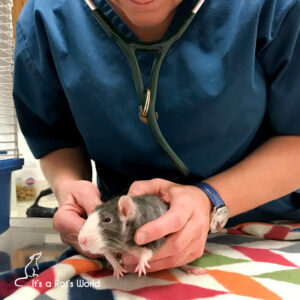
The financial commitment of owning rats is often underestimated. Saxton points out that veterinary care costs have significantly increased, with a 60% rise since 2014. Rats are prone to various health issues, including respiratory problems, tumors, and age-related ailments, making regular vet visits almost a certainty. The cost of initial setup, ongoing food, bedding, toys, and potential emergency medical treatments can be substantial. Saxton advises prospective owners to prepare for unexpected expenses, start a dedicated savings account for their rats’ care, and identify a veterinarian experienced with exotic pets before an emergency arises. Her personal experience of having to take a break from rat ownership due to financial constraints underscores this crucial point.
8. Premature Free-Ranging
While free-ranging offers rats opportunities for exploration and exercise, it must be approached with caution and preparation. New owners may not be aware of the potential dangers in their homes, such as electrical cords, toxic plants, or small spaces where rats could get trapped. Additionally, rats can cause damage to furniture and belongings, and their waste can pose hygiene issues. Saxton’s article, "Free-Ranging Pet Rats: What Every Owner Needs To Know," provides essential guidelines for safely integrating free-ranging into a rat’s life.
9. Neglecting the Needs of Senior Rats
As rats age, their physical and medical needs change, requiring adjustments from their owners. Saxton emphasizes the importance of recognizing these changes and adapting their environment accordingly. Mobility issues, for instance, may necessitate lower ramps, modified food and water dispensers, and easier access to hammocks. Changes in appetite can indicate underlying health problems and require prompt veterinary attention. Monitoring for symptoms of illness and seeking timely treatment, including antibiotics and pain medication, can significantly improve the quality of life for senior rats. Her article, "Senior Rats: What To Expect And How To Care For Them," serves as a comprehensive guide to assisted living for older rats.
10. Lack of Full Commitment
Ultimately, responsible rat ownership hinges on a daily commitment to their well-being. Saxton questions whether owners are spending sufficient quality time with their rats, integrating them into the family rather than merely keeping them as pets. Establishing daily routines for feeding, playtime, and social interaction is vital. Rats are creatures of habit and thrive on predictability. The rewards of this daily dedication are the deep bonds and mutual trust that develop between owner and pet. Saxton also points to her articles, "How To Be The Best Rat Mom Or Rat Dad" and "Pet Rat Care Do’s And Don’ts," for additional insights into building a strong owner-pet relationship.
By understanding and actively avoiding these common pitfalls, rat owners can ensure their intelligent and affectionate companions lead happy, healthy, and fulfilling lives. Saxton’s dedication to sharing accurate information serves as a crucial resource for navigating the complexities of rat husbandry, fostering a community of informed and compassionate rat guardians.

