


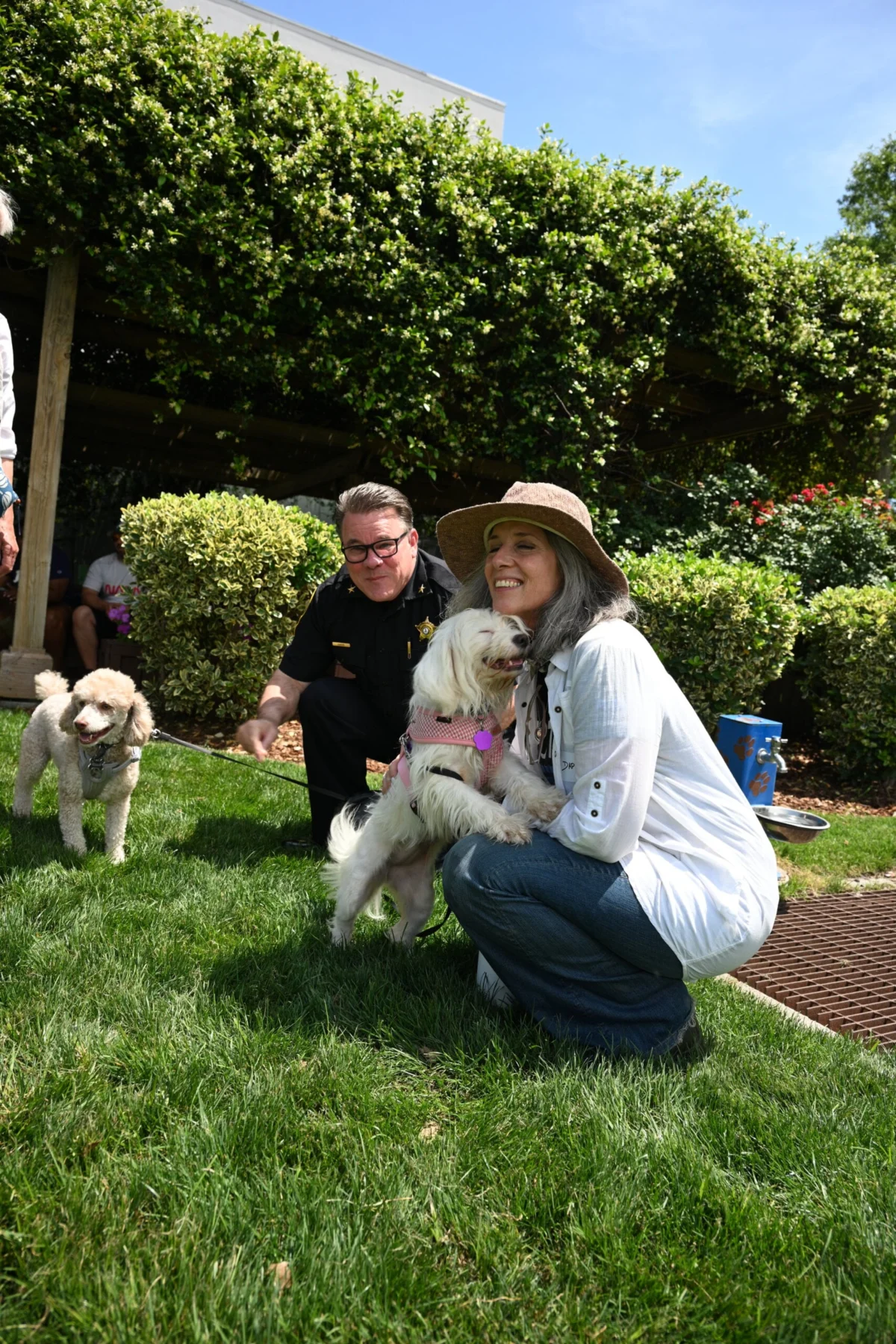
The city of Norfolk, Virginia, became the epicenter of animal welfare advocacy this past weekend as the annual Poochella festival returned to the Bea Arthur Dog Park. Orchestrated by People for the Ethical Treatment of Animals (PETA), the event served as a high-profile platform for nine regional animal shelters to showcase adoptable dogs and connect with potential guardians. Unlike traditional music festivals, Poochella’s primary objective is to address the escalating crisis of animal homelessness in the United States, utilizing a community-focused celebration to facilitate life-saving connections between displaced canines and local residents.
The festival, which took place on Saturday, June 3, 2026, transformed the waterfront dog park into a vibrant hub of activity. The event featured a curated selection of dogs of various breeds, ages, and backgrounds, all unified by their need for permanent, loving homes. Beyond the adoption drive, the festival integrated educational workshops, professional training demonstrations, and the participation of local civic leaders, signaling a unified front against the systemic issues contributing to shelter overpopulation in the Hampton Roads area and beyond.
A Strategic Response to the National Shelter Crisis
Poochella 2026 arrives at a critical juncture for animal welfare organizations. According to data from the American Society for the Prevention of Cruelty to Animals (ASPCA) and Shelter Animals Count, approximately 6.3 million companion animals enter U.S. shelters every year. Of these, roughly 3.1 million are dogs. While adoption rates have seen fluctuations over the last decade, the post-pandemic era has introduced new challenges, including a surge in surrenders driven by economic pressures, housing instability, and the rising costs of veterinary care.
In Virginia, local shelters have reported operating at or near maximum capacity for several consecutive quarters. The participation of nine distinct shelters at Poochella—ranging from municipal animal control facilities to private non-profit rescues—highlights the necessity of collaborative efforts. By centralizing adoption opportunities in a festive, low-stress environment like the Bea Arthur Dog Park, organizers aim to lower the barriers to adoption and reach demographics that might not otherwise visit a traditional shelter facility.
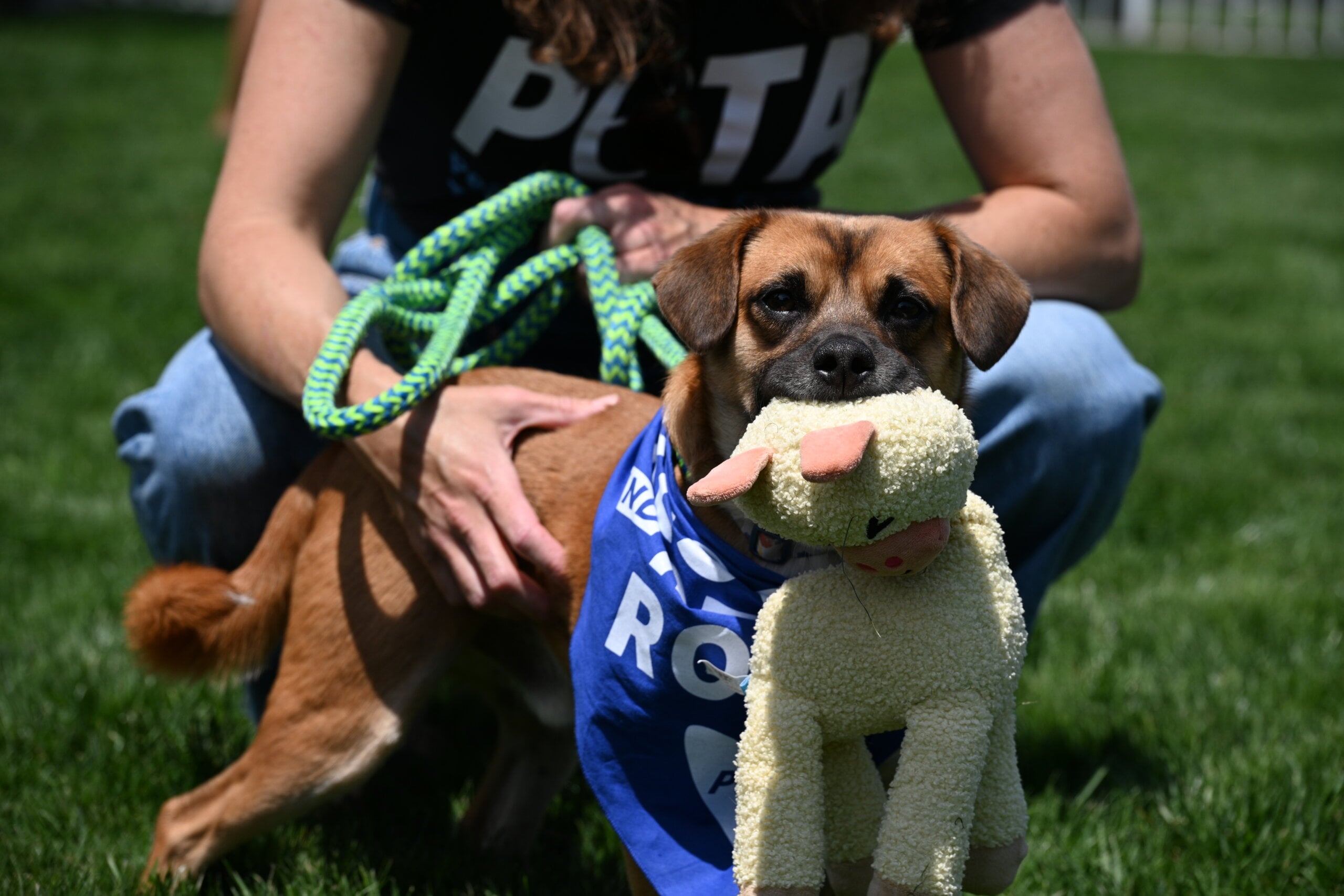
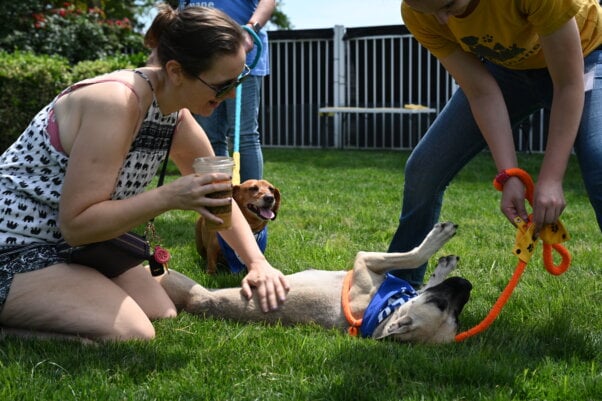
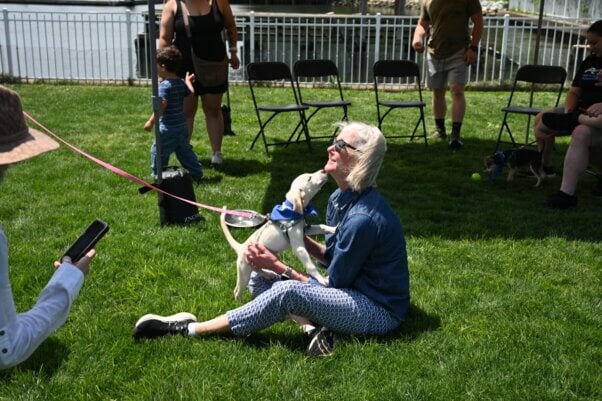
One of the most notable success stories of the day involved a dog named Dos. Previously categorized as a long-term resident of a local shelter, Dos successfully connected with a family during the event. Such "fur-ever" home placements are the primary metric of success for the festival, providing immediate relief to the participating shelters and offering a second chance to animals that might otherwise face prolonged confinement or, in some facilities, the risk of euthanasia due to lack of space.
Civic Leadership and Community Engagement
The significance of Poochella extended into the political and public safety spheres, evidenced by the attendance of high-ranking local officials. Norfolk Councilwoman Courtney Doyle and Norfolk Sheriff Joe Baron were among the prominent figures mingling with attendees and advocates. Their presence underscores the intersection of animal welfare and public policy.
From a municipal perspective, animal homelessness is not merely a philanthropic concern but a matter of public health and safety. Stray populations, when left unmanaged, can lead to increased incidents of animal-related injuries and the spread of zoonotic diseases. Furthermore, the financial burden of operating municipal shelters is a significant line item in local budgets. Advocates at the event noted that promoting adoption and proactive spay/neuter programs reduces the long-term fiscal strain on the city by decreasing the number of animals entering the system.
Sheriff Joe Baron’s participation also highlighted the role of law enforcement in animal protection. In many jurisdictions, sheriff’s offices and police departments work closely with animal control officers to investigate cases of cruelty and neglect. By supporting events like Poochella, local officials signal their commitment to a culture of compassion and responsible pet ownership, which is often linked to broader community stability.
Educational Programming and Professional Resources
Poochella 2026 was structured to be more than a weekend outing; it was designed as an educational seminar for current and prospective dog guardians. Throughout the day, shelter professionals and certified animal behaviorists provided complimentary consultations. These sessions addressed common behavioral challenges—such as leash reactivity, separation anxiety, and basic obedience—which are frequently cited as reasons for animal surrenders.
By equipping owners with the tools necessary to maintain a successful relationship with their pets, Poochella serves as a preventative measure against future homelessness. "The goal is not just to get dogs out of shelters, but to ensure they never have to return to one," noted one volunteer coordinator.
The festival also emphasized the importance of holistic animal care. Attendees were treated to vegan burgers donated by Abbots, a plant-based food company. This choice was a deliberate extension of PETA’s mission to promote a compassionate lifestyle that excludes the exploitation of all animals. The inclusion of high-quality, plant-based catering served to demonstrate the accessibility of cruelty-free living to a mainstream audience.
The Economic and Ethical Impact of the Pet Trade
A central theme of the Poochella advocacy messaging was the direct link between the commercial pet trade and the shelter crisis. PETA and its partner shelters utilized the event to educate the public on the consequences of purchasing animals from breeders or pet stores.
Data indicates that for every animal purchased from a commercial breeder, a shelter animal loses the opportunity for adoption. The "Adopt, Don’t Shop" movement, which gained significant traction during the event, argues that the continued demand for specific breeds fuels puppy mills—large-scale commercial dog breeding operations that often prioritize profit over the health and welfare of the animals.
The ethical analysis presented at the festival suggested that the "overpopulation crisis" is, in part, a distribution and manufacturing crisis. With millions of healthy, behaviorally sound dogs already waiting in shelters, the production of new animals for profit is seen by advocates as a primary driver of the high euthanasia rates across the country. By highlighting dogs like Dos, who are often overlooked in favor of "designer" breeds, Poochella seeks to shift the cultural paradigm toward rescue.

The Role of the Bea Arthur Dog Park
The choice of venue—the Bea Arthur Dog Park—carries its own historical and symbolic weight. Named after the late actress and dedicated animal rights activist Bea Arthur, the park was established through her generous support of PETA. Located on the Elizabeth River in Norfolk, the park serves as a year-round resource for the community, providing a safe, clean space for dogs to socialize and exercise.
Holding Poochella at this location reinforces the link between the local community and the global animal rights movement. It provides a tangible example of how philanthropy and activism can result in permanent infrastructure that benefits both humans and animals. For the shelters involved, the park offers a neutral and welcoming environment that allows a dog’s true personality to shine, away from the loud and often frightening atmosphere of a kennel.
Looking Forward: The Future of Animal Advocacy in Norfolk
As Poochella 2026 concluded, the impact of the event was expected to ripple through the Hampton Roads region for weeks to come. While the immediate goal was adoption, the long-term objective is the implementation of more robust spay and neuter initiatives. PETA continues to offer low-cost or no-cost "fixing" services through its mobile clinics, aiming to address the problem of homelessness at its source by preventing unplanned litters.
The success of the 2026 festival suggests a growing public appetite for events that combine entertainment with social responsibility. As municipal shelters continue to navigate the complexities of modern animal control, the Poochella model—relying on transparency, community partnership, and high-visibility advocacy—offers a blueprint for other cities facing similar challenges.
For those who were unable to attend the festival, the message from organizers remains clear: the crisis of animal homelessness requires a collective effort. Whether through direct adoption, volunteering at local shelters, or advocating for stronger animal protection laws, every member of the community has a role to play in ensuring that every dog has a safe place to sleep and a family to call its own.
As the sun set over the Elizabeth River on Saturday, the barking at the Bea Arthur Dog Park was not just a sound of play, but a reminder of the thousands of animals still waiting for their turn. With the help of events like Poochella, the path from the shelter to the home is becoming shorter, one wagging tail at a time. For more information on how to support local shelters or to inquire about animals currently available for adoption, residents are encouraged to contact their local animal care centers or reach out to PETA’s adoption coordinators directly.

