


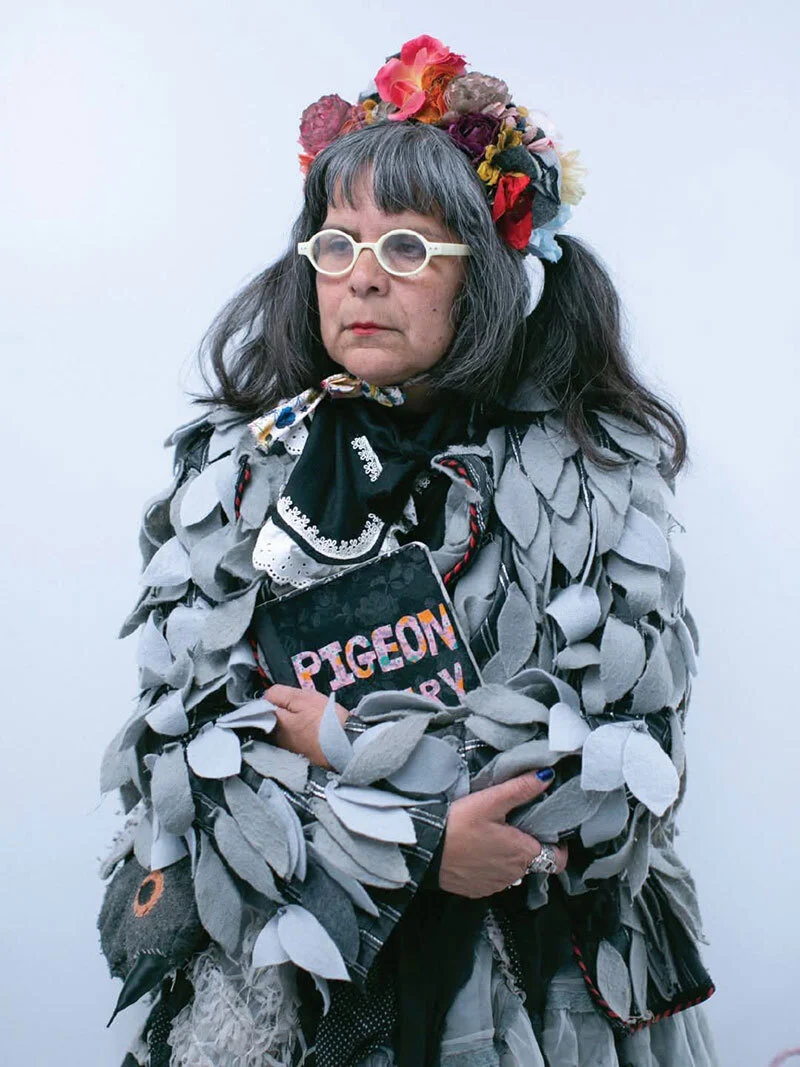
The vibrant tapestry of New York City’s artistic landscape is perennially enriched by unique voices that challenge perceptions and spark dialogue. Among these compelling figures is Tina Piña Trachtenburg, an artist and activist widely recognized by her persona, Mother Pigeon. Trachtenburg has garnered significant attention for her fervent advocacy on behalf of the city’s often-maligned pigeon population, transforming her passion into a multifaceted artistic and protest movement aimed at ending the controversial practice of live pigeon shoots in Pennsylvania, which she alleges are supplied by pigeons captured in New York City parks.
The Genesis of Mother Pigeon: Art Meets Activism
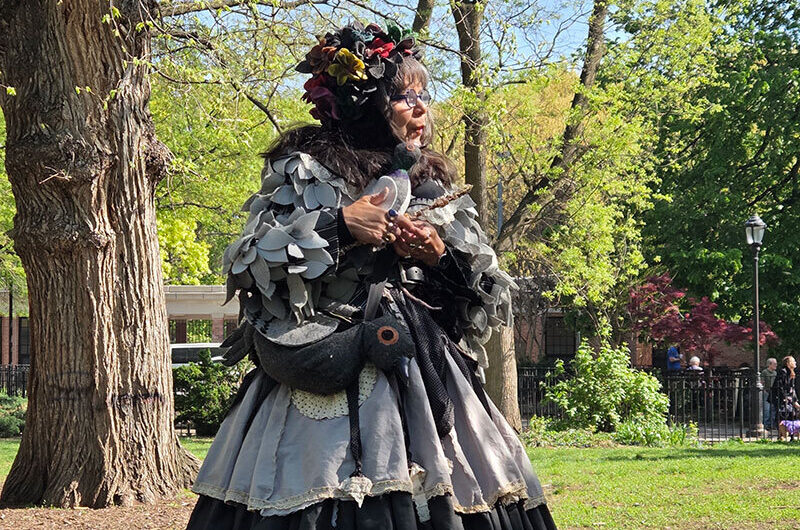
Tina Piña Trachtenburg’s journey into activism is deeply intertwined with her artistic expression. As Mother Pigeon, she embodies a singular blend of street performance, puppetry, music, and social media outreach, all dedicated to raising awareness and fighting for the rights of urban pigeons. Her work transcends conventional activism, leveraging creative mediums to draw attention to an issue often overlooked by the broader public. This artistic approach allows her to connect with diverse audiences, inviting them to reconsider their relationship with a creature frequently dismissed as a nuisance.
The core of Mother Pigeon’s current campaign targets the illegal capture of pigeons from New York City, particularly from public spaces like Maria Hernandez Park in Brooklyn. These pigeons, she asserts, are then illegally transported across state lines to Pennsylvania, where they are used in live pigeon shooting events. This practice, often referred to as "trap and block" shooting, involves releasing pigeons from mechanical traps to be shot at by participants, raising profound ethical questions about animal welfare and the legality of such operations. Trachtenburg has proactively offered a $300 reward for photographic and video evidence with strong identification capabilities of individuals engaged in pigeon capture within Maria Hernandez Park, underscoring the seriousness with which she views these activities.
The Controversy of Live Pigeon Shoots: A Historical and Ethical Overview
Live pigeon shoots have a contentious history in the United States, rooted in a tradition that dates back centuries. Historically, these events were seen as a test of marksmanship and were often associated with social gatherings. However, over the past few decades, growing public awareness of animal welfare has brought the practice under intense scrutiny. Opponents argue that the events constitute blatant animal cruelty, subjecting sentient beings to undue suffering for entertainment. Pigeons, often disoriented and terrified, are released from traps, offering little challenge to shooters and frequently resulting in injuries rather than immediate death, prolonging their agony.
In Pennsylvania, one of the few states where such events persist, the legal framework surrounding live pigeon shoots has been a battleground for animal rights advocates for years. While proponents of the shoots often cite tradition, economic benefits from tourism, or even pest control as justifications, these arguments are increasingly challenged by animal welfare organizations and a significant portion of the public. The perceived lack of fair chase, the suffering inflicted upon the birds, and the potential for illegal procurement of pigeons from urban areas have fueled a persistent movement to ban these events outright.
A Legal Front: The Push for H.B. 1097
The legal efforts to halt live pigeon shoots have seen significant momentum, particularly in Pennsylvania. The New York City Bar Association’s Animal Law Committee has emerged as a prominent voice against these practices, actively supporting legislative initiatives aimed at their prohibition. Their advocacy specifically highlights H.B. 1097 (2025–2026) legislation, which seeks to ban the use of live pigeons as targets in trap and block shooting events within Pennsylvania. This legislative push underscores a broader legal and ethical consensus emerging against the practice.
The proposed H.B. 1097 represents a critical attempt to codify animal welfare standards into law, reflecting evolving societal norms regarding the treatment of animals. Should it pass, it would significantly alter the landscape of animal rights in Pennsylvania and potentially serve as a precedent for other states. The NYC Bar Association’s involvement, while focused on Pennsylvania, implicitly acknowledges the interstate nature of the problem, given the allegations of pigeons being sourced from New York City. Their support lends considerable weight to the movement, signaling that the issue is not merely one of animal rights but also of legal and ethical governance. This cross-state advocacy highlights the interconnectedness of animal welfare issues and the need for comprehensive legislative solutions.
Pigeons in the Urban Ecosystem: More Than Just ‘Flying Rats’
A crucial aspect of Mother Pigeon’s advocacy is challenging the prevailing negative stereotypes surrounding urban pigeons. Often derided as "flying rats" or disease carriers, pigeons are, in fact, an integral part of the urban ecosystem. Descendants of rock doves, they have coexisted with humans for millennia, adapting remarkably to urban environments. They play a role in seed dispersal and, like all species, contribute to biodiversity.
The perception of pigeons as pests has historically contributed to a lack of empathy and, in some cases, justification for their mistreatment. Trachtenburg’s work aims to reframe this narrative, encouraging compassion and understanding for these resilient birds. By highlighting their intelligence, social structures, and their often-overlooked beauty, she seeks to foster a paradigm shift in how urban dwellers view their feathered neighbors. This re-evaluation is essential not only for the pigeons themselves but also for promoting a more harmonious human-animal coexistence in dense urban settings.
The Art of Advocacy: Mother Pigeon’s Creative Arsenal
Beyond direct protest and reward offerings, Tina Piña Trachtenburg harnesses the power of art to amplify her message. Her digital footprint is extensive and strategically utilized for advocacy. Her YouTube channel, Mother Pigeon’s Impeckable Musical Puppet Show, is a testament to her innovative approach. Over the course of a year, she produced ten unique videos, starring hand puppets Frankie the Pigeon and Max the Rat. These characters serve as charming, accessible conduits for educational content about pigeons, animal rights, and the issues they face. The project also led to the release of nine original songs, along with a bonus reading of her published book, all available on Bandcamp. This creative output allows her to engage younger audiences and those who might not typically seek out animal rights content through traditional channels.
Her social media presence is equally robust. With an Instagram account boasting over 38,000 followers and more than a thousand posts, Trachtenburg consistently documents her work, her daily interactions with pigeons, and her broader advocacy efforts. Her Facebook page further expands her reach, creating a vibrant online community around her cause. Through these platforms, she shares stories, updates on legislative efforts, and calls to action, transforming her personal commitment into a collective movement. A short YouTube video also provides a direct glimpse into her motivations and inspirations, offering a personal connection to her audience. This multi-platform digital strategy is a hallmark of modern activism, allowing for rapid dissemination of information and fostering a sense of community among supporters.
Broader Implications and the Future of Urban Wildlife Advocacy
Mother Pigeon’s work highlights several critical implications for urban wildlife management and animal rights advocacy. Firstly, it underscores the ongoing tension between human activities and the welfare of urban animals. As cities expand, conflicts over shared spaces are inevitable, making ethical considerations paramount. Secondly, her creative approach demonstrates the effectiveness of integrating art into activism. By making the message engaging and accessible, she broadens its appeal beyond traditional activist circles.
The legal battle over H.B. 1097 in Pennsylvania is a microcosm of a larger national debate about animal cruelty laws and the definition of sport. The outcome of this legislation could set a significant precedent, influencing similar efforts in other states where live animal shoots persist. Furthermore, the alleged interstate trafficking of pigeons for these events raises questions about enforcement mechanisms and the need for stronger collaboration between state agencies.
Trachtenburg’s individual efforts, amplified by her artistic output and digital presence, represent a powerful model for grassroots advocacy. Her dedication to the city’s pigeons serves as a reminder that every creature, regardless of its perceived status, deserves compassion and protection. As urban environments continue to evolve, the need for advocates like Mother Pigeon, who bridge the gap between human and animal worlds through empathy and artistic expression, will only grow. Her work challenges society to look beyond superficial judgments and recognize the inherent value in all forms of life, fostering a more compassionate and informed urban citizenry. The fight for the pigeons of New York City, championed by Mother Pigeon, is more than just about birds; it is about the very values we uphold in our shared ecosystems.

