


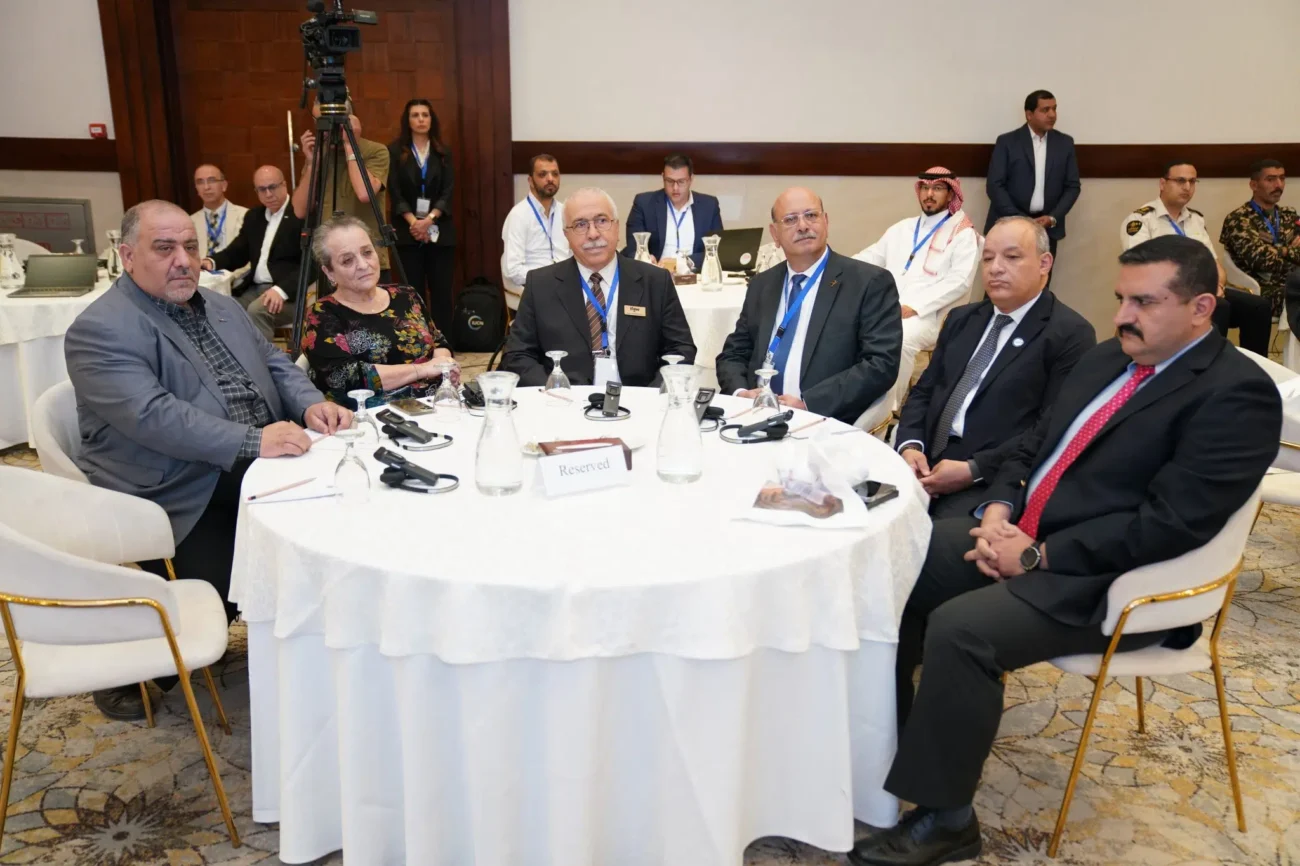
Amman, Jordan – 3 June 2026 – Under the distinguished patronage of Her Royal Highness Princess Alia Bint Al Hussein, a pivotal regional workshop, titled "Promoting Positive Community Behaviour to Reduce Demand for Wildlife and Birds in the Middle East," commenced today in Amman. The gathering convenes a diverse array of stakeholders, including government representatives, national, regional, and international environmental organizations, and leading experts in nature conservation from across the Middle East. This significant event underscores a growing regional commitment to address the complex drivers behind the demand for wildlife and birds, particularly focusing on the imperative of shifting societal attitudes and behaviours.
Her Royal Highness Princess Alia bint Al Hussein, in her opening address, eloquently highlighted the profound importance of cultivating positive societal attitudes and behaviours towards the conservation of nature and its myriad wildlife. She underscored that a deep-seated appreciation for the natural world is not merely an abstract concept but is, in fact, intrinsically woven into the fabric of Arab culture and long-standing traditions. This cultural resonance, she emphasized, provides a strong foundation upon which to build more effective conservation strategies.
Cultivating a Culture of Conservation: Education and Youth Empowerment
Princess Alia further elaborated on the critical role of comprehensive awareness-raising campaigns, robust educational initiatives, and the active encouragement of positive behaviours, with a particular emphasis on engaging children and young people. She articulated that empowering the younger generation to become active disseminators of environmental knowledge to their peers and families is paramount. Such proactive efforts, she posited, are instrumental in forging an informed and environmentally conscious society that possesses a clear understanding of the far-reaching consequences of biodiversity loss and recognizes the vital necessity of safeguarding natural resources for the enduring benefit of future generations.
The workshop’s significance extends beyond national borders, as Princess Alia also stressed the invaluable contribution of convening regional gatherings that bring together participants from across the Arab world. These forums, she noted, serve as crucial platforms for the exchange of expertise and knowledge, fostering in-depth discussions on shared challenges, and collaboratively exploring potential solutions. This collaborative spirit, she observed, significantly bolsters wildlife conservation efforts and is essential for securing safe migratory routes for the countless birds that traverse countries and regions along one of the world’s most critical avian flyways.

A Collaborative Effort for Avian Protection
This vital workshop is a joint initiative spearheaded by BirdLife International – Middle East and the International Fund for Animal Welfare (IFAW). Their collaborative efforts are further strengthened by the invaluable cooperation of the Royal Society for the Conservation of Nature (RSCN), the Princess Alia Foundation, and the Jordanian Ministry of Environment. The event receives crucial support from the Safe Flyways for Migratory Birds Project 3: Reducing Illegal Killing of Birds, an initiative actively being implemented in countries such as Lebanon, Syria, Palestine, and other Mediterranean nations.
The overarching aim of this workshop is to introduce and integrate principles and approaches drawn from the social sciences to facilitate behavioral change. It seeks to deepen the understanding of the complex interplay of behavioral, social, economic, and cultural factors that contribute to the illegal killing, taking, and trade of birds within the Middle East. Furthermore, the workshop is dedicated to supporting the development of evidence-based solutions and future initiatives designed to effectively reduce the demand for wildlife and birds. A key objective is also to strengthen regional cooperation among governments, civil society organizations, experts, and international partners, thereby enhancing the protection of migratory birds and the broader biodiversity of the region.
Understanding the Drivers of Demand: A Behavioral Science Approach
Ibrahim Al Khader, Regional Director of BirdLife International – Middle East, articulated the organization’s instrumental role in elevating the issue of illegal bird killing onto the international agenda. Through its extensive network of national partners worldwide, BirdLife International champions independent monitoring efforts and generates the scientific evidence necessary to inform government policies and strategic decision-making processes.
Al Khader underscored the timeliness of the workshop, occurring at a juncture when global assessments consistently highlight unsustainable human activities and behaviours as primary drivers of biodiversity loss. Simultaneously, he acknowledged the potent role that positive behavior change can play in confronting these formidable challenges. He specifically pointed to the Middle East, a region situated along one of the world’s most significant migratory bird flyways, where the persistent threat of illegal and unsustainable killing, taking, and trade continues to endanger numerous migratory and resident bird species, including those of global conservation concern.
Al Khader emphasized that achieving tangible progress in addressing these multifaceted challenges necessitates a strategic shift beyond a singular reliance on legislative frameworks and law enforcement. Instead, he advocated for a deeper exploration and understanding of the intricate social, economic, and cultural factors that fuel the demand for birds and wildlife. This nuanced approach, he believes, is critical for developing more effective and sustainable conservation strategies.

National Commitments and Regional Cooperation
Mr. Abdul Razzaq Al Hamoud, Director of Protection and Sustainable Hunting at the Royal Society for the Conservation of Nature (RSCN), reaffirmed Jordan’s long-standing commitment to nature conservation. He highlighted that since the Kingdom’s establishment, a concerted effort has been made to promote public awareness and foster robust partnerships between national institutions and civil society organizations. The RSCN, he stated, remains dedicated to implementing conservation programs and advocating for sustainable hunting practices to bolster biodiversity conservation. Moreover, the Society actively supports national and regional endeavors aimed at protecting nature and wildlife. Although Jordan is not directly involved in the implementation of the Safe Flyways Project, Al Hamoud assured that the RSCN is fully committed to sharing its expertise and successful experiences to contribute to the advancement of wildlife conservation efforts across the region.
Al Hamoud further noted that regional instability has regrettably exacerbated illegal hunting and wildlife trafficking. In response, the RSCN is collaborating with a diverse range of partners to develop and deploy precise awareness and information campaigns designed to cultivate positive behaviours that support nature conservation and the sustainable management of natural resources.
Dr. Akram Issa Darwish, Regional Director of the International Fund for Animal Welfare (IFAW), elaborated on the organization’s strategic focus on transforming social perceptions and behaviors globally. He emphasized that this focus is driven by the significant and often profound impact these perceptions and behaviors have on the sustainability and survival of wildlife and its diverse components. IFAW firmly believes that achieving meaningful and lasting change necessitates robust coordination, the active exchange of expertise and research findings, and close collaboration among all pertinent stakeholders within each country, encompassing both governmental and non-governmental entities. Such comprehensive cooperation, he stressed, is vital for fostering a paradigm shift in attitudes and behaviors that have historically exerted detrimental effects on wildlife and the delicate ecosystems upon which they depend.
Dr. Hani Al Shaer, Regional Director of the International Union for Conservation of Nature (IUCN) – West Asia Regional Office, underscored a fundamental principle: "Lasting conservation impact begins with understanding people, influencing behaviour, and empowering communities to become champions of nature." This statement encapsulates the human-centric approach that is increasingly recognized as essential for effective conservation.
Eng. Bilal Qteishat, Director of the Nature Protection Directorate, articulated the Ministry of Environment’s perspective, identifying behavior change as a foundational pillar for biodiversity conservation and habitat protection. He stressed that local communities are indispensable partners in safeguarding and ensuring the long-term sustainability of biodiversity. Through its national programs and in collaboration with national and international civil society organizations, the Ministry endeavors to promote behavior change by delivering targeted awareness and guidance messages that encourage positive environmental practices and actively support conservation initiatives.

A Legacy of Collaboration and a Call to Action
This current workshop represents the second significant regional gathering of its kind, building directly upon the impactful outcomes of the inaugural regional workshop held in Jordan in 2024. That initial meeting critically highlighted the urgent need to fortify regional cooperation and to develop innovative tools and strategies capable of addressing the underlying causes and motivations that drive the illegal killing, taking, and trade of birds.
Recent comprehensive estimates paint a stark picture, indicating that approximately 25 million birds are illegally killed, trapped, or poisoned annually across the vast Mediterranean region. This grim statistic encompasses a wide spectrum of avian life, from the smallest songbirds to the most formidable birds of prey. The "The Killing 3.0" report, which stands as the most extensive independent assessment of illegal bird killing in the region, documented an estimated 20 percent decline in the levels of illegal bird killing compared to previous assessments. However, this progress is demonstrably uneven across different countries. The report also cautions that high levels of illegal bird killing in even a single nation can significantly undermine the conservation gains achieved elsewhere along critical migratory flyways. This observation powerfully underscores the indispensable importance of sustained regional cooperation, dedicated investment, and unwavering long-term political commitment to achieve lasting and meaningful conservation results.
Future Directions and Practical Recommendations
Throughout the duration of the workshop, participants are engaged in in-depth discussions and collaborative sessions focused on exploring the practical application of behavioral change approaches to effectively reduce the demand for wildlife and birds within the Middle East. The discussions are centered on key behavioral change concepts and tools, with a keen focus on dissecting the intricate social, economic, and cultural factors that currently fuel the illegal killing, taking, and trade of birds.
Additional sessions are dedicated to examining the profound influence of traditions and deeply ingrained social norms, the development of viable sustainable livelihood alternatives, and the strategic deployment of communication, awareness-raising, and educational initiatives in fostering positive attitudes and behaviours towards birds and wildlife. Participants are also actively discussing emerging opportunities and inherent challenges pertaining to regional and international cooperation in effectively addressing these complex issues.
Furthermore, the workshop is providing a platform to explore current and evolving trends within the bird trade across the region, alongside an analysis of the pivotal role that technology and digital platforms are playing in shaping consumer demand for wildlife. Discussions are also tackling future priorities for the strategic integration of behavioral change approaches into ongoing and planned bird conservation projects and initiatives.

A strong consensus is emerging among participants that a profound understanding of the underlying motivations behind human behavior is not merely beneficial but fundamentally essential for the development of more effective, sustainable, and impactful conservation solutions. These motivations, it is recognized, are highly variable across diverse social, economic, and cultural contexts, necessitating the formulation of tailored responses that accurately reflect the specific circumstances and cultural nuances of individual communities.
The workshop is anticipated to culminate in the formulation of a concrete set of practical recommendations and actionable initiatives. These outputs are designed to contribute significantly to reducing the demand for illegal activities involving birds and wildlife, while simultaneously strengthening regional cooperation and providing crucial support for ongoing biodiversity conservation efforts across the entirety of the Middle East. The success of these endeavors hinges on continued collaboration, dedicated resources, and a shared commitment to safeguarding the region’s invaluable natural heritage for generations to come.

