


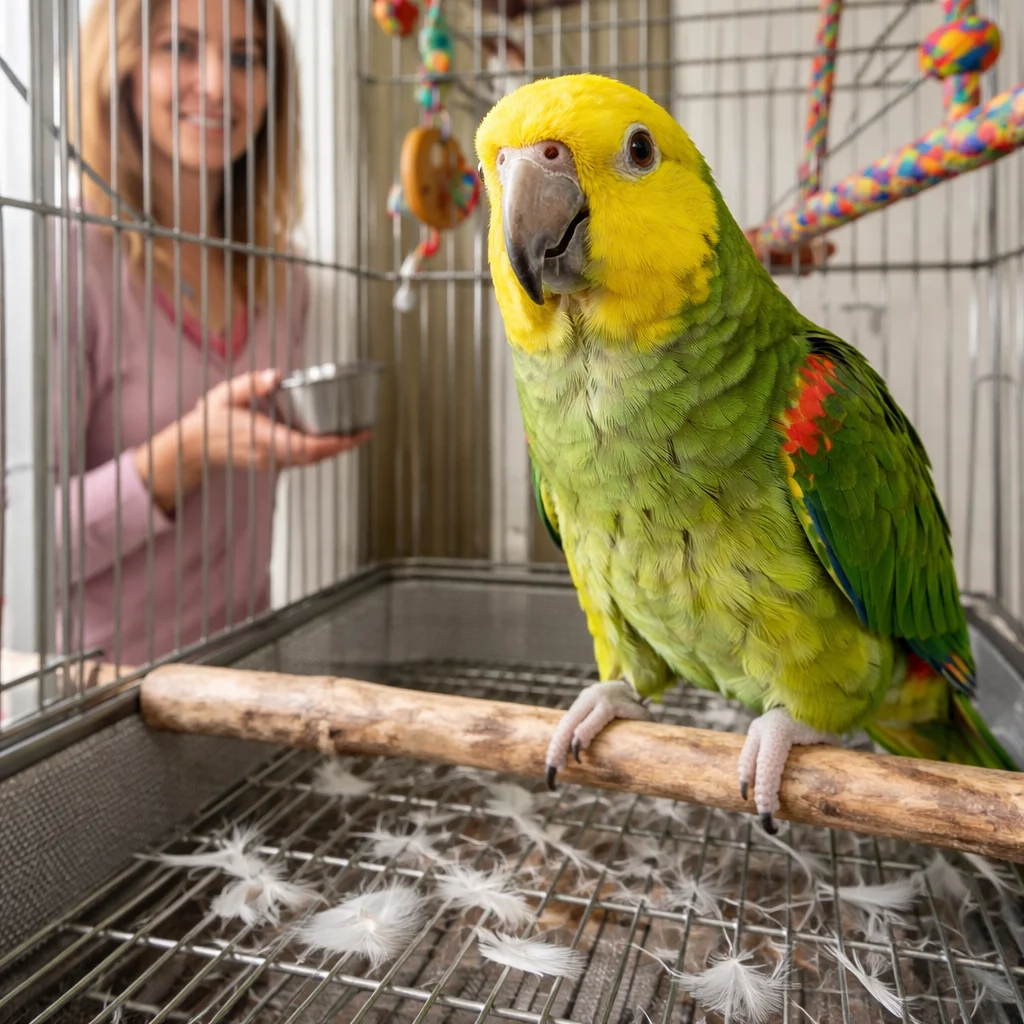
Understanding Avian Feather Loss: Molting vs. Plucking
Feather loss in pet birds can broadly be categorized into two distinct phenomena: molting and feather plucking. Molting is a physiological process, essential for avian health and survival, involving the periodic shedding of old, worn feathers and their replacement with new ones. This natural cycle ensures the integrity of the bird’s plumage, which is vital for flight, insulation, waterproofing, and display. The frequency and duration of molting vary significantly among species, influenced by factors such as age, season, diet, and environmental conditions. Typically, birds undergo one to two complete molts annually, with the process often triggered by changes in photoperiod (daylight length) and temperature. During a molt, the bird may appear less vibrant, exhibit some bald patches, and experience a temporary reduction in energy as its body diverts resources to feather regrowth. This process, while sometimes uncomfortable for the bird, is a sign of normal biological function.
In stark contrast, feather plucking is a complex behavioral disorder where a bird deliberately pulls out or damages its own feathers. This self-destructive behavior can stem from a wide array of underlying issues, including medical conditions, nutritional deficiencies, environmental stressors, psychological distress, or a combination thereof. Unlike molting, which results in the orderly replacement of feathers, plucking leads to damaged, broken, or absent feathers, often exposing bare skin and potentially causing skin irritation, infection, and discomfort. The implications of plucking extend beyond aesthetics, compromising the bird’s ability to fly, regulate body temperature, and protect itself from environmental elements. Recognizing the distinction between these two forms of feather loss is the first crucial step for any bird owner.
The "Feather Forensics" Protocol: A Diagnostic Guide
To accurately determine the cause of feather loss, avian specialists advocate for a systematic approach, often referred to as "feather forensics." This protocol involves close observation of the fallen feathers and the bird itself, providing vital clues that differentiate between natural molting and behavioral plucking.
The primary diagnostic tool is the "Shaft Test." This examination of a fallen feather’s quill (the hollow, basal part that anchors the feather in the skin) offers immediate insight:
- Molting: A feather shed naturally during a molt will typically present a quill that is smooth, clear, and slightly pointed at its base. It will appear as if it has effortlessly slid out of the follicle, often accompanied by white flakes of keratinous dander, which are remnants of the waxy sheath that protected the new feather as it emerged.
- Plucking: Conversely, a feather that has been plucked or chewed will exhibit distinct signs of trauma. The quill may appear jagged, broken, or frayed. If the feather is missing but the quill tip remains embedded in the skin, or if the quill’s tip is bloody and ragged, it strongly indicates manual extraction or severe over-preening by the bird.
Beyond the Shaft Test, the presence of "Blood Feathers" necessitates careful attention. New feathers, known as pin feathers, contain a developing blood supply within their shaft. These "blood feathers" are delicate and vulnerable to injury. If a blood feather is plucked or broken, it can result in significant bleeding, which can be a medical emergency requiring immediate veterinary attention. Observing numerous broken or bloody pin feathers is a strong indicator of plucking behavior rather than a natural molt.
Further aiding diagnosis is the "Mist & Part" Test. Dry feathers can effectively conceal underlying skin conditions or the emergence of new growth. Lightly misting the bird with water or an avian-safe aloe vera spray can help flatten the feathers, allowing for a clearer view of the skin beneath. Gently parting the damp feathers enables the owner to look for key indicators:
- Molting: The presence of numerous small, emerging "spikes" or pin feathers pushing through the skin signifies active molting. These new feathers are encased in a keratin sheath, giving them a spiky appearance.
- Plucking: In cases of plucking, the skin may appear bare, red, irritated, or even inflamed and scabbed, with an absence of healthy new pin feathers.
Finally, the "Hot Spot" Species Check provides a behavioral map for common plucking patterns. While birds can technically pluck feathers from any part of their body, certain species exhibit predictable "hot spots" for self-mutilation, offering another diagnostic clue:
- African Greys: Often target areas under their wings or the inner thighs.
- Cockatiels: Frequently pluck feathers from their shoulders or the center of their chest.
- Cockatoos: Are notorious for plucking their chest, belly, and even their heads. Cockatoos are particularly adept at using their feet to reach and pluck feathers from areas inaccessible to their beaks, such as the back of the head.
It is important to note that during a normal molt, head feathers typically appear as emerging "spikes" (pin feathers), rather than completely bare, raw, or scratched skin, especially on the head where birds cannot easily preen themselves.
Factors Contributing to Feather Plucking: A Multifaceted Challenge
Feather plucking is rarely attributable to a single cause; it is often the culmination of multiple interacting factors. Understanding these underlying contributors is crucial for effective intervention and management.
- Environmental Stressors: A significant percentage of plucking cases are linked to suboptimal environmental conditions. This includes inadequate cage size, lack of environmental enrichment (toys, foraging opportunities, perches of varying textures), social isolation or insufficient interaction with owners, sudden changes in environment, exposure to loud noises, or an inconsistent daily routine. Birds are highly intelligent and sensitive creatures; boredom, loneliness, and stress can manifest as self-destructive behaviors.
- Nutritional Deficiencies: A diet lacking essential nutrients is a common culprit. Diets consisting primarily of seeds, which are high in fat and low in essential vitamins, minerals, and amino acids, can lead to poor feather quality and skin irritation, prompting plucking. Deficiencies in Vitamin A, D, E, calcium, and essential fatty acids are particularly relevant.
- Medical Conditions: A thorough veterinary examination is always recommended to rule out underlying medical causes. These can include:
- Parasites: Mites, lice, or giardia can cause intense itching, leading to over-preening and plucking.
- Fungal or Bacterial Infections: Skin or feather follicle infections can cause irritation and discomfort.
- Organ Disease: Liver or kidney disease can manifest as poor feather quality and skin issues.
- Allergies: Environmental or food allergies can cause chronic itching.
- Pain: Underlying pain from arthritis, injury, or internal issues can cause a bird to focus on a particular area, leading to plucking.
- PBFD (Psittacine Beak and Feather Disease) or Polyomavirus: Viral infections that directly impact feather and beak health.
- Psychological Factors: Birds are intelligent and emotional creatures. Anxiety, fear, frustration, and even learned behaviors (e.g., if plucking initially alleviated an itch and became a habit) can contribute. Hormonal imbalances, particularly during breeding season, can also lead to increased aggression or obsessive behaviors like plucking.
- Lack of Proper Grooming: Infrequent bathing or misting can lead to dry, flaky skin and dusty feathers, which can be irritating and encourage plucking.
Timeline of Feather Development and Molting Cycles
The avian molting process is a marvel of biological precision, occurring in a predictable, albeit species-variable, chronology. Most adult birds undergo a complete molt once or twice a year, typically after the breeding season or during specific seasonal transitions. Smaller birds, like budgerigars and finches, may have continuous or more frequent partial molts, while larger parrots might have one extensive annual molt.
A typical molt involves a gradual shedding of feathers, often symmetrical to maintain flight balance. The entire process can take several weeks to a few months, during which the bird experiences phases of feather loss, pin feather emergence, and maturation. New feathers emerge as "pin feathers," encased in a protective keratin sheath. As the feather grows, the sheath flakes off, revealing the mature feather. This entire cycle is meticulously regulated by hormones and environmental cues. Owners may observe increased preening during a molt as the bird works to remove the keratin sheaths from new feathers. This natural "chronology" of feather replacement is a vital indicator of health, contrasting sharply with the destructive and often irregular pattern of feather plucking.
Expert Perspectives and Management Strategies
Avian veterinarians and behavioral specialists consistently emphasize the necessity of a holistic approach when addressing feather loss in pet birds. Diane Burroughs, LCSW, founder of UnRuffledRx and a specialist in avian feather plucking, underscores the importance of "behavior-first" protocols combined with nutritional support.
For suspected cases of plucking, the initial step is always a comprehensive veterinary examination. This is critical to rule out or identify any underlying medical conditions, such as parasites, infections, or organ disease, that could be driving the behavior. Diagnostic tests may include blood work, fecal analysis, skin scrapings, or even biopsies.
Once medical causes are addressed or ruled out, management strategies pivot towards environmental and behavioral interventions:
- Environmental Enrichment: Providing a stimulating environment is paramount. This includes a spacious cage, a variety of perches (different materials, diameters), a diverse selection of safe toys that encourage chewing and destruction, and foraging opportunities that engage the bird’s intellect and natural instincts. Regular rotation of toys prevents boredom.
- Dietary Adjustments: Transitioning birds from seed-heavy diets to high-quality pelleted diets, supplemented with fresh fruits, vegetables, and small amounts of healthy proteins, is often recommended. Nutritional supplements, such as essential fatty acids (e.g., flaxseed oil), vitamins, and minerals, may be prescribed to address specific deficiencies and improve skin and feather health.
- Behavioral Modification: This can involve increasing positive interaction with the owner, establishing consistent routines, reducing stressors, and sometimes employing deterrents (e.g., collars) under veterinary guidance, though these are typically a last resort. Addressing underlying anxiety or fear through positive reinforcement training can also be beneficial.
- Supportive Care During Molting: While molting is natural, it can be taxing. Owners can support their birds by ensuring a high-quality diet rich in protein (essential for feather production), providing opportunities for regular bathing or misting to ease the removal of feather sheaths, and maintaining a low-stress environment. Products like avian-specific aloe vera sprays can help soothe irritated skin during both molting and plucking.
Broader Implications for Avian Welfare
The issue of feather loss, particularly plucking, carries significant implications for avian welfare. Feathers are not merely ornamental; they are integral to a bird’s survival and quality of life. Healthy plumage enables flight, crucial for exercise and mental well-being in captive birds, even if restricted to a large enclosure. It provides insulation against temperature fluctuations, protects the skin from injury and UV radiation, and plays a role in social signaling. When plumage is compromised by plucking, these vital functions are impaired, leading to increased vulnerability to disease, hypothermia, and psychological distress.
For pet owners, dealing with a plucking bird can be emotionally and financially draining. The search for a diagnosis and effective treatment often involves multiple veterinary visits, specialized diets, environmental modifications, and considerable patience. This highlights the broader impact of insufficient knowledge about avian behavior and care. The ongoing efforts by avian specialists to educate the public on distinguishing molting from plucking, and to provide comprehensive care strategies, are crucial for promoting responsible bird ownership and improving the welfare of companion birds globally. Research continues to advance our understanding of the complex interplay between avian physiology, psychology, and environmental factors, paving the way for more effective prevention and treatment protocols for feather disorders.
In conclusion, while a floor covered in feathers can be alarming, a methodical approach involving careful observation and, when necessary, professional veterinary consultation, allows owners to discern between a healthy molt and the more serious issue of feather plucking. Early and accurate diagnosis is the cornerstone of effective management, ensuring the long-term health and well-being of avian companions.

