


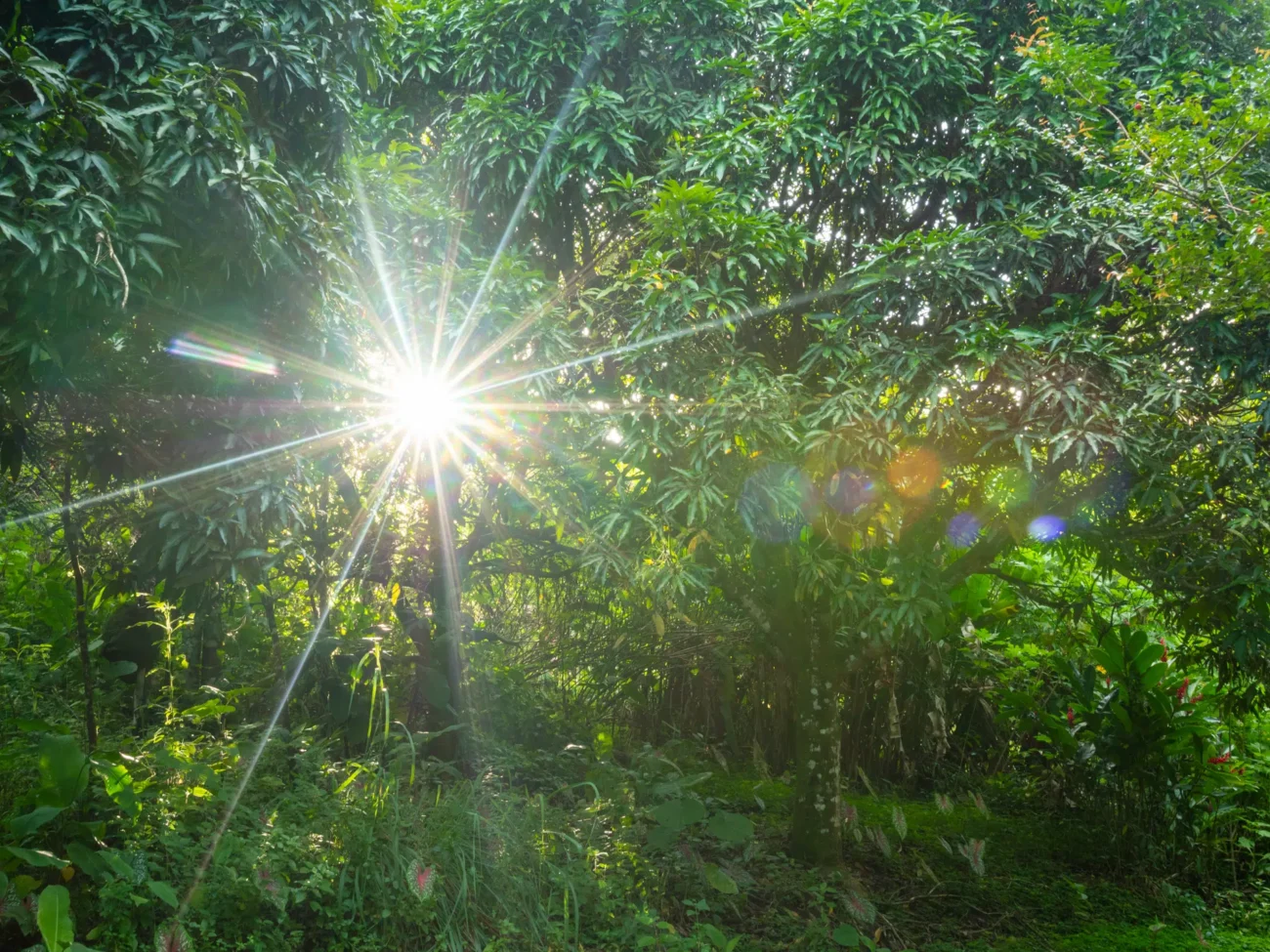
For decades, the Atlantic Forest, a biodiversity hotspot stretching along Brazil’s coast and inland, has been a stark testament to the relentless pressures of human development. Deforestation, driven by the expansion of cattle ranching, sugarcane monocultures, and pervasive land-use change, has dramatically altered its once contiguous landscape. Today, an alarming statistic underscores the severity of this transformation: more than 80% of this vital biome has vanished. This loss has resulted in a mosaic of isolated forest remnants, fragmented islands in a sea of agricultural and urban development. Yet, these beleaguered fragments continue to harbor an extraordinary wealth of biodiversity, including hundreds of bird species found nowhere else on Earth, a testament to the tenacity of nature.
However, the narrative of the Atlantic Forest is far from solely one of destruction and disappearance. It is equally a story of remarkable persistence, a testament to the enduring spirit of both nature and the people committed to its survival. This enduring spirit was recently highlighted during a pivotal regional workshop convened in northeastern Brazil, a collaboration that brought together BirdLife International with its esteemed partners: Aves Argentinas, Guyra Paraguay, and SAVE Brasil. This gathering, held with the explicit aim of advancing the Atlantic Forest Action Plan, was meticulously structured around three overarching priorities: the critical need for protection, the urgent imperative of restoration, and the development of sustainable land-use practices that can coexist with, rather than compete against, the forest’s ecological integrity.

Genesis of a Collaborative Effort
The workshop, which took place in the latter half of April 2026, was not merely a series of perfunctory meetings or abstract technical discussions. Instead, it was intentionally designed to be deeply rooted in the realities of the territory itself, fostering a tangible connection between conservation strategies and the lived experiences of those on the ground. This immersive approach was crucial for understanding the complex interplay between human needs and ecological preservation within the Atlantic Forest’s remaining strongholds.
The initiative emerged from a growing recognition that while the scale of deforestation is undeniable, the resilience of the Atlantic Forest and its inhabitants offers a potent counter-narrative. For years, conservation organizations have been working at the grassroots level, often in challenging circumstances, to protect and restore these vital ecosystems. The workshop served as a crucial platform to consolidate these efforts, share best practices, and forge a more unified and impactful approach to safeguarding this irreplaceable biome. BirdLife International, with its extensive global network and expertise in avian conservation, played a central coordinating role, leveraging the deep local knowledge and on-the-ground operational capacity of its regional partners.
Roots of Resilience: Agroforestry and Sustainable Livelihoods
The field component of the workshop provided participants with direct exposure to the innovative conservation initiatives underway across forest fragments in the states of Alagoas and Pernambuco. These visits were designed to showcase exemplary projects and introduce the individuals whose daily dedication sustains conservation efforts. A particularly inspiring encounter was with João Evangelista, a local producer whose family has artfully transformed their agricultural land into a vibrant demonstration of successful agroforestry, a practice deeply influenced by his father’s enduring legacy.

In a region historically shaped by the dominance of cattle ranching and sugarcane cultivation, João’s approach offers a compelling alternative. His farm exemplifies a paradigm where agricultural production and ecological conservation are not seen as mutually exclusive forces, but rather as complementary elements that can foster mutual benefit. Here, banana trees flourish alongside native vegetation, while the cultivation of cacao and coffee diversifies the land, creating a more robust and resilient agricultural system. Crucially, this integrated approach facilitates the gradual return of forest cover to areas that were once cleared for less sustainable agricultural practices.
João Evangelista articulated the multifaceted benefits of his work, emphasizing that his commitment to restoration extends beyond simply replanting trees. It encompasses the vital task of protecting water resources, enhancing crop yields through natural ecological processes, mitigating pest outbreaks through biological control mechanisms, and, perhaps most importantly, creating tangible opportunities for younger generations to remain connected to their rural heritage and livelihoods. This focus on intergenerational continuity is a cornerstone of long-term conservation success, ensuring that the stewardship of the land is passed down through families and communities.
"Where there are trees, there are birds," João explained to the visiting delegation, his words resonating with the profound interconnectedness of the ecosystem. "And where there are birds, the land becomes healthier." This simple yet powerful observation encapsulates the ecological principles underpinning his agroforestry model, highlighting the intrinsic value of biodiversity as an indicator and driver of environmental health.

Sustaining Biodiversity in Fragmented Landscapes
The workshop participants also had the opportunity to visit the Reserva Particular do Patrimônio Natural (RPPN) Pedra D’Antas, a private natural heritage reserve meticulously protected by SAVE Brasil for over two decades. Nestled within the remaining forest fragments, this reserve stands as a vital sanctuary, providing refuge for an astonishing array of species. It is home to more than 250 bird species, including 14 that are globally threatened, alongside a diverse community of mammals, amphibians, and a unique assemblage of endemic plant life. These species continue to demonstrate remarkable resilience and an unwavering capacity to survive and thrive, despite the profound fragmentation of their habitat that has been ongoing for decades.
At Pedra D’Antas, the collaborative spirit was palpable. Local guides, dedicated park rangers, diligent researchers, and members of the surrounding communities shared invaluable insights into how conservation has become intrinsically interwoven with their daily lives and livelihoods. Their experiences underscored the multifaceted nature of modern conservation, which now encompasses not only ecological protection but also the development of sustainable tourism, the active implementation of restoration projects, and the establishment of long-term, community-based stewardship of the territory.
The work undertaken at Pedra D’Antas represents a profound commitment to the daily realities of conservation. It is carried out by individuals who possess an intimate, generational knowledge of these forests. Their unwavering dedication to protecting these vital ecosystems continues, even as the pressures on the surrounding landscape – from agricultural expansion to urban encroachment – intensify. This persistent, localized effort is what keeps the flame of conservation alive within the fragmented remnants of the Atlantic Forest.

A Network of Hope: People Powering Persistence
The workshop’s field visits provided compelling evidence that the Atlantic Forest, though fragmented, remains deeply interconnected. This interconnectedness is not solely ecological; it is forged through the strength of human relationships, the power of strategic partnerships, and the unwavering force of collective action that transcends political and geographical boundaries. Within these interconnected fragments, something far more profound than just biodiversity persists: it is the conscious, deliberate, and resolute decision to resist the forces of destruction and to actively champion the cause of ecological survival.
The success of initiatives like João Evangelista’s agroforestry farm and the long-term protection efforts at RPPN Pedra D’Antas demonstrate that viable models for conservation and sustainable development do exist. These models are built on a foundation of local knowledge, community engagement, and a shared vision for a future where both people and nature can thrive. The collaborative framework established by BirdLife International and its partners is designed to amplify these successes, replicate them in other areas, and ensure that the vital work of protecting the Atlantic Forest continues to gain momentum.
The Broader Implications: A Model for Biome Conservation
The challenges faced by the Atlantic Forest are emblematic of those confronting numerous other biodiversity hotspots around the globe. The strategies being honed and implemented through initiatives like the Atlantic Forest Action Plan – focusing on protection, restoration, and sustainable land use – offer a valuable blueprint for conservation efforts in other degraded ecosystems. The emphasis on integrating conservation with livelihood development is particularly crucial, as it addresses the socio-economic drivers of environmental degradation and fosters local buy-in, which is essential for the long-term sustainability of any conservation program.

The fact that over 80% of the biome has been lost represents a significant ecological deficit, impacting not only biodiversity but also critical ecosystem services such as climate regulation, water provision, and soil health. The continued existence of hundreds of endemic species, however, underscores the immense value of the remaining fragments and the urgent need to protect and expand them. The successful restoration of even small areas can create vital ecological corridors, facilitate species migration, and enhance the overall resilience of the landscape.
The collaborative spirit exhibited by BirdLife International and its partners, drawing together expertise from across national borders, highlights the transboundary nature of many ecological challenges and the necessity of international cooperation. By sharing knowledge, resources, and best practices, these organizations are not only working to save the Atlantic Forest but also contributing to a global understanding of how to effectively conserve threatened ecosystems in the face of persistent anthropogenic pressures. The resilience of the Atlantic Forest, embodied by its extraordinary biodiversity and the unwavering commitment of the people who protect it, serves as a powerful beacon of hope for the future of conservation worldwide. The decision to resist, to protect, and to restore is a collective one, and its impact reverberates far beyond the borders of this precious and beleaguered biome.

