



The summer months often evoke images of sun-drenched vacations and long-awaited getaways. For many pet owners, however, these idyllic plans are tempered by the logistical challenges of leaving beloved companions behind. While the notion of taking pet rats on a road trip might initially seem unconventional, a growing number of rat enthusiasts are discovering the rewarding, albeit intricate, possibility of including their small furry friends in their travel adventures. This comprehensive guide delves into the considerations, preparations, and practicalities involved in ensuring a safe and enjoyable journey for both rats and their human companions.
The Appeal of Traveling with Your Rodent Companions
The primary impetus for considering a road trip with pet rats often stems from the inherent difficulties in finding reliable and knowledgeable pet sitters. Rats, with their specific dietary needs, social structures, and susceptibility to environmental changes, require a level of care that not all individuals are equipped or willing to provide. This can lead to significant stress for owners, who may worry about their pets’ well-being in their absence.
"Leaving my rats for an extended period always felt like a gamble," shares Sarah Jenkins, a seasoned rat owner from Chicago. "You want someone you trust implicitly, but even then, they might not understand the nuances of rat care, like recognizing early signs of illness or knowing how to keep them entertained and comfortable."

For those whose travel plans do not involve air travel and are instead focused on driving to a destination, the idea of bringing rats along transforms from a daunting prospect to a feasible, and potentially enriching, experience. The author of the original article, Brandi Saxton of It’s A Rat’s World, recounts numerous successful road trips spanning vast distances, including to Northern Arizona, Southern California, Colorado, and even a cross-country expedition. These experiences highlight that with meticulous planning, the stress of leaving rats behind can be significantly alleviated, and the journey itself can become a more memorable and adventurous undertaking.
Acclimatizing Your Rats to New Environments
Rats are creatures of habit, thriving on predictability and familiar surroundings. Therefore, introducing them to travel requires a gradual and sensitive approach to minimize anxiety. The initial steps involve familiarizing them with leaving their established home environment.
Gradual Exposure Techniques:
- Evening Neighborhood Walks: Saxton suggests taking rats on short, supervised walks around the neighborhood. This can be done using a ventilated bonding pouch or a small, soft cloth bag. During these outings, owners can periodically take the rats out, holding them close or allowing them to perch on a shoulder, depending on their comfort level. Constant reassurance through gentle petting and verbal communication is crucial. This exposure allows them to acclimate to new sights, sounds, and smells in a controlled manner.
- Short Car Rides: Introducing rats to short car journeys is another effective method. These excursions, ideally less than 30 minutes, provide an opportunity to observe their reactions to motion and new sensory input. Many rats exhibit curiosity and excitement when encountering new smells, which can help demystify car travel.
It is imperative to remain acutely aware of the weather conditions during these acclimatization periods. Extreme temperatures, whether excessive heat or cold, pose a significant risk to rats and should be avoided at all costs.

Selecting the Optimal Travel Accommodation for Your Rats
The cornerstone of a stress-free travel experience for rats lies in the selection of an appropriate travel cage. The objective is to create an environment that closely mimics their home cage, offering ample space for movement, exploration, and comfort.
The Case of the Extended Road Trip:
Saxton’s experience undertaking a seven-week road trip in 2018, which included a five-week work assignment at the Smithsonian’s American Art Museum in Washington, D.C., exemplifies the need for robust travel accommodations. The challenge was to find a cage that could comfortably house four rats for an extended period while fitting within the confines of a small car.
"The rats would have less out-of-cage time than usual, so I prioritized a cage that felt like a true ‘home away from home’," Saxton explains. This led to the acquisition of the largest possible cage that could physically fit in the vehicle. This expansive cage featured multiple levels, providing ample room for essential amenities like hammocks, a space pod, an igloo, and a litter box.

While this particular cage, "The Rat Lodge" by Martin’s Cage, is no longer in production, its design principles remain relevant. The emphasis on size and comfort over extreme portability proved invaluable. For shorter excursions, such as stops at rest areas or parks, a smaller, more portable cat carrier was utilized. This dual-cage approach allows for flexibility depending on the duration and nature of the stop.
The benefits of a larger, well-equipped cage were evident. Rats exhibited more relaxed and normal behavior compared to when housed in smaller, more rudimentary travel cages typically used for veterinary visits. This underscores the importance of investing in a travel setup that prioritizes the rats’ well-being and minimizes their perceived disruption.
Essential Packing List for Your Rodent Travelers
A well-organized packing strategy is critical for ensuring your rats have all their needs met while on the road. The philosophy of "better to have it and not need it than need it and not have it" is particularly applicable when traveling with pets, especially those with specific care requirements.
Comprehensive Rat Travel Kit:
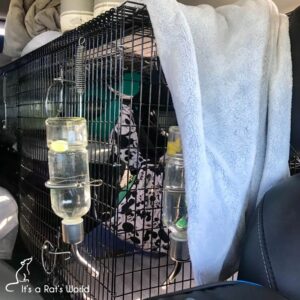
- Hydration:
- Two or more water bottles with accompanying cage attachments.
- One to two gallons of filtered water. (Filtered water is recommended over tap water due to potential variations in water quality at destinations.)
- Nutrition:
- Food dishes for both dry and fresh food.
- A generous supply of dry rat food, exceeding estimated needs.
- A small, insulated cooler containing pre-cut fresh fruits and vegetables.
- Rat-specific snacks.
- Comfort and Hygiene:
- Extra rat bedding, including fleece, litter box material, and hammocks.
- Bonding pouches, small huts, or pillowcases for nervous rats and for out-of-cage time.
- Large, soft rat blankets.
- A towel or blanket to cover the cage or act as a windshield shade.
- Paper towels and unscented wet wipes for immediate clean-up.
- Antibacterial wipes for personal hygiene.
- Trash bags for waste and soiled bedding disposal.
- Health and Safety:
- A dedicated emergency medicine kit, especially crucial for elderly or ill rats. (Referencing Saxton’s article "Rat Safety During Evacuation and Emergencies" for detailed guidance.)
- Cleaning Supplies:
- Small bottle of dish soap, a scrubber, and a bottle brush for daily water bottle maintenance.
The Rationale Behind a Comprehensive Packing Strategy
The necessity of carrying an extensive supply of food and water for rats is underscored by the unpredictability of travel. Vehicle breakdowns, especially in extreme weather, can leave travelers stranded, making self-sufficiency paramount.
Maintaining Optimal Health and Hygiene:
- Water Quality and Bottle Maintenance: The consistent provision of filtered water is essential. Daily emptying, thorough cleaning, and checking of water bottles are non-negotiable to prevent bacterial growth. Having a spare bottle can be a lifesaver if one malfunctions or breaks, a scenario Saxton has personally experienced.
- Temperature Regulation and UV Protection: Direct sunlight can be detrimental to rats, leading to overheating or eye irritation. A blanket, towel, or windshield shade can effectively shield the cage from intense sun exposure. Conversely, during colder months, these same items can provide insulation around the base of the cage.
- Enrichment and Security: Large blankets serve a dual purpose, protecting furniture at your accommodation and providing a comfortable surface for supervised out-of-cage time. Huts and bonding pouches offer secure hiding places for anxious rats and can also be used to safely hold them during short car journeys.
- Managing Travel-Related Digestive Issues: Some rats experience digestive upset during travel, potentially leading to mushy stools. The inclusion of paper towels, wet wipes, extra bedding, and trash bags becomes invaluable for managing these situations. Saxton’s anecdotal evidence of bananas aiding in firming up stools during travel offers a practical, albeit unconventional, remedy.
Navigating Pet-Friendly Lodging and Accommodation
Finding suitable accommodation for pet rats requires proactive research and clear communication. While online resources like PetsWelcome.com are available to assist in locating pet-friendly hotels, it is crucial to verify directly with the establishment that rats are indeed permitted.
Ensuring Rat Safety at Your Accommodation:

- Communication is Key: Always confirm with the hotel that rats are welcome. Policies can vary, and assumptions can lead to complications.
- "Do Not Disturb" Signage: Utilizing the "Do Not Disturb" sign on your hotel room door is a vital safety measure. This prevents housekeeping staff from entering the room unexpectedly, thus safeguarding your rats from accidental exposure or disturbance.
- Thermostat Management: Before leaving your rats unattended in the hotel room, always ensure the thermostat is set to a comfortable and safe temperature. This is critical for preventing heatstroke or hypothermia.
Critical Warnings and Safety Protocols for Car Travel
The safety of rats during car travel hinges on adhering to fundamental precautions. The potential for rapid temperature fluctuations within a vehicle presents the most significant risk.
Paramount Safety Directives:
- Never Leave Rats Unattended: This cannot be stressed enough. Leaving rats in a vehicle, even for a brief period, is extremely dangerous due to the rapid and drastic temperature changes that can occur.
- Maintain Consistent Climate Control: During stops, it is imperative to leave the car running with the air conditioning or heating engaged to maintain a stable and safe temperature for the rats.
- Monitor Water Bottles: Regularly check that the water bottles are functioning correctly. Uneven surfaces or tilting of the cage can affect water pressure, leading to leaks or preventing the rats from accessing water.
The Rewarding Journey: An Adventure Worth Experiencing
While the prospect of traveling with pet rats may initially seem daunting, the rewards can be profoundly enriching. The shared experiences forge deeper bonds between owners and their pets, fostering trust and companionship. The memories created on these unique journeys can be cherished for a lifetime.
Saxton’s personal reflection encapsulates this sentiment: "Although it’s easier to travel without rats, I honestly miss having travel buddies!" This highlights the unique joy and companionship that can be found in including these intelligent and social creatures in our adventures. By approaching rat travel with meticulous planning, a commitment to their well-being, and a spirit of adventure, owners can unlock a new dimension of companionship and create unforgettable memories with their beloved rodent companions. The challenges are real, but with careful preparation and a mindful approach, the road trip with your rats can indeed be an adventure worth having.

