


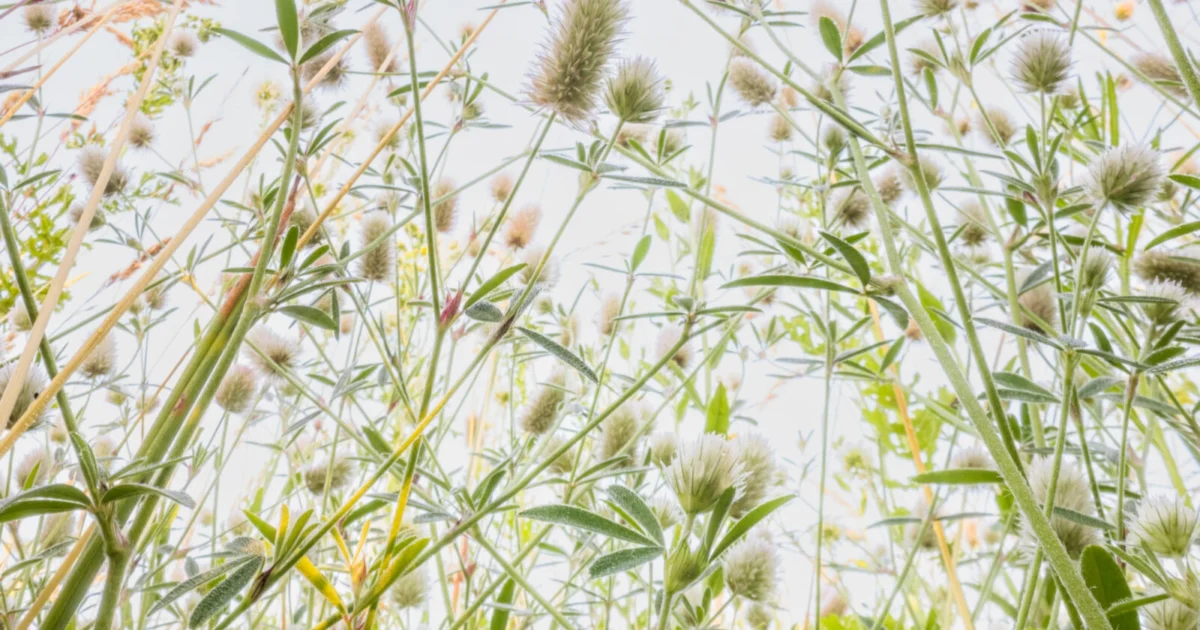
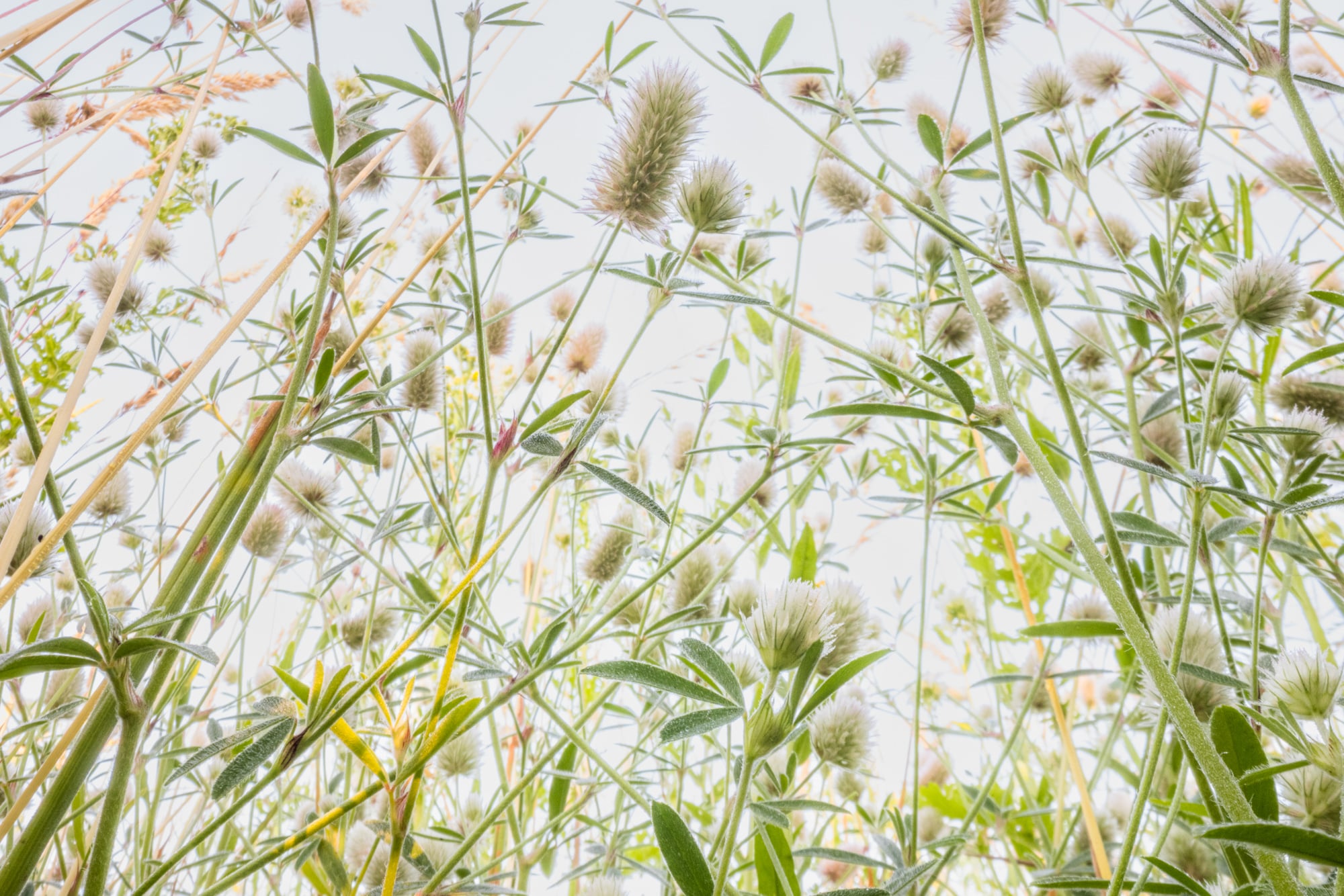
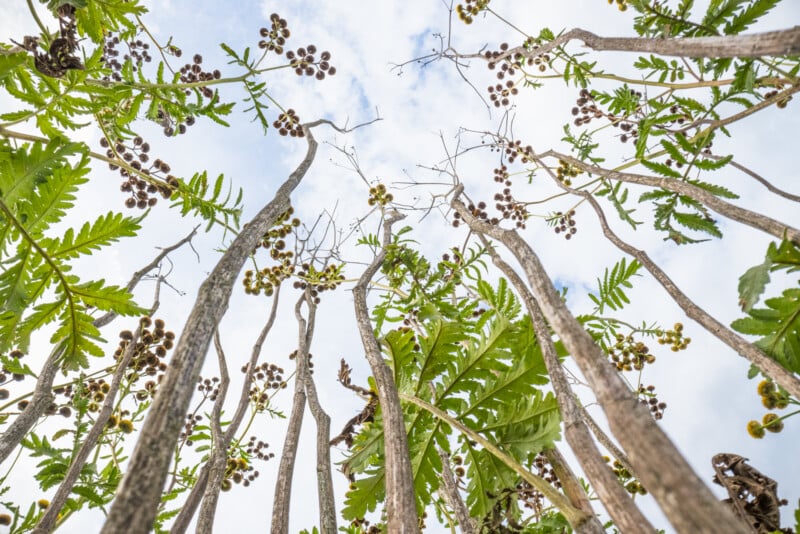
The intersection of specialized optics and naturalistic observation has reached a new milestone with the release of "Flowerscapes: A Bug’s Eye Perspective," a comprehensive photographic study by Dutch photographer Theo Bosboom. This project represents a departure from traditional macro photography, which typically focuses on isolating subjects through a shallow depth of field. Instead, Bosboom utilizes wide-angle macro technology to immerse the viewer within the floral environment, simulating the visual experience of an insect navigating a meadow. The project, primarily conducted across the Netherlands and border regions of Germany and Belgium, highlights the intricate complexity of wildflower ecosystems that are often overlooked by the human eye.
The Technological Catalyst: The Laowa Periprobe
The primary driver behind the "Flowerscapes" project was the commercial release of the Laowa 24mm T14 2X Periprobe lens by Venus Optics. This specialized piece of equipment, often categorized as a "probe" or "periscope" lens, features a long, slender barrel that allows photographers to insert the optics into dense foliage without disturbing the environment. The "periprobe" iteration is particularly notable for its 360-degree rotating tip, which enables a side-viewing perspective.
For Bosboom, this lens served as the "key" to a previously inaccessible world. Unlike standard 100mm macro lenses that compress the background, the 24mm wide-angle macro provides an 85-degree field of view. This allows for a 2:1 magnification of the foreground subject—such as a Hare’s-foot clover (Trifolium arvense)—while simultaneously capturing the surrounding canopy and sky. The lens’s ability to focus as close as 2 centimeters from the front element allows for the "insect perspective" that defines the project.
However, the technical specifications of the lens present significant operational hurdles. The lens is fully manual, requiring the photographer to adjust focus and aperture on the barrel itself. Furthermore, the image appears inverted in the viewfinder of many camera systems, necessitating a high degree of spatial orientation from the operator. The maximum aperture of f/14, while providing the necessary depth of field for wide-angle compositions, requires an immense amount of light, a factor that dictated much of Bosboom’s fieldwork methodology.
Field Methodology and the Concept of Organized Chaos
The "Flowerscapes" project was largely executed in everyday locations rather than pristine wilderness areas. Bosboom frequently utilized a flower field on the outskirts of Harderwijk, Netherlands. This site, situated between a highway and a commuter cycling path, underscores a central theme of the work: the presence of extraordinary natural beauty within mundane, human-dominated landscapes.
The primary aesthetic challenge Bosboom faced was "organizing chaos." Natural flower fields are inherently cluttered, with overlapping stems, decaying leaves, and varying heights of vegetation. To create a visually appealing "Flowerscape," Bosboom sought out specific compositions where the spacing between plants allowed for a clear view of the sky or background.
Key elements of his field technique included:
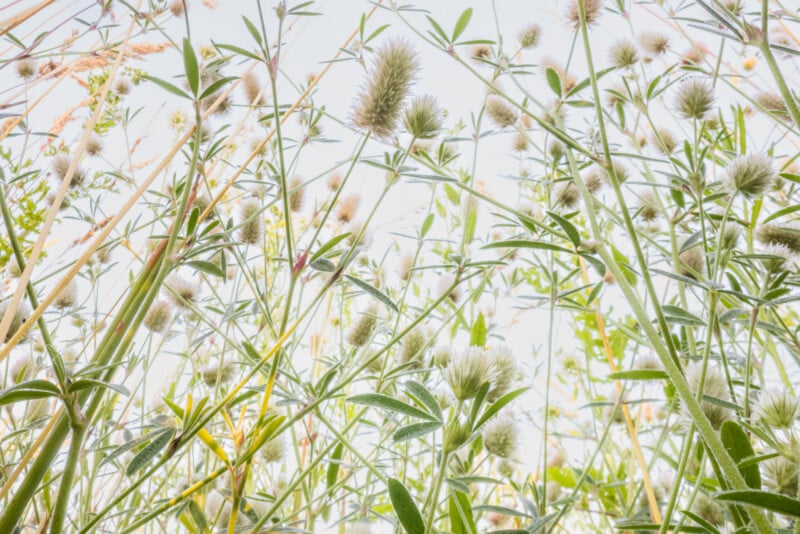
- Focus Point Selection: Identifying a central subject, such as a sharply focused flower head, to serve as an anchor for the viewer’s eye.
- Shadow Utilization: To avoid the harsh highlights and high contrast of direct sunlight, Bosboom preferred shooting in the shade or under overcast skies. This resulted in a softer, more ethereal atmosphere that emphasizes the texture of the plants.
- Plant Selection: Choosing younger, newly sprouted specimens to ensure the subjects appeared "intact" and free from the environmental damage typical of late-season growth.
Technical Data and Exposure Challenges
Photographing at ground level with an f/14 minimum aperture necessitates a specific technical approach to exposure. Because Bosboom opted for natural light over the lens’s built-in LED ring light—seeking a more authentic "nature" aesthetic—he was forced to compensate for the lack of light through other camera settings.
Working with a Canon R5, Bosboom utilized high ISO values ranging from 1,000 to 5,000. While these values were traditionally avoided in macro photography due to digital noise, modern sensor technology and AI-driven post-processing software (such as Topaz DeNoise, Nik Dfine, or Lightroom’s Enhance feature) have made these settings viable. This high ISO allowed for shorter shutter speeds, which were essential to counteract "subject blur" caused by wind moving the delicate flower stems.
Stability was managed through the use of tripods and bean bags. Due to the extreme low-angle requirements of the project, a standard tripod was often too tall, making bean bags the preferred support for placing the lens directly on the soil. To prevent camera shake during the shutter release, Bosboom employed remote triggers and the camera’s self-timer function, relying heavily on the Canon R5’s articulating "flip-out" screen to compose images while the camera was positioned just inches above the ground.
Environmental Context: Wildflowers Under Pressure
Beyond its artistic and technical merits, the "Flowerscapes" project serves as a visual record of European biodiversity at a time when wildflower habitats are under severe ecological stress. In the Netherlands, as in much of Western Europe, wildflower populations have seen a dramatic decline due to intensive agriculture, nitrogen deposition, and urban expansion.
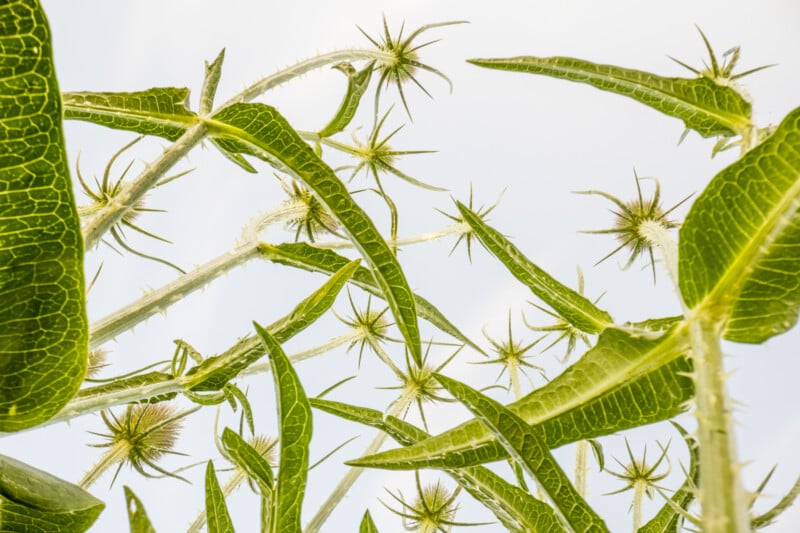
According to reports from organizations like Plantlife and various European environmental agencies, nearly 97% of wildflower meadows in some regions have been lost since the mid-20th century. By presenting these plants from an intimate, monumental perspective, Bosboom aims to foster a greater appreciation for "common" species. The Hare’s-foot clover, Wild Garlic, and Foxgloves featured in the project are not necessarily rare, but their roles in supporting pollinator populations—such as bees, hoverflies, and butterflies—are critical to ecosystem health.
The project challenges the prevailing "image overload" in modern photography, where many practitioners feel that every natural subject has been exhaustively documented. By adopting a radical perspective change made possible by new optical technology, Bosboom argues that there are still "wondrous secret worlds" waiting to be discovered in one’s own backyard.
Chronology of the Project and Author Background
The "Flowerscapes" project represents a significant chapter in Theo Bosboom’s professional evolution. In 2023, Bosboom made the high-stakes decision to leave a successful career in the legal profession to pursue nature photography on a full-time basis. This transition coincided with the acquisition of the Laowa Periprobe lens, which provided the creative spark for his first major professional undertaking.
The timeline of the project spanned several seasons, capturing the ephemeral life cycles of various Dutch flora:
- Spring: Focus on forest-floor species like Wild Garlic and early-blooming wildflowers in dunes and parks.
- Summer: Documentation of dense flower fields and verges, focusing on species like Foxgloves and clovers.
- Autumn/Late Summer: Capturing the transition of flowers into seed heads and the structural beauty of decaying plants.
The culmination of this work is the photobook Flowerscapes, A Bug’s Eye Perspective, which compiles these unique views into a narrative of the hidden Dutch landscape.
Broader Implications for the Photography Industry
The success of Bosboom’s work highlights a growing trend in the photography industry: the move toward specialized, niche optics as a means of creative differentiation. As smartphone cameras continue to dominate the "snapshot" and general landscape markets, professional photographers are increasingly turning to tools like probe lenses, tilt-shift optics, and ultra-high-magnification macro gear to produce imagery that cannot be replicated by consumer devices.
Furthermore, Bosboom’s reliance on high ISO and AI noise reduction signals a shift in the "purity" of photographic technique. The "Flowerscapes" project demonstrates that technical "limitations"—such as a slow f/14 aperture—can be overcome by leveraging the strengths of modern digital workflows. This pragmatic approach to technology allows photographers to prioritize the "perspective" and "story" over rigid adherence to traditional exposure rules.
In a broader cultural sense, "Flowerscapes" aligns with the "Slow Nature" movement, encouraging viewers to pause and consider the minute details of their environment. By elevating the status of a common weed or a roadside flower to that of a grand landscape subject, Bosboom’s work provides a compelling argument for the conservation of local biodiversity and the continued exploration of the natural world through the lens of innovation.

