


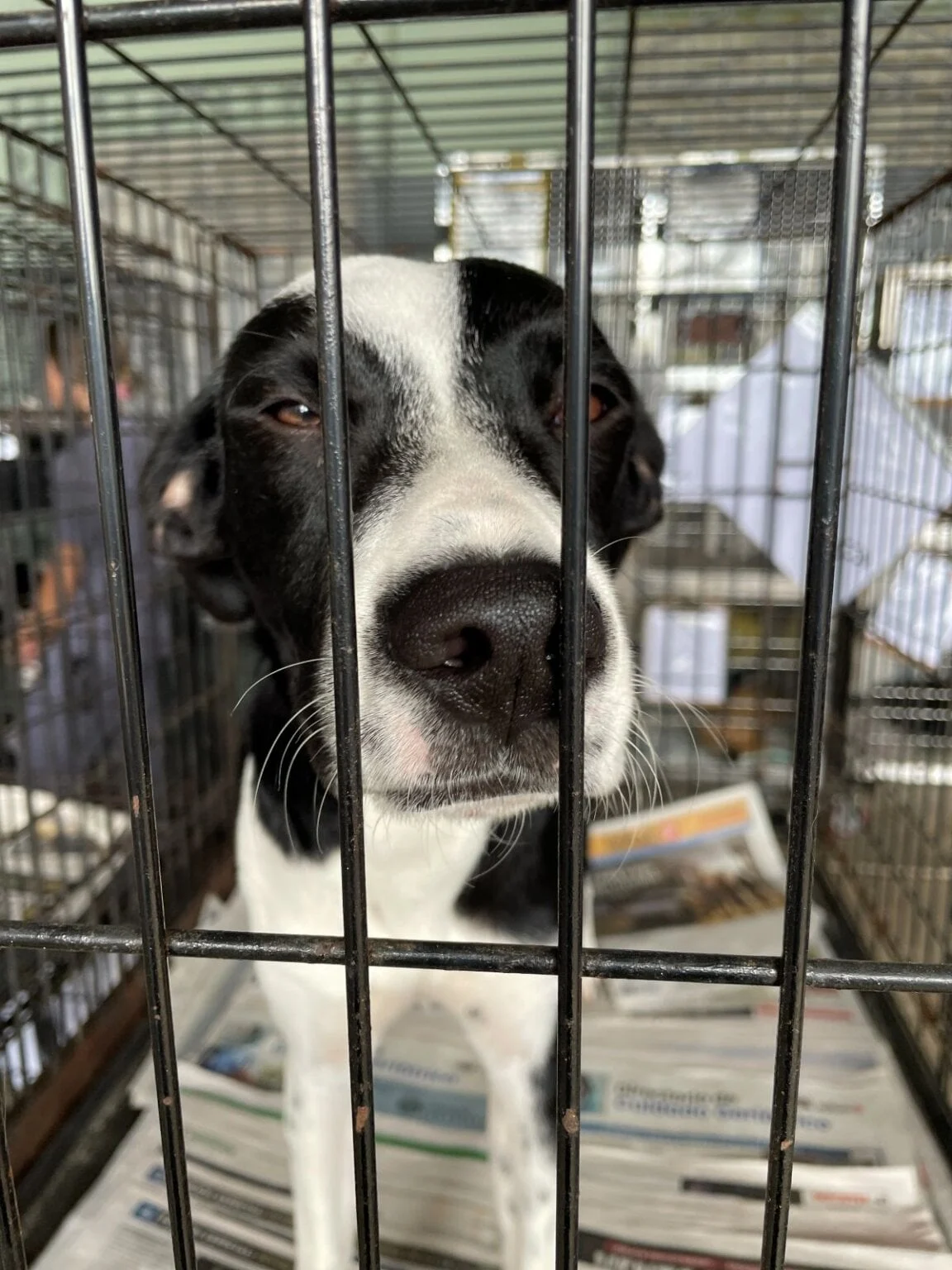
The scene at the temporary veterinary clinic in Puerto Rico began long before the first rays of sunlight touched the horizon, as hundreds of residents formed lines that stretched around the block, many holding beloved pets in carriers or on makeshift leashes. This gathering was not for a commercial event but for a critical service that has become increasingly out of reach for the average Puerto Rican family: professional veterinary care. Inside the facility, a dedicated team of veterinarians, licensed technicians, and volunteers—many of whom had traveled thousands of miles from the mainland United States—prepared for a grueling two-day marathon of surgeries and medical treatments. This initiative, the fifth high-volume spay and neuter clinic organized by PETA Latino in partnership with the Humane Society of Puerto Rico (HSPR), represents a targeted strike against a systemic overpopulation crisis that has plagued the island for decades.
Puerto Rico currently faces a staggering animal welfare challenge, characterized by a massive population of homeless dogs and cats, often referred to locally as "satos" and "gatos." While exact numbers are difficult to quantify due to the transient nature of stray populations, animal welfare organizations estimate that hundreds of thousands of animals roam the streets of the archipelago. The recent clinic, funded by PETA’s Global Compassion Fund and supported by the Lola Fund, aimed to address this issue at its root by providing free sterilization services to communities where the cost of such procedures—often ranging from $100 to $300 at private clinics—is prohibitive.
The Logistics of a High-Volume Veterinary Operation
The execution of a high-volume clinic requires precision logistics and an unwavering commitment from staff. On the first day of the event, the medical team worked an exhaustive 18-hour shift, operating well into the night to ensure that no family who had waited in line was turned away. This level of dedication is necessary to meet the sheer demand for services in underserved municipalities. Over the course of just 48 hours, the team successfully performed spay and neuter surgeries and administered essential vaccinations to more than 215 animals.
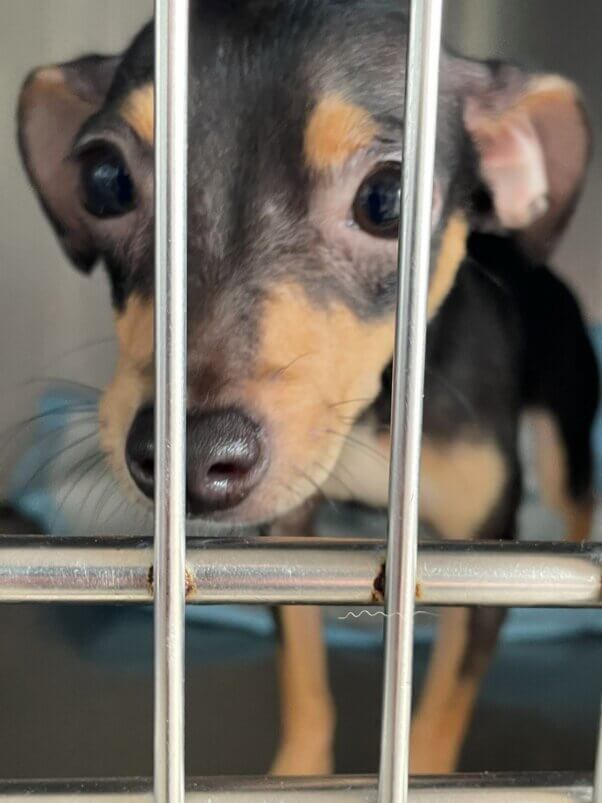
This recent effort brings the cumulative total of animals assisted through PETA Latino’s specific clinic series in Puerto Rico to nearly 1,100. However, the scope of the clinic extended beyond simple sterilization. For many of the animals presented, this was their first encounter with professional veterinary medicine. Consequently, the medical team treated a wide array of secondary health issues, including chronic eye infections, severe flea and tick infestations, and skin conditions. By providing these ancillary treatments, the clinic not only prevented future litters but also improved the immediate quality of life for individual animals and reduced the risk of zoonotic diseases—illnesses that can jump from animals to humans—within the community.
Socio-Economic Factors and the Animal Welfare Crisis
The animal overpopulation crisis in Puerto Rico is deeply intertwined with the island’s socio-economic landscape. With a poverty rate significantly higher than any U.S. state, many Puerto Rican households struggle to meet basic needs, leaving little room in the budget for preventative pet care. Furthermore, the island’s infrastructure has suffered repeated blows from natural disasters, including Hurricanes Maria and Fiona, which decimated local economies and led to a surge in animal abandonment as families were forced to migrate or lost their homes.
When veterinary care is unaffordable, pet populations explode. A single unspayed female dog and her offspring can theoretically produce 67,000 puppies in just six years, while a single cat and her offspring can produce 370,000 kittens in seven years. In a closed island environment like Puerto Rico, these numbers quickly overwhelm local shelters, which are often at or beyond capacity. High-volume clinics like the one conducted by PETA Latino and HSPR serve as a vital pressure valve, slowing the influx of animals into a system that cannot sustain them.
Strategic Partnerships and Global Support
The success of this initiative is a testament to the efficacy of international and local collaboration. PETA Latino, the Spanish-language arm of People for the Ethical Treatment of Animals, focuses on outreach within Latino communities both in the U.S. and abroad, tailoring its message to cultural nuances and specific regional needs. Their partner, the Humane Society of Puerto Rico, provides the essential local knowledge and ground-level infrastructure necessary to navigate the island’s unique challenges.
A critical component of this operation is PETA’s Global Compassion Fund. This fund is designed to provide rapid-response aid and long-term veterinary solutions in regions facing crisis. From providing food and veterinary supplies in war-torn Ukraine to emergency rescue operations following earthquakes in Turkey and Syria, the fund allows for the mobilization of resources where they are most needed. In Puerto Rico, the fund’s contribution covers the cost of surgical supplies, anesthesia, vaccines, and the travel expenses of specialized medical personnel, ensuring that the services remain entirely free for the public.
Cultural Advocacy and Celebrity Involvement
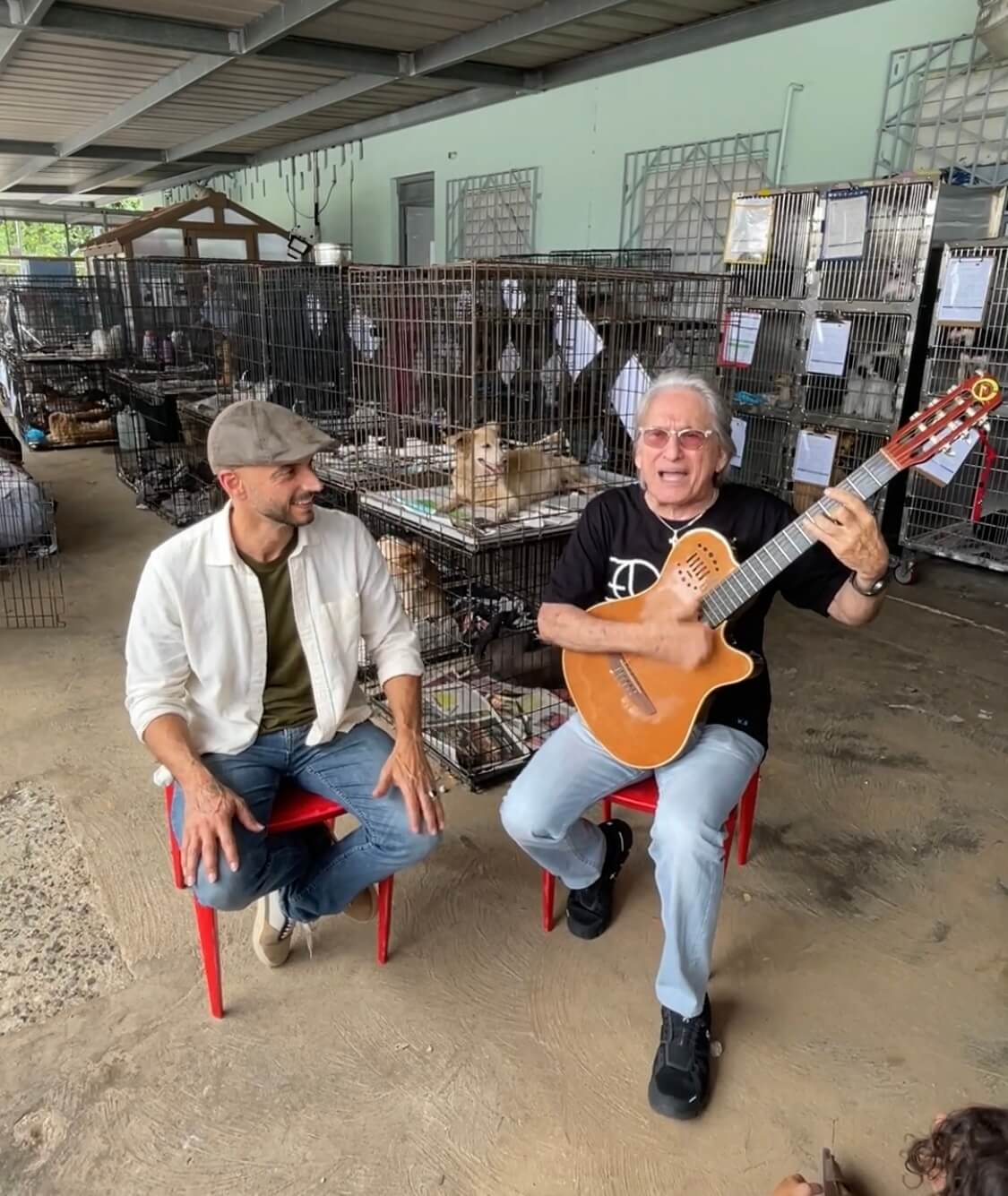
Recognizing that medical intervention must be paired with cultural shifts in how animals are perceived and treated, the clinic also served as a hub for advocacy. This event saw participation from prominent Puerto Rican figures, including Latin Grammy-winning artist Sie7e and the legendary musician José Nogueras. Both artists are well-known advocates for animal rights on the island and used their platforms to draw attention to the clinic’s mission.
During their visit, Sie7e and Nogueras toured the facility, observed the surgical process, and spent time in the recovery area where animals were monitored as they woke from anesthesia. The presence of these influencers serves a dual purpose: it validates the importance of pet sterilization to a broader audience and provides a morale boost to the medical staff working long hours. In a poignant moment of the event, the musicians performed an impromptu song dedicated to the "satos" of Puerto Rico, highlighting the resilience of the island’s street dogs and the compassion of those working to save them.
Public Health and Environmental Implications
Beyond the immediate welfare of dogs and cats, high-volume spay and neuter programs have significant implications for public health and urban management. Stray animal populations are often vectors for diseases such as rabies, leptospirosis, and various parasitic infections. By vaccinating every animal that undergoes surgery, the clinic creates a "buffer zone" of immunized pets, which helps protect the human population.
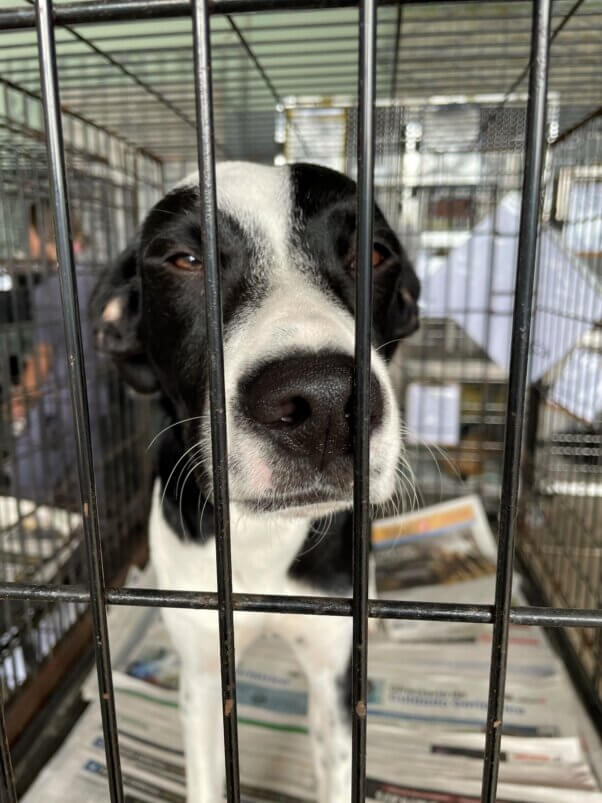
Additionally, reducing the number of stray animals has a positive impact on the local environment and tourism. Large populations of roaming animals can lead to issues with waste management and can negatively affect local wildlife. For an island like Puerto Rico, which relies heavily on its reputation as a pristine tourist destination, managing the stray animal crisis is also an economic imperative. Humane population control through sterilization is widely recognized by the World Health Organization and the World Organisation for Animal Health as the only effective and ethical method for managing long-term stray populations, as opposed to the ineffective and cruel "catch and kill" methods used in the past.
The Path Forward for Puerto Rico’s Animals
While the treatment of 215 animals in two days is a significant achievement, organizers emphasize that the work is far from over. The consistency of these clinics is what leads to long-term change. By returning to the island for a fifth time, PETA Latino and the Humane Society of Puerto Rico are building a relationship of trust with the community, encouraging more residents to seek out preventative care.
The long-term goal for animal welfare advocates in Puerto Rico is the establishment of more permanent, low-cost veterinary clinics and the integration of animal welfare education into the public school system. Until that infrastructure is fully realized, the burden of care falls on non-profit organizations and the generosity of international donors.
The data gathered from these five clinics will likely be used to advocate for better animal welfare laws and government funding for sterilization programs on the island. As the team packed up their surgical kits and prepared to depart, the impact of their work remained visible in the dozens of families leaving the clinic with healthier, sterilized pets. The "Concert of Compassion" may have ended, but the ripple effects of the 215 surgeries performed this week will be felt for generations of animals to come, preventing thousands of births into a life of hardship on the streets. The continued support of the Global Compassion Fund and the Lola Fund remains essential as PETA Latino looks toward planning its sixth mission to the island, maintaining the momentum in the fight for Puerto Rico’s animals.

