


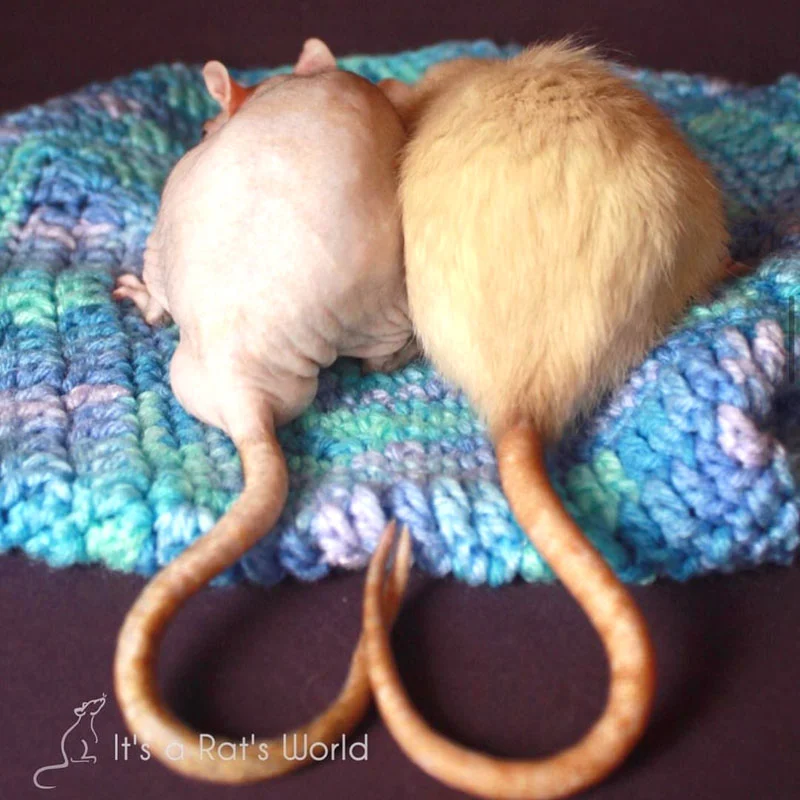
For many, the allure of pet rats lies in their intelligence, sociability, and surprisingly affectionate nature. However, as with any pet ownership, the path to providing the best possible life for these complex creatures is often paved with learning experiences, sometimes including significant missteps. This article delves into common errors made by rat owners, drawing from the personal journey of an experienced advocate and offering expert-backed guidance to help both novice and seasoned owners avoid detrimental practices. The goal is to equip owners with the knowledge necessary to provide a safe, stimulating, and healthy environment for their rat companions, transforming potential pitfalls into opportunities for enhanced care.
The Evolution of Rat Care: Acknowledging Past Limitations and Embracing Current Knowledge
The landscape of pet care information has undergone a dramatic transformation, particularly over the past few decades. In the 1990s, when many current rat owners first encountered these animals, reliable and comprehensive care guidelines were scarce. Information was often anecdotal, influenced by outdated practices, or disseminated through retail environments that prioritized sales over animal welfare. This lack of accessible, accurate data meant that well-intentioned owners, like the author of the original piece, could unknowingly implement practices detrimental to their pets.
Brandi Saxton, a prominent voice in the rat advocacy community and founder of "It’s A Rat’s World," reflects on her early experiences: "Having singletons rather than two or more rats was one of those mistakes. Oops, rats are social and really need friends! Then there was the 10-gallon aquarium I used as a cage. UGH!!! But if that wasn’t bad enough, I filled it with pine and cedar shavings, which are, um… toxic for small pocket pets! Double UGH!" These recollections highlight a common narrative of learning through trial and error, often at the expense of the animal’s well-being. The shift towards a more informed approach is crucial, acknowledging that what was once considered acceptable may now be recognized as harmful.
Navigating the Information Minefield: Identifying Reliable Resources
In the digital age, the abundance of information available online presents a double-edged sword. While the internet can be an invaluable tool for education, it is also a breeding ground for misinformation. It is critical for rat owners to develop a discerning eye when seeking care advice.
Key indicators of credible sources include:

- Longevity and Experience: Sources that demonstrate a long-standing commitment to rat care and share their own successful practices are more likely to be reliable.
- Veterinary Endorsement: Information backed by veterinary professionals, especially those specializing in exotics or small mammals, carries significant weight.
- Cited Sources and Research: Reputable sources often provide references to scientific studies, established veterinary texts, or well-respected organizations.
- Continuous Learning: Individuals and organizations that actively engage in ongoing education and are open to new information are valuable resources.
- Community and Rescue Involvement: Long-term involvement in rat rescue or established breeder communities often signifies deep practical knowledge.
Saxton emphasizes the importance of critical evaluation: "Don’t assume that every website, blog, or rat influencer online knows what they are talking about; they may be repeating outdated information." She specifically recommends resources like The Rat Guide (ratguide.com) for health advice, underscoring its reputation for accuracy and depth. Furthermore, the author cautions against relying solely on Artificial Intelligence (AI) for definitive answers, as AI can inadvertently propagate incorrect information or misinterpret nuanced details without proper human oversight and subject matter expertise. The average lifespan of a pet rat is approximately 2-3 years, making the quality of care during this period paramount. Ensuring owners are armed with accurate information from the outset can significantly impact this lifespan and overall health.
The Foundation of Well-being: Providing Adequate Housing and Supplies
A rat’s living environment is fundamental to its physical and psychological health. Common mistakes in housing can lead to stress, injury, and illness.
Essential Housing Considerations:
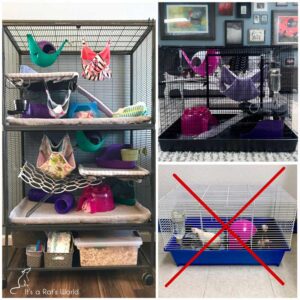
- Cage Size and Ventilation: Rats are active and intelligent creatures that require ample space to explore, play, and exercise. Multi-level cages with good ventilation are ideal. A general guideline suggests a minimum of 2 cubic feet of space per rat, though larger is always better, especially for social groups. The use of a cage calculator, such as those provided by some rat enthusiast clubs, can help determine appropriate sizing based on the number of rats.
- Bar Spacing and Security: Wire bar spacing should be narrow enough to prevent escapes and injuries, typically no more than ½ inch for adult rats. Secure latches are essential to prevent accidental escapes, which can expose rats to household dangers.
- Flooring: Wire floors are a significant concern. Prolonged exposure to wire can cause bumblefoot (pododermatitis), a painful inflammation of the feet, and contribute to unsanitary living conditions. Wire floors should always be covered with solid materials like plastic, linoleum, or even sturdy cardboard.
- Bedding: The choice of bedding is critical. While pine and cedar shavings were once common, they are now known to release harmful phenols that can cause respiratory problems and liver damage in small animals. Safer alternatives include paper-based bedding, aspen shavings, or fleece liners. Even "safe" beddings can sometimes cause sensitivities in individual rats, necessitating careful observation.
- Litter Box Training: Rats are naturally clean animals and can be litter-trained. Providing a litter box with a suitable substrate, such as crushed walnut shells (properly frozen to kill parasites), can help maintain cage cleanliness.
The consequences of inadequate housing can be severe. For instance, improper bar spacing can lead to limb entrapment and injury. Poor ventilation can exacerbate pre-existing respiratory conditions, which are common in rats, leading to conditions like mycoplasmosis. The prevalence of respiratory issues in pet rats is estimated to be high, with many rats exhibiting subclinical infections. Therefore, a well-ventilated cage is not just a comfort but a necessity.
The Unseen Dangers: Bedding and Litter Box Choices
Beyond the basic cage structure, the materials used within the habitat warrant careful consideration. As mentioned, aromatic wood shavings like pine and cedar are definitively toxic and should be avoided. Saxton’s experience with mites after forgetting to freeze walnut shells highlights the importance of proper preparation of any substrate, even those considered safe. Freezing for 24-48 hours is a standard recommendation to eliminate potential parasites or pathogens.

The Importance of a Clean Environment: Beyond Aesthetics
A clean cage is not merely a matter of aesthetics; it is a critical component of a rat’s health. Accumulation of urine and feces releases ammonia, a potent irritant that can severely damage a rat’s sensitive respiratory system.
Consequences of Poor Cage Hygiene:
- Respiratory Distress: Ammonia fumes can trigger or worsen respiratory infections, leading to symptoms like sneezing, wheezing, and labored breathing. Studies have shown a direct correlation between ammonia levels and the incidence and severity of respiratory disease in rodents.
- Eye Irritation: Ammonia can also irritate a rat’s eyes, causing redness, discharge, and discomfort.
- Dermatological Issues: Prolonged exposure to waste can lead to skin irritation and a foul odor in the rat’s fur.
- Unhygienic Living Conditions: Rats are intelligent and clean animals. Living in an unsanitary environment can be stressful and contribute to illness.
Regular cleaning routines, including spot cleaning daily and full cage cleans weekly or bi-weekly depending on the number of rats and cage size, are essential. Saxton’s article, "Resolve To Keep Your Rat’s Habitat Cleaner," provides further guidance on establishing effective cleaning schedules.
Nutritional Imperatives: Fueling Health Through Diet
Dietary mistakes are among the most common and potentially harmful errors in rat ownership. Providing an unbalanced or unhealthy diet can lead to a cascade of health problems.
Key Dietary Pitfalls:
- Inferior Commercial Diets: Not all commercial rat foods are created equal. Many may lack essential nutrients or contain excessive fillers and artificial ingredients. Lab blocks formulated for rodents are generally preferred over seed mixes, as they offer a more complete and balanced nutritional profile.
- Overfeeding and Junk Food: Similar to humans, rats are susceptible to obesity and related health issues like heart disease and diabetes from overconsumption of unhealthy foods. This includes regularly feeding them human junk food like fries, pizza, chips, and sugary treats.
- Improper Portioning of Healthy Foods: Even healthy foods like fruits and vegetables, which are vital for a rat’s diet, must be given in appropriate portions. Excessive amounts of certain fruits, for example, can lead to an overload of sugar.
Rats require a staple diet that provides complete nutrition, supplemented with fresh fruits and vegetables daily. Saxton’s co-authored articles for The Rat Guide on diet, daily menus, and specific food brands offer in-depth information for owners aiming to provide optimal nutrition. For instance, a balanced rat diet typically consists of around 15-20% protein, 5-7% fat, and 50-60% carbohydrates. The specific needs can vary slightly based on age and health status.
The Critical Need for Enrichment: Beyond Basic Survival
Providing a safe environment and adequate nutrition is just the baseline. Rats are highly intelligent and require mental stimulation and physical activity to thrive. A sedentary lifestyle can lead to boredom, stress, obesity, and behavioral issues.
Enrichment Strategies:
- Daily Exercise: Allowing rats supervised free-ranging time outside their cage in a rat-proofed area is crucial. This allows them to explore, exercise their bodies, and satisfy their natural curiosity.
- Interactive Toys and Puzzles: Providing a variety of toys, such as tunnels, climbing structures, puzzle feeders, and chew toys, keeps their minds engaged and prevents boredom. Rotating toys can also help maintain their interest.
- Social Interaction: Rats are highly social animals and benefit immensely from interaction with their human companions. Daily handling, playtime, and gentle training can strengthen the bond and provide mental stimulation.
Saxton’s article "Daily Exercise for Rats" offers practical suggestions for ensuring rats receive adequate physical activity and mental engagement, contributing to their overall well-being and preventing common behavioral problems such as destructive chewing or excessive grooming due to stress.
Handling with Care: Respecting a Rat’s Anatomy
A seemingly minor oversight in handling can have significant consequences. Grabbing a rat by its tail is a common mistake that can lead to severe injury.

The Importance of the Tail:
- Thermoregulation: The tail plays a vital role in regulating a rat’s body temperature, acting as a heat exchange mechanism.
- Balance and Agility: It is essential for balance, allowing rats to navigate complex environments and maintain stability.
- Sensory Input: The tail is rich in nerve endings, providing sensory information about the environment.
- Extension of the Spine: Anatomically, the tail is an extension of the rat’s vertebral column.
Risks of Tail Grabbing:
- Degloving Injuries: Pulling too hard on the tail can cause the skin to tear away from the bone, a severe and often irreparable injury known as degloving.
- Spinal Damage: The delicate bones and nerves within the tail can be damaged, leading to paralysis or chronic pain.
- Fractures: The tail can be easily fractured if handled roughly.
Proper handling involves supporting the rat’s entire body, placing one hand gently under its chest and the other supporting its hindquarters. Understanding the anatomy and vulnerability of a rat’s tail is crucial for preventing painful injuries. Saxton’s article, "Why Rat Tails Are So Important," delves into the multifaceted functions of this vital appendage.
The Financial Realities of Pet Ownership: Preparing for Expenses
The commitment to owning pet rats extends beyond daily care; it includes financial preparedness, particularly for veterinary expenses. The cost of veterinary care for exotic pets has risen significantly, making it essential for owners to budget accordingly.
Financial Considerations:

- Veterinary Care: Rats are prone to various health issues, including respiratory infections, tumors, and age-related ailments. Regular check-ups and prompt treatment for illnesses are vital. The average cost of a vet visit for a small animal can range from $50 to $150, with additional costs for diagnostics and treatment.
- Supplies and Replacements: Ongoing expenses include food, bedding, toys, cage accessories, and the eventual replacement of worn-out items.
- Emergency Funds: It is prudent to establish an emergency fund or pet insurance specifically for veterinary emergencies, as unexpected illnesses or injuries can incur substantial costs.
The rising cost of veterinary care, with reports indicating a 60% increase since 2014 in some regions, underscores the importance of financial planning. Saxton’s personal account of having to take a break from rat ownership due to financial strain is a poignant reminder of this reality. Establishing a dedicated savings account for pet care is a proactive measure that can prevent difficult decisions during times of crisis. Identifying an exotics veterinarian before an emergency arises is also a critical step.
Free-Ranging Responsibly: Safety and Hygiene
While free-ranging offers significant benefits for rats, it must be approached with caution and thorough preparation. Unsupervised or unprepared free-ranging can pose serious risks to both the rats and the home.
Dangers of Unprepared Free-Ranging:
- Household Hazards: Electrical cords, toxic plants, cleaning product residues, and small objects that can be ingested are all potential dangers.
- Structural Damage: Rats have a natural instinct to chew, which can lead to damage to furniture, wiring, and other household items.
- Hygiene Concerns: Rats, like all animals, excrete waste. Uncontrolled free-ranging can lead to unsanitary conditions in the home, potentially impacting the security deposit in rental properties.
A comprehensive approach to free-ranging involves rat-proofing the designated area, removing all hazards, and supervising the rats closely. Saxton’s article "Free-Ranging Pet Rats: What Every Owner Needs to Know" provides essential guidelines for ensuring a safe and enjoyable experience for both pets and owners.
Adapting to Aging: Special Care for Senior Rats
As rats age, their needs change, and owners must be prepared to make adjustments to ensure their comfort and well-being. Failing to recognize and adapt to these changes can lead to suffering.
Needs of Senior Rats:
- Mobility Issues: Older rats may develop arthritis or other mobility problems, making it difficult to climb or access higher levels of their cage. Ramps should be made less steep, and food and water sources should be easily accessible. Soft bedding and accessible hammocks can provide comfort.
- Dietary Changes: Appetite may decrease, and they may struggle to chew hard foods. Softer, more easily digestible foods, potentially with added supplements, may be necessary. Monitoring weight and hydration is crucial.
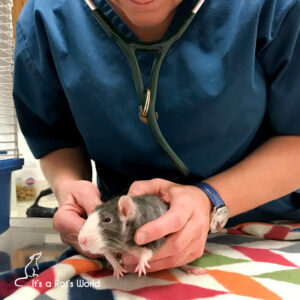
- Health Monitoring: Senior rats are more prone to developing chronic health conditions, such as tumors and respiratory ailments. Vigilant observation for any changes in behavior, appetite, or physical condition is paramount. Prompt veterinary intervention with antibiotics or pain medication can significantly improve their quality of life.
The average lifespan of a pet rat is 2-3 years. Recognizing the distinct needs of senior rats during their twilight years is a testament to committed ownership. Saxton’s article, "Senior Rats: What To Expect And How To Care For Them," offers valuable insights into providing assisted living for aging rat companions.
The Cornerstone of Ownership: Unwavering Commitment
Ultimately, successful rat ownership hinges on a deep and unwavering commitment. This means prioritizing the rats’ well-being through consistent daily care, interaction, and attention.
Elements of Full Commitment:
- Daily Interaction: Quality time spent with rats each day is essential for their emotional and social well-being. This includes feeding, cleaning, playing, and simply offering companionship.
- Routine and Predictability: Rats thrive on routine. Establishing consistent daily schedules for meals, playtime, and social interaction helps them feel secure and builds trust.
- Responsibility: Whether the rats were acquired for personal enjoyment or for children, the ultimate responsibility for their care rests with the adult owner. This includes ensuring their physical health, mental stimulation, and overall happiness.
The reward for this dedication is the profound bond that forms between owner and rat. Saxton’s description of her rats eagerly awaiting her at the cage door for their nightly snuggles illustrates the deep connection that can be forged through consistent care and affection. Additional resources like "How To Be The Best Rat Mom Or Rat Dad" and "Pet Rat Care Do’s And Don’ts" further elaborate on the principles of devoted rat ownership, offering a holistic view of the responsibilities and joys involved.
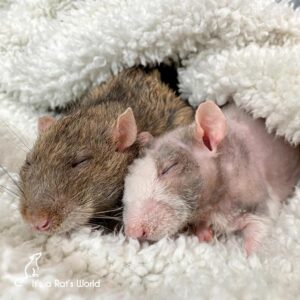
In conclusion, while the journey of rat ownership may involve learning from past mistakes, a commitment to education, responsible practices, and attentive care can ensure these intelligent and affectionate creatures lead happy, healthy, and fulfilling lives. By understanding and actively avoiding common pitfalls, owners can provide the best possible environment for their beloved rat companions.

