


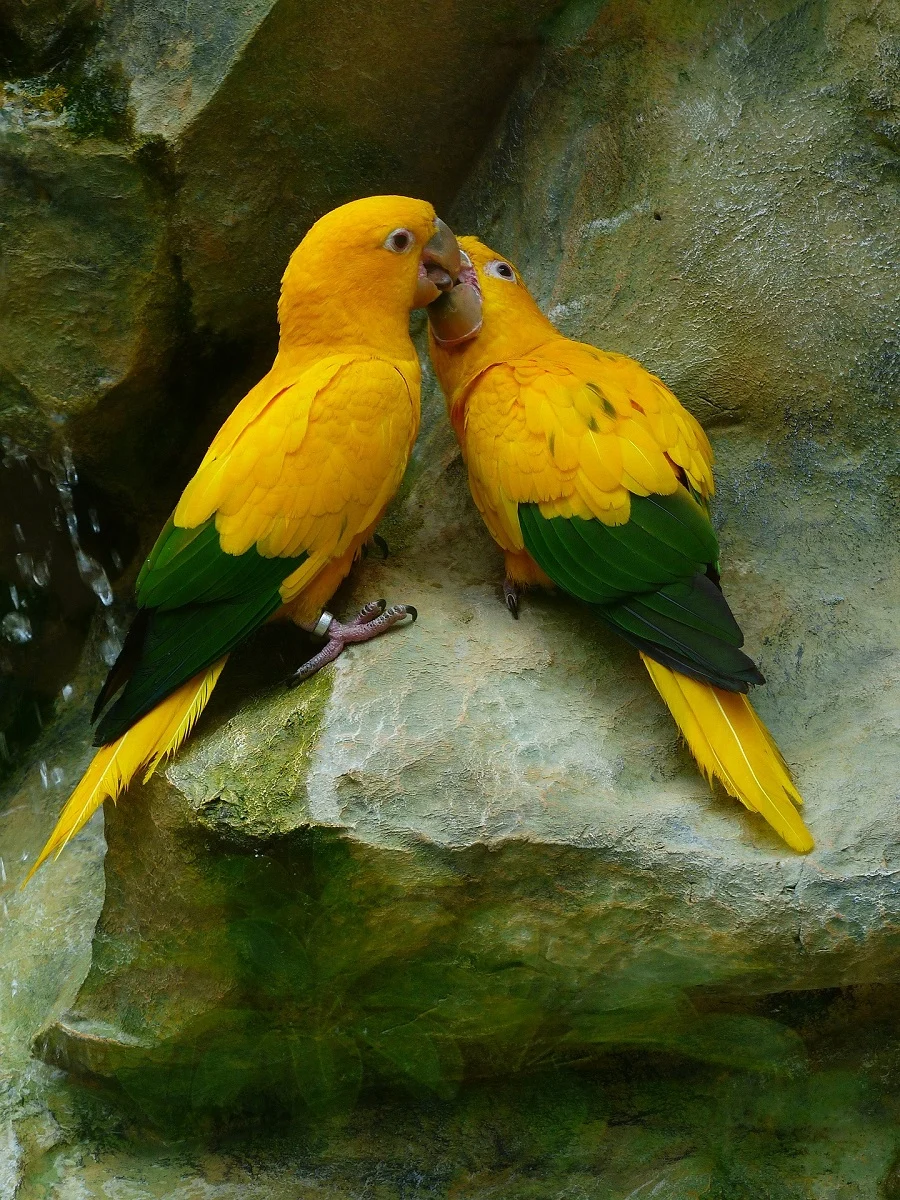
The captivating Golden Conure, known scientifically as Guaruba guarouba and colloquially as the Queen of Bavaria conure or golden parakeet, stands out as one of the most visually stunning members of the parrot family. Its strikingly uniform golden plumage has earned it widespread admiration, making it a highly sought-after species in aviculture. However, beneath its radiant exterior lies a complex narrative of ecological vulnerability, intricate taxonomy, and the demanding realities of responsible pet ownership. This comprehensive overview delves into the multifaceted world of the Golden Conure, exploring its biology, natural history, conservation status, and the specialized care required for its well-being in captivity.
A Glimpse into its Regal Appearance and Unique Taxonomy
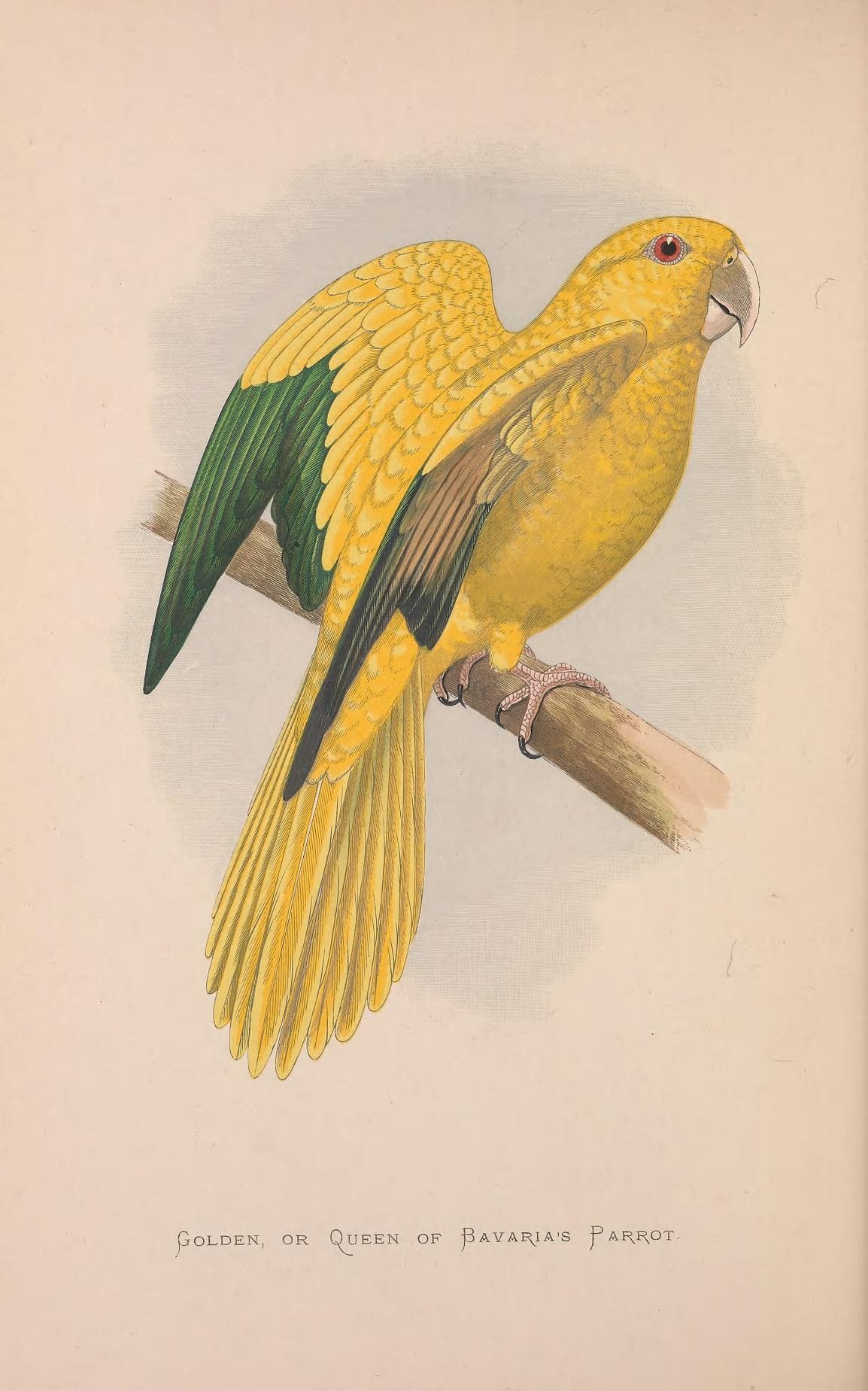
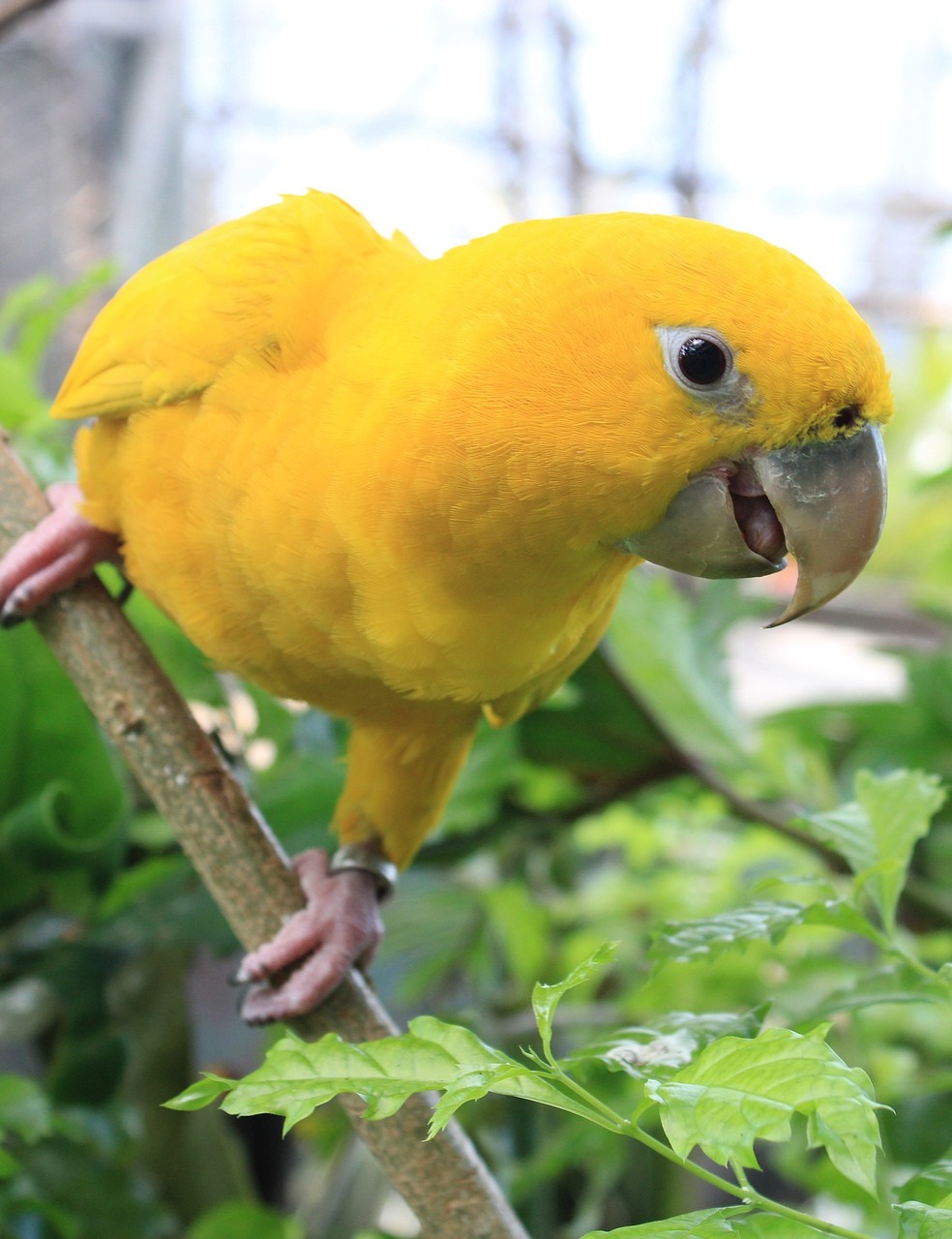
The Golden Conure’s allure is undeniable, primarily attributed to its brilliant, almost iridescent golden-yellow feathers that cover most of its body. Adults typically reach lengths of up to 14 inches (35 cm) and weigh around 250 grams, presenting a medium-sized yet robust physique. A distinctive feature is its large, horn-colored beak, perfectly adapted for cracking nuts and fruits in its natural habitat. While the adult plumage is predominantly golden, a subtle yet crucial detail lies in its wing tips, which are adorned with dark green feathers. Juvenile birds, however, exhibit a more pronounced green coloration, particularly on their wings and often speckled across their backs and heads, a visual cue that fades as they mature into their iconic golden hue. Interestingly, visual distinction between male and female Golden Conures is not possible; determining sex requires a DNA test, a common practice in aviculture for breeding purposes.
The journey of the Golden Conure through the annals of scientific classification is a testament to the dynamic nature of ornithological research. Its common name, "Queen of Bavaria Conure," itself a historical nod, reflects its early popularity among European royalty and enthusiasts. Originally, the species was classified under genera such as Conurus and Eupsittula, before being placed within Aratinga, a large genus encompassing many conure species. However, ornithologists have long suspected its unique characteristics warranted a distinct classification. This hypothesis gained significant traction with Joseph Forshaw’s seminal work, "Parrots of the World," in 2006, where he formally listed it as Guaruba guarouba. This reclassification was subsequently validated by advanced phylogenetic studies utilizing mitochondrial and nuclear DNA sequences. A notable 2006 article in Systematic Biology, for instance, revealed that Guaruba is genetically more closely related to the red-shouldered macaws of the genus Diopsittaca than to the Aratinga conures, providing robust evidence for its unique generic status. This taxonomic shift underscores the ongoing scientific effort to accurately map evolutionary relationships and highlights the Golden Conure’s distinct place within the parrot lineage.
The Amazonian Realm: Habitat and Endangerment
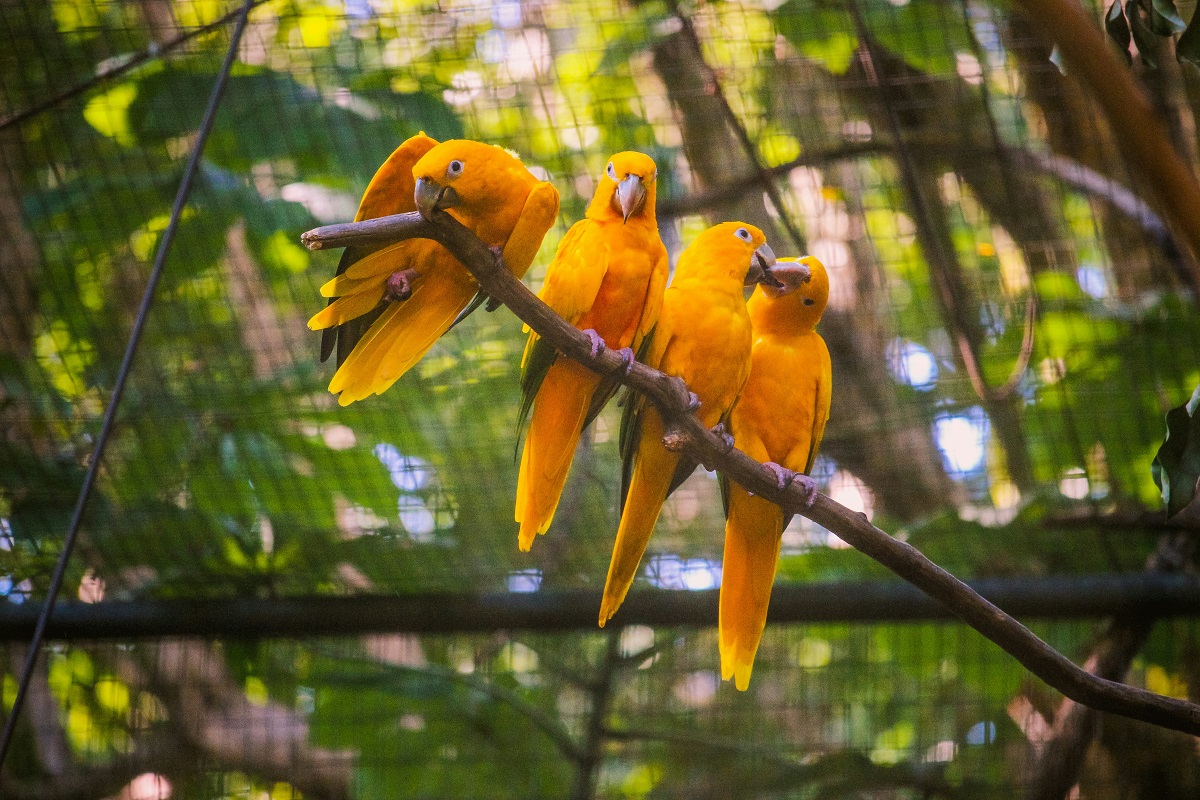
Native exclusively to the Brazilian Amazon Basin, the Golden Conure’s natural range is primarily confined to the state of Pará, with potential extensions into neighboring Maranhão. Within this vast and biodiverse ecosystem, these parrots exhibit a preference for dry lowland forests, often referred to as "terra firme" forests. However, they are also observed venturing into seasonally flooded areas known as "várzea," demonstrating a degree of adaptability to different forest types. The species is notably nomadic, with observations indicating that during the breeding season, pairs or small groups may temporarily depart the dense jungle for less vegetated zones, possibly in search of specific nesting sites or food resources. Nests are typically constructed in isolated hollow trees, sometimes by enlarging existing cavities previously used by other species. A fascinating aspect of their reproductive biology is their tendency towards communal nesting, where multiple females may lay eggs within the same nest, leading to unusually large clutches of over ten eggs. This cooperative breeding strategy is relatively uncommon among parrots and suggests a strong social structure within wild populations.
Despite its beauty and unique behaviors, the Golden Conure faces severe threats in its natural habitat. The International Union for Conservation of Nature (IUCN) Red List currently classifies Guaruba guarouba as a "Vulnerable" species, a designation reflecting a significant decline in its wild population. While the historical impact of trapping for the pet trade has somewhat diminished due to increased conservation awareness and stricter regulations, habitat destruction and fragmentation remain the most pressing dangers. Extensive deforestation for agricultural expansion (particularly cattle ranching and soy cultivation), illegal logging, and mining operations continue to erode the Amazon rainforest, directly impacting the Golden Conure’s limited range. The fragmentation of forests isolates populations, reduces genetic diversity, and makes them more susceptible to localized extinctions. To combat the illegal wildlife trade and protect the species, the Golden Conure is also listed on Appendix I of the Convention on International Trade in Endangered Species of Wild Fauna and Flora (CITES). This listing provides the highest level of protection, prohibiting international commercial trade in wild-caught specimens and allowing trade only under exceptional circumstances, such as for scientific research or approved captive breeding programs. Conservationists emphasize that while captive breeding plays a role, the long-term survival of the Golden Conure critically depends on the preservation of its remaining Amazonian habitat and stringent enforcement of anti-poaching and anti-deforestation laws. Locally, indigenous populations in Brazil have long revered the Golden Conure, referring to it as "Ararajuba." Its golden feathers were historically prized, and sources like Helmut Sick’s "Ornitologia Brasileira" even note instances where other conure species were dyed yellow to be sold for higher prices, highlighting the bird’s cultural and economic significance.
Dietary Habits: From Wild Foraging to Captive Nutrition
In its lush Amazonian environment, the wild Golden Conure enjoys a diverse and seasonally varied diet. Scientific studies, such as those published in Diversity, indicate that fruits constitute the primary component of their diet. Favorites include the nutrient-rich fruits of açaí and bacaba palms, as well as those from cashew, ice cream bean (Inga edulis), nance (Byrsonima crassifolia), and locustberry trees. Beyond fruits, they also consume flowers and flower buds, supplementing their diet with nectar and pollen. Like many other parrot species that inhabit agricultural regions, Golden Conures are known to occasionally raid local farmers’ crops, showing a particular fondness for corn and mango. This natural diet, rich in varied nutrients and presented in a complex foraging context, is crucial for their health and well-being.
Translating this wild diet to a captive setting requires careful consideration to ensure a long and healthy life for pet Golden Conures. The cornerstone of a captive Golden Conure’s diet should be high-quality, species-appropriate parrot pellets. Unlike traditional seed mixes, which are often high in fat and low in essential vitamins and minerals, pellets provide a balanced nutritional profile, minimizing the risk of dietary deficiencies and obesity, a common ailment in captive parrots. While pellets form the staple, variety is absolutely essential for both physical and psychological health. Owners should supplement the pellet diet with a wide array of fresh foods, including:
- Fruits: Apples, bananas, berries (blueberries, raspberries, strawberries), mango, papaya, melon, grapes (in moderation). Always remove pits and seeds from fruits like apples and cherries, as they can be toxic.
- Vegetables: Leafy greens (kale, spinach, romaine lettuce), broccoli, carrots, bell peppers (all colors), sweet potatoes, zucchini, peas, green beans.
- Healthy Grains & Legumes: Cooked brown rice, quinoa, whole-wheat pasta, sprouted lentils or beans.
- Occasional Treats: Small amounts of cooked lean protein (chicken, fish), unsalted nuts (almonds, walnuts, pecans – high in fat, so sparingly), or bird-safe seeds as a foraging reward.
Foods to strictly avoid include avocado, chocolate, caffeine, alcohol, fruit pits/seeds, rhubarb, onions, garlic, and excessive salt or sugar. Providing food in a foraging setting, such as puzzle toys or by hiding treats, not only mimics their natural behavior but also provides crucial mental stimulation, preventing boredom and encouraging physical activity. A balanced and engaging diet is paramount to prevent common health issues and ensure the Golden Conure thrives in a home environment.
Creating an Optimal Environment: Housing and Enrichment
Given their active nature and relatively large size, Golden Conures require substantial living space. For owners planning to keep their bird primarily caged, a full-sized indoor aviary is ideal, offering ample room for flight and exercise. If daily supervised out-of-cage time is provided for several hours, a robust enclosure with a minimum width of 40 inches (1 meter) and significant height and depth is acceptable. The bar spacing should be appropriate for a medium-sized parrot, preventing escape or injury.
The interior of the cage is just as critical as its dimensions. It should be furnished with a variety of natural wood perches of varying diameters and textures to promote foot health and prevent pressure sores. Platforms and ladders also offer additional resting and climbing opportunities. Most importantly, Golden Conures are highly intelligent and playful beings that bore easily, making an abundance of parrot-safe toys indispensable. Toys serve multiple purposes: they provide opportunities for chewing (essential for beak health), shredding, preening, and noise-making, all natural behaviors that help alleviate stress and prevent destructive habits like feather plucking. A rotating selection of different toy types—chew toys, foraging toys, puzzle toys, shreddable toys—ensures continuous novelty and engagement. For out-of-cage time, a cage-top playground or a dedicated parrot tree provides a designated safe space for exploration, play, and interaction with their human companions.
Golden Conure Enrichment: Preventing Boredom and Promoting Well-being
As highly intelligent and social creatures, Golden Conures are prone to boredom and stress if their environment lacks sufficient stimulation. In the wild, they spend their days interacting with their flock, foraging for food, and navigating a complex environment. A sterile, unstimulating captive environment can lead to a range of undesirable behaviors, including excessive screaming, feather plucking (a sign of severe psychological distress), and aggression. Therefore, providing consistent and varied enrichment is not merely a luxury but a fundamental requirement for their mental and physical health.
Key strategies for effective enrichment include:
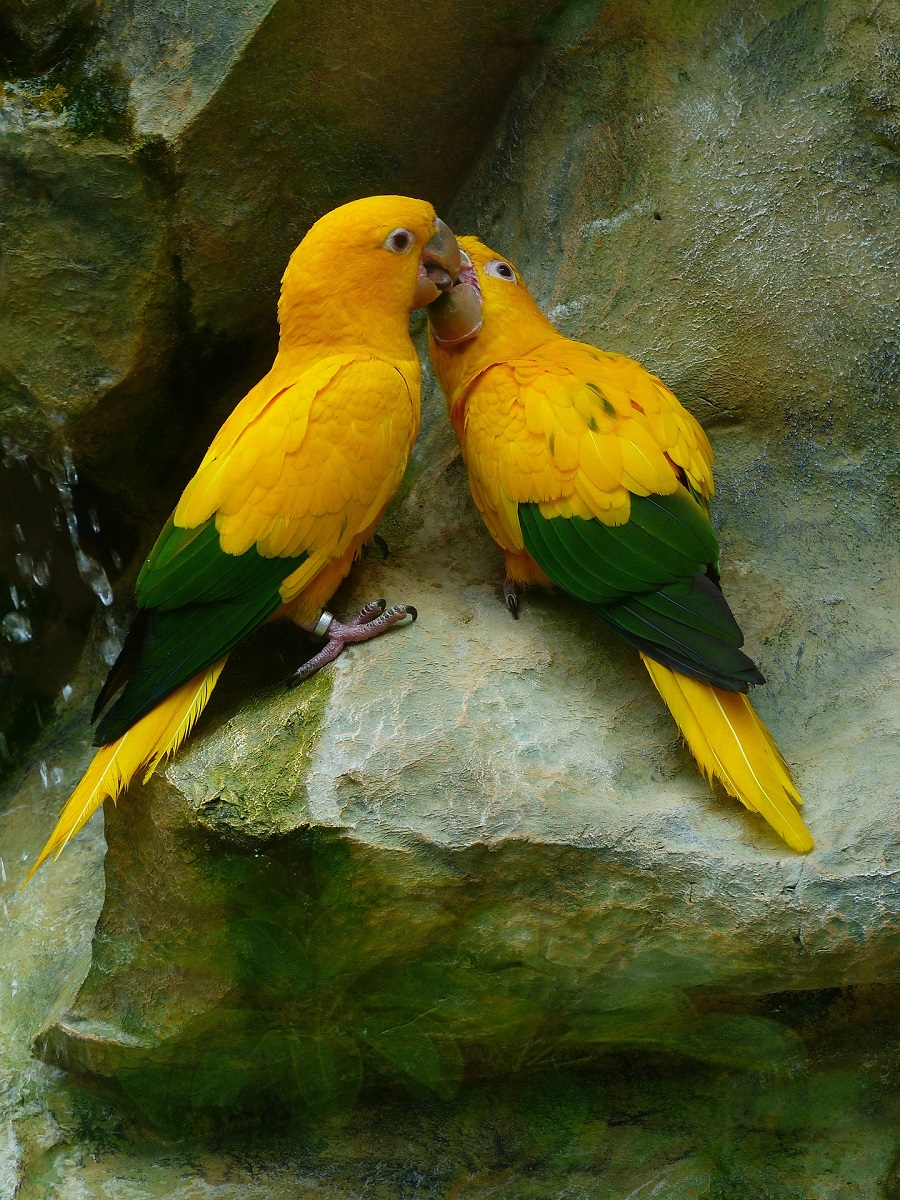
- Interactive Play: Dedicate daily time to play and interact directly with your conure. This could involve teaching tricks, playing games like fetch, or simply talking and cuddling. Their highly social nature demands regular human interaction.
- Foraging Opportunities: Beyond simply placing food in a bowl, hide food in foraging toys, cardboard tubes, or crumpled paper within the cage. This encourages natural problem-solving skills and extends mealtime, reducing idle periods.
- Chew Toys: Provide a constant supply of safe, chewable items made from natural wood, untreated leather, or sisal rope. Chewing is a natural stress-reliever and helps maintain beak health.
- Novelty and Rotation: Regularly rotate toys, perches, and cage accessories to prevent familiarity and maintain interest. Introduce new, safe items periodically to stimulate curiosity.
- Auditory and Visual Stimulation: Offer bird-safe music, nature sounds, or even specific television programs (not always recommended due to potential negative content). Ensure they have a view of outdoor activity if safe and appropriate.
- Bathing Opportunities: Provide a shallow dish of water for bathing or mist them gently with a spray bottle. Many parrots enjoy bathing, which is vital for feather health.
- Training: Positive reinforcement training can be highly enriching, teaching them commands, tricks, and encouraging desired behaviors while strengthening the bond with their owner.
Crucially, any room a Golden Conure has access to outside its cage must be thoroughly "parrot-proofed." This involves removing toxic plants, securing windows and doors, covering electrical outlets, eliminating access to dangerous chemicals or small ingestible objects, and ensuring other pets are safely secured. A significant benefit of these enrichment strategies is that they naturally encourage physical activity, helping to combat obesity, which is a primary cause of premature death in pet parrots.
Temperament: The Golden Conure’s Vibrant Personality
The Golden Conure is renowned for a temperament as brilliant and engaging as its plumage. While individual personalities can vary based on genetics and early socialization, most Golden Conures are characterized by their friendly, affectionate, and outgoing nature. Unlike some parrot species that tend to bond with a single individual, Golden Conures often form strong attachments with multiple family members, making them excellent pets for households willing to provide consistent attention.
They are highly energetic and playful birds, thriving on interaction and mental stimulation. They delight in supervised out-of-cage time, whether perched on a shoulder, exploring a play stand, or engaging in interactive games. Their even-tempered disposition means they are generally not known for aggression, although like all parrots, they can deliver a strong bite if startled or feeling threatened. Their intelligence and social needs mean they thrive on attention and engagement. Prospective owners must understand that Golden Conures are not low-maintenance pets; they demand significant daily interaction, enrichment, and a stimulating environment to prevent boredom and behavioral issues. Their long lifespan of up to 30 years means owning a Golden Conure is a long-term commitment, requiring dedication throughout its life.
Vocalization: A Powerful Voice
While not as ear-splittingly loud as some of their Aratinga cousins, such as the Sun Conure, Golden Conures are by no means quiet birds. Their vocalizations are varied, ranging from melodic chirps and whistles to powerful squawks and alarm calls. The intensity and frequency of their noise can vary between individuals, but their relatively large size means they possess powerful voices capable of carrying across a significant distance. This is an important consideration for potential owners, particularly those living in apartments or close proximity to neighbors.
It is highly advisable for prospective owners to spend time with Golden Conures, either at a breeder’s facility or with current owners, to experience their typical noise levels firsthand before making a commitment. This direct exposure can help determine if their vocalizations are manageable within one’s living situation and tolerance levels.
Regarding their talking ability, while nearly all parrots possess the capacity to mimic sounds and words from their environment, Golden Conures are not typically considered "champion talkers" like African Greys or Amazon parrots. While some individuals may pick up simple words, their names, short phrases, or even mimic household sounds, their vocabulary is generally limited, and their voices are often not very clear. Owners should approach this aspect with realistic expectations, appreciating any vocal mimicry as a bonus rather than a guaranteed trait.
The Path Forward: Conservation and Responsible Aviculture
The Golden Conure, with its unparalleled beauty and engaging personality, represents both the allure and the challenges inherent in the world of exotic birds. Its status as a Vulnerable species underscores the urgent need for robust conservation efforts focused on protecting its rapidly diminishing Amazonian habitat. Initiatives aimed at combating deforestation, regulating illegal logging and mining, and enforcing CITES regulations are paramount to ensuring the survival of wild populations.
For those considering adding a Golden Conure to their family, responsible aviculture plays a critical role. This involves sourcing birds from reputable breeders who prioritize the health and well-being of their animals and ensure ethical breeding practices, avoiding any connection to the illegal wild bird trade. Owning a Golden Conure is a profound, long-term commitment that requires extensive research, financial resources, and a deep understanding of their complex physical and psychological needs. Providing a stimulating environment, a balanced diet, consistent social interaction, and regular veterinary care are non-negotiable responsibilities.
Ultimately, the future of the Golden Conure, whether in the wild or in human care, hinges on a collective commitment to conservation and responsible stewardship. By understanding and respecting their unique biology, their ecological role, and their specific needs as companion animals, we can contribute to the preservation of this magnificent "Queen of Bavaria" for generations to come.

