


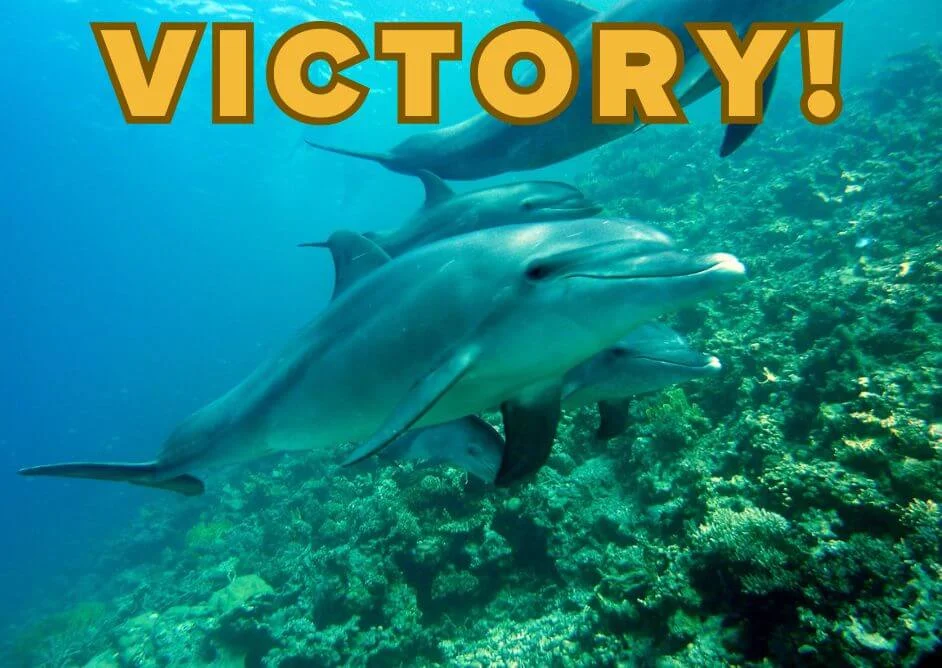
In a significant move reflecting the evolving landscape of animal welfare and corporate responsibility in the tourism sector, two prominent vacation destinations have officially ceased their participation in "swim-with-dolphins" programs. Aulani, a Disney Resort & Spa located in Kapolei, Hawaii, and Hawks Cay Resort in Duck Key, Florida, have confirmed the termination of these controversial interactive encounters. The decisions follow sustained advocacy from People for the Ethical Treatment of Animals (PETA) and align with a broader global trend where major travel providers and hospitality brands are distancing themselves from captive cetacean entertainment. This shift highlights a growing consensus among marine biologists, ethicists, and the general public regarding the psychological and physical tolls that confinement and forced human interaction take on highly intelligent marine mammals.
The Context of the Decision: Aulani and Sea Life Park Hawaii
Aulani’s decision to stop promoting off-site dolphin encounters marks a pivotal change for the Disney-branded property. Previously, the resort offered guests the opportunity to participate in programs at Sea Life Park Hawaii, a facility that has long been a focal point for animal rights activists. Sea Life Park has faced scrutiny for decades regarding the conditions of its tanks and the longevity of its resident marine life. By severing ties with these programs, Aulani is aligning its operational practices with the broader corporate strategy of its parent company, The Walt Disney Company.
This move follows a significant internal precedent set by Disney in 2024. Earlier that year, the company announced it would relocate the dolphins housed at EPCOT’s "The Seas with Nemo & Friends" pavilion in Orlando, Florida. Two of the dolphins were moved to the Gulf World Marine Park in Panama City Beach, while others were reassigned to different facilities. Disney’s decision to phase out dolphin exhibits at its flagship theme parks signaled a strategic pivot toward conservation education that does not rely on captive performances or direct interactive encounters. For Aulani, removing the promotion of Sea Life Park’s dolphin programs ensures consistency across the Disney brand, reinforcing a commitment to more ethical guest experiences.
Hawks Cay Resort and the Legacy of the Miami Seaquarium
In the Florida Keys, Hawks Cay Resort has undergone a similar transformation. The resort was formerly the site of "Dolphin Connection," a program operated by the parent company of the Miami Seaquarium. The Miami Seaquarium has been the subject of intense international controversy, particularly following the death of the orca Lolita (also known as Tokitae) and a series of scathing reports from the U.S. Department of Agriculture (USDA). These reports cited numerous violations of the Animal Welfare Act, including inadequate veterinary care, poor water quality, and structural integrity issues within the enclosures.
When the contract for the dolphin program at Hawks Cay reached its end or faced disruption due to the legal and financial struggles of its operators, the resort management chose not to seek a new partner for captive encounters. Instead, the facility has signaled a move toward alternative forms of guest entertainment that do not involve the use of captive marine mammals. This decision is particularly poignant given the Florida Keys’ reputation as a hub for wild dolphin sightings, where eco-tours allow visitors to observe these animals in their natural habitats without the ethical compromises inherent in captive facilities.
The Scientific Argument Against Captive Encounters
The push to end dolphin encounters is rooted in decades of cetacean research. Dolphins are recognized by the scientific community as non-human persons, possessing complex social structures, high levels of emotional intelligence, and sophisticated communication systems. In the wild, bottlenose dolphins can travel up to 60 miles per day and dive to depths of over 1,500 feet. They live in "fission-fusion" societies, where social bonds are fluid and based on choice rather than forced proximity.
Captive environments, regardless of how well-maintained, cannot replicate these conditions. The primary concerns cited by marine scientists include:
- Acoustic Stress: Dolphins perceive their world primarily through echolocation. In concrete tanks or shallow lagoons, the sonar waves they emit bounce off the walls, creating an "acoustic mirror" effect that can be distressing and disorienting.
- Behavioral Restriction: In "swim-with" programs, dolphins are often trained through food deprivation or "positive reinforcement" that necessitates performance for sustenance. This overrides their natural behaviors, such as hunting, exploring, and choosing their own social partners.
- Physical Health Issues: The constant presence of human swimmers introduces risks of disease transmission and physical injury. Furthermore, the stress of confinement is linked to suppressed immune systems in cetaceans, leading to higher rates of gastric ulcers and infections that are less common in wild populations.
- Social Fragmentation: Facilities often move dolphins between parks for breeding purposes or to fulfill inventory needs, which frequently involves separating mothers from calves or breaking up established social groups. This causes profound psychological trauma to animals that rely heavily on family bonds.
Chronology of the Global Shift in Marine Mammal Tourism
The decisions by Aulani and Hawks Cay are part of a larger chronological timeline of reform within the travel industry:
- 2013: The release of the documentary Blackfish sparks a massive public outcry against the captivity of orcas and other cetaceans, leading to a significant drop in attendance at marine parks like SeaWorld.
- 2019: Major travel platforms, including TripAdvisor and Virgin Holidays, announce they will no longer sell tickets to attractions that breed or import captive whales and dolphins.
- 2020-2022: Canada passes the "Free Willy" bill (Bill S-203), banning the captivity, breeding, and trade of cetaceans for entertainment. Similarly, France announces a phased ban on the use of wild animals in traveling circuses and the breeding of dolphins and orcas in captivity.
- 2023: Expedia Group officially removes all tours and attractions involving captive cetaceans from its website, citing the impossibility of maintaining high welfare standards in such environments.
- 2024: Disney removes dolphins from EPCOT, and subsequent announcements from Aulani and Hawks Cay confirm the trend has reached high-end luxury resorts.
Economic and Societal Implications
The withdrawal of major resorts from the captive dolphin industry reflects a shift in consumer demographics. Millennials and Generation Z, who now make up a significant portion of the travel market, prioritize sustainability and ethical considerations when booking vacations. According to various market research studies, a majority of modern travelers prefer viewing animals in the wild over seeing them perform in shows or being kept in enclosures.
For resorts like Aulani and Hawks Cay, the financial risk of being associated with animal cruelty now outweighs the revenue generated by dolphin encounters. The "reputational tax" imposed by animal rights campaigns and negative social media sentiment can lead to long-term brand damage. By transitioning to eco-friendly alternatives—such as guided snorkeling tours, educational workshops on marine conservation, and wild dolphin watching expeditions—these resorts are tapping into the lucrative and growing sector of "responsible tourism."
Furthermore, this trend is putting pressure on the remaining facilities that still offer captive encounters. As the pool of corporate partners shrinks, the economic viability of maintaining expensive marine mammal exhibits diminishes. This may eventually lead to the creation of seaside sanctuaries, where formerly captive dolphins can live out their lives in protected ocean coves, away from the demands of human entertainment.
Reactions and Future Outlook
While industry groups representing marine parks argue that these encounters foster a love for the ocean and contribute to conservation funding, advocacy groups like PETA and the Whale and Dolphin Conservation (WDC) argue that the educational value is negligible compared to the harm caused. In a statement following the announcements, animal welfare advocates praised the resorts for "turning the tide" and urged other hospitality leaders to follow suit.
The transition is not without its challenges. The question of what happens to the dolphins currently in these programs remains a topic of intense debate. Moving long-term captive animals to the open ocean is rarely feasible due to their lack of hunting skills and potential exposure to pathogens. However, the movement toward seaside sanctuaries—modeled after elephant and great ape sanctuaries—is gaining traction as the most ethical "retirement" plan for these animals.
As Aulani and Hawks Cay Resort move forward, their actions serve as a blueprint for the hospitality industry. The message is clear: the future of luxury travel is one that respects the autonomy and natural lives of wildlife. By choosing to end these programs, these resorts are not only responding to pressure but are also positioning themselves as leaders in a new era of ethical tourism. The "Aloha" spirit and the relaxed atmosphere of the Florida Keys are now being defined by a deeper respect for the marine life that makes these destinations so desirable in the first place.

