


The ethical positioning of Vital Farms, a leading purveyor of pasture-raised eggs, has come under intense scrutiny following a series of confrontations with People for the Ethical Treatment of Animals (PETA). During the company’s annual shareholder meeting held in Austin, Texas, on June 10, 2026, representatives from the animal rights organization challenged the transparency of the company’s marketing strategies. PETA, which has acquired stock in the company to influence corporate policy from within, questioned whether the "humane" and "happy" branding used by Vital Farms accurately reflects the lived experience of the hens within its supply chain. The meeting, which was reportedly adjourned after only ten minutes, highlighted a growing rift between premium food producers and animal welfare advocates regarding the definition of ethical farming.
The Core of the Dispute: Marketing vs. Industry Reality
Vital Farms has successfully captured a significant portion of the premium egg market by marketing its products as "pasture-raised" and "certified humane." Its packaging often features whimsical illustrations and narratives of hens roaming freely in lush, sun-drenched fields. This branding has allowed the company to command prices significantly higher than those of conventional egg producers—often double or triple the cost of standard Grade A eggs.
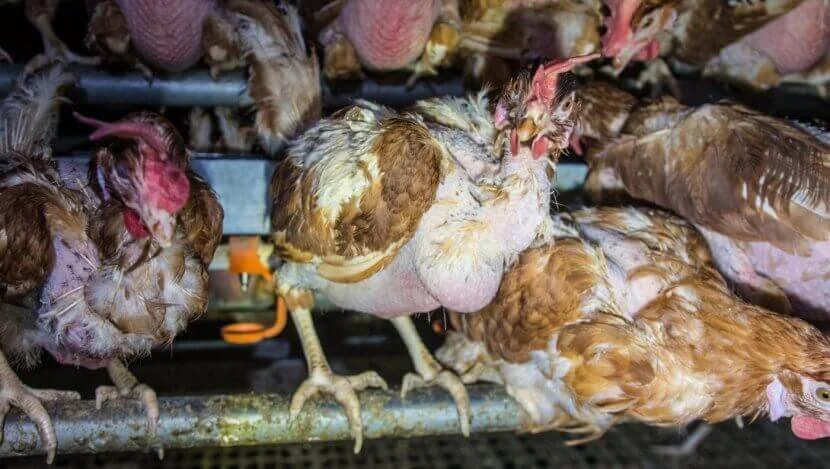
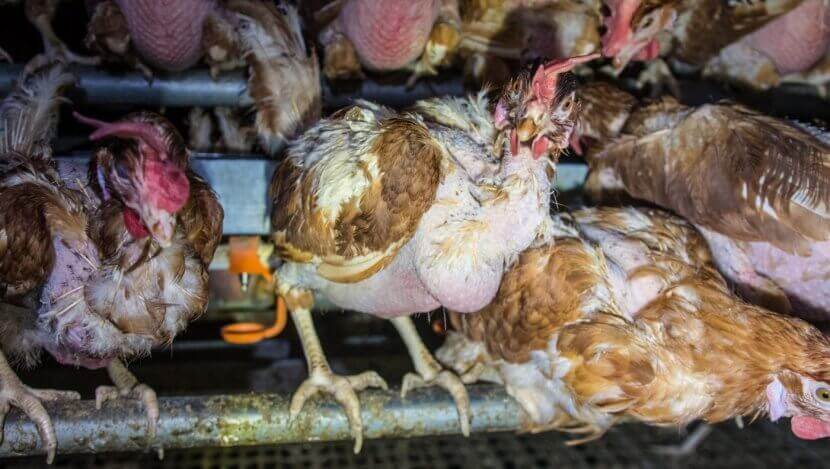
However, PETA alleges that this imagery constitutes "humane-washing," a term used to describe marketing that misleads consumers into believing an animal product is more ethical than it truly is. According to PETA’s reports and a recently published white paper on the cage-free and pasture-raised industries, the reality for many hens involves practices that the average consumer might find distressing. Key among these allegations is the practice of beak trimming, where the sensitive tips of a chick’s beak are removed using a hot blade or infrared laser to prevent feather pecking and cannibalism—behaviors that often arise in high-stress, crowded environments.
Furthermore, PETA points out that while "pasture-raised" implies a life of outdoor freedom, the industry standards for "Certified Humane" status still allow for significant periods of confinement and high stocking densities within sheds. The organization argues that despite the "pasture-raised" label, many birds spend the majority of their time in crowded indoor facilities where air quality can be poor due to ammonia buildup from accumulated waste.
Chronology of Corporate Growth and Rising Scrutiny
To understand the current tension, one must look at the trajectory of Vital Farms since its inception. Founded in 2007, the company started as a single farm in Austin and grew rapidly as consumer demand for "ethical" food surged. By 2020, Vital Farms launched its initial public offering (IPO), signaling the mainstream success of the pasture-raised model.
As the company scaled, it moved from managing its own farms to a "partner farm" model, sourcing eggs from hundreds of independent contractors. This shift has been a focal point for critics, who argue that maintaining uniform welfare standards across a vast network of third-party suppliers is inherently difficult.
- 2007: Vital Farms is founded with a focus on pasture-raised eggs.
- 2014: The company receives "Certified Humane" accreditation, a label managed by Humane Farm Animal Care (HFAC).
- 2020: Vital Farms goes public, with its valuation reflecting high investor confidence in the "ethical" food sector.
- 2021-2023: Several consumer class-action lawsuits are filed against the company, alleging that its marketing materials overstate the amount of time hens spend outdoors. While some of these legal challenges were dismissed, they brought national attention to the ambiguity of "humane" labels.
- June 2026: PETA uses its status as a shareholder to confront the board at the annual meeting, leading to a truncated session and renewed public debate.
Supporting Data: The Economics of the "Ethical" Egg
The market for specialty eggs—including cage-free, organic, and pasture-raised—has seen exponential growth over the last decade. Data from the United States Department of Agriculture (USDA) indicates that cage-free egg production now accounts for nearly 40% of the total U.S. laying hen flock, up from less than 10% a decade ago. Pasture-raised eggs, though a smaller subset of the market, represent the highest price point in the grocery aisle.
The financial incentive for "humane" branding is substantial. In 2025, the average retail price for a dozen conventional eggs fluctuated between $2.00 and $3.00, while Vital Farms’ pasture-raised eggs frequently retailed for $8.00 to $10.00. This price premium is predicated on the consumer’s belief that they are subsidizing a significantly higher standard of living for the animals.
However, animal welfare groups argue that the biological reality of egg production remains consistent across the industry. A commercial hen’s natural lifespan can reach eight to ten years, but in the egg industry—regardless of the "pasture-raised" or "organic" label—hens are typically sent to slaughter at approximately 18 months of age. This occurs when their egg production begins to decline and they are no longer considered "economically viable."
Official Responses and Industry Standards
Vital Farms has historically defended its practices by pointing to its third-party certifications. The "Certified Humane" label requires that hens have at least 108 square feet of pasture per bird, a standard that Vital Farms maintains its suppliers meet. The company asserts that its mission is to "bring ethically produced food to the table" and that its partner farms are regularly audited to ensure compliance with welfare protocols.
During the June 10 meeting, the company’s leadership did not engage in a detailed rebuttal of PETA’s specific claims. The decision to end the meeting early was viewed by some analysts as a move to avoid a public relations "spectacle," while PETA characterized it as an admission that the company cannot defend its "humane" narrative under direct questioning.
The broader egg industry often justifies practices like beak trimming as a necessary welfare measure. Without it, birds in large groups may peck each other to death, a behavior known as "vent pecking." Critics, however, argue that this behavior is a direct result of the stress of commercial confinement and that the solution should be lower stocking densities and more natural environments rather than physical mutilation.
Broader Impact and Implications for Food Labeling
The conflict between PETA and Vital Farms is emblematic of a larger struggle over the future of food labeling and consumer transparency. As "greenwashing" and "humanewashing" become more prevalent topics in regulatory circles, the Federal Trade Commission (FTC) has faced increasing pressure to tighten the "Green Guides"—the set of principles governing environmental and ethical marketing claims.
For the food industry, the stakes are high. If consumers lose trust in premium labels like "pasture-raised" or "certified humane," the economic model for higher-welfare farming could collapse. Conversely, if these labels are found to be misleading, companies could face significant legal liabilities and a loss of brand equity.
From a sociological perspective, the rise of "ethical" eggs reflects a desire among modern consumers to distance themselves from the industrial nature of factory farming. By purchasing a carton of eggs with a picture of a happy hen, consumers are often buying "peace of mind." PETA’s strategy is to disrupt that peace of mind by highlighting the industrial processes—such as the culling of male chicks (which do not lay eggs) and the eventual slaughter of "spent" hens—that remain part of the supply chain even in premium brands.
The Future of the Ethical Food Market
As the debate continues, the market is already seeing a shift toward alternatives that bypass the animal welfare dilemma entirely. The plant-based egg market, led by products like Just Egg and various tofu-based substitutes, has expanded as consumers seek ways to enjoy traditional meals without the ethical complexities associated with poultry farming.
For Vital Farms, the path forward involves a difficult balancing act. To maintain its market-leading position, it must convince skeptical investors and a more informed public that its welfare standards are not just better than conventional farming, but truly "humane" in the eyes of the consumer. As PETA continues its campaign of shareholder activism, the company can expect more pressure to provide transparent, verifiable data on the health and lifespan of its hens.
The events of the June 2026 shareholder meeting serve as a reminder that in the modern economy, a company’s brand is its most valuable—and most vulnerable—asset. When that brand is built on a promise of ethics, the scrutiny will be relentless, and the demand for transparency will only grow. Whether Vital Farms will adapt its practices or its marketing in response to this pressure remains to be seen, but the conversation surrounding the "humane" egg has irrevocably changed.

