


Published On: May 25, 2026
Last updated on: May 25, 2026
Digestive health issues are among the most frequently reported concerns for companion bird owners, often manifesting as subtle changes in droppings, fluctuating appetite, or mild behavioral shifts. While severe symptoms like vomiting, weight loss, or lethargy demand immediate veterinary intervention, a significant proportion of these issues stem from chronic, low-grade dietary imbalances and environmental stressors. This article delves into a holistic approach to supporting avian digestive wellness, focusing on natural feeding habits, moisture and fiber intake, and stress management, as an alternative or complement to relying solely on supplements.
Understanding the Avian Digestive System and Its Vulnerabilities
Birds possess a highly specialized and efficient digestive system, uniquely adapted for rapid nutrient absorption and lightweight flight. Unlike mammals, birds lack teeth, relying on their beak for initial food manipulation. Food then passes to the crop, a pouch for temporary storage and softening, followed by the proventriculus (true stomach) for enzymatic digestion, and the ventriculus or gizzard for mechanical grinding. The small intestine absorbs nutrients, and waste is expelled via the cloaca. This rapid transit system means that the quality and form of ingested food profoundly impact overall health.
Historically, captive bird diets often consisted of simplistic, dry seed mixes, a stark contrast to the diverse and moisture-rich fare their wild counterparts consume. Wild birds forage for a wide array of seeds, buds, fruits, leaves, insects, and other plant materials, varying seasonally and geographically. This natural diet provides not only a broad spectrum of nutrients but also essential moisture, fiber, and beneficial microorganisms crucial for gut integrity and function. The transition to a repetitive, dry, and often nutrient-deficient captive diet frequently lays the groundwork for digestive upset long before overt illness appears.
Identifying Digestive Distress: What to Look For
Bird owners are often the first to notice subtle cues indicating digestive discomfort. These can include inconsistent droppings, which may vary in volume, consistency, or color without a clear dietary change. Stress poops, characterized by larger volumes of watery stool, are common during periods of anxiety or environmental shifts. A low interest in vegetables, despite their nutritional value, can signal a bird’s selective eating habits contributing to poor dietary diversity. Messy stools, or mild digestive upset, where a bird might pass softer-than-normal droppings, are also frequent observations. These signs, when not accompanied by more severe symptoms, suggest an opportunity to improve gut health through dietary and environmental adjustments.
Conversely, certain signs unequivocally demand immediate avian veterinary care. These include persistent vomiting, the presence of blood in droppings, unexplained weight loss, a bird sitting fluffed for extended periods, undigested food visible in droppings, or any signs of weakness or lethargy. These are not situations for home nutrition adjustments but rather indicators of potentially serious underlying medical conditions requiring professional diagnosis and treatment.
The Pivotal Role of Moisture and Fiber
Many companion birds subsist on diets that are calorie-dense but biologically dry. Pellets, while formulated to be nutritionally complete, lack the inherent moisture and textural variety found in fresh foods. Similarly, dry seed mixes offer minimal hydration. This chronic lack of moisture and fiber has profound implications for digestive function.
Fiber, often overlooked, is critical for maintaining gut motility, providing bulk to stools, and acting as a prebiotic source to nourish beneficial gut bacteria. It aids in the smooth transit of food through the digestive tract, preventing both constipation and excessively loose stools. Moisture, equally vital, facilitates the breakdown of food, aids in nutrient absorption, and keeps the digestive tract hydrated, preventing irritation and impaction. Birds on dry diets often compensate by increasing water intake, which can lead to larger, messier droppings, or they may overeat calorie-dense foods in an attempt to feel satiated, inadvertently worsening nutritional imbalances. The digestive tract functions optimally when food contains a balance of moisture, texture, diverse fibers, and a broad range of nutrients, rather than merely calories.
Dietary Interventions for Enhanced Avian Digestion
A cornerstone of natural digestive support for birds lies in enriching their diet with specific foods known for their beneficial properties.
Sprouts: Living Food for Gut Health
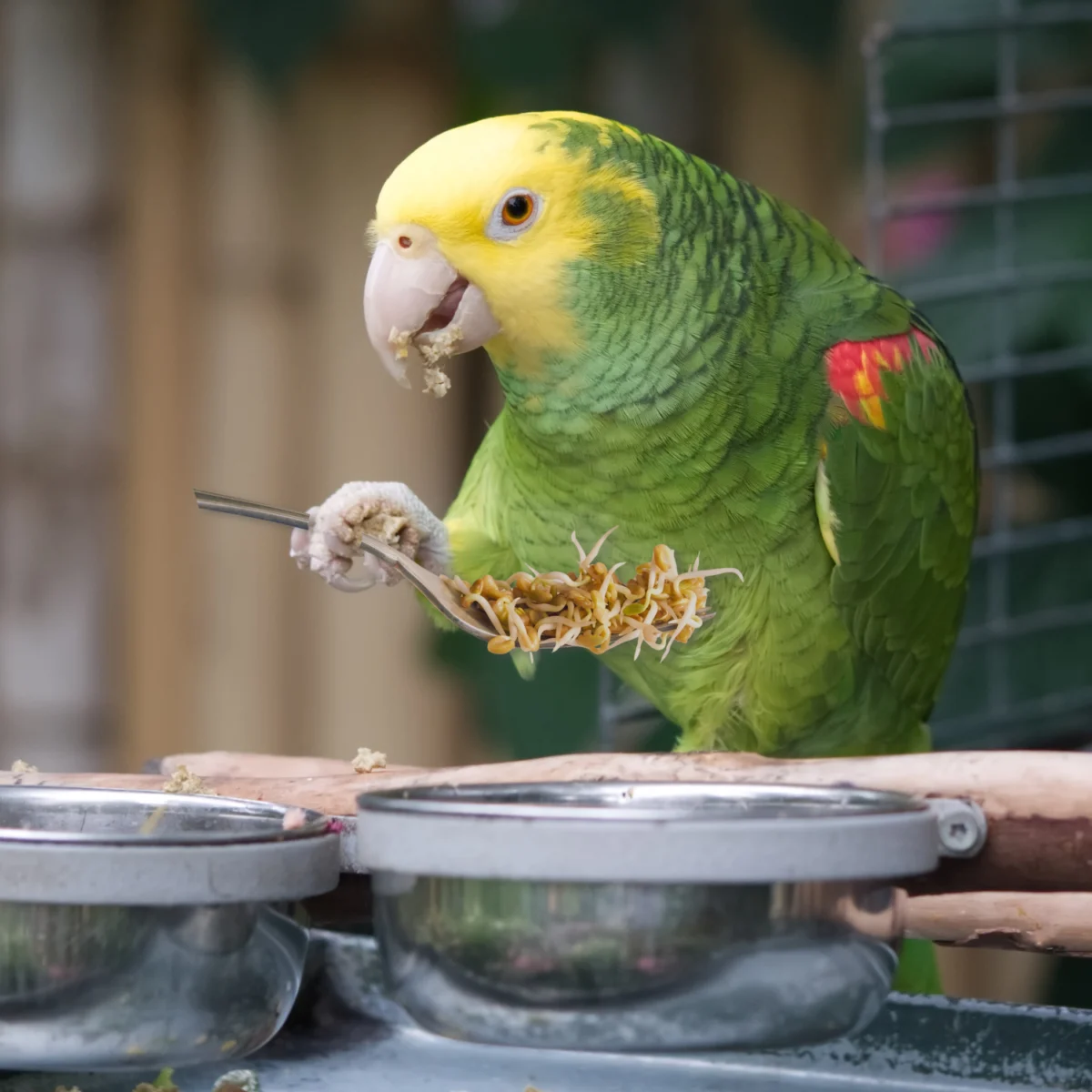
Sprouts are arguably one of the best foods for avian gut health. When a bird primarily eats dry food and shows little interest in vegetables, sprouts offer a transformative solution. Sprouting seeds activates dormant enzymes, significantly increasing moisture content, nutrient bioavailability (especially vitamins and minerals), and feeding enrichment. This process converts dry, dormant seeds into living foods that are easier to digest and assimilate. The increased enzyme activity aids in breaking down complex carbohydrates and proteins, reducing the digestive burden. For birds with inconsistent or dry droppings, integrating sprouted seeds can dramatically improve stool consistency and overall gut function. Products like specialized bird sprouting seeds encourage this healthier feeding behavior, bridging the gap between dry seeds and fresh produce.
Omega-Rich Seeds: Supporting Stool Quality and Gut Integrity
Birds on dry, heavily processed diets, or those exhibiting dry, flaky droppings and low fresh food intake, often benefit from omega-rich seeds. These seeds, such as chia, flax, and hemp hearts, are packed with both soluble and insoluble fiber, along with essential fatty acids (EFAs), particularly Omega-3s. Fiber contributes to stool bulk and consistency, while EFAs play a crucial role in maintaining the integrity of the gut lining and reducing inflammation. A healthy gut lining is less permeable, preventing the leakage of toxins and undigested food particles into the bloodstream. Omega-3s are also vital for overall cellular health, including skin and feather quality, often manifesting as dull feathers when deficient. OmegaGlow Seed Fusion, for instance, blends chia for hydration support, flax for Omega-3s and stool support, and hemp hearts for healthy fats and nutrient diversity, offering a targeted approach to improving digestive transit and tissue health.
Diverse Greens: Fiber, Phytonutrients, and Microbiome Balance
For birds that refuse vegetables or consume an extremely repetitive diet, incorporating a variety of greens is essential. Greens provide vital fiber, a spectrum of phytonutrients, and support microbiome diversity. The complex carbohydrates and fibers in greens act as prebiotics, feeding the beneficial bacteria in the bird’s gut. A diverse gut microbiome is critical for nutrient synthesis, immune function, and protection against pathogenic bacteria. Relying solely on dry processed foods deprives birds of these crucial plant-derived compounds. Products like Bird Greens can help add nutritional diversity for birds struggling to eat enough fresh vegetables consistently, ensuring they receive the broad-spectrum benefits of plant material.
Calming Herbs: Addressing Stress-Related Digestive Upset
The intricate connection between the nervous system and the digestive tract is well-established in both humans and birds – a phenomenon known as the gut-brain axis. Stress, whether from environmental changes, hormonal fluctuations, new cage mates, or even perceived threats, can profoundly impact a bird’s digestion. This often manifests as "stress poops" (watery droppings), appetite changes, or regurgitation during hormonal periods. Calming herbs can play a supportive role by addressing the underlying stress that disrupts digestive function. Herbs traditionally known for their nervine properties can help soothe the nervous system, which in turn may lead to more regulated gut movement, improved stool quality, and greater digestive comfort. SereniTea, for example, incorporates calming herbs specifically chosen to support digestive comfort during periods of stress and environmental upheaval, offering a gentle, natural way to mitigate these effects.
The Pervasive Impact of Stress on Avian Digestion
Stress is a silent disruptor of avian health, and its effects on the digestive system are particularly common. Bird owners frequently observe digestive changes during:
- Environmental Changes: Moving cages, rearranging the living space, or introducing new toys.
- Social Dynamics: Introducing new birds, changes in flock hierarchy, or periods of loneliness.
- Hormonal Fluctuations: Breeding season often brings heightened anxiety and associated digestive changes.
- Loud Noises or Sudden Events: Unexpected disturbances can trigger acute stress responses.
- Routine Disruptions: Inconsistent feeding times, sleep schedules, or interaction patterns.
Stress can directly affect gut motility, leading to either rapid transit (diarrhea-like droppings) or slowed transit (constipation). It can alter appetite, influence water intake, and even suppress the immune system within the gut, making a bird more susceptible to infections. The gut and nervous system are in constant communication; supporting a bird’s mental and emotional well-being is therefore an integral part of maintaining digestive health.
Detrimental Foods and Habits to Avoid
While focusing on beneficial foods is crucial, it is equally important to identify and eliminate habits and foods that actively undermine digestive health.
- Repetitive Dry Diets: As extensively discussed, the monotony of dry seeds or pellets alone fails to provide the necessary moisture, fiber, and diverse phytonutrients.
- High-Fat, Low-Nutrient Treats: Many commercial bird treats are laden with sugars, artificial colors, and unhealthy fats, offering minimal nutritional value and potentially disrupting the gut microbiome.
- Dairy Products: Birds are generally lactose intolerant and cannot properly digest dairy, leading to digestive upset.
- Avocado: Certain components of avocado are toxic to birds and should be strictly avoided.
- Chocolate, Caffeine, Alcohol: These human indulgences are highly toxic to birds.
- Excessive Processed Human Foods: While small amounts of whole grains or certain cooked vegetables might be shared, processed foods high in salt, sugar, or preservatives are detrimental.
- Sudden Dietary Changes: Abruptly switching a bird’s diet can cause significant digestive distress. Changes should always be gradual, allowing the gut microbiome time to adapt.
- Lack of Environmental Enrichment: A bored or stressed bird is more prone to destructive behaviors, including feather plucking, and also more susceptible to stress-induced physiological changes, including digestive upset.
The most common mistake, avian experts contend, is not a single dramatic error but rather chronic, low-grade dietary stress over time. This consistent deprivation of natural moisture, diverse fiber, and broad plant diversity slowly erodes gut health.
The Nuance of Probiotics in Avian Care
Probiotic products are heavily marketed to pet owners, including bird enthusiasts. While probiotics, which introduce beneficial live microorganisms, may have a role in supporting gut flora, particularly after antibiotic courses or during periods of acute stress, their long-term efficacy and necessity for daily use in otherwise healthy birds are subjects of ongoing research. Current avian evidence suggests that while they can be helpful in specific circumstances, building a healthier microbiome is primarily achieved through consistently better daily feeding habits, rather than relying on a powder to compensate for an otherwise poor diet. A diverse, fiber-rich diet provides the necessary substrate (prebiotics) for a bird’s endogenous beneficial bacteria to thrive, which is often more effective than attempting to introduce and sustain exogenous strains.
Building a Digestion-Supportive Daily Regimen
The most effective strategy for improving avian digestive health involves small, consistent upgrades rather than dramatic, overwhelming diet overhauls. A "chop bowl" approach, integrating a variety of fresh, digestion-supportive ingredients, is highly recommended.
| Ingredient | Why It Helps |
|---|---|
| Sprouts | Increased moisture, enzyme activity, nutrient availability |
| Leafy Greens | Essential fiber, phytonutrients, prebiotics |
| Omega-Rich Seeds | Healthy fats (Omega-3s), fiber, stool support |
| Bird Greens | Enhanced plant diversity, vitamins, minerals |
| Calming Herbs | Stress reduction, indirect digestive comfort |
A typical chop bowl can include finely chopped dark leafy greens (kale, spinach, romaine, dandelion greens), other vegetables (carrots, bell peppers, broccoli), sprouts, a sprinkle of omega-rich seeds, and potentially a pinch of calming herbs, depending on the bird’s individual needs. Introducing these items gradually and consistently encourages acceptance and allows the bird’s system to adapt.
When Veterinary Intervention is Critical
Despite best efforts in nutritional and environmental management, certain digestive symptoms warrant immediate professional veterinary attention. These include:
- Persistent Vomiting or Regurgitation: Especially if accompanied by lethargy or loss of appetite.
- Significant Weight Loss: A rapid or unexplained drop in body weight is a red flag.
- Blood in Droppings: Any sign of blood, whether fresh or tarry, indicates internal bleeding.
- Undigested Food in Droppings: This suggests severe maldigestion or malabsorption.
- Prolonged Lethargy or Weakness: A bird that is unusually quiet, fluffed, or unresponsive.
- Changes in Droppings Coupled with Behavioral Shifts: This is perhaps the most critical indicator. If poop changes occur alongside decreased activity, loss of appetite, or altered vocalizations, it signifies a more serious issue than mild dietary upset.
Avian veterinarians consistently emphasize that early intervention is key in treating bird illnesses. Birds are masters at hiding symptoms of disease, so by the time overt signs appear, the condition may be advanced. Regular wellness checks and proactive communication with an avian vet are indispensable components of responsible bird ownership.
Broader Implications and the Future of Avian Nutrition
The growing understanding of avian digestive health reflects a broader shift in pet ownership towards more holistic, preventative care. Recognizing the profound impact of diet and environment on a bird’s physiological and psychological well-being empowers owners to take a more proactive role in their bird’s health. This approach not only enhances the quality of life for companion birds but can also potentially reduce the frequency and severity of veterinary interventions for preventable conditions, leading to long-term cost savings and less stress for both bird and owner.
The emphasis on moisture, diverse fiber, and phytonutrients mirrors advancements in human nutrition, highlighting the universal principles of gut health across species. As research in avian nutrition and the avian microbiome continues to evolve, we anticipate even more refined strategies for supporting the unique digestive needs of these remarkable creatures. Experts like Diane Burroughs advocate for practical, science-backed nutrition and behavior support, underscoring that a well-fed bird, in a stimulating and low-stress environment, is a healthier and happier bird.
References
Merck Veterinary Manual, 2024.
Harrison & Lightfoot, Clinical Avian Medicine.
Frontiers in Veterinary Science, Avian Nutrition & Gut Health Research.
Meet Diane Burroughs, LCSW – licensed psychotherapist, ABA-trained behavior specialist, and founder of UnRuffledRx. With 30+ years of hands-on bird experience, Diane helps bird owners improve bird wellness through practical, science-backed nutrition and behavior support.

