


The American Federation of Aviculture (AFA) has established a comprehensive suite of educational resources designed to bridge the gap between casual bird ownership and the rigorous scientific discipline of aviculture. As a national non-profit organization dedicated to the promotion of avian welfare, conservation, and the rights of bird owners, the AFA has recognized that the sustainability of both captive and wild bird populations depends heavily on the dissemination of accurate, evidence-based information. Through its flagship programs, the "Fundamentals of Aviculture" and the "Avian Biology Classroom," the organization provides a structured pedagogical framework for enthusiasts, professional breeders, and educators alike. This initiative represents a significant shift in the hobbyist landscape, moving away from anecdotal husbandry toward a standardized, academic approach to bird care and management.

The Fundamentals of Aviculture: A Two-Tiered Professional Standard
At the core of the AFA’s educational mission is the "Fundamentals of Aviculture" (FOA) program, an online curriculum developed to provide a foundational understanding of avian science. The program is divided into two distinct levels, each targeting different depths of knowledge and expertise.
Level I: The Foundation of Avian Science
The Level I course serves as an introductory gateway into the emerging science of aviculture. Structured across nine detailed chapters, the curriculum covers the essential pillars of bird management. Students begin with a rigorous look at avian anatomy and physiology, which is crucial for understanding how birds interact with their environment and how their biological systems differ from those of mammals. This physiological grounding is followed by an exploration of avian behavior, providing owners with the tools to interpret social cues and mitigate behavioral issues that often lead to the abandonment of pet birds.

Beyond biological basics, Level I addresses the complex legal landscape of aviculture. In an era of increasing regulation, understanding the laws and international treaties, such as the Convention on International Trade in Endangered Species of Wild Fauna and Flora (CITES) and the Migratory Bird Treaty Act (MBTA), is essential for any responsible aviculturist. The course further expands into practical applications, including proper housing design and the implementation of preventative health measures. By emphasizing "preventative" rather than "reactive" care, the AFA aims to reduce the incidence of avoidable illnesses within captive populations.
Level II: Advanced Management and Conservation
The Level II course, titled the Intermediate Aviculture Course, is an expansive 15-chapter program that requires the successful completion of Level I as a prerequisite. This level is designed for those seeking a deeper involvement in bird breeding, research, and conservation. The curriculum is notably diverse, covering advanced topics such as basic avian genetics and the study of color mutations and hybrids. These chapters are particularly vital for breeders who must navigate the ethics and science of maintaining genetically diverse and healthy captive lineages.

Furthermore, Level II delves into the intricacies of the breeding cycle, from courtship and nesting stimuli to the technical aspects of artificial incubation and hand-rearing. The inclusion of "non-parrot studies" ensures that the curriculum is inclusive of a wide variety of avian species, reflecting the AFA’s broad mandate. A significant portion of the intermediate level is dedicated to veterinary science, including basic microbiology, first-aid protocols, and the identification of various avian illnesses. This empowers aviculturists to act as the first line of defense in identifying health crises within their flocks. The course is currently offered at an introductory fee of $75 for AFA members, with membership options available for new students, highlighting the organization’s effort to keep professional-grade education accessible.
Academic Collaboration and Institutional Support
The development of the Fundamentals of Aviculture program was not an isolated effort but rather the result of high-level institutional collaboration. The curriculum was made possible through a generous grant from the Pet Care Trust, an organization known for its "Pets in the Classroom" initiative, which promotes the benefits of the human-animal bond in educational settings.
Crucially, the technical and scientific accuracy of the FOA courses was bolstered by support from the Schubot Exotic Bird Health Center at Texas A&M University’s College of Veterinary Medicine. The Schubot Center is a world leader in avian research, specializing in the study of infectious diseases, genetics, and the conservation of exotic birds. This partnership ensures that the AFA’s educational tools are not merely hobbyist guides but are grounded in the latest veterinary research and academic standards. Such endorsements provide the AFA’s certifications with a level of prestige and reliability that is recognized by professional zoological institutions and private avian facilities worldwide.
The Avian Biology Classroom: Empowering Local Communities
While the FOA program targets individual certification, the AFA’s Avian Biology Classroom (ABC) is designed for broader community impact. The ABC is a public-facing program intended for bird clubs, primary and secondary school teachers, and community educators. It offers a series of downloadable presentations (available in PPT and PDF formats) that allow anyone to facilitate high-quality science education.
The ABC program is organized into five primary modules, each focusing on a fundamental concept of biology through the lens of aviculture:
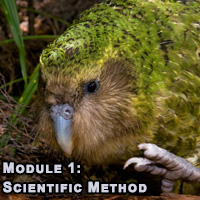
- Module 1: Scientific Method: This module teaches students how to apply empirical observation and systematic experimentation to avian care, encouraging a move away from "old wives’ tales" in bird keeping.
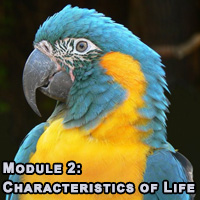
- Module 2: Characteristics of Life: A foundational biology module that defines what constitutes life, using avian examples to illustrate cellular structure, metabolism, and homeostasis.
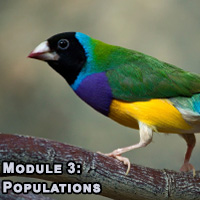
- Module 3: Populations: This section explores the dynamics of bird populations in both the wild and captivity, touching upon carrying capacity, habitat loss, and the importance of self-sustaining captive populations.
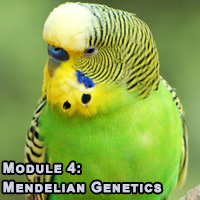
- Module 4: Mendelian Genetics: By using birds as a model, this module simplifies the complexities of inheritance, dominant and recessive traits, and the genetic variations seen in different avian species.
- Module 5: Ecological Terminology: This final module provides the vocabulary and conceptual framework necessary to understand a bird’s role within its ecosystem, emphasizing the interconnectedness of species and their environments.
By providing these modules for free, the AFA facilitates a "train-the-trainer" model, where local experts can educate their peers, thereby elevating the collective knowledge of the entire avicultural community.
Chronology and Evolution of AFA Education
The AFA’s commitment to education has evolved significantly since its founding in 1974. Initially established as a response to the threat of exotic bird Newcastle disease and the subsequent government-mandated culls, the AFA’s early focus was primarily on political advocacy and the rights of bird owners. However, as the 21st century approached, the organization recognized that political advocacy alone could not save species; scientific literacy was equally vital.
The "Fundamentals of Aviculture" was launched in the early 2000s as a way to standardize knowledge across the United States. Over the last two decades, the program has been updated to reflect new genetic research and changing legal landscapes. The transition to a fully online campus has allowed the AFA to reach an international audience, providing a standardized "gold standard" of care that transcends geographical boundaries. The recent updates to Level II, including its focus on microbiology and conservation research, represent the organization’s response to the growing global emphasis on biodiversity and the prevention of zoonotic diseases.
Broader Impact and Implications for Conservation
The implications of the AFA’s educational tools extend far beyond the individual bird owner. In the broader context of global conservation, "ex-situ" (off-site) conservation—the maintenance of species in captivity—is increasingly recognized as a vital insurance policy against extinction in the wild. Programs like the FOA ensure that those maintaining these captive populations are doing so with the highest level of scientific competence.
Moreover, a well-educated avicultural community serves as a massive database for scientific observation. Many breakthroughs in avian nutrition and reproductive physiology have originated in the private sector and were later refined by academic researchers. By professionalizing the private aviculturist, the AFA fosters a collaborative environment where hobbyists and scientists work together to ensure the survival of threatened species.
From an animal welfare perspective, the impact is equally profound. A significant portion of avian mortality in captivity is due to ignorance regarding nutrition, toxicities, and environmental needs. By standardizing the "Fundamentals," the AFA is directly responsible for improving the quality of life for hundreds of thousands of birds.
Conclusion
The American Federation of Aviculture’s educational tools represent a sophisticated infrastructure for the preservation and study of avian life. By combining the practical experience of long-term breeders with the academic rigor of institutions like Texas A&M, the AFA has created a curriculum that is both accessible and intellectually demanding. As the challenges facing avian species—from climate change to habitat destruction—continue to mount, the role of educated, scientifically literate aviculturists will only become more critical. Through the FOA and ABC programs, the AFA is ensuring that the next generation of bird keepers is prepared to meet these challenges with knowledge, skill, and a deep-rooted commitment to the science of life.

