


Lafeber Company has solidified its position as a cornerstone of veterinary continuing education and student development through a comprehensive, decades-long series of guest lectures, symposia, and hands-on wet labs. By partnering with leading veterinary colleges across North America and internationally, the company has facilitated the transfer of specialized knowledge from world-renowned experts to the next generation of animal health professionals. This initiative, which spans nearly twenty years of recorded academic engagement, addresses a critical need in the veterinary field: the specialized care of non-traditional species, including avian, exotic, and wildlife patients. From the intricate details of rabbit dentistry at Louisiana State University to the complexities of parrot cognition at North Carolina State University, the program has evolved to meet the changing landscape of modern veterinary medicine, incorporating both traditional in-person workshops and cutting-edge virtual distance-learning platforms.
A Legacy of Academic Support and Knowledge Transfer
The timeline of Lafeber’s involvement in veterinary education reveals a consistent and expanding commitment to academic excellence. Starting in the late 2000s and projected through 2026, the company has sponsored hundreds of educational events. These sessions are designed to supplement the core curriculum of veterinary schools, which often focuses heavily on canine, feline, and equine medicine. By bringing in specialists like Dr. M. Scott Echols, Kara Burns, and Dr. April Romagnano, Lafeber provides students with exposure to niche fields such as avian nutrition, reptile surgery, and zoo population management.
In the early years of the program, specifically between 2007 and 2012, the focus remained largely on foundational avian medicine and general exotic animal care. Notable events included presentations by Dr. Marla Lichtenberger on emergency medicine at Texas A&M and Dr. Brian Speer’s lectures at Western University. These early sessions laid the groundwork for a more robust and diverse curriculum that would eventually encompass a wider array of species and advanced medical techniques.
Advancing Clinical Skills Through Practical Wet Labs
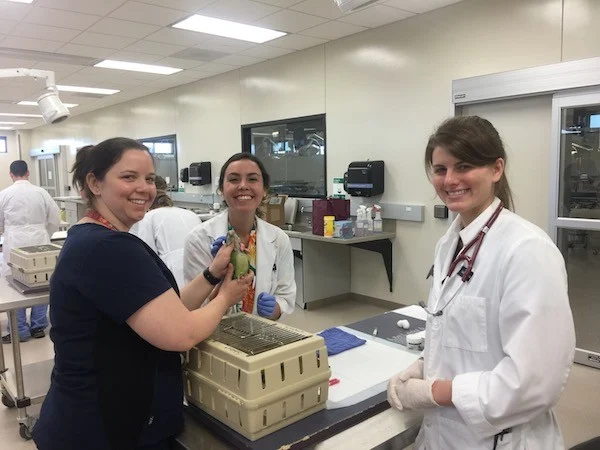
One of the most impactful components of the Lafeber-sponsored initiatives is the support of "wet labs"—practical, hands-on sessions where students can practice surgical and diagnostic techniques under the guidance of experts. These labs are essential for developing the tactile skills required for exotic animal practice.
For instance, at Texas A&M University, the annual Zoo, Exotics, and Wildlife (ZEW) Club wet labs have become a staple of the academic calendar. In February 2024, Lafeber served as a gold sponsor for these sessions, following years of supporting specific tracks such as avian reproductive surgery and bird of prey medicine. Similarly, at Michigan State University in 2023, Dr. Jack Kottwitz led a physical examination lab at "Birds and Beaks," a local rescue, allowing students to gain real-world experience while providing a service to the community.
Other significant hands-on events include the rabbit dentistry labs at Louisiana State University led by Dr. Javier Nevarez and the avian blood smear wet labs at North Carolina State University. These sessions provide students with the opportunity to handle specialized equipment and perform procedures that are rarely covered in general practice rotations.
The Shift to Virtual and Distance Learning
As global health dynamics shifted and technology advanced, the Lafeber program successfully transitioned many of its offerings to virtual platforms, ensuring that geography remained no barrier to high-quality education. The 2020s marked a significant increase in distance-learning events, which allowed students from different parts of the world to participate in the same lecture.
A prime example of this global reach occurred in January 2025, when Dr. Yvonne van Zeeland presented a session on the intersection of behavior and medical issues in birds. This event was uniquely collaborative, involving Kansas State University, the European Association of Avian Veterinarians Student Group, and the Archaeopteryx club of Utrecht, Netherlands. By leveraging digital tools, Lafeber has enabled a cross-continental exchange of ideas, allowing American students to learn from European specialists and vice versa.
Recent virtual highlights include Dr. Rebecca Duerr’s April 2026 presentation to Kansas State University on the medical problems of oiled birds. Dr. Duerr, the Senior Director of Research and Veterinary Science for the International Bird Rescue, provided students with critical insights into environmental emergency response—a topic of increasing relevance in the face of global climate challenges.
Comprehensive Focus on Nutrition and Critical Care
A recurring theme throughout the two-decade history of these lectures is the paramount importance of nutrition in exotic animal health. Kara Burns, a highly credentialed specialist in veterinary nutrition and internal medicine, has been a frequent contributor to the program. Her lectures, delivered at institutions such as Purdue University, the University of Florida, and UC Davis, emphasize that proper nutrition is the first line of defense against many common ailments in avian and exotic species.
In March 2026, Burns is scheduled to present "Avian Nutrition Fundamentals" to Purdue University, a session that builds upon her previous work regarding rabbit nutrition and critical care feeding. These lectures often highlight the use of specialized diets and recovery formulas, such as EmerAid, in stabilizing critically ill patients. By educating students on the nuances of metabolic requirements in non-traditional species, the program ensures that future veterinarians are equipped to handle complex cases where standard nutritional protocols may not apply.
Supporting Specialized Symposia and Student Organizations
Beyond individual lectures, Lafeber has been a consistent sponsor of major veterinary symposia. These multi-day events, such as the Special Species Symposium at Cornell University and the Wildlife and Exotic Animal Symposium at UC Davis, serve as hubs for networking and advanced learning.
Lafeber’s role as a "Gold Level Sponsor" for events like the Cornell Special Species Symposium (2021, 2023, 2025) demonstrates a long-term investment in these student-led initiatives. These symposia often feature keynote speakers who are leaders in their respective fields, such as Dr. Erica Miller and Dr. Anthony Pilny. By providing the financial backing necessary to host these events, Lafeber enables student organizations—such as the Zoo, Exotics, and Wildlife (ZEW) clubs and the Avian, Wildlife, and Exotics (AWE) clubs—to bring high-caliber talent to their campuses.
Chronology of Key Educational Milestones (2023–2026)
The upcoming and recent schedule highlights the diversity and depth of the program:
- April 20, 2026: Dr. Rebecca Duerr presents on the medical management of oiled birds at Kansas State University.
- April 7, 2026: Dr. Amanda Fisher discusses laboratory animal medicine at the University of Arizona.
- March 26, 2026: Kara Burns presents avian nutrition fundamentals at Purdue University.
- October 25, 2025: The "Bunny Bonanza" Week and Symposium at the University of Illinois focuses on lagomorph health.
- January 22, 2025: A multi-national distance-learning event explores the link between avian behavior and medicine.
- October 5, 2024: A specialized symposium at North Carolina State University covers parrot cognition, led by the renowned Dr. Irene Pepperberg.
- February 15, 2024: Dr. Thomas Boyer provides a deep dive into reptile and amphibian nutritional diseases at LSU.
Broader Impact on the Veterinary Profession
The implications of this sustained educational support are profound. By exposing students to exotic animal medicine early in their careers, Lafeber is helping to address the shortage of specialists in these fields. Many students who participate in these clubs and attend these lectures go on to pursue board certification in avian, reptile, or exotic companion mammal practice.
Furthermore, the program fosters a culture of conservation and welfare. Lectures on elephant reproduction at the University of Tennessee (2023) or sea turtle imaging at Virginia-Maryland (2024) connect clinical medicine with broader ecological goals. This holistic approach encourages veterinarians to view their patients not just as individual animals, but as representatives of species that may be facing significant environmental pressures.
The reactions from the academic community have been overwhelmingly positive. Faculty members at institutions like the University of Georgia and the Atlantic Veterinary College have noted that guest speakers provided by Lafeber offer practical, "real-world" perspectives that complement academic theory. For students, these events are often the highlight of their extracurricular involvement, providing them with the inspiration and networking opportunities necessary to navigate a competitive professional landscape.
As the program moves toward the late 2020s, the focus is expected to remain on the integration of technology, the expansion of nutritional science, and the continued support of student-led organizations. By bridging the gap between the industry and the academy, Lafeber Company continues to ensure that the highest standards of care are available to all animals, regardless of their species.

