


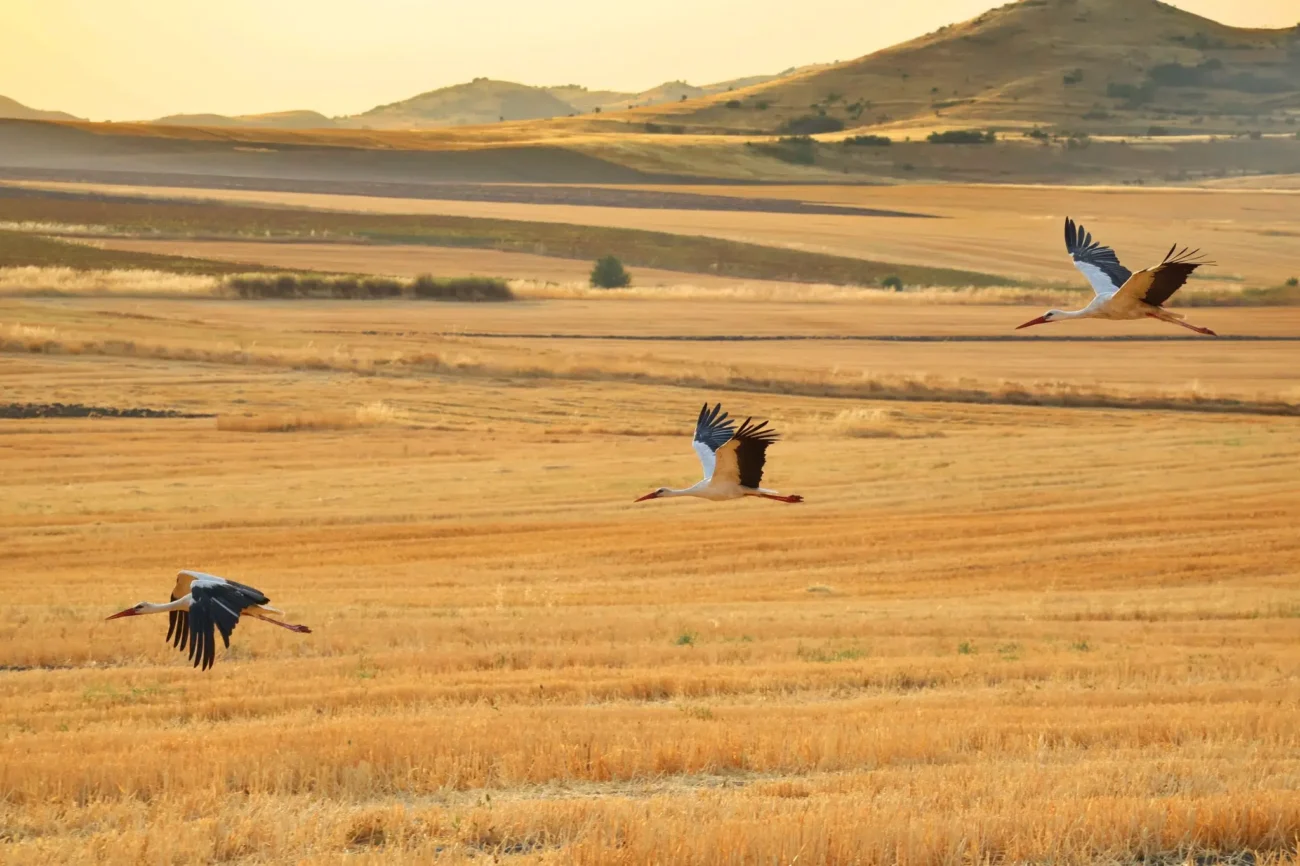
A significant new grant of £7.5 million from the Ecological Restoration Fund (ERF) is set to bolster vital conservation efforts along the vast African-Eurasian Flyway, a critical migratory superhighway for billions of birds. This three-year funding initiative aims to dramatically scale up protection and restoration activities at key sites, safeguard priority landscapes, revive essential wetland ecosystems, foster cross-border collaboration, and unlock innovative financial mechanisms for nature, climate, and human well-being. The announcement marks a pivotal moment in the ongoing struggle to protect migratory bird species, many of which face dire threats to their survival.
The Urgent Need for Flyway Conservation
Migratory birds undertake extraordinary journeys, traversing thousands of kilometers across numerous countries. These avian travelers depend on a network of crucial stopover sites, feeding grounds, and nesting areas to complete their annual cycles. However, this intricate system is under severe strain. Current data indicates that one in nine migratory bird species is threatened with extinction, and a staggering 45% of all migratory bird populations are in decline. This alarming trend underscores the imperative for a coordinated, global approach to flyway conservation. The African-Eurasian Flyway, in particular, is a vital corridor for an estimated 2 billion birds and over 500 species, making its preservation a matter of international ecological significance.
The grant from the ERF is designed to address these challenges head-on. It will support on-the-ground initiatives in countries including Romania, Bulgaria, Iraq, Jordan, Uganda, Malawi, and Zimbabwe. These projects will focus on restoring and protecting critical habitats, while simultaneously nurturing the development of nature-based economies and creating sustainable employment opportunities. Furthermore, the funding will enhance rapid-response mechanisms to counter harmful development projects that pose a direct threat to vital flyway sites.

A key component of this initiative is the strengthening of a groundbreaking collaboration between BirdLife International and the World Bank. This partnership seeks to embed flyway conservation principles into large-scale infrastructure planning, including renewable energy projects, and to facilitate the mobilization of novel funding streams dedicated to the flyway’s ecological integrity.
A Milestone for Transboundary Conservation
Martin Harper, CEO of BirdLife International, hailed the grant as a "major milestone in our efforts to unite and strengthen conservation across borders." He articulated a clear vision for the initiative: "Working with our 80 Partners in the African-Eurasian Flyway, we want to ensure that an ecologically coherent network of sites is protected, managed, and restored to make sure that birds can fly free from harm."
Harper emphasized the interconnected benefits of this work, stating, "By protecting the sites that migratory birds need, we shall also deliver enormous benefits for people and for the climate. We will do this by mobilising finance, restoring critical habitats, and ensuring new infrastructure is safe for nature." He expressed profound gratitude to the ERF for their support, underscoring BirdLife’s ambition for "a world where migratory bird populations are thriving, connecting and inspiring people across countries and continents."
Lenke Bálint, Executive Director at the Ecological Restoration Fund, echoed this sentiment, highlighting the ERF’s commitment to supporting BirdLife International’s crucial work. "We are delighted to continue our support of BirdLife International’s vital work protecting and restoring sites along the African-Eurasian Flyway, benefiting not only migratory species but also the communities that depend on healthy ecosystems for their livelihoods and wellbeing," Bálint stated.

Building on Previous Successes
This substantial new grant follows the successful completion of an initial three-year phase of flyway conservation work, also funded by the ERF and delivered by BirdLife International and its UK Partner, the Royal Society for the Protection of Birds (RSPB). This foundational phase achieved significant milestones, including the protection and restoration of key flyway sites. Notably, it contributed to securing UNESCO World Heritage status for Sierra Leone’s Gola Rainforest National Park, a critical habitat for numerous species. Furthermore, the previous phase successfully leveraged an additional £19 million for habitat restoration projects within the flyway.
The earlier collaboration also laid the groundwork for the current partnership with the World Bank. This alliance is specifically designed to integrate biodiversity conservation with sustainable development objectives, recognizing the profound reliance of millions of people on healthy flyway ecosystems for essential resources such as food and water, as well as for their livelihoods.
The African-Eurasian Flyway: A Lifeline for Biodiversity and Humanity
The African-Eurasian Flyway stands as one of the planet’s most crucial migratory bird corridors. This expansive network acts as a vital artery, connecting diverse landscapes, cultures, and communities across Africa, Europe, and Asia. Spanning from the Arctic tundra to the southernmost reaches of Africa, the flyway is a testament to the interconnectedness of global ecosystems. It facilitates the movement of an immense number of birds, supporting a rich tapestry of avian life.
The countless sites along this flyway serve as indispensable resting places, refueling stations, and breeding grounds for migratory birds. Their ecological significance extends far beyond avian populations, providing essential resources and supporting the livelihoods of local communities. The health of these ecosystems is directly linked to human well-being, highlighting the dual imperative of conservation efforts.

A Vision for Transformative Change
The Ecological Restoration Fund’s commitment to this initiative stems from its broader mission to protect areas of high biodiversity value, rejuvenate degraded landscapes and seascapes, and ensure robust environmental governance. The ERF is dedicated to restoring nature’s intricate interconnections while simultaneously fostering cultural, social, and economic opportunities for the communities that inhabit these vital landscapes.
"The African-Eurasian Flyway is one of the world’s great ecological networks, connecting landscapes, cultures and communities across three continents," said Lenke Bálint. "We are delighted to continue our partnership with BirdLife International and support its work to protect and restore critical sites along the flyway. By strengthening conservation across borders, restoring vital wetlands and habitats, and helping to unlock new sources of finance for nature, this programme will benefit not only migratory species but also the communities that depend on healthy ecosystems for their livelihoods and wellbeing."
Broader Implications and Future Outlook
The substantial investment from the ERF signals a growing recognition of the critical importance of migratory bird conservation and the interconnectedness of global environmental challenges. The success of this three-year grant could serve as a model for similar initiatives in other major flyways worldwide.
The focus on unlocking "new forms of transformative finance for nature" is particularly significant. It suggests a strategic shift towards innovative funding mechanisms that can provide sustainable, long-term support for conservation efforts, moving beyond traditional grant-based models. This approach is crucial for addressing the scale and complexity of the threats faced by migratory species.

Moreover, the explicit integration of conservation with economic development and job creation recognizes that environmental protection and human prosperity are not mutually exclusive but rather mutually reinforcing. By fostering nature-based economies, the project aims to create a virtuous cycle where healthy ecosystems support livelihoods, and thriving communities become stewards of their natural environment.
The collaboration with the World Bank is also a critical development. By influencing large-scale infrastructure planning, this partnership has the potential to mitigate the negative impacts of development on migratory bird routes and their habitats. This proactive approach is essential for ensuring that future development contributes to, rather than detracts from, conservation goals.
The challenges facing migratory birds are immense, stemming from habitat loss and degradation, climate change, pollution, and unsustainable human activities. However, initiatives like the one supported by the ERF offer a beacon of hope. By investing in robust, cross-border conservation efforts and fostering innovative partnerships, the international community is taking crucial steps towards safeguarding these remarkable species and the vital ecosystems they depend upon, ensuring a healthier planet for both wildlife and humanity. The long-term implications of this grant are substantial, promising a more secure future for the billions of birds that navigate the skies of Africa, Europe, and Asia.

