


The journey of bringing new rats into your home is an exciting one, often filled with anticipation and a healthy dose of questions. As many experienced rat enthusiasts and veterinarians will attest, proper preparation and understanding are key to fostering a harmonious relationship with these intelligent and social creatures. This guide aims to demystify the initial stages of rat ownership, providing a structured approach to ensure a smooth transition for both the rats and their new human companions.
The Crucial First Steps: Setting the Stage for Success
Upon arriving home with your new rat companions, the immediate urge might be to shower them with attention. However, a more measured approach is often beneficial, particularly for animals adjusting to a novel environment. Understanding the rat’s perspective is paramount: they have been removed from their familiar surroundings, potentially separated from littermates, and are now in a new territory filled with unfamiliar scents and sounds, being handled by a stranger.
The Homecoming Protocol: Prioritizing a Safe Introduction
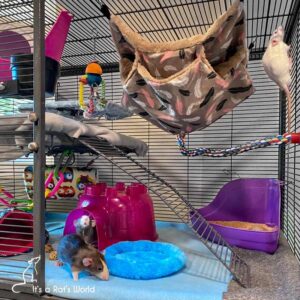
The initial moments after arriving home are critical. It is recommended to first introduce your rats to their prepared habitat. This cage should already be set up with all necessary amenities: a secure enclosure, appropriate bedding, food and water sources, enrichment items like hammocks and hiding places, and crucially, a designated litter box. This initial introduction allows the rats to acclimate to their new space at their own pace, reducing stress and providing them with a sense of security.
While it is tempting to immediately engage in extensive handling, it is advisable to allow the rats some time to explore their cage undisturbed. This period of decompression is particularly important if the rats have undergone significant travel. Brandi Saxton, a recognized expert and contributor to It’s A Rat’s World, emphasizes that "pacing yourself so as not to overstimulate them" is vital. During this initial exploration phase, owners can verbally orient their rats to their new environment, pointing out key features such as their food bowls, water dispensers, and sleeping areas. This gentle introduction can help alleviate anxiety and build a sense of trust.
Understanding Initial Behavior: Navigating the First Days and Weeks
The behavioral patterns of new rats can vary significantly, influenced by their prior experiences, individual personalities, and the acquisition process. Some rats may exhibit boldness and curiosity from the outset, readily exploring their surroundings and interacting with their environment. Others may display more cautious behavior, seeking refuge in hiding spots. This variability is a normal aspect of introducing any new animal.

It is common for rats to appear nervous, jumpy, or even frightened during their initial days in a new home. This apprehension stems from their natural survival instincts, where vigilance and avoidance of perceived threats are crucial. For inexperienced owners, this can be a source of concern, sometimes leading to a hesitation in interacting with their new pets. However, experts strongly advise against a prolonged "hands-off" approach. As Saxton notes, "Scared rats will not magically stop being scared all on their own." The onus is on the owner to actively create a safe and trusting environment.
Consistent, positive interaction is the cornerstone of building a bond with rats. This process should commence on the first day and continue daily. Even if rats are hiding or showing signs of fear, regular, gentle engagement is necessary to help them overcome their anxieties. This can involve simply sitting near their cage, speaking in a calm voice, and offering small, high-value treats. Over time, this consistent presence and positive reinforcement will help them associate their owner with safety and comfort.
Essential Care Practices for Thriving Rats
Beyond the initial acclimatization, several fundamental care practices are crucial for the long-term health and well-being of pet rats. These include maintaining a clean living environment, providing a balanced diet, and ensuring access to veterinary care.
Maintaining a Hygienic Habitat: The Foundation of Health
Cage cleanliness is a non-negotiable aspect of responsible rat ownership. Rats are generally clean animals and are amenable to using litter boxes, which significantly aids in waste management. However, maintaining a hygienic environment requires consistent effort.
Daily Spot Cleaning: A daily routine of spot cleaning is highly recommended. This involves removing soiled bedding, uneaten food, and any visible waste from the cage. This practice is instrumental in controlling odors and preventing the buildup of bacteria and ammonia, which can be detrimental to a rat’s respiratory health.
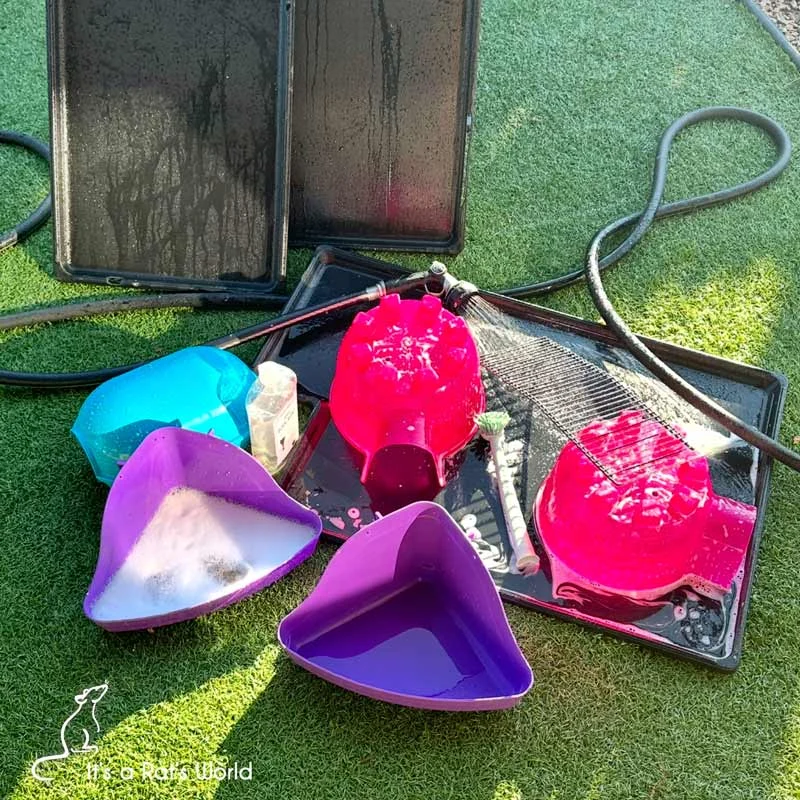
Complete Cage Cleaning: The frequency of complete cage cleanings, which involves a thorough disinfection of the entire enclosure and all accessories, depends on several factors. These include the number of rats, their litter box habits, their activity levels, and sometimes their sex. Male rats, for instance, may be more prone to urinating on cage bars and in sleeping areas, necessitating more frequent full cleanings. As a general guideline, a full cage clean is typically required every one to two weeks. Resources such as Saxton’s article, "Resolve To Keep Your Rat’s Habitat Cleaner," offer detailed guidance on establishing an effective cleaning schedule.
Nutritional Guidance: Fueling a Healthy Lifestyle
A balanced and appropriate diet is vital for maintaining a rat’s health, energy levels, and longevity. Rats possess fast metabolisms and often exhibit a tendency to overeat, making dietary management important.
Staple Diet: The primary component of a rat’s diet should be a high-quality commercial rat food formulated specifically for their needs. This ensures they receive a balanced mix of essential nutrients.
Feeding Schedule: It is generally recommended to divide the daily portion of their staple diet into two meals, typically breakfast and dinner. This approach helps manage their metabolism and encourages controlled eating.
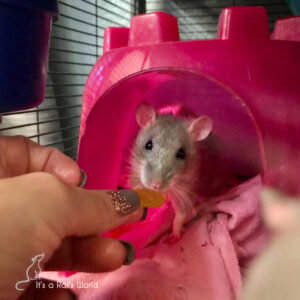
Supplements and Treats: Fresh fruits and vegetables can be offered as part of their meals or as small, healthy snacks throughout the day. Examples of suitable treats include yogurt, cooked vegetables, small portions of cooked pasta, or grapes. However, it is crucial to introduce new foods gradually and in moderation to avoid digestive upset. For more in-depth dietary recommendations, consulting resources like the Rat Guide’s nutrition articles is highly beneficial.
Veterinary Care: Proactive Health Management
Establishing a relationship with a veterinarian experienced in exotic animal care, specifically with rodents, is crucial for the well-being of pet rats.
Initial Vet Visit: The necessity of an immediate veterinary visit upon acquiring rats depends on their source. Rats obtained from reputable rescues or breeders who have implemented quarantine protocols and provided initial medical care may not require an immediate check-up. However, rats from pet stores, unverified sources, or those showing signs of illness should be seen by a vet promptly. Stress can compromise a rat’s immune system, potentially leading to respiratory issues, which are common in rats.
Recognizing Health Issues: Owners should be vigilant for signs of illness, such as sneezing, labored breathing, wheezing, or crackling sounds in the chest. Prompt veterinary attention is essential if these symptoms arise.
Preventative Care: It is advisable to prepare for potential future veterinary expenses. Rat illnesses can sometimes be costly to treat, and setting aside funds for unexpected medical needs is a responsible aspect of pet ownership.
Building the Bond: Fostering a Lifelong Connection
The process of forming a deep and meaningful bond with pet rats is a rewarding experience that requires patience, consistency, and a willingness to understand their unique communication styles.
Navigating Interactions: From Tentative Touches to Confident Companionship
As rats become more accustomed to their environment and their owners, opportunities for out-of-cage interaction become increasingly important. While the initial handling of a new rat can feel daunting due to their small size and quick movements, learning the proper techniques is essential.
Gentle Handling: When picking up a rat, it is best to gently scoop them up from underneath, supporting their body. Avoid grabbing them by the tail, as this can cause injury and distress. Soft, consistent petting along their back and sides can help them relax. Resources like "How To Pet Your Rats" offer practical advice for these interactions.
Out-of-Cage Playtime: Providing safe, supervised out-of-cage playtime is vital for a rat’s physical and mental stimulation. Creating designated "rat playgrounds" can offer a stimulating environment for exploration and exercise. This can range from simple playpens to more elaborate setups that encourage climbing, tunneling, and foraging. Many owners find that establishing a safe zone, such as a rat-proofed couch or a dedicated play area, allows for extended periods of positive interaction and bonding.

Understanding Rat Communication: Deciphering Their Language
Rats communicate through a variety of vocalizations, body language, and behaviors. Learning to interpret these signals can significantly enhance the owner-rat relationship.
Vocalizations: While often associated with negative emotions, rats also produce soft chirping or clucking sounds that can indicate contentment or playfulness. High-pitched squeaks can signal pain or distress.
Body Language: Twitching whiskers, perked ears, and upright posture can indicate alertness and curiosity. Relaxed postures, such as loafing or stretching, suggest contentment. Grooming each other is a sign of social bonding.
Behavioral Quirks: Rats exhibit a range of peculiar behaviors that, while sometimes startling, are generally harmless. One common quirk is their tendency to nip socked feet. This behavior is typically not aggressive but rather a playful exploration. Saxton notes, "this goofy quirk… your rat is NOT vicious, they are not attacking you, and you are not in danger." Another behavior to be aware of is their aversion to the smell of nail polish remover, which can cause them to nip at fingers or toes due to the fumes.
Cultivating Trust: The Pillars of a Strong Bond
The foundation of a strong bond with rats lies in consistent presence, patience, and a dedication to their well-being. Spoiling them with affection, appropriate treats, and engaging enrichment activities will foster a deep and lasting connection. By understanding their needs, respecting their individual personalities, and consistently demonstrating care, owners can transform their new rat companions into cherished members of the family. The journey of rat ownership, from the initial homecoming to years of shared companionship, is an enriching adventure that rewards diligent care and a genuine appreciation for these remarkable creatures.

