


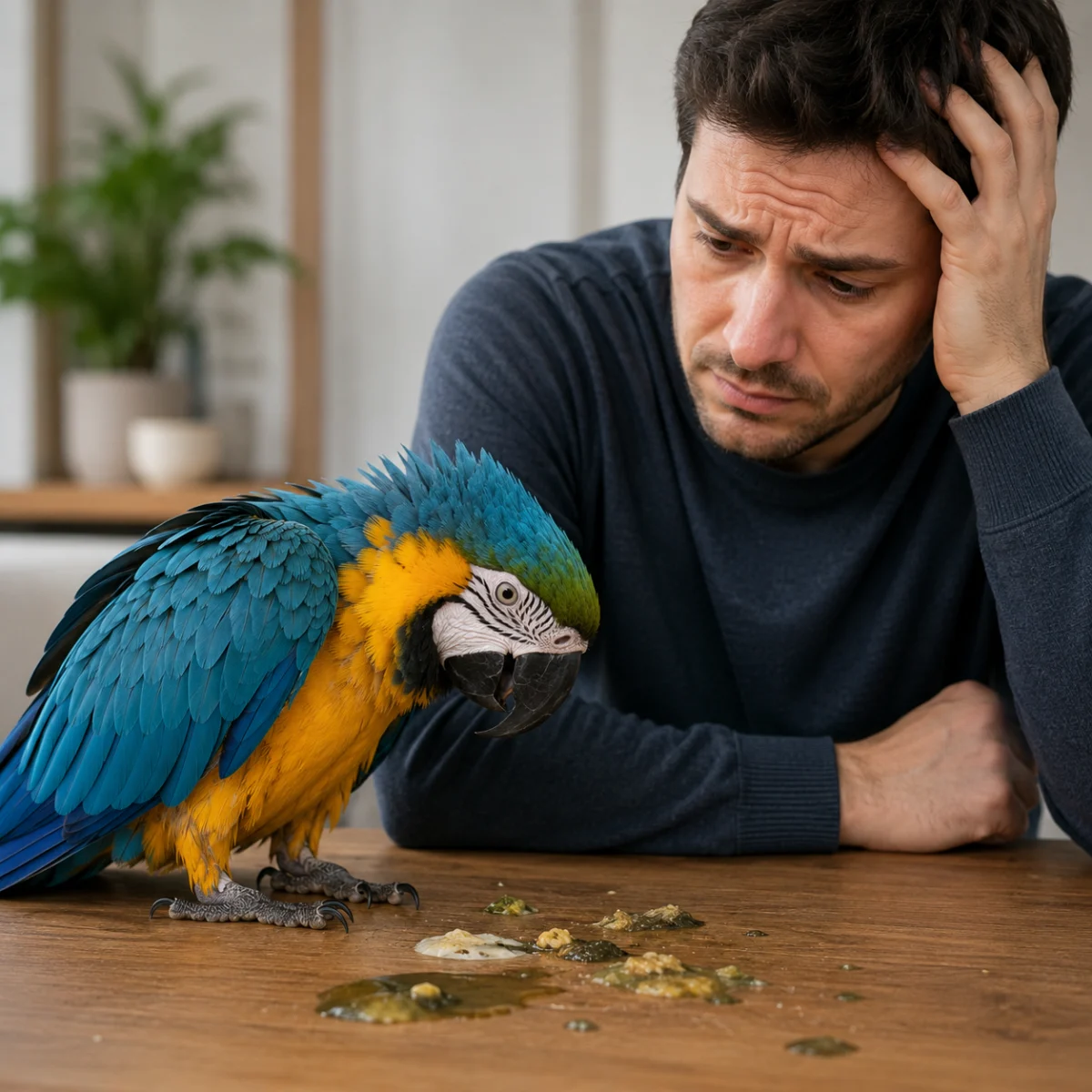
Pet bird owners are increasingly recognizing the critical importance of vigilant observation when it comes to their feathered companions’ digestive health. Abnormalities in droppings, changes in feeding behavior, or the presence of undigested food can be the earliest and most telling indicators of underlying health issues, ranging from minor dietary upsets to severe, life-threatening diseases. This guide, drawing on insights from avian health experts, aims to empower owners to differentiate between benign variations and urgent veterinary concerns, emphasizing the necessity of informed action to ensure the well-being of their birds.
The Nuance of Avian Droppings: Beyond Simple Diarrhea
Unlike mammals, avian droppings are a composite of three distinct components: feces (the solid, usually dark, coiled part), urates (the white, pasty material), and urine (the clear liquid). These are all expelled simultaneously, making the interpretation of what constitutes "normal" or "abnormal" complex for the uninitiated. A common query among bird owners, "Is this just watery poop from food, or does my bird have diarrhea?" highlights this very challenge.
Watery droppings, medically termed polyuria, often signify an increase in the liquid urine component. This can be a less concerning phenomenon, frequently linked to dietary changes such as an increased intake of fruits, watery vegetables, or greens, which naturally elevate a bird’s fluid consumption. Stress, too, can induce polyuria by altering water intake or metabolism. While vigilance is still advised, particularly if the behavior persists or is accompanied by other subtle signs, polyuria alone, where the fecal component remains well-formed, may not always warrant immediate panic.
In contrast, true diarrhea involves an abnormally loose, unformed, or liquid fecal component. This is a more significant indicator of digestive upset or illness. The fecal matter, which should ideally be a distinct, solid coil, appears mushy, shapeless, or fully liquid. This often points to issues within the gastrointestinal tract itself, such as infection, inflammation, or malabsorption. When the fecal component is compromised, it signals a breakdown in the digestive process, making it a considerably more concerning symptom requiring prompt attention. Avian veterinarians report that approximately 20-25% of all emergency visits for pet birds are related to gastrointestinal symptoms, with diarrhea being a frequent primary complaint.
Undigested Food: A Critical Red Flag for Avian Health
The presence of undigested food – identifiable seeds, pellets, or other food particles – in a bird’s droppings is a critical symptom that should never be underestimated or ignored. The avian digestive system is a sophisticated and efficient mechanism designed to soften, grind, and chemically break down food into absorbable nutrients. When recognizable food passes through undigested, it signals a significant failure in this complex process. Owners typically notice this as whole seeds, pieces of corn, or identifiable vegetable fragments within the fecal matter, often accompanied by a general decline in the bird’s condition despite continued eating.
This symptom points to a range of potentially serious underlying conditions. Poor grinding, often due to issues with the proventriculus or gizzard (the bird’s "stomachs"), can lead to food passing through intact. Gut diseases, including bacterial, viral, or fungal infections, can impair the intestinal lining’s ability to digest and absorb nutrients. Malabsorption syndromes, pancreatic problems affecting enzyme production, or highly debilitating proventricular diseases like Proventricular Dilatation Disease (PDD) – also known as Macaw Wasting Disease – are all potential culprits. PDD, a viral disease, attacks the nerve ganglia of the gastrointestinal tract, leading to a paralysis-like state where food cannot be moved or digested effectively.
The timeline for action when undigested food is observed is immediate. Unlike some other symptoms that might allow for a day of observation, undigested food coupled with weight loss, vomiting, weakness, or neurological changes necessitates an emergency avian veterinary visit. Delaying care can lead to rapid deterioration, malnutrition, and a significantly worse prognosis. This symptom underscores the delicate balance of avian metabolism; a bird that eats but cannot properly digest its food is essentially starving, leading to swift energy depletion and organ failure.
Decoding Dropping Colors: A Palette of Health Indicators
The color of a bird’s droppings offers further clues to its internal state, though color alone is rarely definitive without considering other symptoms. The key is to assess color changes in conjunction with the bird’s appetite, posture, energy levels, and overall behavior.
- Green after Greens: A common, benign observation. If a bird has recently consumed a diet rich in leafy greens, spinach, or other green vegetables, the fecal component may take on a green hue due to pigment passing through the digestive tract. This is generally not concerning if the bird remains active, alert, and has a good appetite.
- Dark Green with Low Appetite: This combination is far more serious. Dark green droppings, especially when accompanied by a noticeable decrease in appetite or lethargy, often suggest anorexia or a reduced food intake. When a bird is not eating, bile, which is typically involved in fat digestion and gives feces their characteristic color, accumulates and causes the droppings to appear dark green. This is a strong indicator of illness and warrants an urgent call to an avian veterinarian.
- Yellow Urates: The urates, the white, pasty portion of the droppings, should ideally be bright white. A yellow discoloration in the urates is a significant warning sign. It can point to liver disease, where bilirubin (a byproduct of red blood cell breakdown) is not properly processed. It can also indicate infection, dehydration, or other metabolic concerns. Given the vital role of the liver in avian physiology, yellow urates are always a cause for prompt veterinary investigation.
- Black or Tarry Stool: This is an extremely urgent sign. Black, sticky, tar-like droppings, often with a distinct odor, typically indicate melena – digested blood originating from the upper gastrointestinal tract. The blood undergoes digestion, turning black as it passes through the system. This can be caused by severe ulcers, tumors, or other internal bleeding. Such a finding requires immediate, emergency veterinary care.
- Red in Droppings: Red coloration in droppings can be ambiguous but demands careful assessment. If the bird has recently eaten red-pigmented foods like beets, cherries, or red peppers, the color may be dietary. However, if no such food has been consumed, or if the red appears as fresh blood (hematochezia), it indicates bleeding in the lower gastrointestinal tract. This could stem from cloacal issues, severe inflammation, or other internal injuries. Owners should carefully check recent foods; if unsure, or if accompanied by any other symptom, a vet visit is imperative.
Vomiting vs. Regurgitation: Differentiating Critical Symptoms from Normal Behavior
Distinguishing between regurgitation and vomiting is crucial for pet bird owners, as these two actions, though superficially similar, have vastly different implications for a bird’s health. Misinterpretation can lead to delayed treatment for serious conditions.
Regurgitation is often a controlled, voluntary behavior. It is typically associated with bonding, courtship, or feeding young. A bird that is regurgitating will usually stretch its neck, bob its head, and then bring up undigested food from its crop, often onto a favorite toy, a mirror, or its human companion. The action appears deliberate, the bird is generally alert and otherwise healthy, and the expelled food is usually moist and intact, often still warm. This behavior is common in hormonal birds, particularly during breeding season, as an expression of affection or pair-bonding. While it can be messy, it is typically not a sign of illness.
Vomiting, conversely, is an involuntary and often forceful expulsion of food from the crop, proventriculus, or gizzard. It usually appears messy, uncontrolled, and sprayed, often covering the bird’s face, head, and surrounding environment. The bird exhibiting vomiting will often appear unwell, fluffed up, lethargic, weak, and may show signs of distress. The expelled material can be partially digested, watery, or contain mucus. Vomiting indicates a physiological problem, which could be an infection (bacterial, viral, fungal, parasitic), toxin exposure, organ disease (liver, kidney), foreign body obstruction, or inflammatory conditions of the digestive tract. Avian veterinarians stress that messy, uncontrolled vomiting should never be dismissed as normal bonding behavior. It is a clear signal of an underlying pathological issue that requires immediate professional evaluation.
Prevalent Causes of Avian Digestive Distress
Digestive symptoms in birds are rarely isolated incidents; they are often manifestations of deeper issues. Understanding the common culprits is key to prevention and timely intervention.
- Diet Changes or Watery Foods: A frequent, and often benign, cause of altered droppings. Sudden introduction of new fruits, vegetables, or an increase in the proportion of high-water-content foods can temporarily increase the liquid component of droppings (polyuria). While usually harmless, significant and abrupt changes to a bird’s diet should be made gradually to allow the digestive system to adapt.
- Spoiled Food or Dirty Dishes: A major vector for microbial growth. Wet chop, soft foods, sprouts, and even water left for too long in bowls can quickly become breeding grounds for bacteria, fungi, and yeasts. Ingestion of contaminated food or water can lead to acute digestive upset, characterized by diarrhea, lethargy, and decreased appetite. Regular cleaning and sanitation of food and water dishes are paramount.
- Bacterial, Fungal, Viral, or Parasitic Disease: Infections are a leading cause of avian digestive problems.
- Bacterial: Clostridium, Salmonella, E. coli, and various Campylobacter species can cause severe enteritis, leading to diarrhea, weight loss, and lethargy.
- Fungal: Candida albicans (yeast infections) are common, particularly in young or immunocompromised birds, affecting the crop and intestines.
- Viral: Viruses like Avian Polyomavirus or Pacheco’s Disease can have systemic effects, including gastrointestinal signs. Proventricular Dilatation Disease (PDD), caused by Avian Bornavirus (ABV), specifically targets nerve ganglia in the GI tract, leading to maldigestion.
- Parasitic: Internal parasites such as Giardia, Coccidia, and various worms can irritate the digestive lining, causing diarrhea, malabsorption, and weight loss.
- Toxins or Metal Exposure: Birds are highly susceptible to toxins due to their rapid metabolism and tendency to explore with their beaks.
- Metals: Lead (from old paint, stained-glass solder, curtain weights) and zinc (from galvanized cages, costume jewelry, staples) are common culprits, causing vomiting, diarrhea, neurological signs, and weakness.
- Pesticides and Household Chemicals: Cleaning products, air fresheners, rodenticides, and insecticides can be acutely toxic.
- Unsafe Plants: Many common houseplants are toxic to birds. Owners must research all plants in their bird’s environment.
- Medications: Overdosing or inappropriate medication can also lead to severe gastrointestinal distress.
- Foreign Material or Obstruction: Birds are naturally curious, and accidental ingestion of non-food items is common. Rope fibers from toys, bedding materials, small toy parts, wood splinters, or even string can become lodged in the crop or intestines, causing irritation, impaction, or complete obstruction. Symptoms can include vomiting, regurgitation, anorexia, and abdominal pain.
- Proventricular Disease or Malabsorption Syndromes: These represent more complex and often chronic conditions. As mentioned, PDD is a significant concern, but other forms of proventricular or ventricular (gizzard) dysfunction can also impair digestion. Malabsorption can occur due to chronic enteritis, pancreatic insufficiency, or liver disease, preventing the bird from extracting nutrients from its food, leading to weight loss despite a seemingly normal appetite.
Proactive Measures and Immediate Steps for Pet Owners
When digestive issues arise, prompt and informed action can significantly impact a bird’s prognosis. The goal is to gather crucial information without delaying veterinary care if the bird exhibits severe symptoms.
- Observe and Document: Keep a detailed log of symptoms, including onset, frequency, and severity. Note changes in droppings (color, consistency, volume), appetite, water intake, activity level, posture, and any vomiting or regurgitation. Digital photos or videos of droppings and the bird’s behavior can be invaluable for the veterinarian.
- Examine the Droppings: Place a clean paper towel or wax paper under the bird’s perch to facilitate observation of fresh droppings, noting all three components (feces, urates, urine).
- Review Diet and Environment: Consider any recent changes in diet, new foods introduced, or potential exposure to toxins or foreign materials. Ensure food and water dishes are meticulously clean.
- Maintain Warmth and Quiet: A sick bird can quickly become hypothermic. Provide a warm, quiet, and low-stress environment. A hospital cage with supplemental heat (e.g., a heat lamp positioned safely away from direct contact) can be beneficial.
- Isolate (if multiple birds): If you have multiple birds, isolate the affected bird to prevent potential spread of infectious agents and to allow for more accurate observation of its individual droppings and food intake.
- Prepare for the Vet: Compile all gathered information, including your observations, documentation, and a list of all foods, treats, and supplements your bird consumes. If possible, collect a fresh dropping sample (within 1-2 hours) to bring to the appointment.
The Role of Probiotics: Support, Not Solution
Probiotics, beneficial microorganisms intended to restore or maintain a healthy gut microbiome, have gained popularity in pet care. For birds, they can offer support, particularly after courses of antibiotics (which can decimate beneficial gut flora), during periods of stress, or following minor dietary disruptions. They may aid in re-establishing a balanced digestive environment.
However, it is crucial to understand that probiotics are a supportive measure, not a diagnostic tool or a cure for serious illness. They are not a fix for severe conditions such as toxin exposure, foreign body obstruction, parasitic infestations, Proventricular Dilatation Disease, liver disease, persistent vomiting, or significant weight loss. Relying solely on probiotics when a bird is visibly sick – fluffed up, weak, not eating, or exhibiting critical symptoms – can dangerously delay essential veterinary intervention. Avian veterinary associations consistently emphasize that probiotics should complement, not replace, professional medical care.
When Veterinary Intervention Becomes Imperative: Recognizing Critical Tipping Points
The unique physiology of birds means they often mask signs of illness until a disease is advanced. Therefore, recognizing critical symptoms and acting promptly is paramount. Digestive symptoms transition from "monitor and observe" to "call the vet now" when they are accompanied by behavioral changes or persist beyond a very short period.
Key indicators that necessitate immediate avian veterinary consultation include:
- Undigested food in droppings: This is a severe sign of digestive failure.
- Vomiting (not regurgitation): Messy, uncontrolled expulsion of food.
- Persistent diarrhea: Loose fecal component lasting more than a few hours, especially with a foul odor.
- Weight loss: A rapid or noticeable decrease in body mass, even if the bird appears to be eating.
- Lethargy or weakness: A bird that is unusually quiet, sleeping more, reluctant to move, or unable to perch properly.
- Fluffed feathers and ruffled appearance: A common sign of a sick bird attempting to conserve body heat.
- Changes in posture: Sitting low on the perch, hunched over, or spending time on the cage floor.
- Difficulty breathing: Open-mouth breathing, tail bobbing, or labored respiration.
- Yellow or black urates: Indicating potential liver disease or digested blood.
- Passing blood: Fresh red blood in droppings or around the vent.
- Not eating or drinking: A bird refusing food or water for even a short period can quickly become critical.
The plain rule, as often reiterated by avian specialists, is that abnormal droppings alone may be a clue. However, abnormal droppings coupled with a bird acting sick – displaying any of the behavioral or physical changes listed above – is unequivocally a veterinary problem requiring immediate professional attention. Avian species have high metabolic rates, and their condition can deteriorate rapidly; what might seem like a minor ailment can become life-threatening in hours.
Broader Implications for Avian Pet Care
The prevalence of digestive issues highlights a broader need for enhanced education among pet bird owners. Many owners, particularly those new to avian companions, may not fully grasp the specific nuances of bird health or the specialized nature of avian veterinary medicine. Regular veterinary check-ups, ideally annually, are crucial for early detection of subtle changes and for establishing a baseline of health. These visits allow for discussions on diet, environment, and behavior, reinforcing preventive care.
The specialized field of avian veterinary medicine requires extensive knowledge beyond general animal care. Owners should seek out veterinarians board-certified in avian practice or those with a strong focus and experience in treating birds. These specialists possess the diagnostic tools and expertise to accurately interpret symptoms and provide appropriate, timely treatment, often making the difference between recovery and decline.
In conclusion, the health of pet birds is intricately linked to their digestive well-being. Vigilant observation, coupled with an understanding of what constitutes normal versus abnormal, empowers owners to act as their bird’s primary health advocate. By recognizing the critical signs of digestive distress and seeking prompt, specialized veterinary care, owners can significantly improve the quality of life and longevity of their cherished avian companions.
References
- Merck Veterinary Manual. Digestive Disorders of Pet Birds.
- Merck Veterinary Manual. Differential Diagnoses for Regurgitation in Pet Birds.
- Harrison & Lightfoot. Clinical Avian Medicine: Gastroenterology.
- VCA Animal Hospitals. Proventricular Dilatation Disease in Birds.
Meet Diane Burroughs, LCSW – licensed psychotherapist, ABA-trained behavior specialist, and founder of UnRuffledRx. With 30+ years of hands-on bird experience, Diane helps bird owners separate normal behavior from real warning signs using calm, practical, science-backed care.
SHARING IS CARING! PLEASE SHARE ON YOUR FAVORITE SOCIAL MEDIA NOW!

