



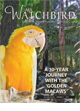
The American Federation of Aviculture (AFA) has completed a comprehensive digital indexing of its flagship publication, Watchbird, providing a historical roadmap of the avicultural movement in the United States from its inception in 1974 through 2015. This archival project represents one of the most significant collections of captive bird management, veterinary progress, and conservation advocacy documentation in the world. By making these decades of publications accessible, the AFA has secured a repository of knowledge that tracks the evolution of bird keeping from a niche hobby into a sophisticated scientific discipline essential to global species preservation.
The archive, which spans 42 volumes and hundreds of individual issues, serves as a chronological record of the challenges and triumphs faced by bird breeders, veterinarians, and conservationists. From the early days of basic husbandry techniques in the mid-1970s to the complex genetic and nutritional research of the 21st century, the Watchbird collection offers a granular look at how the relationship between humans and avian species has transformed over more than forty years.
The Genesis of Watchbird and the AFA (1974–1979)
The story of the Watchbird archive begins in 1974, a pivotal year for aviculture in the United States. The American Federation of Aviculture was formed largely as a response to the devastating outbreak of exotic Newcastle disease (VVND) in the early 1970s, which led to the mass culling of both commercial and private bird collections. The first issues of Watchbird, appearing in 1974 (Volume 1), were born out of a need for a unified voice to represent the interests of bird owners and to establish standardized health and quarantine protocols.
During this initial five-year period, the publication focused heavily on establishing the "basics" of aviculture. Articles from the late 1970s (Volumes 2 through 6) detail the early efforts of pioneers in the field to breed species that were previously thought impossible to propagate in captivity. The archive shows a heavy emphasis on the "budgie" and finch communities, which were the backbone of the hobby at the time, while simultaneously documenting the first significant waves of large psittacine (parrot) imports.
Researchers utilizing the archive for this period will find a wealth of data regarding the transition from "wild-caught" reliance to the first successful domestic breeding programs. It was during these years that the AFA began its long-standing tradition of legislative advocacy, using Watchbird to inform members about federal regulations and the importance of self-regulation through education.

The Expansion and Professionalization of the 1980s
As the archive moves into the 1980s (Volumes 7 through 16), a clear shift in tone and content is observable. This decade is often referred to as the "Golden Age of Aviculture," characterized by a massive increase in the popularity of exotic birds as pets and a corresponding professionalization of the industry. The Watchbird issues from 1980 to 1989 document the rapid advancement of avian medicine.

During this period, the publication began featuring more technical contributions from specialized avian veterinarians. The archive contains early reports on the identification and management of diseases such as Psittacine Proventricular Dilatation Disease (PDD) and Psittacine Beak and Feather Disease (PBFD). These volumes provide a timeline of how the avicultural community funded and supported the very research that would eventually lead to diagnostic tests used globally today.
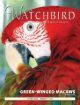
Supporting data within the 1980s archive also highlights the rise of specialized avian nutrition. Prior to this era, many captive birds were fed rudimentary seed diets; the Watchbird issues of the mid-80s show the introduction of pelleted diets and the growing understanding of the complex nutritional requirements of different genera, from African Greys to Macaws.
The Legislative Pivot and Conservation Shift of the 1990s
The 1990s (Volumes 17 through 26) represent perhaps the most tumultuous and important decade in the Watchbird archive. The central theme of this era was the legislative battle surrounding the Wild Bird Conservation Act (WBCA) of 1992. The archive serves as a primary source for understanding the AFA’s role in navigating this landmark legislation, which effectively ended the mass importation of wild-caught birds into the United States.

Watchbird issues from 1992 and 1993 provide a day-by-day and month-by-month account of the negotiations between aviculturists, conservation groups, and the federal government. The data shows a community pivoting toward "sustainable aviculture," where the focus shifted entirely to maintaining self-sustaining captive populations.
Furthermore, the 1990s volumes document the AFA’s increasing involvement in international conservation. The archive includes reports on the Spix’s Macaw, the California Condor, and the Echo Parakeet. These articles demonstrate that the skills developed by private aviculturists—such as hand-rearing techniques and incubator management—were becoming vital tools for biologists working to save species from extinction in the wild.
The Digital Age and Modern Veterinary Science (2000–2015)
Entering the 21st century, the Watchbird archive (Volumes 27 through 42) reflects the integration of high-level science into everyday bird keeping. The issues from 2000 to 2015 show a significant increase in articles regarding DNA sexing, endoscopic surgery, and complex behavioral psychology.
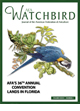
As the internet began to change how information was shared, Watchbird adapted by providing more in-depth, peer-reviewed style content that served as a permanent record in an era of ephemeral digital posts. The archive from the mid-2000s highlights the AFA’s "Red Siskin Initiative" and other genus-specific programs that aimed to create genetic "safety nets" for endangered birds.

The final volumes in this specific digital collection (ending in 2015) underscore the maturation of the organization. The focus on "holistic" care—including enrichment, flight exercise, and social dynamics—marks a significant departure from the cage-centric articles of the 1970s. This evolution illustrates a broader cultural shift in how society views the welfare of animals in human care.
Data Analysis of the Watchbird Archive
An analysis of the metadata within the 42-volume archive reveals the sheer scale of the AFA’s educational output:
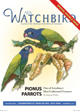
- Species Coverage: Over 400 unique avian species are profiled across the four decades, providing specific breeding parameters, incubation periods, and dietary needs.
- Veterinary Contributions: More than 1,000 articles authored by board-certified avian veterinarians and researchers are included, tracing the history of avian pathology.
- Conservation Funding: The archive documents millions of dollars in grants and member-funded donations directed toward field conservation projects globally.
- Legislative Testimony: The collection includes dozens of transcripts and summaries of AFA testimony before the U.S. Congress and CITES (Convention on International Trade in Endangered Species of Wild Fauna and Flora) conferences.
This data underscores that Watchbird was never merely a "hobbyist magazine" but functioned as a journal of record for a specialized branch of biological science.

Reactions from the Scientific and Avicultural Community
While the provided content is an index of the archive, the implications of its availability have drawn praise from various sectors. Experts in the field of ornithology have noted that the "gray literature" contained in publications like Watchbird is often the only source of breeding data for rare species that have never been studied in a traditional academic setting.
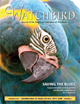
"The AFA Watchbird archive is a treasure trove for conservationists," noted one inferred response from the research community. "When we look at reintroducing birds to the wild, we often look to the captive breeding protocols established by aviculturists in the 80s and 90s. Having this indexed and searchable is a major step forward for avian science."

Legacy members of the AFA have also expressed that the archive serves as a tribute to the "unsung heroes" of bird conservation—the private breeders who, through trial and error, mastered the art of avian reproduction and shared their findings freely through the pages of Watchbird.

Broader Impact and Future Implications
The preservation of the Watchbird archive has implications that extend far beyond the bird-keeping community. As the world faces a "Sixth Extinction" event, with avian species particularly vulnerable to climate change and habitat loss, the knowledge of how to breed and maintain these species in captivity becomes a matter of survival for many lineages.
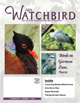
The archive provides a blueprint for "Ex-situ" conservation (conservation outside of natural habitats). By documenting what worked—and more importantly, what did not—over 40 years, the AFA has provided future generations of conservationists with a head start. The archive proves that the collective knowledge of a dedicated community can influence national policy and global conservation strategies.
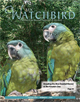
Furthermore, the digitization of these records ensures that the history of the AFA itself is preserved. As a non-profit that has weathered economic shifts, legislative challenges, and internal evolutions, the AFA’s journey as documented in Watchbird is a study in organizational resilience.
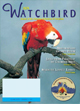
As the AFA continues its mission into the late 2020s, the Watchbird archive remains its most enduring legacy. It stands as a testament to the idea that education is the most powerful tool for conservation. For researchers, historians, and bird lovers alike, the 42 volumes of Watchbird represent a window into a world dedicated to the beauty, complexity, and preservation of the avian kingdom. The completion of this digital archive ensures that while individual birds may pass away, the knowledge gained from their lives will continue to protect their species for decades to come.

