


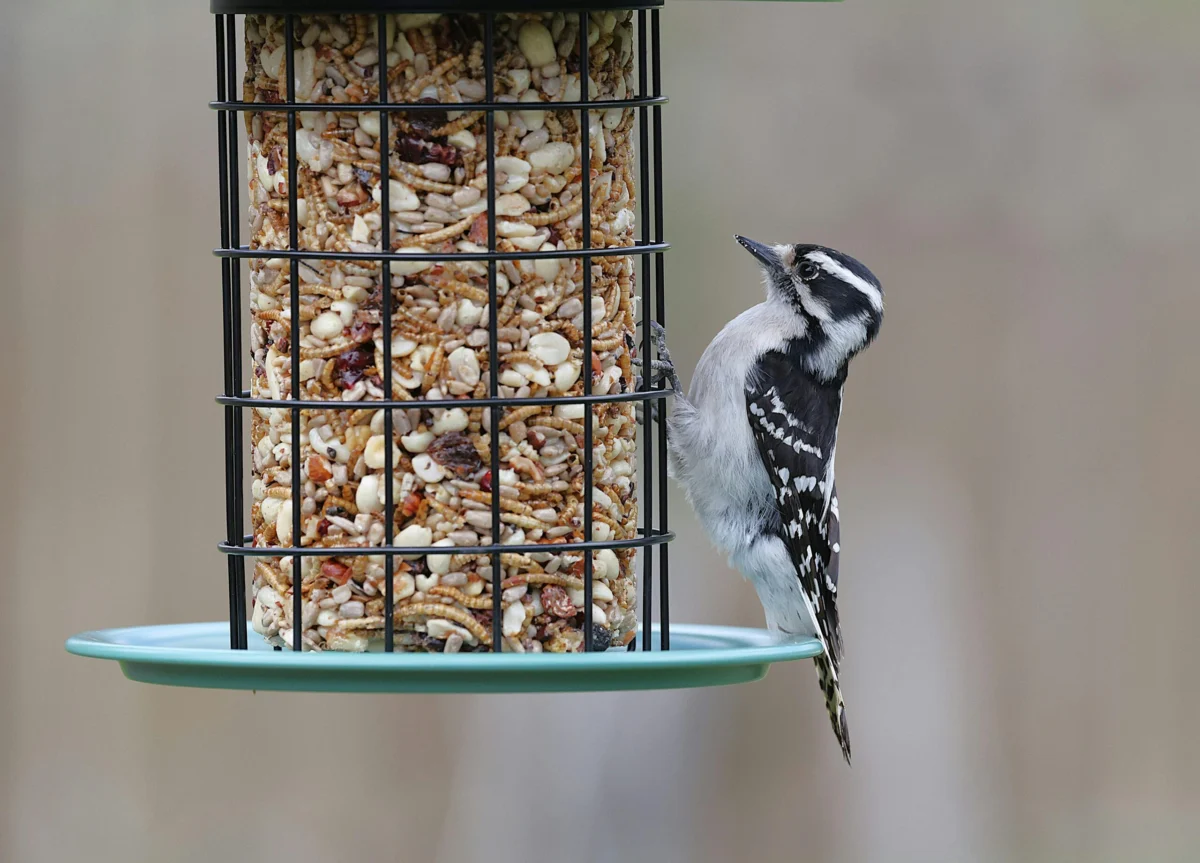
Squirrels, those ubiquitous acrobats of the urban and suburban landscape, possess an uncanny knack for achieving their desires, particularly when those desires involve a readily available buffet. Birdseed and nuts represent prime targets for these agile mammals, setting the stage for a perennial conflict with their feathered counterparts. For those who delight in attracting a vibrant avian presence to their gardens while simultaneously seeking to exclude their bushy-tailed rivals, the challenge is to outsmart these resourceful creatures. The fundamental question then arises: do birds and squirrels, despite their shared culinary interests, coexist peacefully?
The straightforward answer is a qualified yes, with the significant caveat that their harmony evaporates the moment food becomes the object of contention. Birdseed, a universally appealing attractant, serves as a common ground that frequently ignites skirmishes at bird feeders, especially in areas with a robust squirrel population. These confrontations, however, are rarely equitable. Squirrels, being considerably larger than most backyard birds, possess a distinct physical advantage. This disparity often results in birds being intimidated and driven away, leaving the squirrels to monopolize the seed supply.
The remarkable capabilities of squirrels are well-documented. They can leap astonishing distances, exceeding ten feet, and demonstrate exceptional prowess as climbers and diggers. Their intelligence is equally noteworthy; they learn rapidly and exhibit remarkable persistence in pursuing their objectives. This tenacity extends to their methods of acquisition. Squirrels have been observed to claw and even chew through wooden and plastic bird feeders, demonstrating a relentless determination to access the food intended for birds. This behavior not only deprives birds but can also lead to costly damage to feeder structures.
The Allure of the Bird Feeder: A Squirrel’s Perspective
The appeal of high-quality birdseed to squirrels is undeniable, mirroring its attractiveness to birds. Staples such as black oil sunflower seeds, various nuts, and suet are equally prized by both species. While squirrels are often perceived as endearing and entertaining with their fluffy tails and nimble movements, their presence can elicit mixed reactions. Some individuals may welcome these furry mammals, finding their antics a pleasant addition to the backyard ambiance. Birdwatchers, in particular, might enjoy the occasional squirrel visit. However, for many, squirrels are viewed as unwelcome pests, particularly when they disrupt the delicate balance of a bird feeding station.
In contrast to squirrels, most bird species exhibit a degree of accommodation towards one another, often sharing feeders with a diverse array of avian visitors. Squirrels, however, operate with a different modus operandi. Their voracious appetites are matched by a dominant disposition. They are known to be greedy, readily chasing away birds before consuming all available food. The result is frequently an emptied feeder, leaving nothing for the intended avian beneficiaries.
An important consideration, as noted by seasoned observers, is the sheer persistence of squirrels. Their drive to access birdseed has led to significant damage to feeders constructed from plastic or wood, rendering them unusable. This highlights not only their destructive potential but also the economic impact on those who maintain bird feeding stations. Furthermore, squirrels can pose a predatory threat to nesting birds, occasionally feeding on eggs or newly hatched chicks. This predatory behavior can make gardens with a high squirrel population less attractive to nesting birds, impacting local biodiversity.
Strategies for Squirrel-Proofing: A Multifaceted Approach
Protecting bird feeders from squirrels requires a strategic and often inventive approach, with methods varying based on the type of feeder and garden layout. Given the squirrels’ cunning, a trial-and-error process may be necessary to identify the most effective deterrence. Some enthusiasts have even devised elaborate obstacle courses designed to challenge squirrels, turning their pursuit of food into an amusing spectacle.
Strategic Location: The First Line of Defense
The placement of a bird feeder is paramount in deterring squirrels. To make access as difficult as possible, feeders should be situated far from potential launch points such as porches, gutters, utility wires, and overhanging tree branches. This strategic isolation forces squirrels to make considerably longer and more challenging leaps, which they are often unwilling to undertake.
A highly effective method involves mounting the feeder on a smooth metal pole approximately six feet above the ground. Additionally, it is advisable to prune any bushes or tree branches within a twelve-foot radius of the feeder. This pruning eliminates convenient perching and jumping-off points, significantly restricting squirrel access.
The Protective Cage: Creating a Squirrel-Exclusion Zone
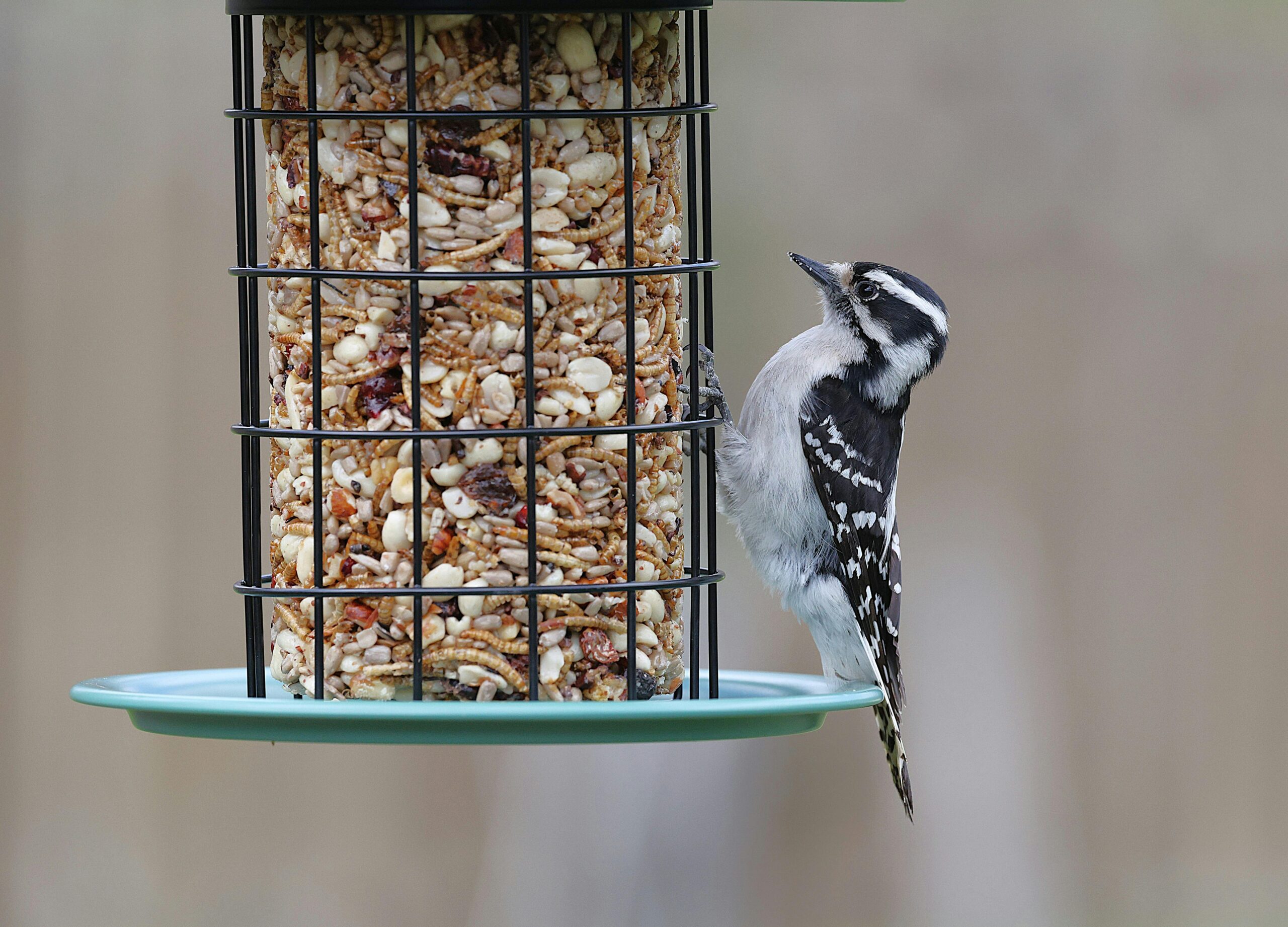
For those with limited garden space, where isolating the feeder is not feasible, caging the feeder can be an effective solution. Wrapping the feeder in chicken wire with openings small enough to exclude squirrels but large enough to permit birds to feed freely is a common technique. This method also has the added benefit of deterring larger, more aggressive birds like pigeons and starlings from monopolizing the food supply. For those seeking a more immediate solution, pre-fabricated "squirrel-proof" feeders, often featuring integrated caging, are available from local pet stores and online retailers.
Tilting and Spinning Mechanisms: Exploiting Squirrel Imbalance
Specially designed feeders that tilt or spin when a squirrel attempts to perch on them offer an ingenious solution. The sudden movement and imbalance make it exceedingly difficult for the squirrel to maintain its grip and access the food. Observing these feeders in action can be quite entertaining, often resembling an impromptu acrobatic performance by the frustrated squirrels.
Spinner Systems: Adding an Element of Dynamic Deterrence
Another inventive approach involves hanging the feeder from a thin, horizontal wire. By threading spinners onto this wire, the squirrels’ path is disrupted. These spinners, which can be fashioned from short pieces of pipe, old sewing thread spools, or even empty soda bottles, rotate when a squirrel attempts to walk on them. This spinning action invariably throws the squirrel off balance, causing it to lose its footing and fall.
The Baffle: A Dome of Defense
A baffle, typically a dome-shaped guard, can be positioned either above or below a bird feeder to prevent squirrels from reaching the food. These baffles, commonly made from smooth plastic or metal, are available commercially or can be crafted at home. For optimal effectiveness, a baffle should be at least fifteen inches wide and slope downwards at the sides, making it impossible for squirrels to reach around. Many baffles are designed to spin or twirl when a squirrel lands on them, further disrupting their balance and deterring them from reaching the feeder.
Maintaining a Tidy Feeding Area: Eliminating Ground Temptations
The area surrounding a bird feeder should be kept meticulously clean and free of debris. Spilled seeds and other food remnants can attract squirrels, encouraging them to linger and attempt to access the feeder from the ground. This cleanliness is not only crucial for deterring squirrels but also for the health of the birds, as spilled seeds can become old, rot, or become contaminated, posing health risks to ground-feeding birds and other wildlife.
Feeder Design: The Robust Solution
When squirrels have proven destructive to existing feeders, investing in a specially designed squirrel-proof feeder is a prudent step. These feeders often incorporate weight-activated doors or hatches that close when a heavier animal, like a squirrel, attempts to access them, while remaining open for lighter birds. Furthermore, feeders constructed from metal or featuring a thick, sturdy design are less susceptible to damage from persistent squirrels.
Seed Selection: The Taste Deterrent
While squirrels are generally indiscriminate eaters, certain seeds are less appealing to them. Nyjer (thistle) seed and safflower seeds possess a bitter taste that deters squirrels but remains palatable to most birds. By incorporating these seeds into the birdseed mix, one can effectively attract birds while making the feeder less attractive to their furry rivals.
The Spicy Secret: A Flavor That Repels
A highly effective, albeit sometimes labor-intensive, method involves employing spicy elements. Mammals, including squirrels, are sensitive to the heat of peppers and chili. Birds, however, are not affected by capsaicin, the active compound in chili peppers. Sprinkling cayenne pepper or similar spices onto birdseed can deter squirrels. It is important to note that the spice may wash off with rain, requiring regular reapplication. Pre-treated chili seeds or suet are available from some retailers. When handling cayenne pepper, wearing gloves and avoiding inhalation of the dust is recommended.
Humane Trapping and Relocation: When All Else Fails
For persistent and problematic squirrel infestations, contacting local wildlife authorities is an option. They may offer guidance on humane trapping and relocation methods, ensuring compliance with local wildlife laws and regulations. It is imperative to adhere to these regulations to avoid any negative consequences.
Eliminating Habitat: Reducing Attraction
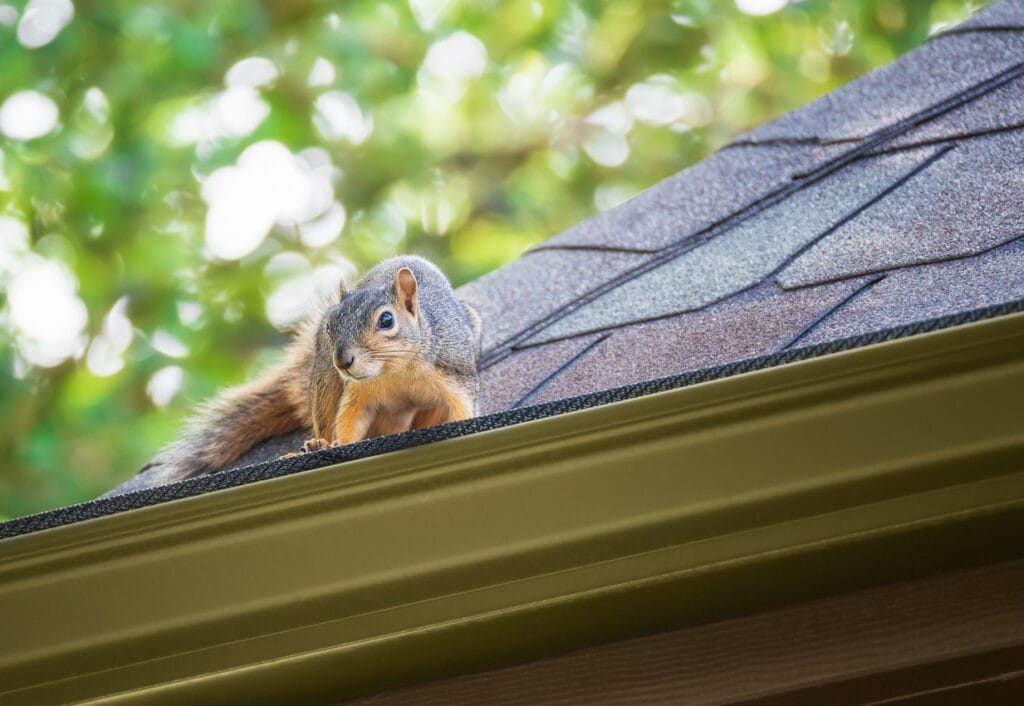
Squirrels are less likely to frequent feeders if their preferred nesting and shelter sites are removed from the immediate vicinity. Addressing potential nesting spots such as old sheds, attics, or spaces under eaves can encourage squirrels to seek shelter elsewhere, thereby reducing their presence around bird feeders.
What Not to Do: Ethical and Practical Considerations
While the frustration of dealing with squirrels is understandable, certain methods of deterrence should be strictly avoided. It is crucial to remember that squirrels play an integral role in the ecosystem, and their well-being should not be compromised. Hunting, poisoning, or intentionally endangering squirrels is not only unethical but also carries significant risks.
Poisoned bait, for instance, can have devastating unintended consequences, harming not only squirrels but also birds and other non-target wildlife that may consume the bait. Birds of prey that feed on poisoned squirrels can also suffer severe injury or death. Similarly, releasing cats to control squirrel populations is ill-advised, as cats do not discriminate and may prey on birds or other vulnerable animals. Coating feeder poles with oil or grease is also discouraged, as it can lead to illness or increased vulnerability in birds and other animals that come into contact with it.
Conclusion: Coexistence and Creative Solutions
If squirrels prove exceptionally difficult to deter, a temporary hiatus from feeding may be considered. Removing feeders for a few weeks can sometimes encourage squirrels to forage elsewhere, though they will likely return once the food source is re-established. It is important to acknowledge that achieving complete squirrel-proofing for bird feeders can be an elusive goal.
A more harmonious approach, rather than a constant struggle to deter squirrels, is to establish a dedicated feeding station for them. Squirrels can be readily enticed with an assortment of nuts, corn, and berries. Providing an accessible "squirrel take-out" can effectively divert their attention from bird feeders, ensuring a peaceful dining experience for the birds.
Squirrels are a natural and fascinating part of our environment, possessing a unique set of skills and characteristics. They share the garden ecosystem with birds, insects, and other creatures, and their presence is as natural as that of any other wildlife. Observing squirrel behavior can be as captivating as watching cardinals, purple martins, or finches.
Ultimately, while numerous strategies exist to keep squirrels away from bird feeders, the occasional visit from these resourceful creatures is to be expected. Embracing this reality and implementing effective deterrence methods can lead to a more enjoyable and balanced coexistence.
Frequently Asked Questions
Do squirrels kill birds?
Squirrels are primarily herbivores and do not typically hunt birds for food. While they might injure a bird if they feel threatened, their predatory behavior is usually limited to eggs or unattended nestlings found in nests.
Do birds kill squirrels?
Yes, birds of prey such as hawks, falcons, owls, and eagles regularly hunt and consume squirrels. Smaller birds competing for food at a feeder are unlikely to pose a threat to an adult squirrel.

