


The significant ecological value of the coastal waters between Hoek van Holland and Bergen aan Zee has been formally recognized with its designation as an Important Bird and Biodiversity Area (IBA), solidifying its status as a vital resting and feeding ground for a remarkable array of coastal and seabirds. This designation, long anticipated by ornithologists and conservationists, is now backed by robust scientific research, underscoring the area’s critical role in supporting avian populations. The protected status ensures a future where these species can continue to find refuge and sustenance along the Dutch coastline.
A Haven for Avian Diversity
The waters in question are a critical habitat for a diverse group of birds, many of which are migratory and rely on these specific locations for essential stopovers. The confirmed list of species that benefit from this designation includes the Great Cormorant (Phalacrocorax carbo), a large diving bird found in coastal and inland waters. The Little Gull (Hydrocoloeus minutus), one of the smallest gull species, utilizes these areas for foraging. The Great Crested Grebe (Podiceps cristatus), known for its elaborate courtship displays, finds suitable breeding and wintering grounds here.
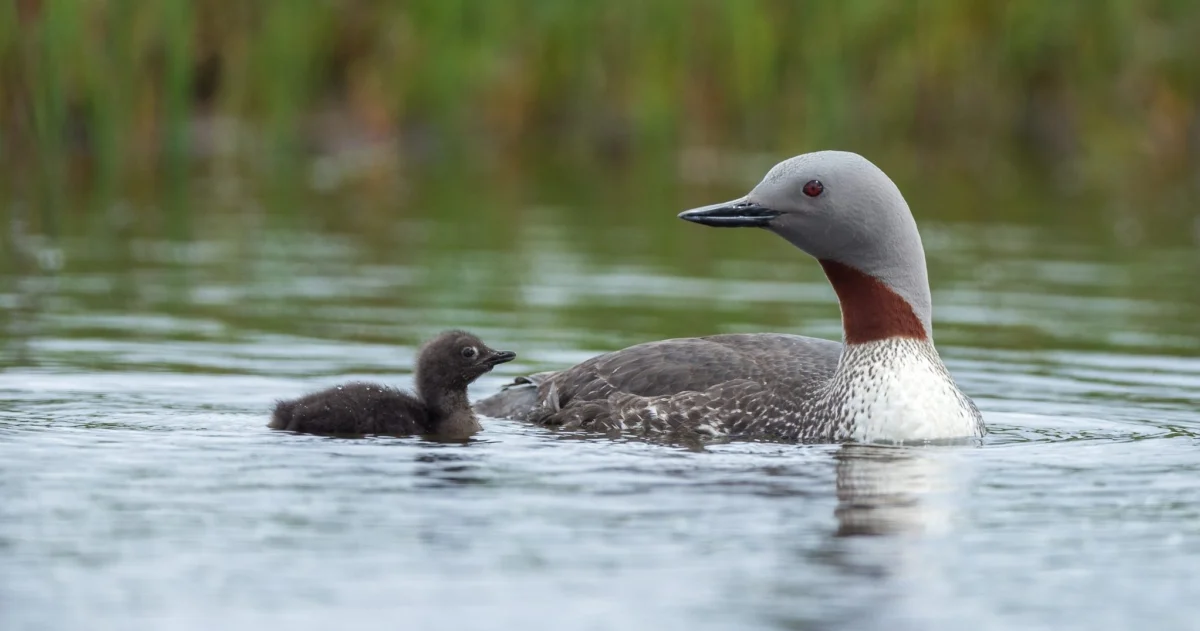
The Sandwich Tern (Thalasseus sandvicensis), a graceful seabird recognized by its black cap and distinctive call, relies on the rich fishing opportunities. The Lesser Black-backed Gull (Larus fuscus) and the Black-headed Gull (Chroicocephalus ridibundus) are common sights, often found scavenging and foraging. The Red-throated Loon (Gavia stellata), a powerful diver, undertakes significant migrations and depends on these waters for sustenance. The Mew Gull (Larus canus), also known as the Common Gull, is another species benefiting from this protection.
Furthermore, the Greater Scaup (Aythya marila), a diving duck, uses these areas as crucial wintering grounds, feeding on mollusks and crustaceans. The European Herring Gull (Larus argentatus), a large and adaptable gull, is a permanent resident or visitor. Finally, the Common Scoter (Melanitta nigra), a sea duck, congregates in large numbers in these waters, particularly during winter, to feed on small bivalves. For all these species, the area demonstrably meets the stringent criteria required for designation as a marine Special Protected Area (SPA) under the European Union’s Birds Directive.
Integrating into a Wider Conservation Network
The newly designated marine SPA, referred to as the Hollandse Kust, is not an isolated conservation effort but rather a crucial piece in an expanding mosaic of protected areas along the European coast. Its strategic location allows it to seamlessly connect existing SPAs, specifically the SPA Voordelta in the south and the SPA North Sea Coastal Zone in the north. This interconnectedness is vital for migratory species, enabling them to move freely and safely along established routes.
Covering an expansive area of approximately 100,000 hectares (1,000 square kilometers), the Hollandse Kust SPA is a significant addition to the Dutch marine conservation landscape. To put its size into perspective, it is slightly larger than the entire city of Berlin. This substantial area effectively fills a long-standing gap in the comprehensive protection of the Dutch coastal zone. With this latest designation, the entire Dutch maritime zone will soon be under the protective umbrella of the EU Birds Directive, marking a significant achievement for national and European conservation efforts. This comprehensive approach is essential for addressing the complex challenges faced by marine ecosystems and the species they support.
A Timeline of Conservation Efforts
The path to this designation has been a multi-year endeavor, driven by scientific research, advocacy, and legislative processes.
-
Early Recognition: For decades, birdwatchers and ornithologists have observed the rich avian life in the coastal waters between Hoek van Holland and Bergen aan Zee, noting its importance as a resting and feeding area. Initial surveys and anecdotal evidence pointed towards the need for formal protection.
-
Scientific Research and Data Collection: Throughout the early 2000s and continuing into the 2010s, various research projects were initiated to scientifically validate the ecological significance of the area. These studies involved extensive bird surveys, migration tracking, and habitat assessments, providing concrete data to support the case for SPA designation. Organizations like Vogelbescherming (BirdLife Netherlands) played a pivotal role in commissioning and supporting these crucial research efforts.
-
Advocacy and Policy Engagement: Building upon the scientific evidence, conservation organizations, led by Vogelbescherming, engaged in persistent advocacy with national and European authorities. This involved lobbying for the inclusion of the Hollandse Kust in the network of protected areas and highlighting its role in fulfilling the objectives of the EU Birds Directive.
-
The North Sea Agreement: A significant catalyst for this designation was the broader commitment to marine conservation embodied in the North Sea Agreement. This intergovernmental accord, aimed at promoting sustainable use and protection of the North Sea, provided a framework and impetus for establishing new protected areas. The Hollandse Kust SPA is a direct outcome of the collaborative spirit and shared goals outlined in this agreement.
-
Formal Designation Process: Following the groundwork laid by research and advocacy, the formal designation process commenced. This involved public consultations, environmental impact assessments, and parliamentary review. The Dutch Parliament’s commitment to finalizing this designation later this year signifies the culmination of these efforts.
-
Future Management and Implementation: The designation is not the end of the process but the beginning of active management. The publication of a draft decision, outlining boundaries and target species, will be followed by the development of a comprehensive management plan. This plan will detail conservation measures, including strategies to mitigate human-induced disturbance and prevent habitat degradation.
Official Responses and Legal Imperatives
The designation of the Hollandse Kust as a marine SPA is not merely a voluntary conservation measure but a legal obligation stemming from the EU Birds Directive. This directive, established in 1979, aims to protect all wild bird species in the EU, focusing on habitat conservation and the designation of SPAs for threatened species and migratory birds. The Dutch government’s action aligns with its commitment to upholding European environmental legislation.
The upcoming publication of the draft designation decision by the Dutch Parliament will formally define the precise geographical boundaries of the new SPA and specify the species for which it is being designated. This transparency is crucial for all stakeholders involved in marine activities. Following this, a detailed management plan will be developed. This plan is expected to outline specific conservation measures designed to minimize human impact. A key principle will be that any human activities within or impacting the SPA will only be permitted if it can be unequivocally demonstrated that they will have no significant negative effects on the protected species and their habitats. This rigorous standard ensures that the primary objective of species protection remains paramount.
Broader Impact and Implications for Marine Ecosystems
The establishment of the Hollandse Kust marine SPA carries significant implications for both avian populations and the broader marine ecosystem.
Enhanced Biodiversity and Ecosystem Health
The protection afforded by the SPA will create a more stable and secure environment for the listed bird species. Reduced disturbance and habitat degradation will likely lead to improved breeding success, increased survival rates, and more robust migratory populations. This, in turn, can have cascading positive effects on the marine food web. For instance, healthy populations of forage fish, which are a primary food source for many of these seabirds, are often indicators of a thriving marine ecosystem.
Economic and Social Considerations
While the primary driver for the SPA designation is ecological, there are also economic and social dimensions to consider. The North Sea is a vital area for various human activities, including shipping, fishing, and renewable energy development. The designation will necessitate careful planning and coordination to balance these activities with conservation objectives. This might involve adjustments to shipping routes, fishing practices, and the siting of offshore infrastructure. However, a healthier marine environment can also support sustainable tourism, such as birdwatching, and contribute to the long-term viability of industries that depend on a healthy marine ecosystem.
A Precedent for Future Conservation
The successful designation of the Hollandse Kust SPA, achieved through collaboration between governmental bodies and civil society, sets a positive precedent for future conservation initiatives. It demonstrates that by working together, significant progress can be made in protecting critical natural areas. The involvement of organizations like Vogelbescherming highlights the indispensable role of non-governmental organizations in providing scientific expertise, advocating for policy changes, and mobilizing public support for conservation. This collaborative model is crucial for addressing the complex environmental challenges of the 21st century.
The recognition of this new Special Protected Area is a testament to the dedication and tireless efforts of many individuals and organizations over many years. It represents a significant step forward in fulfilling the Netherlands’ commitments under the EU Birds Directive and contributes to the broader goal of safeguarding the North Sea’s rich biodiversity. For the birds of the Hollandse Kust, from the elegant Sandwich Tern to the diving Greater Scaup, this designation offers a genuine opportunity to thrive in an environment that is now formally recognized for its profound ecological importance. The future of these avian populations looks brighter, assured by a commitment to their protection and the preservation of their vital coastal habitats.

