


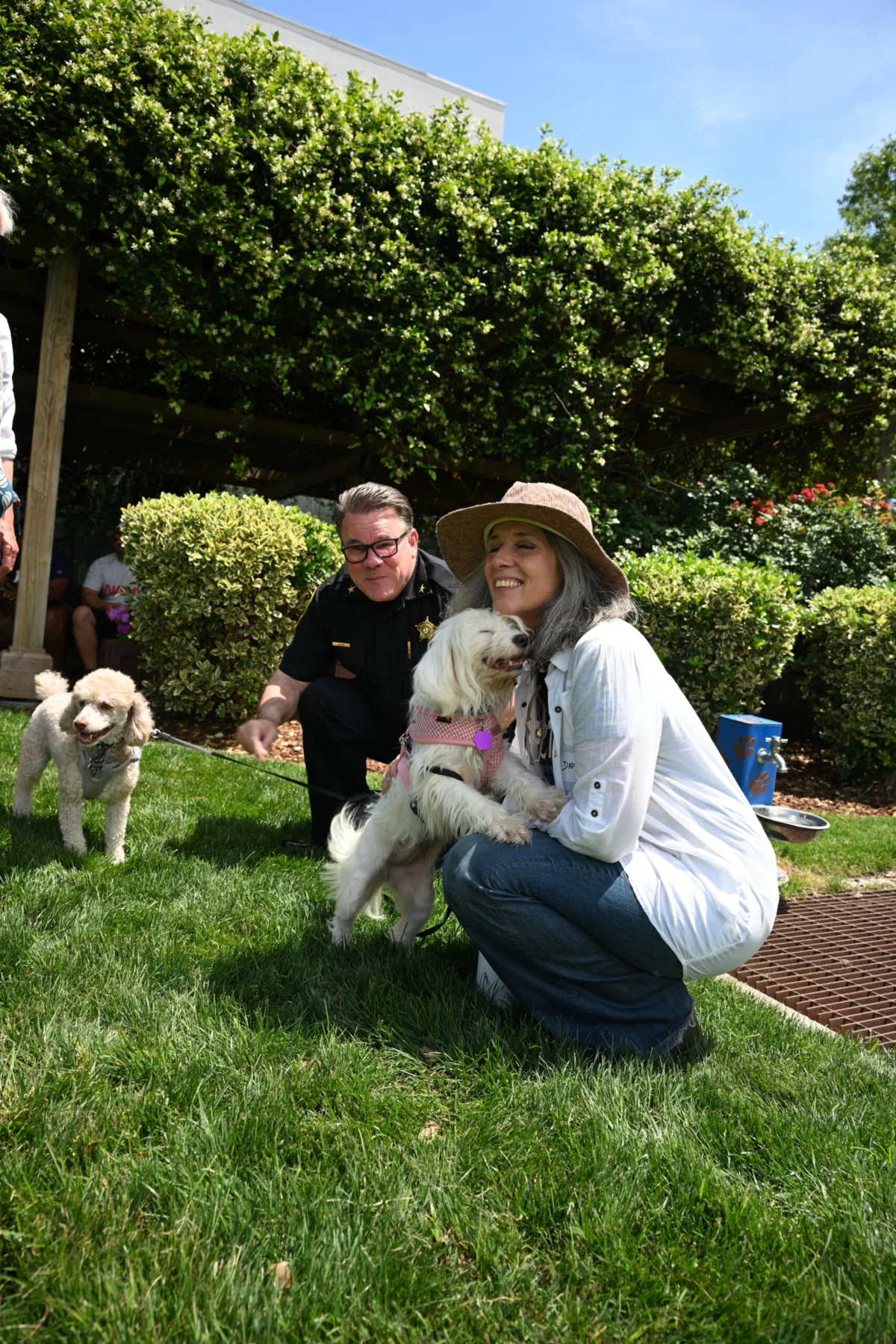
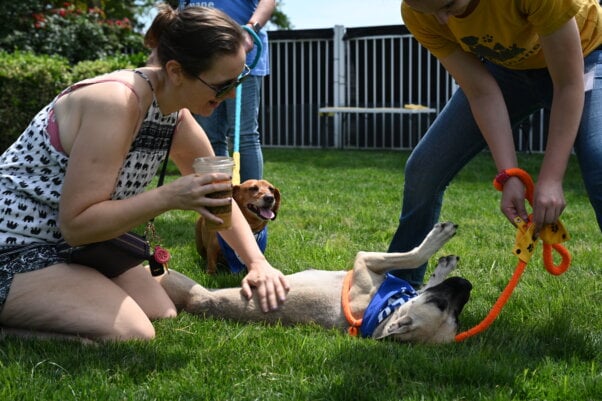
On a sun-drenched Saturday in early June, the waterfront of Norfolk, Virginia, transformed into a hub of canine activity as the annual Poochella festival returned to the Bea Arthur Dog Park. The event, organized to facilitate connections between homeless animals and prospective guardians, arrived at a critical juncture for regional animal welfare. As municipal shelters across the Hampton Roads area report record-high occupancy levels, the festival served as both a celebration of the human-canine bond and a high-stakes effort to alleviate the burden on the state’s overextended rescue infrastructure.
The festival, which has become a staple of the Norfolk community calendar, eschewed the traditional music festival model of chart-topping performers in favor of "tail-wagging headliners"—dozens of adoptable dogs from nine local shelters and rescue organizations. By the end of the day, the event had successfully facilitated numerous adoptions, including high-profile success stories that highlighted the efficacy of community-driven welfare initiatives.
A Strategic Chronology of Community Engagement
The planning for Poochella 2026 began months in advance, coordinated by People for the Ethical Treatment of Animals (PETA) in collaboration with a coalition of local shelters. The timing of the event, held on the first Saturday of June, was strategically chosen to coincide with the beginning of the summer season—a period traditionally associated with a spike in animal surrenders and a slowdown in adoption rates.
The gates at the Bea Arthur Dog Park opened at 10:00 AM, welcoming a diverse crowd ranging from families looking for their first pet to seasoned animal advocates. Throughout the morning, representatives from nine distinct shelters, including municipal facilities and private rescues, showcased dogs of various breeds, ages, and temperaments. Each animal was vetted, vaccinated, and prepared for immediate transition into a foster or permanent home.
By midday, the festival reached peak attendance. The schedule included interactive demonstrations from professional dog trainers who provided attendees with essential care tips and behavioral guidance. These educational sessions were designed to address one of the primary reasons for animal surrender: a lack of understanding regarding pet behavior and maintenance. By providing prospective owners with the tools for success before they left the park, organizers aimed to ensure that the adoptions facilitated during the event would be permanent.
As the afternoon progressed, the event shifted focus toward community recognition. Local officials and public figures mingled with the crowd, lending their platforms to the "Adopt, Don’t Shop" message. The event concluded in the late afternoon with several "gotcha day" ceremonies, where new families officially signed adoption papers, marking a successful end to the day’s primary mission.
Data and the Reality of the Shelter Crisis
The festive atmosphere of Poochella stood in stark contrast to the sobering statistics currently defining the American animal welfare landscape. According to national data from organizations such as Shelter Animals Count, approximately 6.3 million companion animals enter U.S. animal shelters every year. Of those, roughly 3.1 million are dogs. While adoption rates have seen a gradual increase over the last decade, the number of animals entering shelters continues to outpace the number of available homes in many jurisdictions.
In the Hampton Roads region specifically, municipal shelters have reported that they are operating at or above 110% capacity. This overcrowding is attributed to a "perfect storm" of economic factors: rising inflation affecting the cost of pet food and veterinary care, a lack of pet-friendly affordable housing, and the lingering effects of the post-pandemic period where many "pandemic pets" were surrendered as owners returned to traditional work schedules.
Poochella was designed to combat these trends by lowering the barriers to adoption. By bringing animals out of the stressful environment of a kennel and into the open, social setting of a dog park, shelters were able to showcase the true personalities of the dogs. Data from previous years suggests that off-site adoption events like Poochella result in a 25% higher retention rate for adoptions compared to traditional shelter-based transactions.
The Role of Public Leadership and Local Governance
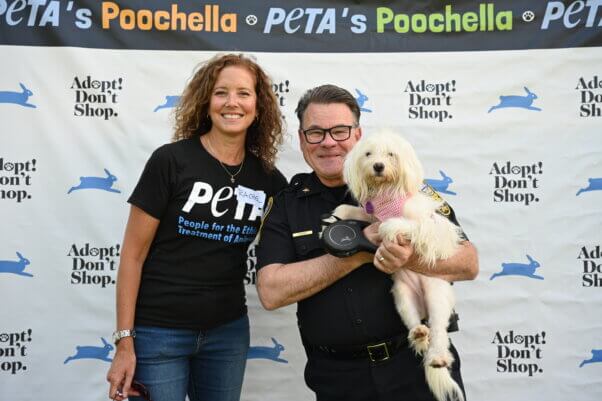
The success of Poochella was bolstered by the presence and vocal support of local leadership. Norfolk Councilwoman Courtney Doyle and Norfolk Sheriff Joe Baron were among the attendees, highlighting the intersection of animal welfare and civic responsibility.
Councilwoman Doyle, a longtime advocate for community development, noted that events like Poochella strengthen the social fabric of Norfolk. "Animal welfare is not just about the pets; it’s about the people and the kind of community we want to build," Doyle remarked during the event. Her presence underscored the city’s commitment to supporting non-profit initiatives that alleviate the financial and logistical strain on municipal animal services.
Sheriff Joe Baron’s participation focused on the therapeutic and rehabilitative aspects of the human-animal bond. The Sheriff’s Office has historically been involved in programs that utilize animal interaction for community outreach. His endorsement of the adoption festival served as a reminder that public safety and animal welfare are often linked, as communities that prioritize the humane treatment of animals often see lower rates of domestic neglect and increased civic engagement.
Success Stories: The Case of Dos
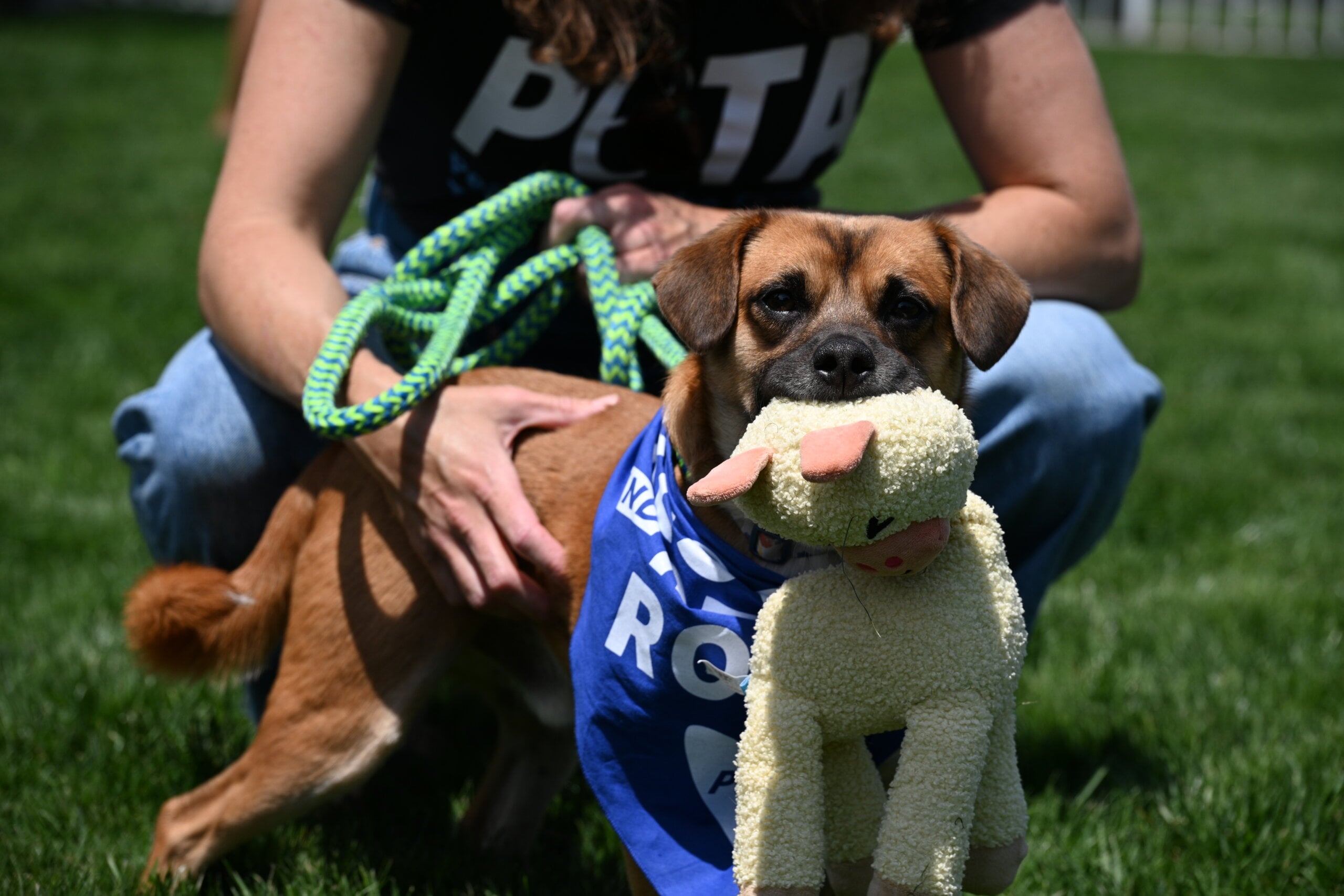
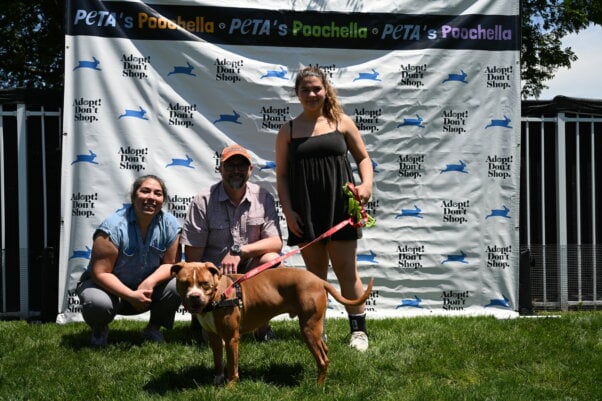
While the statistics provide a macro-level view of the crisis, the success of Poochella is best measured through individual stories. One of the most celebrated moments of the 2026 festival was the adoption of "Dos," a dog who had spent a significant amount of time in the shelter system.
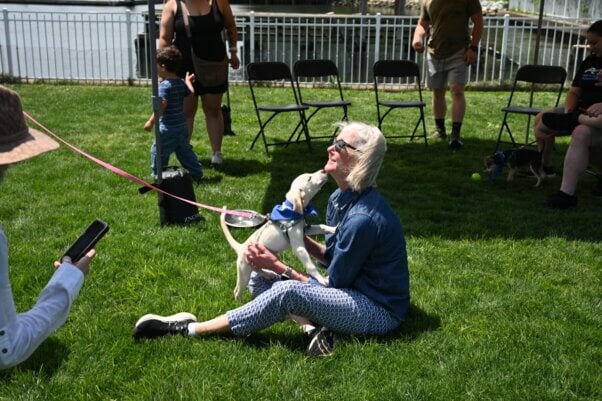
Dos, who had been characterized as a "long-stayer" due to his age and a previous history of being overlooked in a kennel environment, found his "fur-ever" family within hours of the festival’s opening. His story serves as a case study for why Poochella is necessary. In a traditional shelter, older dogs or those without "designer" breed characteristics often face an uphill battle. However, in the high-energy, positive environment of the Bea Arthur Dog Park, Dos was able to demonstrate his calm demeanor and compatibility with children, leading to an immediate connection with a local family.
Organizers pointed to Dos as the "heart of the festival," noting that for every animal like him that finds a home, space is cleared in a shelter for another animal in desperate need of rescue.
The Ethical Intersection: Plant-Based Advocacy and Animal Welfare
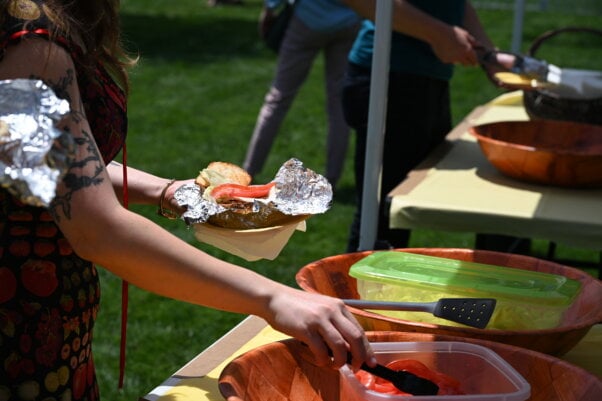
A unique aspect of Poochella was its commitment to a holistic view of animal rights. In keeping with the mission of the event’s organizers, the festival featured entirely vegan catering. Abbots, a prominent plant-based food company, donated vegan burgers for the attendees, drawing a direct line between the compassion shown to companion animals and the broader ethical considerations regarding all animals.
This "compassionate consumption" model is an intentional part of the Poochella brand. By providing high-quality, plant-based alternatives, the event organizers sought to demonstrate that animal advocacy can extend into daily lifestyle choices. For many attendees, the festival provided their first experience with modern vegan cuisine, further enriching the event’s educational value.
Broader Implications: The Battle Against the Pet Trade
Beyond the immediate goal of adoption, Poochella served as a platform for a broader critique of the commercial pet trade. Advocacy groups at the event provided literature and data regarding the impact of breeders and pet stores on the homelessness crisis.
The central argument presented was one of supply and demand: for every animal purchased from a breeder or a retail outlet, a shelter animal loses an opportunity for a home. The "pet trade" is often cited by welfare experts as a primary driver of overpopulation. Irresponsible breeding practices, particularly "puppy mills," contribute thousands of animals to the market annually, many of whom eventually end up in the shelter system when they develop health or behavioral issues common in mass-produced animals.
The festival emphasized the importance of the "Spay and Neuter" movement. Veterinary professionals on-site discussed how sterilization is the only 100% effective method for curbing the animal homelessness crisis at its source. By preventing unplanned litters, the community can eventually reach a state where the number of animals born matches the number of available, loving homes.
Looking Ahead: A Sustainable Model for Animal Rescue
As the final tents were packed away at the Bea Arthur Dog Park, the impact of Poochella 2026 continued to resonate. The event succeeded in placing dozens of dogs into homes, but its long-term value lies in the awareness it raised.
The "Poochella" model—combining festival culture, celebrity endorsement, and high-visibility community spaces—offers a blueprint for other cities grappling with shelter overcrowding. By transforming the adoption process from a somber trip to a kennel into a vibrant community celebration, organizations can change the public perception of rescue animals.
For those who were unable to attend the festival, the message remains clear: the crisis of animal homelessness requires a collective solution. Shelters remain at capacity, and the need for foster homes and permanent guardians is constant. As Norfolk looks forward to the next iteration of the festival, the success of Dos and his peers stands as a testament to what can be achieved when a community chooses to "adopt, not shop."
The organizers have encouraged anyone interested in adding a companion animal to their home to contact local shelters or email PETA’s adoption coordinators. As the 2026 event proved, the hottest ticket in town isn’t a concert—it’s the chance to save a life.

