


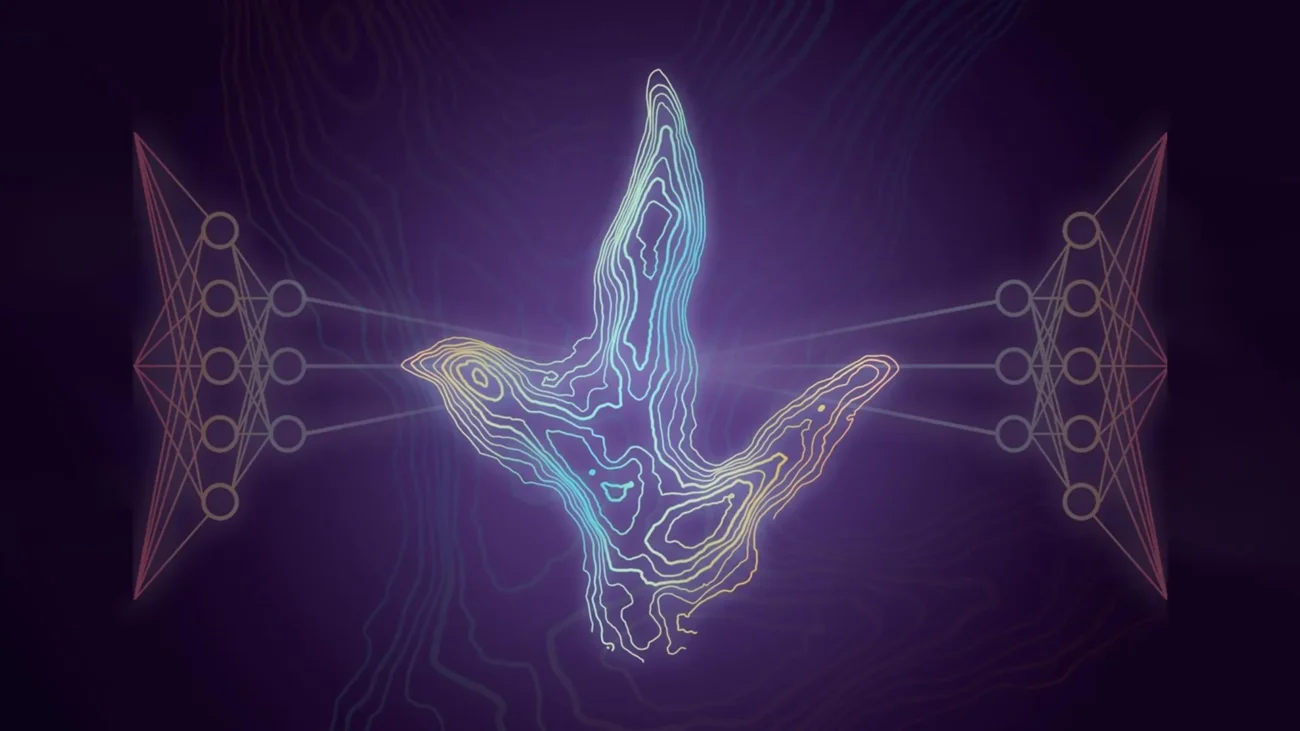
A groundbreaking application of artificial intelligence (AI) is poised to transform our understanding of prehistoric life, offering both scientists and the general public an unprecedented tool for identifying dinosaur footprints. Developed by a collaborative team of researchers, this innovative technology, detailed in a recent study, promises to demystify fossilized tracks that have long presented formidable challenges to paleontological interpretation. By converting simple smartphone images into sophisticated analyses, the DinoTracker app is set to democratize paleontological research and shed new light on the behavior, evolution, and distribution of dinosaurs millions of years ago.
The Enduring Enigma of Fossilized Tracks
For decades, the study of ancient footprints has been a cornerstone of paleontology, providing invaluable clues about the locomotion, social behaviors, and dietary habits of extinct animals. However, the interpretation of these fossilized impressions has frequently been a source of debate and uncertainty among experts. Dinosaur tracks, ranging from the colossal prints of sauropods to the delicate impressions of theropods, often carry the weight of millions of years of geological transformation. The very processes that preserve these ephemeral records – sedimentation, compression, erosion, and mineralization – can also distort their original forms, leading to ambiguities in classification.
Historically, paleontologists have relied on meticulous manual comparison of track morphology with known dinosaur skeletons and ichnofossil records. This process, while valuable, was time-consuming and susceptible to subjective interpretation. Different researchers might arrive at differing conclusions about the identity of a track-maker, particularly when dealing with incomplete or unusually preserved specimens. Such disputes could hinge on subtle variations in toe spread, claw marks, stride length, or the depth of the impression, all of which can be altered by substrate consistency and post-depositional processes. The classification of tracks as belonging to meat-eating predators, herbivorous dinosaurs, or even early avian ancestors has often been a carefully considered, yet sometimes contentious, exercise.
DinoTracker: From Photo to Paleontological Insight
The newly developed DinoTracker app represents a significant leap forward, enabling users to upload photographs or drawings of dinosaur footprints via their mobile devices and receive an immediate, data-driven analysis. The AI at the heart of the application meticulously evaluates the shape, structure, and key features of the track, providing an educated estimate of the dinosaur species most likely responsible for its creation. This immediate feedback loop not only accelerates the identification process but also empowers a broader audience, including amateur enthusiasts and citizen scientists, to contribute to the vast repository of paleontological knowledge.
The significance of fossilized footprints cannot be overstated. They offer a dynamic window into the past, revealing how dinosaurs navigated their environments, interacted with each other, and adapted to diverse ecological niches. Unlike skeletal remains, which represent individual organisms, trackways can provide insights into the movement patterns and group dynamics of multiple individuals over time. However, as previous research has indicated, the inherent variability and potential for distortion in these fossilized impressions have long presented a significant hurdle to comprehensive understanding.
Moving Beyond Manual Databases: The AI Advantage
Prior to the advent of AI-driven solutions like DinoTracker, paleontologists largely depended on manually curated databases. These digital archives typically linked specific footprint types (ichnotaxa) to known dinosaur genera or species. While functional, this approach had inherent limitations. The creation and maintenance of such databases were laborious, and their effectiveness was contingent on the quality and consistency of the data input. Furthermore, expert bias could inadvertently creep into the classification process, especially when faced with ambiguous or debated fossil evidence. The subjective element, inherent in any manual classification system, could lead to differing interpretations and hinder the establishment of definitive consensus.
To overcome these limitations, a pioneering research team, spearheaded by the Helmholtz-Zentrum research centre in Berlin and undertaken in collaboration with the University of Edinburgh, has developed sophisticated algorithms. These advanced AI algorithms are designed to enable computers to learn and discern the intricate variations in dinosaur footprint morphology independently, a process known as machine learning. This self-teaching capability allows the AI to identify patterns and distinctions that might elude human observation, particularly across vast datasets and subtle morphological variations.
The Training Ground: Real Fossils and Simulated Realities
The efficacy of any AI model hinges on the quality and breadth of its training data. The DinoTracker’s AI system was meticulously trained on a substantial dataset comprising nearly 2,000 meticulously documented, real fossil footprints. Complementing this empirical data were millions of additional simulated examples. These synthetic footprints were not mere abstract creations; they were engineered to replicate the realistic transformations and alterations that fossil footprints undergo during the preservation process. This included simulating effects such as compression from overlying sediment, edge displacement due to erosion or substrate deformation, and various degrees of fossilization. By exposing the AI to this comprehensive range of real-world and simulated scenarios, the researchers ensured its robustness and its ability to generalize to a wide spectrum of fossil evidence.
Decoding the Dino-Print: Key Features Identified by AI
The AI model was programmed to recognize and analyze eight critical features that collectively differentiate one type of dinosaur footprint from another. These key discriminators include:
- Toe Spread (Divergence): The angle at which the toes splay outwards, providing clues about the foot’s structure and the dinosaur’s gait.
- Heel Position: The relative placement and prominence of the heel impression, which can vary significantly between different dinosaur groups.
- Surface Area Contact: The total area of the footprint impressed upon the substrate, indicating the dinosaur’s weight and how it distributed it.
- Weight Distribution: How the dinosaur’s body weight was distributed across the different parts of its foot, offering insights into its biomechanics.
- Claw Mark Presence and Morphology: Whether claw marks are present, their length, sharpness, and curvature, which are strong indicators of dietary habits and locomotion (e.g., predatory vs. cursorial).
- Pad Impressions: The distinct shapes and arrangements of fleshy pads on the underside of the foot, if preserved.
- Stride Length and Width: The distance between successive footprints and the lateral separation of tracks, revealing information about gait, speed, and whether the dinosaur was walking or running.
- Track Depth and Outline: The degree to which the footprint is impressed into the substrate and the overall clarity of its edges, which can be influenced by substrate properties and the dinosaur’s weight.
Once these variations were analyzed, the AI system cross-referenced the input footprint with its vast database of known fossil examples. By identifying the closest matches based on these learned features, the system could then predict which dinosaur species or group most likely created the track.
A Benchmark of Accuracy: Performance Against Human Expertise
The effectiveness of the DinoTracker AI was rigorously evaluated. In head-to-head comparisons, the algorithm achieved an impressive classification accuracy of approximately 90 percent when matched against the assessments of seasoned human experts. This high level of agreement is particularly noteworthy because it extended even to species that are notoriously difficult to identify from their footprints, including those with controversial classifications or fragmentary fossil records. This demonstrates that the AI can not only replicate but, in some instances, potentially surpass the consistency of human interpretation, especially in complex cases.
Unexpected Avian Ancestry? A Surprising Revelation
One of the most startling discoveries to emerge from the AI’s analysis relates to footprints dating back over 200 million years. The system identified striking morphological similarities between certain ancient dinosaur tracks and the feet of both extinct and modern avian species. This finding has significant implications for our understanding of avian evolution.
According to the research team, these similarities could suggest that birds evolved considerably earlier than previously estimated, potentially emerging tens of millions of years before the currently accepted timeline. Alternatively, it is also possible that some early dinosaur lineages coincidentally evolved foot structures that closely mimicked those of birds, presenting a case of convergent evolution. Further research will be crucial to disentangle these possibilities and refine our timeline for the origins of flight and avian characteristics. This finding underscores the power of AI to uncover subtle relationships that might have been overlooked through traditional methods.
Unraveling Scotland’s Ancient Puzzlers
The AI system also provided novel insights into enigmatic footprints discovered on the Isle of Skye in Scotland. These tracks, formed on the muddy margins of a lagoon approximately 170 million years ago, have perplexed paleontologists for decades. The precise identity of the creatures that left these impressions has remained a subject of considerable speculation.
The DinoTracker’s analysis indicates that these mysterious footprints likely belong to some of the earliest known relatives of duck-billed dinosaurs (hadrosaurs). If confirmed, this would represent some of the oldest evidence of this prominent group of ornithischian dinosaurs identified anywhere in the world. This discovery pushes back the known temporal range of hadrosaur precursors and sheds light on their early diversification and geographical distribution during the Jurassic period.
Democratizing Paleontology: The Public’s Role in Discovery
Researchers emphasize that the DinoTracker technology is not merely a tool for academic research; it is designed to foster broader engagement with paleontology. By making sophisticated analysis accessible through a user-friendly app, it opens up exciting new avenues for public participation in fossil discovery and research. The ability for anyone to contribute an image of a footprint and receive an immediate analysis empowers a new generation of citizen scientists, potentially leading to the identification of new fossil sites and accelerating the pace of paleontological discovery.
The study detailing this innovative AI application was published in the prestigious scientific journal PNAS (Proceedings of the National Academy of Sciences). The research received vital funding from a consortium of esteemed institutions, including the innovations pool of the BMBF-Project: Data-X, the Helmholtz project ROCK-IT, the Helmholtz-AI project NorMImag, the National Geographic Society, and the Leverhulme Trust. This collaborative financial support highlights the recognized importance and potential impact of this interdisciplinary research.
Dr. Gregor Hartmann of the Helmholtz-Zentrum research centre, a lead researcher on the project, commented on the significance of their work: "Our method provides an unbiased way to recognize variation in footprints and test hypotheses about their makers. It’s an excellent tool for research, education, and even fieldwork." His statement underscores the multifaceted utility of the AI, positioning it as a valuable asset across various domains of scientific endeavor and public engagement.
Professor Steve Brusatte, Personal Chair of Palaeontology and Evolution at the School of GeoSciences, who was not directly involved in the study but is a leading figure in the field, lauded the research: "This study is an exciting contribution for paleontology and an objective, data-driven way to classify dinosaur footprints – something that has stumped experts for over a century. It opens up exciting new possibilities for understanding how these incredible animals lived and moved, and when major groups like birds first evolved. This computer network might have identified the world’s oldest birds, which I think is a fantastic and fruitful use for AI." Professor Brusatte’s endorsement highlights the transformative potential of AI in addressing long-standing scientific challenges and pioneering new avenues of inquiry. The prospect of AI identifying the earliest avian ancestors is particularly captivating, hinting at a future where computational tools unlock profound evolutionary secrets.
Broader Implications and Future Directions
The development and deployment of the DinoTracker app represent a pivotal moment in paleontology. By leveraging the power of artificial intelligence, researchers can now analyze vast quantities of fossil track data with unprecedented speed and objectivity. This has the potential to:
- Accelerate Discovery: Quicker identification of footprints can lead to more rapid classification and a more comprehensive understanding of dinosaur diversity and distribution across geological time and geographical regions.
- Resolve Debates: The unbiased nature of AI analysis can help to resolve long-standing debates among paleontologists regarding the identity of track-makers, providing a data-driven consensus.
- Refine Evolutionary Timelines: Discoveries, such as the potential early evolution of avian features, necessitate a re-evaluation of established evolutionary timelines and branching points.
- Enhance Paleoecological Reconstructions: A more accurate understanding of the types of dinosaurs present in specific locations and time periods allows for more detailed and accurate reconstructions of ancient ecosystems.
- Foster Global Collaboration: The accessibility of the app can encourage international collaboration, allowing researchers from diverse backgrounds to contribute to and benefit from a shared global database of fossil footprints.
Looking ahead, the researchers plan to further refine the AI model by incorporating additional data, including 3D scans of footprints, which can provide even more detailed morphological information. The potential exists to expand the app’s capabilities to include the identification of other fossilized animal traces, such as coprolites (fossilized feces) or bite marks. The DinoTracker app stands as a testament to the synergistic potential of human scientific inquiry and artificial intelligence, promising to rewrite chapters of Earth’s ancient history and inspire a new wave of paleontological exploration.

