


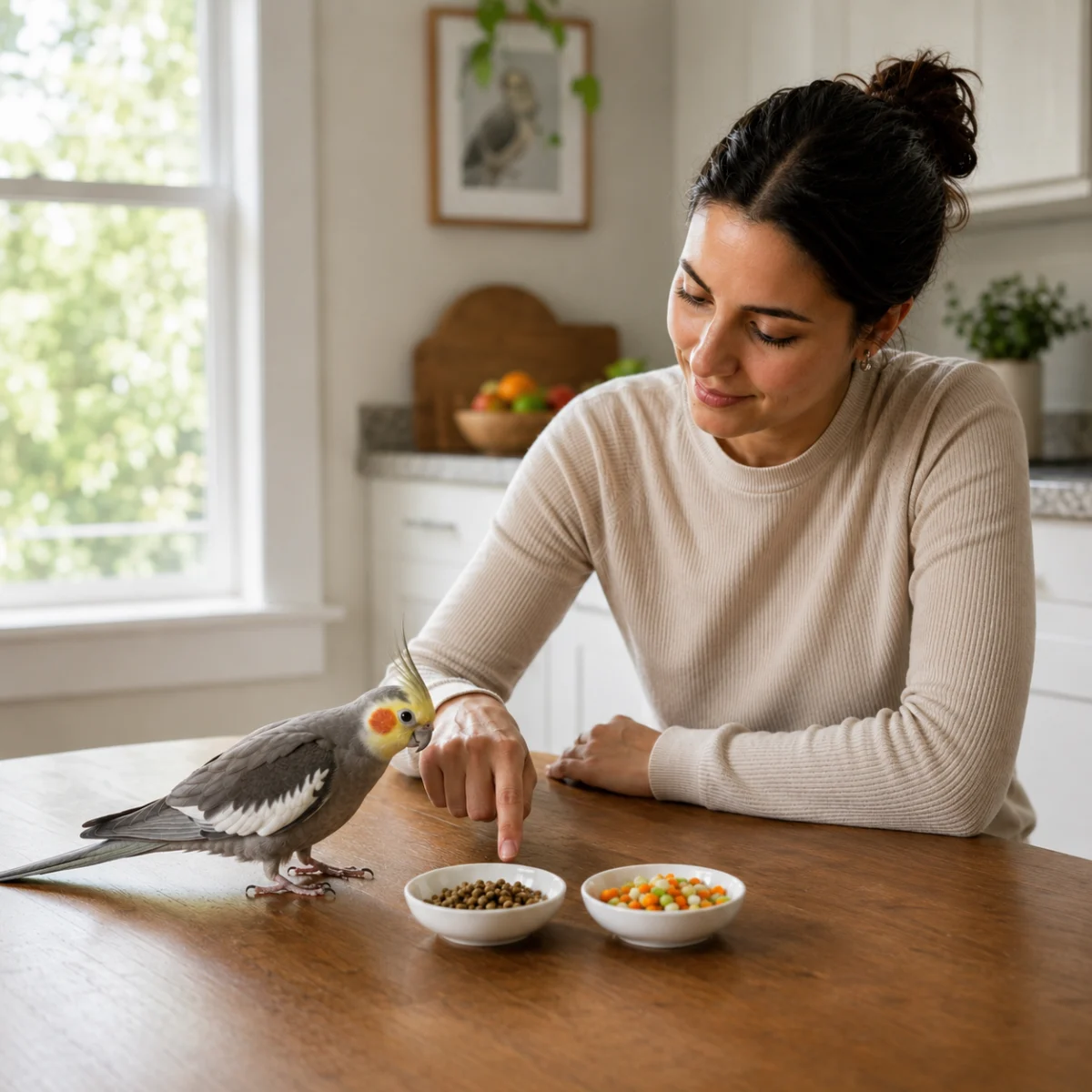
The pervasive issue of seed addiction in pet birds represents a significant health challenge for companion parrots, cockatiels, budgies, conures, African greys, Amazons, and cockatoos alike. While owners inherently understand that a diet founded on nutritionally complete pellets and fresh foods offers a superior basis for avian well-being, the practical journey of transitioning a bird away from a lifelong seed preference is rarely straightforward. Birds, like humans, exhibit diverse personalities and learned behaviors; some are innately curious and respond well to gentle encouragement, others are cautious and thrive on routine, while a subset comprises remarkably astute "seed-focused masterminds" adept at selectively consuming their preferred items, discarding less desirable options, or simply waiting for their owner to capitulate. Recognizing this behavioral spectrum, a one-size-fits-all approach to pellet conversion is not only ineffective but can also be detrimental. Instead, selecting a conversion method tailored to an individual bird’s behavioral patterns offers the safest and most successful pathway to improved nutrition. This comprehensive guide, drawing upon recent scientific evaluations, delves into three evidence-based bird diet conversion methods—Birdie’s Choice, Slow and Steady, and Tough Love—providing a framework for owners to make an informed, bird-specific decision. For those whose primary concern is the risk of starvation during dietary changes, a thorough understanding of pellet refusal and safety protocols should precede method selection.
The Evolution of Avian Nutrition: From Seed to Science
For decades, the standard diet for pet birds was predominantly seed-based. This practice stemmed from a historical lack of understanding regarding the specific nutritional needs of psittacine birds in captivity, combined with the convenience and palatability of seeds. Owners often assumed that because wild birds eat seeds, a seed-heavy diet was natural and sufficient for their companions. However, the diets of wild parrots are incredibly diverse, comprising a wide array of seeds, nuts, fruits, flowers, leaves, and insects, varying significantly with seasonal availability and geographical location. This natural foraging behavior provides a complex nutritional profile far removed from the monotonous, high-fat, nutrient-poor seed mixes commonly found in pet stores.
As avian veterinary science advanced, particularly from the mid-20th century onwards, research began to illuminate the severe nutritional deficiencies inherent in seed-only diets. Studies revealed that seeds are typically high in fat, deficient in essential vitamins (especially Vitamin A), minerals (like calcium), and certain amino acids. Furthermore, they often have an inverted calcium-to-phosphorus ratio, which can lead to significant metabolic bone disease and other skeletal issues. These nutritional imbalances became directly linked to a litany of common avian health problems seen in clinical practice, including liver disease (hepatic lipidosis), kidney dysfunction, obesity, feather abnormalities, weakened immune systems, and reproductive complications.
The scientific community, led by pioneering avian veterinarians and nutritionists, recognized the urgent need for a complete and balanced captive diet. This led to the development of pelleted diets, formulated to provide all the necessary nutrients in each bite, thereby eliminating the bird’s ability to selectively eat only their preferred, often less nutritious, components. The introduction of pellets marked a paradigm shift in companion bird care, moving away from anecdotal feeding practices towards a foundation of scientifically formulated nutrition. This evolution, spanning several decades, has culminated in the widespread recommendation of pellets as the cornerstone of a pet bird’s diet, supplemented by a variety of fresh vegetables, fruits, and occasional healthy treats.
Understanding the Behavioral Hurdles of Dietary Change
The journey from a seed-dominant diet to a pelleted one is as much a behavioral challenge as it is a nutritional one. Birds, particularly parrots, are highly intelligent creatures with strong routines and a natural neophobia—an innate fear of new objects or foods. This survival instinct, crucial in the wild for avoiding toxic plants, can make introducing novel foods a significant hurdle in captivity. For a bird accustomed to seeds for its entire life, a pellet is not merely a different food item; it’s an unfamiliar texture, shape, smell, and taste, often perceived as potentially dangerous or, at best, inedible.
Owners often report that their birds will meticulously pick around pellets, deftly flick them out of the bowl, or even dump entire food dishes in protest, waiting patiently for the return of their beloved seeds. This behavior is not malicious; it is a combination of instinct, learned preference, and a profound attachment to what is known and safe. From the owner’s perspective, the process is often fraught with anxiety, guilt, and the very real fear that their beloved companion might starve if deprived of familiar foods. This emotional component can inadvertently reinforce seed preference if owners, out of concern, frequently reintroduce seeds, teaching the bird that persistence pays off. Therefore, successful dietary conversion requires not only a sound nutritional strategy but also a deep understanding of avian psychology and consistent, calm execution on the part of the owner.
Evidence-Based Strategies: The Cummings et al. (2022) Study
A pivotal moment in solidifying evidence-based approaches to avian dietary conversion came with the publication of "An evaluation of three diet conversion methods in psittacine birds converting from seed-based diets to pelleted diets" by Cummings, Hess, Spielvogel, and Kottwitz in the Journal of Avian Medicine and Surgery in 2022. This study provided a structured, scientific assessment of various methods, moving beyond anecdotal recommendations to offer data-driven guidance for avian professionals and pet owners.
The research aimed to evaluate the efficacy and safety of three distinct pellet conversion methods: Birdie’s Choice, Slow and Steady, and Tough Love, when applied to psittacine birds transitioning from seed-based to pelleted diets. Crucially, the study emphasized a structured methodology coupled with rigorous monitoring of key safety parameters, including appetite, droppings, activity levels, body weight, and body condition. The point was not to force birds to eat through starvation, but to implement a controlled process that prioritized the bird’s welfare while facilitating dietary improvement. This study underscored the importance of an individualized approach, recognizing that different birds would respond best to different strategies, and provided the empirical foundation for the method selector guide.
Choosing Your Path: Matching Method to Bird Behavior
The core principle behind successful pellet conversion is customization. Instead of randomly mixing pellets into seed or fluctuating between different strategies, a deliberate choice based on your bird’s unique personality and interaction style with new foods will yield the most consistent and safest results.
1. Birdie’s Choice: For the Curious and Social Explorer
- Best For: Curious, social, finger-tame birds who enjoy attention, exploration, and flock-style encouragement. This method often works exceptionally well for smaller ground-feeding species like budgies and cockatiels, but can be effective for any bird willing to engage interactively.
- How it Works: This is the most interactive of the three methods. The owner offers a few different pellet options, often presented in novel ways (e.g., on a clean surface, in a foraging toy, or from the hand). The owner then actively encourages the bird through praise, positive attention, and social modeling (e.g., pretending to eat the pellets, tapping near them to show interest, or making them appear socially safe). The goal is to make the pellets an intriguing, low-pressure experience. The pellet type that garners the most interaction or interest then becomes the primary pellet introduced into the bird’s regular feeding area. This method leverages a bird’s natural social instincts and curiosity, making the new food discovery a shared, positive event.
- Not Best For: Fearful, aggressive, untameable birds, or owners unable to provide close, consistent supervision. If a bird refuses to engage with the owner or the pellets in this interactive setting, a more structured approach may be necessary.
2. Slow and Steady: For the Cautious and Routine-Driven
- Best For: Cautious, routine-driven, or less tame birds who may be easily overwhelmed by change and require predictable exposure to new items. This method can also be appealing to owners who are nervous about making rapid changes.
- How it Works: This method focuses on timed, predictable exposure to pellets while gradually reducing familiar seed. Pellets are offered at specific times of the day, particularly when the bird is naturally most inclined to forage (e.g., early morning, late afternoon). Familiar seed is provided in smaller, controlled portions, gradually tapered over time. Pellets remain consistently available and fresh, allowing the bird to encounter them as a normal, non-threatening food option. The consistency of the routine helps cautious birds acclimatize without feeling pressured.
- Not Best For: Birds who are adept at "waiting out" their owners, understanding that refusing pellets will eventually lead to more seed. This method also requires strict discipline from the owner to adhere to the timing and tapering plan, resisting the urge to add more seed out of fear. Its success hinges on consistent adherence to the structure.
3. Tough Love: For the Selective and Seed-Focused
- Best For: Healthy, selective birds who consistently pick around pellets, dump bowls, or manipulate mixed diets to consume only seeds. It is also suitable for birds that eat a variety of other foods but steadfastly refuse pellets.
- How it Works: This method involves maximum pellet exposure, designed to make pellets harder to avoid and easier to encounter throughout the bird’s daily routine. Pellets are placed in multiple, preferred locations within the cage or play area, while a very small, controlled amount of familiar seed is offered in a less preferred, less accessible location (e.g., a foraging toy, a separate bowl that requires effort to reach). Crucially, "Tough Love" does not mean starvation; it means making pellets the primary, most accessible food source. This strategy forces the bird to interact with pellets more frequently, increasing the likelihood of acceptance.
- Not Best For: This method is categorically inappropriate for sick, underweight, elderly, very tiny species, egg-bound, or medically fragile birds without direct, ongoing guidance from an avian veterinarian. It also requires an owner who can remain calm, consistent, and meticulously monitor their bird’s health parameters without panicking and reverting to seed. The risks associated with this method for vulnerable birds are too high to undertake without expert medical supervision.
Paramount Safety Protocols and Veterinary Collaboration
Regardless of the chosen method, the overriding principle of any dietary conversion must be the bird’s safety and well-being. A conversion should never proceed if the bird is showing signs of distress or illness.
-
Continuous Monitoring: Owners must diligently monitor several key indicators throughout the process:
- Body Weight: Daily weighing with a gram scale is non-negotiable. This provides objective data on intake. A loss of more than 3% of body weight in a single week, or more than 10% of total body weight during the entire conversion period, signals a critical safety threshold.
- Droppings: Observe the frequency, volume, color, and consistency of droppings. A significant reduction in droppings or changes in their appearance (e.g., dry, dark, watery) can indicate insufficient food intake or dehydration.
- Appetite and Water Intake: Note whether the bird is showing interest in food (even if not eating much) and if water consumption remains normal.
- Activity Level and Behavior: A healthy bird should remain active, vocal, and engaged. Lethargy, fluffed feathers, prolonged sleeping, weakness, shakiness, or a dramatic change in typical behavior are serious red flags.
- Body Condition: Gently palpate the bird’s keel bone to assess muscle mass. A prominent, sharp keel indicates significant weight loss.
-
When to Call an Avian Vet: The decision to pause or stop a conversion method and seek veterinary help is a sign of responsible pet ownership, not failure. Owners should contact an avian veterinarian immediately if any of the following occur:
- Weight loss exceeds the safety thresholds (3% weekly, 10% total).
- The bird appears fluffed, weak, lethargic, sleepy, or less responsive.
- There is a noticeable decrease in droppings or changes in their consistency.
- The bird stops eating or drinking entirely.
- Signs of vomiting, labored breathing, or sitting low on the perch appear.
- For medically fragile, underweight, elderly, or very tiny birds, a pre-conversion check-up is strongly recommended to establish a baseline and discuss a tailored, medically supervised plan.
Broader Impact and Long-Term Implications
Successfully transitioning a bird to a pelleted diet has profound, long-term implications for their health, longevity, and overall quality of life, as well as for the owner’s experience.
- Improved Health and Longevity: A balanced diet is the cornerstone of preventative health. Birds on pelleted diets, supplemented with fresh foods, experience a reduced incidence of diet-related diseases such as hepatic lipidosis, kidney failure, and obesity. They often exhibit better feather quality, increased energy levels, improved immune function, and a generally more vibrant demeanor. This translates directly to a longer, healthier life for the bird.
- Reduced Veterinary Costs: While an initial investment in quality pellets and potentially an avian vet check-up might seem like an expense, it is often a preventative measure that significantly reduces the likelihood of costly treatments for diet-induced illnesses later in life. Proactive dietary management is a cost-effective strategy for avian care.
- Enhanced Human-Animal Bond: A healthy bird is a happy bird, and a happy bird is a more interactive, playful, and affectionate companion. The process of conversion, when undertaken with patience and care, can even strengthen the bond between owner and bird, as it involves focused interaction and positive reinforcement.
- Owner Empowerment: Providing clear, evidence-based methods empowers owners, replacing anxiety and guesswork with a structured plan. This reduces the emotional burden and fear often associated with dietary changes, allowing owners to feel confident and competent in providing optimal care.
- Advancing Avian Welfare: The shift towards evidence-based nutrition signifies a broader advancement in companion animal welfare, emphasizing scientific understanding over tradition or convenience.
Beyond Pellets: Integrating Fresh Foods
While pellets form the foundational, balanced base of a bird’s diet, they are not meant to be the sole food source. Birds thrive on variety, which provides additional nutrients, antioxidants, and crucial mental and physical enrichment. Fresh foods—such as a diverse "chop" mix of finely diced vegetables, dark leafy greens, sprouts, and limited amounts of fruit—are vital components of a healthy avian lifestyle.
The same learning principles applied during pellet conversion can be effectively utilized for introducing fresh foods. Birds may exhibit similar neophobia towards unfamiliar vegetables as they do towards pellets. Repeated, low-pressure exposure, offering different textures (raw, steamed, grated, whole pieces), social modeling, and patience are key. Some birds prefer finely minced chop, while others enjoy larger pieces they can hold and shred. It’s important to remember that while pellets provide the complete nutritional baseline, fresh foods offer the vibrant, enriching layer that mimics the dietary complexity a bird would seek in the wild. For a comprehensive fresh-food plan, this pellet foundation serves as an excellent starting point, which can then be expanded upon with dedicated guides for vegetable and chop training.
Conclusion
Successfully navigating the transition from a seed-heavy diet to one centered on nutritionally complete pellets is one of the most impactful actions a bird owner can take to safeguard their companion’s health. By understanding the historical context of avian nutrition, acknowledging the behavioral complexities involved, and, most importantly, adopting an evidence-based method tailored to their bird’s individual personality, owners can achieve this vital goal safely and effectively. The journey demands patience, consistency, and vigilant monitoring, but the rewards—a healthier, happier, and longer-lived feathered friend—are immeasurable. The mission is not to engage in a food battle, but to provide a structured path away from seed dominance, protecting the bird’s weight, confidence, and overall well-being every step of the way.

