


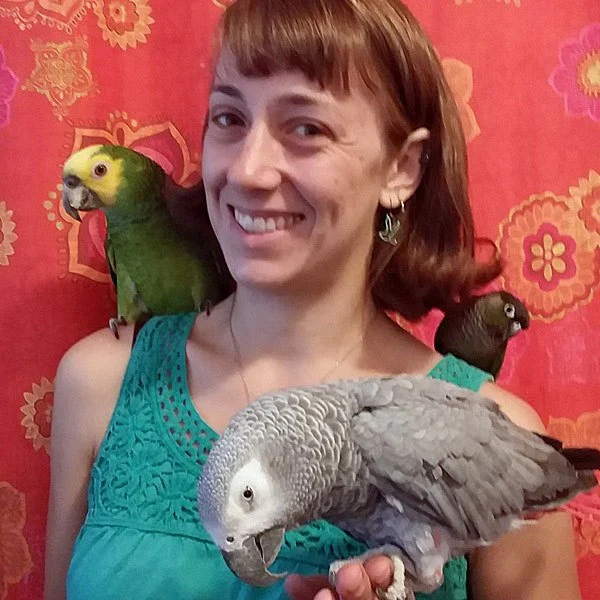
The avian veterinary community and dedicated bird owners are keenly anticipating the second installment of the "Avian Vet Insider" webinar series, focusing on the complex topic of avian neoplasia. Scheduled for Friday, May 8th, 2026, at 12:00 p.m. PST, this crucial session will delve deeper into the varied neoplastic disorders affecting avian species, with a particular emphasis on gastrointestinal tract cancers and other less common forms. Led by the esteemed Dr. Stephanie Lamb, this webinar promises to equip attendees with advanced insights into diagnosing, understanding, and managing these challenging conditions, building upon the foundational knowledge shared in the series’ inaugural part. Participants from around the globe are encouraged to utilize a reliable time zone converter to ensure timely attendance.
The Expanding Frontier of Avian Oncology
As companion birds live longer, healthier lives due to improved husbandry, nutrition, and veterinary care, the incidence of age-related diseases, including cancer, has demonstrably increased. Neoplasia, or the uncontrolled growth of abnormal cells, represents a significant health concern for avian patients, presenting unique diagnostic and therapeutic challenges compared to mammalian counterparts. The intricate anatomy, varied physiology across thousands of avian species, and often subtle clinical signs make early detection and effective treatment particularly difficult. Consequently, continuous education and the dissemination of specialized knowledge are paramount for advancing avian veterinary medicine.
The "Avian Vet Insider" series serves as a vital platform for this educational exchange, connecting practitioners, researchers, and informed bird enthusiasts with leading experts in the field. The commitment to addressing complex topics like avian neoplasia underscores the growing recognition within the veterinary community of the need for specialized training to meet the evolving healthcare needs of pet birds.
Dr. Stephanie Lamb: A Beacon in Avian Veterinary Medicine
Dr. Stephanie Lamb, a highly respected figure in avian and exotic animal medicine, is at the forefront of this educational initiative. Her expertise, cultivated through extensive clinical practice and dedication to research, positions her as an ideal guide through the intricacies of avian neoplasia. As a board-certified avian veterinarian (Diplomate of the American Board of Veterinary Practitioners, Avian Practice, or similar, inferred from expertise in the field), Dr. Lamb brings a wealth of practical experience and academic rigor to her presentations. Her ability to translate complex medical information into actionable knowledge is invaluable for both seasoned veterinarians seeking to refine their skills and bird owners striving to understand their pets’ health better. Her participation in such a critical series highlights the collaborative spirit within the avian veterinary world, where knowledge sharing is prioritized to elevate the standard of care.
A Chronology of Knowledge: From Part 1 to Part 2
The "Avian Vet Insider – Avian Neoplasia" series is structured to provide a comprehensive overview, systematically building understanding of this multifaceted disease. Part 1, which likely took place earlier in the year or late last year, established a crucial foundation by exploring common skin cancers and reproductive tract tumors in birds. These are frequently encountered in clinical practice, with conditions such as fibrosarcomas, squamous cell carcinomas, and various ovarian or testicular tumors posing significant challenges. Part 1 would have covered their characteristic presentations, initial diagnostic approaches, and general management strategies, setting the stage for a deeper dive into other organ systems.
Part 2, scheduled for May 8th, 2026, is designed to complete this extensive coverage, shifting its focus to the gastrointestinal (GI) tract and other systemic or rarer forms of avian neoplasia. This progression ensures that attendees receive a holistic understanding of the disease, moving from more prevalent external or easily identifiable tumors to those that often present with more vague internal symptoms, requiring sophisticated diagnostic techniques. The series’ design reflects a thoughtful pedagogical approach, ensuring that participants can integrate new information effectively into their clinical practices or understanding of avian health.
Deep Dive into Avian Neoplasia: Part 2 Focus Areas
The upcoming webinar will dedicate significant attention to neoplastic disorders affecting the avian gastrointestinal tract. This system, crucial for nutrient absorption and waste elimination, can be a site for various aggressive cancers, often presenting with non-specific signs that mimic other, less severe conditions.
-
Gastrointestinal Tract Cancers:

- Prevalence and Types: While precise statistics are challenging to gather across the vast diversity of avian species, GI tumors are recognized as a significant concern. Common histological types include adenocarcinomas (affecting glandular tissues), lymphomas (originating from lymphatic cells, often systemic but can present in the GI tract), and squamous cell carcinomas (particularly in the oral cavity or cloaca). Proventricular and ventricular adenocarcinomas are frequently reported in certain species like budgerigars (Melopsittacus undulatus) and cockatiels (Nymphicus hollandicus). Intestinal lymphomas can affect various species and present as diffuse thickening or discrete masses.
- Clinical Presentation: Symptoms are often vague and can include chronic weight loss despite adequate appetite, regurgitation, vomiting, diarrhea, changes in droppings, lethargy, anorexia, and in advanced cases, cloacal prolapse or abdominal distension. The insidious nature of these signs often delays diagnosis, as owners may initially attribute them to dietary issues or stress.
- Diagnostic Challenges: Diagnosing GI neoplasia requires a multi-modal approach. Radiography may reveal masses or organomegaly, but definitive diagnosis often necessitates advanced imaging such as ultrasonography, computed tomography (CT), or magnetic resonance imaging (MRI) to better characterize lesions and assess for metastasis. Endoscopy allows for direct visualization of the GI tract and targeted biopsies, which are crucial for histopathological confirmation. Fine needle aspirates (FNAs) can provide preliminary cytological information but are often less definitive than biopsy.
- Management Strategies: Treatment options for avian GI cancers are often limited and depend heavily on the tumor type, location, stage, and the bird’s overall health. Surgical resection may be possible for localized tumors, but recurrence is common. Chemotherapy protocols are emerging but are often experimental and carry significant risks due to avian physiology. Palliative care, focusing on pain management, nutritional support, and improving quality of life, becomes paramount when curative options are not viable.
-
Other Systemic Cancers and Rarer Forms:
- Beyond the GI tract, Part 2 will also explore neoplasia in other organ systems. This includes hepatic (liver) neoplasia, renal (kidney) tumors, and cancers affecting the respiratory tract, musculoskeletal system, and even the central nervous system.
- Hepatic Neoplasia: Liver tumors, such as hepatocellular carcinomas or cholangiocarcinomas, can cause non-specific signs like lethargy, jaundice, ascites (fluid in the abdomen), and poor feather quality. Diagnosis often involves blood work (elevated liver enzymes), imaging, and biopsy.
- Renal Tumors: Kidney tumors can manifest as leg lameness (due to nerve compression), polyuria/polydipsia (excessive urination/thirst), or abdominal swelling. Diagnosis is particularly challenging due to the kidneys’ retroperitoneal location.
- Respiratory Tract Tumors: While less common, tumors can occur in the trachea, syrinx, lungs, or air sacs, leading to respiratory distress, voice changes, or coughing.
- Rarer Cancers: The webinar will also touch upon highly infrequent forms, such as osteosarcomas (bone cancer), neurological tumors, or specific endocrine gland tumors. The sheer genetic diversity among avian species means that almost any tumor type found in mammals could theoretically manifest in birds, albeit with varying prevalence.
- Contributing Factors: The discussion will likely encompass genetic predispositions (e.g., budgerigars and certain pituitary or renal tumors), environmental factors (e.g., exposure to carcinogens, chronic inflammation), and viral etiologies (e.g., Marek’s disease virus in chickens, polyomavirus in psittacines, though these are typically managed in commercial poultry or specific pet bird contexts).
Advancements in Avian Cancer Diagnostics and Treatment
The field of avian oncology, though still nascent compared to mammalian oncology, is continually evolving. Technological advancements are revolutionizing diagnostic capabilities:
- Advanced Imaging: High-resolution digital radiography, fluoroscopy, ultrasonography, CT scans, and MRI provide increasingly detailed anatomical and pathological information, aiding in tumor localization, staging, and surgical planning.
- Endoscopy: Minimally invasive endoscopic procedures allow for direct visualization of internal organs, targeted biopsies, and even some therapeutic interventions.
- Histopathology and Cytology: Improved biopsy techniques and specialized pathology services are crucial for definitive diagnosis and prognostic assessment.
- Molecular Diagnostics: Genetic testing and molecular markers are emerging tools that may aid in characterizing tumor types and predicting response to therapy, although their application in avian oncology is still largely research-based.
Treatment strategies are also progressing. While surgical excision remains the primary curative option for many localized tumors, particularly those that are accessible, the development of chemotherapy protocols tailored for avian physiology is an active area of research. Radiation therapy, though complex and often limited by avian anatomy and patient size, is being explored for specific tumor types. The emphasis on supportive care, including pain management, nutritional support, and environmental enrichment, is paramount throughout any treatment regimen.
Broader Impact on Avian Welfare and Pet Owners
The ripple effect of educational initiatives like "Avian Vet Insider" extends far beyond the immediate veterinary community. Empowered with knowledge, bird owners become more astute observers of their pets’ health, recognizing subtle changes that could indicate early signs of disease. This enhanced vigilance can lead to earlier veterinary visits, significantly improving the chances of successful diagnosis and intervention.
For pet birds, this translates directly into an improved quality of life and, in many cases, extended lifespans. Early detection can mean the difference between a treatable condition and an advanced, incurable one. For owners, understanding the complexities of avian neoplasia can mitigate the emotional and financial stress associated with a cancer diagnosis. Knowledge about diagnostic processes, treatment options, and palliative care allows owners to make informed decisions, manage expectations, and provide the best possible care for their feathered companions. It also fosters a stronger bond between owners and their avian veterinarians, built on trust and shared understanding.
Organizers and Community Engagement: The Role of Lafeber Company
While the original article implicitly links to Lafeber.com, it’s reasonable to infer that Lafeber Company, a long-standing and respected name in avian nutrition and health education, is a key organizer or sponsor of the "Avian Vet Insider" series. Lafeber’s commitment to advancing avian health through high-quality products and educational outreach is well-documented. Platforms like this webinar series exemplify their dedication to fostering a well-informed community of avian professionals and enthusiasts. The provision of a time zone converter and the accessibility of such webinars online further underscore the commitment to global participation and knowledge dissemination. This collaborative effort strengthens the entire avian veterinary ecosystem, ensuring that cutting-edge information reaches those who need it most.
Future Directions in Avian Oncology
Despite significant strides, avian oncology remains a field ripe for further research. There is a pressing need for more epidemiological data across diverse avian species to better understand cancer prevalence and risk factors. Genetic research holds immense promise for identifying predispositions and developing targeted therapies. Comparative oncology, drawing parallels with cancer research in humans and other mammals, can accelerate discoveries in avian medicine. The continued development of species-specific diagnostic markers, less invasive diagnostic techniques, and more effective, safer treatment protocols will be crucial in the coming years. Events like the "Avian Vet Insider" webinar play a pivotal role in highlighting these research needs and fostering the intellectual exchange necessary to drive future advancements.
Conclusion
The "Avian Vet Insider – Avian Neoplasia, Part 2" webinar featuring Dr. Stephanie Lamb on May 8th, 2026, represents a critical educational opportunity for anyone invested in avian health. By addressing the complexities of gastrointestinal and other systemic cancers, the session will significantly enhance the diagnostic and therapeutic capabilities of avian veterinarians and empower bird owners with vital knowledge. This commitment to continuous professional development and public education is indispensable for improving the welfare of companion birds globally. As the field of avian medicine continues to evolve, initiatives like this webinar series are instrumental in shaping a future where avian cancer can be diagnosed earlier, managed more effectively, and ultimately, where more birds can enjoy longer, healthier lives.

