


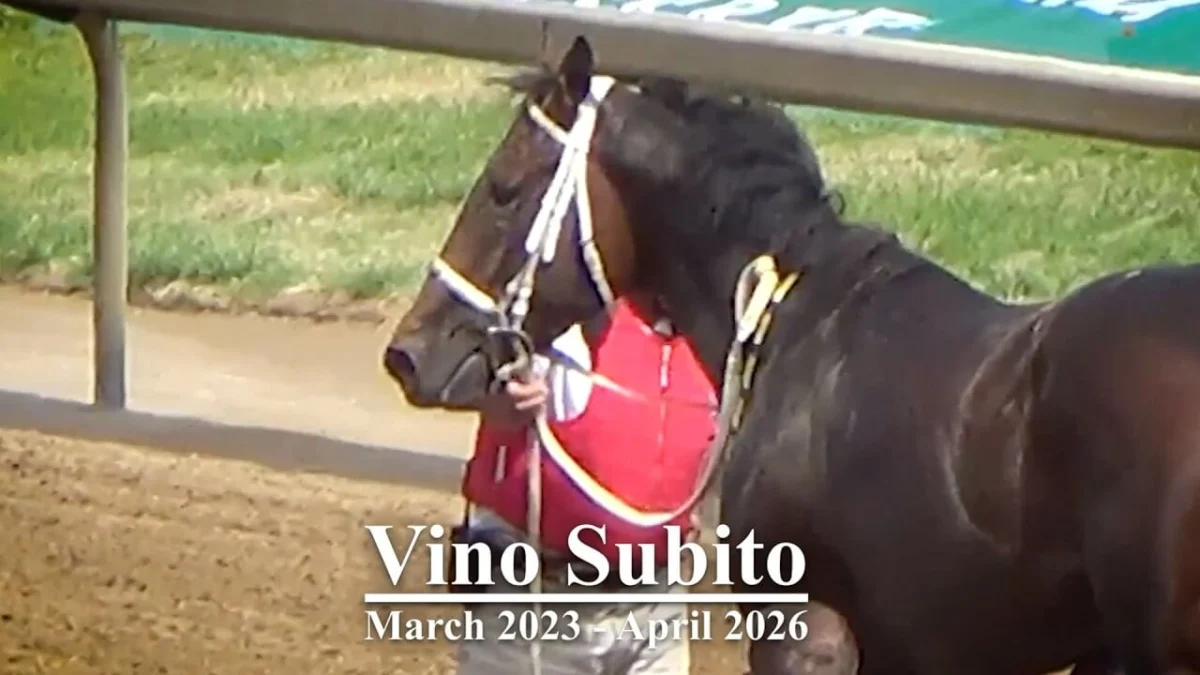
The integrity of Churchill Downs, the historic home of the Kentucky Derby, has come under intense scrutiny following allegations that the organization deliberately withheld information regarding the death of a three-year-old colt during the most high-profile week of the racing season. The incident involving Vino Subito, who was euthanized following a catastrophic injury in late April 2026, has reignited a fierce debate over transparency, equine safety, and the commercial pressures surrounding the "Run for the Roses."
On April 28, 2026, during the seventh race at Churchill Downs, Vino Subito suffered a severe leg injury that required immediate intervention. On-site witnesses and investigators from People for the Ethical Treatment of Animals (PETA) documented the scene as emergency track personnel and veterinarians rushed to the track to stabilize the animal and transport him via equine ambulance. While the injury was visible to those in attendance, the eventual outcome of the medical intervention remained shielded from the public for several days.
According to records later obtained and highlighted by animal welfare advocates, Vino Subito was euthanized on April 30, 2026, just two days after the incident. However, Churchill Downs did not issue a public statement regarding the horse’s death at the time. The timing of the event—occurring during the lead-up to the Kentucky Derby, the track’s most lucrative and prestigious week—has led critics to suggest that the delay in disclosure was a strategic move to protect the event’s brand and prevent negative headlines during a period of peak international attention.
Chronology of the Vino Subito Incident and Subsequent Fallout
The timeline of the events surrounding Vino Subito reveals a gap between the injury and the public acknowledgment of the fatality. On April 28, the colt competed in Race 7, a standard competitive event in the week preceding the Derby. The injury occurred mid-race, prompting an immediate "vets-on-track" response. Under standard protocols, injured horses are taken to the backside or a nearby clinic for evaluation.
Following the incident, PETA representatives reportedly contacted Churchill Downs management to request an update on the colt’s condition. These inquiries were met with silence or vague responses while the racing world focused on the upcoming Triple Crown festivities. It was not until May 14, 2026, that the details of the euthanasia on April 30 were fully brought to light by external investigators.
This incident did not occur in isolation. Just days prior to Vino Subito’s injury, the racing community was already on edge following a career-ending injury to Gosger, a four-year-old graded-stakes winner. Gosger, who had achieved national prominence by finishing second in the 2025 Preakness Stakes, suffered a major trauma during a training session at Churchill Downs. While Gosger survived, the loss of a high-profile athlete served as a precursor to the Vino Subito tragedy, drawing further attention to the safety of the Louisville track’s surface.
Historical Context and a Pattern of Fatalities
The allegations of a "culture of silence" at Churchill Downs are rooted in a documented history of high fatality rates at the facility. In 2023, the track made international headlines for all the wrong reasons when 12 horses died in the weeks surrounding the Kentucky Derby. The crisis was so severe that Churchill Downs eventually suspended its spring meet and moved racing operations to Ellis Park to conduct an internal review of the track conditions.
Despite these efforts, the following years showed a troubling trend. While initial public reports suggested five deaths at the track or its associated training facilities in 2025, subsequent investigations revealed a much grimmer reality. By August 2025, PETA had uncovered 13 deaths, a number that continued to climb as the year progressed. By the end of December 2025, the total number of confirmed fatalities at Churchill Downs-managed properties reached 19.
This recurring loss of life has led to calls for more stringent oversight from the Horseracing Integrity and Safety Authority (HISA), the federal body tasked with standardizing safety protocols in the United States. While HISA requires the reporting of injuries, the lag in public disclosure remains a point of contention between track operators and welfare advocates.
The Economics of Transparency in Thoroughbred Racing
The decision-making process behind the disclosure of equine deaths is often complicated by the massive financial stakes involved in the Triple Crown series. The Kentucky Derby is not merely a race; it is a global marketing event that generates hundreds of millions of dollars in betting handle, tourism revenue, and broadcasting rights.
Industry analysts suggest that the "brand damage" from a horse death during Derby week is significantly higher than at any other time of the year. A death in April can cast a pall over the festivities, potentially alienating casual viewers and corporate sponsors. PETA’s letter to Churchill Downs CEO Bill Carstanjen directly addresses this, asserting that "hiding the truth is not a business plan" and demanding a policy of immediate, complete public disclosure for every serious injury and fatality.
The demand for transparency is not just about ethics; it is about the long-term viability of the sport. As public sentiment shifts toward greater concern for animal welfare, the racing industry faces an existential threat if it is perceived as prioritizing profits over the lives of its equine participants.
Expansion of Churchill Downs and Future Implications
The concerns regarding Churchill Downs’ reporting practices have taken on a regional dimension following the company’s recent corporate maneuvers. Churchill Downs Incorporated (CDI) recently announced a deal to acquire the intellectual property rights to the Preakness Stakes and the Black-Eyed Susan Stakes, two of Maryland’s most prestigious races.
This expansion means that the management philosophy of Churchill Downs will soon extend to the Maryland racing circuit. Animal welfare organizations have expressed fear that the perceived "hide it and move on" culture allegedly practiced in Kentucky will be exported to Baltimore. In their communications with CDI leadership, advocates have demanded assurances that the Preakness will be subject to higher standards of transparency than those seen during the 2026 Kentucky Derby week.
The acquisition of the Preakness rights marks a significant consolidation of power within the American racing industry. With CDI controlling two of the three Triple Crown legs, the company’s internal safety and reporting policies effectively become the de facto standard for the entire sport.
The Science of Equine Injuries and Prevention
To understand why injuries like Vino Subito’s occur, it is necessary to examine the physical demands placed on three-year-old Thoroughbreds. These horses are often reaching peak speeds while their skeletal systems are still maturing. A "catastrophic leg injury" typically refers to a compound fracture or a total failure of the suspensory ligaments, injuries that are often untreatable due to the horse’s inability to remain non-weight-bearing during recovery.
Churchill Downs has invested in several safety measures, including the installation of new drainage systems and sophisticated moisture-monitoring sensors in the dirt track. However, critics argue that these measures are insufficient. There is an ongoing debate within the industry regarding the use of synthetic surfaces (such as Tapeta or Polytrack), which statistical data suggests are safer than traditional dirt or turf. To date, Churchill Downs has maintained its traditional dirt surface, citing the historical preferences of the Derby and the specific requirements of Triple Crown qualifying.
Official Responses and Public Sentiment
As of mid-May 2026, Churchill Downs has maintained a guarded stance regarding the specific allegations surrounding Vino Subito. While the track typically issues generalized statements affirming its commitment to equine safety and pointing toward its compliance with HISA regulations, it has not specifically addressed the timeline of the colt’s death or the reasons for the delayed disclosure.
Public reaction has been polarized. While hardcore racing enthusiasts often view these incidents as an inherent, albeit tragic, risk of the sport, a growing segment of the public is calling for more radical changes. Social media platforms have become a primary battleground, with the video recorded by PETA investigators circulating widely and garnering millions of views.
The fallout from the Vino Subito case serves as a reminder that in the modern era of instant communication and independent oversight, the ability of large sporting institutions to control a narrative is diminishing. For Churchill Downs, the challenge moving forward will be to reconcile its storied traditions and massive commercial interests with an increasing demand for accountability and the humane treatment of the animals that make the "Greatest Two Minutes in Sports" possible.
As the racing calendar moves toward the summer months, the pressure on Churchill Downs Incorporated to implement a "clear policy of immediate disclosure" continues to mount. The outcome of this dispute may well determine the future of transparency in American horse racing and whether the industry can regain the trust of a skeptical public.

