


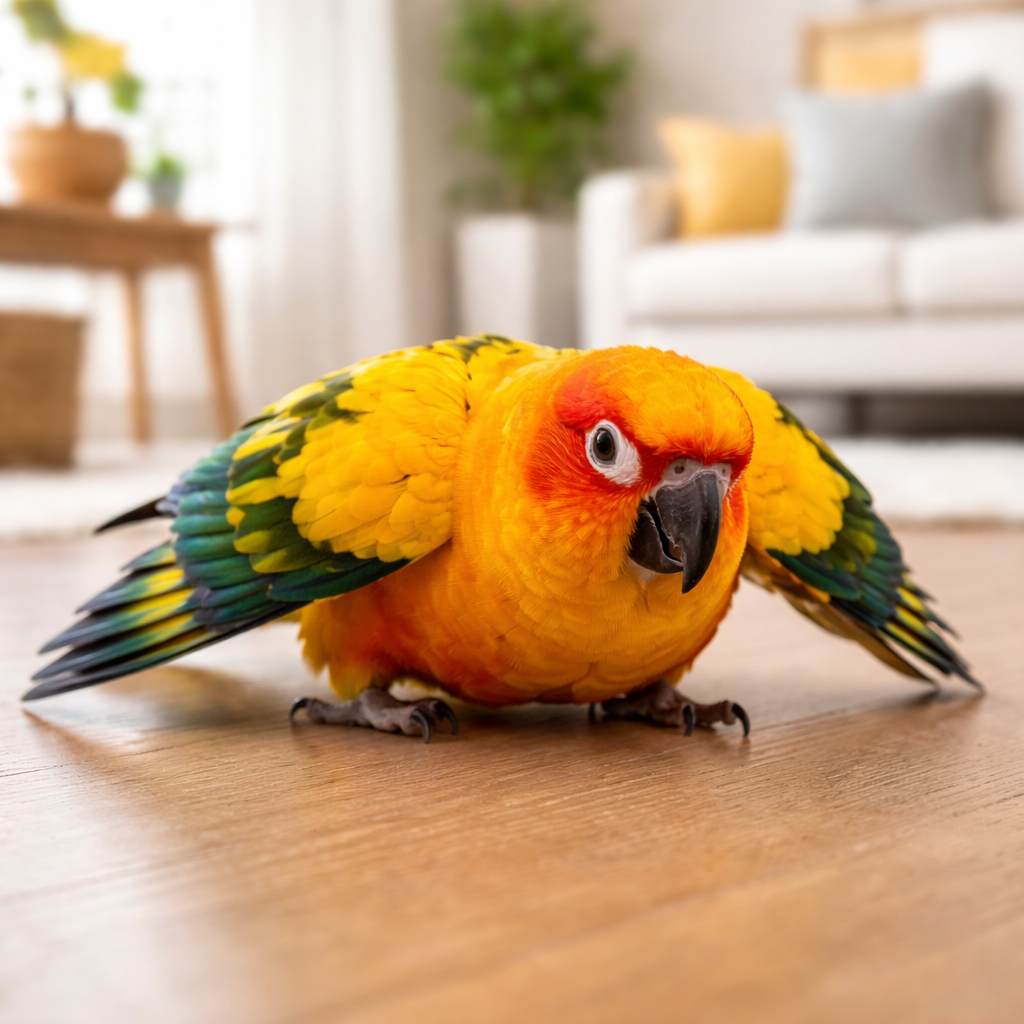
The nuanced world of avian behavior often presents pet owners with perplexing challenges, none more common or misunderstood than hormonal displays. While seemingly erratic, behaviors such as persistent cooing, wing flapping, or sudden aggression in parrots are frequently rooted in natural biological responses to their environment, especially pronounced in adult birds. What might appear as a peculiar phase, particularly in a species like the eight-year-old Sun Conure, is often a normal biological state requiring informed redirection rather than panic or suppression. This phenomenon, while natural, necessitates careful management to prevent the escalation into fixation, frustration, and long-term behavioral or health issues.
The Biological Imperative: Decoding Avian Hormones
Avian hormonal cycles are intricate, driven by a combination of internal biological clocks and external environmental cues. In the wild, these cycles are finely tuned to optimize reproductive success, influenced by factors such as photoperiod (daylight length), food availability, ambient temperature, and the presence of suitable nesting sites. In a captive environment, these natural rhythms can become disrupted, leading to prolonged or atypical hormonal states. Pet birds, often housed indoors with artificial lighting, readily available food, and constant human interaction, may experience a perpetual "breeding season" that deviates significantly from their natural ecological patterns.
Smaller parrot species, such as cockatiels, budgies, and conures, often exhibit more frequent and seemingly dramatic hormonal fluctuations throughout the year. This is attributed to their position lower on the food chain, which necessitates rapid maturation and more frequent reproduction cycles to ensure species survival. Consequently, their physiological systems tend to remain closer to a breeding-ready state for extended periods compared to larger, longer-lived parrots like macaws or cockatoos, which may not reach sexual maturity until seven or eight years of age.
Distinguishing Normal from Concerning Hormonal Displays
Understanding the distinction between normal, transient hormonal behaviors and problematic, chronic states is crucial for responsible pet ownership. Occasional displays of courtship rituals, such as head bobbing, regurgitation attempts, or increased vocalization, especially during specific seasons or in response to particular stimuli, are expected in sexually mature parrots. The age of onset for sexual maturity varies significantly by species; small parrots can become hormonal before their first birthday, while larger species take several years longer.
However, hormonal behavior transitions from normal to concerning when it becomes persistent, interferes with the bird’s quality of life, or manifests in detrimental ways. Signs that hormonal behavior has become a problem include:
- Chronic Irritability and Aggression: A bird that is constantly "on edge," prone to biting, or showing aggression towards owners or other birds.
- Excessive Vocalization: Persistent screaming or squawking beyond normal communication, indicating stress or frustration.
- Feather Destructive Behavior (FDB): Plucking, chewing, or mutilating feathers, which can be a stress-induced coping mechanism exacerbated by hormonal frustration.
- Nest-Seeking Behavior: Obsessive searching for dark, enclosed spaces, often leading to territorial aggression or self-mutilation if frustrated.
- Reproductive Issues (Females): Chronic egg-laying, egg-binding, cloacal prolapse, or calcium depletion, all of which pose significant health risks.
- Obsessive Fixation: Developing an unhealthy bond with an inanimate object, a human, or even a mirror, leading to extreme possessiveness and aggression.
When a bird remains perpetually "switched on" hormonally, it places immense physiological and psychological stress on its system. Females risk serious medical complications from repeated egg production, while males can suffer from chronic sexual frustration. This sustained state of arousal prevents the bird’s body and nervous system from ever fully settling, leading to irritability, fixation, and a decline in overall well-being. According to the 2026 clinical findings of avian veterinarians Dr. Rob Marshall and Tailai O’Brien, reproductive hyperactivity is a primary underlying cause for a wide array of health complaints in pet birds, underscoring the medical gravity of chronic hormonal imbalance.
Proactive Management Strategies: Guiding Natural Instincts
The good news for worried bird owners is that intervention is possible and highly effective. The goal is not to eliminate natural hormonal cycles, but to redirect that inherent energy into constructive, healthy outlets. This involves a multi-faceted approach focusing on environmental enrichment, behavioral modification, and careful owner interaction.
1. Environmental Adjustments and Enrichment:
Modifying a bird’s environment can significantly impact hormonal triggers.
- Photoperiod Control: Mimic natural seasonal light cycles. Birds typically breed when daylight hours are longer. Gradually reducing the amount of light exposure to 10-12 hours of darkness can signal to the bird’s body that it is not breeding season. This can be achieved by covering the cage earlier in the evening.
- Dietary Adjustments: High-fat, high-sugar, or soft, mushy foods can mimic the abundance of food found during breeding season, signaling readiness to reproduce. Transitioning to a pelleted diet supplemented with fresh vegetables and limited fruits, while reducing high-fat seeds, can help.
- Nest Site Removal: Eliminate any perceived nesting sites, such as dark corners, boxes, snug huts, or even large, dense toys that a bird might try to "nest" in or defend.
- Cage Location: Placing the cage in a high-traffic area during the day and a quiet, darker spot at night can help regulate sleep cycles and reduce feelings of isolation that might trigger mating calls.
2. Behavioral Redirection and "Parrot Jobs":
Birds are highly intelligent and require mental and physical stimulation. Providing natural "parrot jobs" helps channel their pent-up energy.
- Foraging Opportunities: Integrate foraging into daily routines. Instead of simply providing food in a bowl, hide it in foraging toys, cardboard tubes, or crumpled paper. This simulates the natural act of searching for food, engaging their minds and bodies.
- Destructible Toys: Offer a variety of safe, destructible toys made from natural materials like wood, paper, and untreated leather. Chewing and shredding are natural behaviors that provide an outlet for energy and reduce stress.
- Independent Play: Actively reward independent play and self-entertainment. When a bird is calmly interacting with its toys or exploring its cage without demanding attention, offer praise and a small treat. This reinforces self-sufficiency.
- Trick Training and Target Training: Engage the bird in positive reinforcement training. Learning new tricks or target training (teaching the bird to touch a specific object with its beak) provides mental stimulation, builds confidence, and strengthens the bond with the owner in a non-hormonal way.
3. Strategic Interaction and What to Avoid:
Owner interactions play a critical role in either exacerbating or mitigating hormonal behaviors.
- Avoid Petting Hormonal Zones: Limit petting to the bird’s head and neck. Petting a bird’s back, under its wings, or around its vent can be interpreted as a sexual invitation, triggering or intensifying hormonal responses.
- Minimize Regurgitation Reinforcement: If a bird attempts to regurgitate food for you, gently redirect its attention without scolding. Do not accept the regurgitation as a sign of affection, as this reinforces mating behavior.
- Limit Mirror Access: Mirrors can be highly problematic, as birds often perceive their reflection as a mate, leading to obsessive fixation, regurgitation, and territorial aggression. Removing mirrors is often a necessary step.
- Discourage "Nesting" Interactions: Avoid behaviors that mimic nesting, such as allowing the bird to burrow into clothing or dark spaces on your person.
- Reward Independent Behavior: Intentionally observe for natural, calm parrot behaviors – quiet chewing, exploring, preening independently – and immediately reward these with a preferred treat. This teaches the bird which behaviors lead to positive outcomes and helps its nervous system establish a new, calmer default. Treats should be small, healthy, and delivered promptly after the desired behavior to ensure clear learning.
Starting Where Your Bird Can Succeed:
If a bird becomes overstimulated outside its cage, begin implementing these activities within the safety and familiarity of its cage first. Once it demonstrates calmer behavior in that environment, gradually introduce these activities on a play stand or training perch. The key is to set the bird up for success, gradually expanding its comfort zone.
The Long-Term Impact of Unmanaged Hormones
Hormonal energy in parrots rarely dissipates on its own. If a bird does not learn appropriate outlets for this energy, it tends to manifest in increasingly louder, more persistent, and potentially destructive ways. Over time, birds can become trapped in a cycle of heightened arousal, chronic frustration, and an inability to settle. This state is not only exhausting for the bird but also incredibly challenging for owners, often leading to a breakdown in the human-animal bond and, in severe cases, rehoming.
This is where the principles of positive reinforcement become profoundly effective. The aim is not merely to "train tricks," but to teach the bird which behaviors lead to a state of calm and well-being. Every time an owner rewards foraging, quiet independent play, or relaxed preening, they are actively helping the bird’s nervous system learn a healthier default response. It is critical to remember that birds respond to outcomes, not intentions. If a specific behavior reliably results in attention, closeness, or emotional engagement from the owner, the bird’s brain will register it as successful, even if the owner did not consciously intend to reinforce a problematic action.
When to Seek Professional Veterinary Intervention
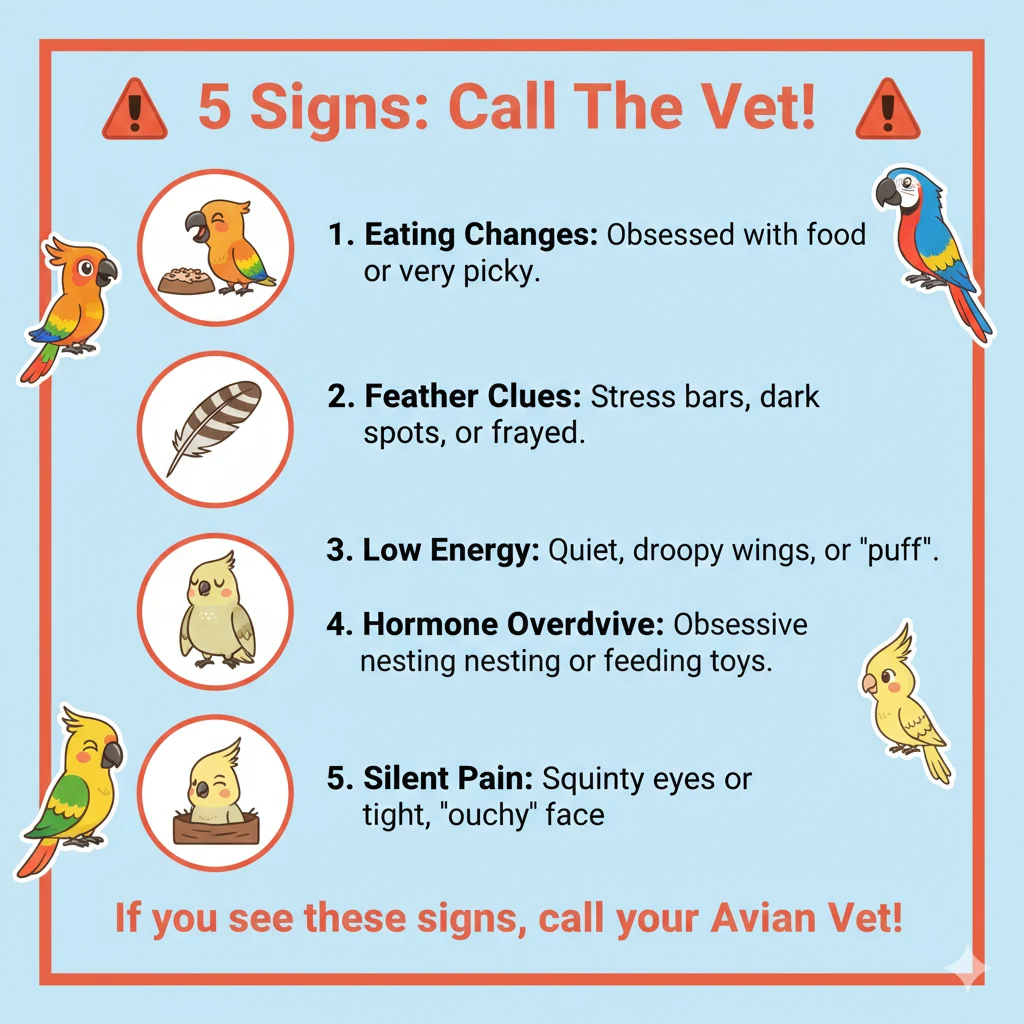
While behavioral modifications are crucial, there are instances where hormonal behaviors cross a "risk threshold" and warrant immediate veterinary attention. As noted by Dr. Rob Marshall and Tailai O’Brien, "acting out" in a bird is rarely just a mood; it is a data point indicating potential underlying health issues. The following five-point protocol can help owners determine if their bird’s behavior requires medical evaluation:
- Sudden or Drastic Behavioral Change: A rapid onset of severe aggression, fear, or lethargy that deviates significantly from the bird’s normal temperament.
- Physical Symptoms: Any visible signs of illness, such as changes in droppings, loss of appetite, weight loss, difficulty breathing, feather abnormalities beyond normal molting, or swelling in the abdominal area (especially in females).
- Chronic Egg Laying or Reproductive Strain: If a female bird is laying eggs frequently (more than once or twice a year, or clutches larger than typical for her species), or showing signs of difficulty passing an egg (straining, weakness).
- Self-Mutilation or Severe Feather Destructive Behavior: Any feather plucking that leads to skin damage, bleeding, or persistent self-inflicted wounds.
- Unresponsiveness to Behavioral Modification: If, despite consistent implementation of environmental and behavioral strategies over several weeks, the bird’s problematic hormonal behaviors show no signs of improvement or worsen.
A comprehensive avian veterinary examination can rule out underlying medical conditions that might mimic or exacerbate hormonal issues, such as infections, nutritional deficiencies, or tumors. In some cases, a veterinarian may discuss hormonal implants or medications as a last resort, particularly for chronic egg layers or birds with severe, intractable aggression, but these are typically considered after behavioral and environmental adjustments have been thoroughly explored.
Conclusion: A Path to Healthier Avian Companionship
The bottom line for pet bird owners grappling with hormonal behaviors is clear: your bird is not being "bad," but rather its body is likely in a state of stress or biological imperative that it cannot independently control. Chronic hormonal behavior rarely resolves without intervention and, if left unaddressed, frequently leads to deeper health complications and a diminished quality of life for the bird. By consistently rewarding calm, independent behavior, providing enriching "parrot jobs," and diligently removing environmental triggers that fuel hormonal displays, owners can significantly help their birds settle into a lifestyle that is both physically healthier for the bird and much more harmonious for the human-animal household. This proactive and informed approach fosters a stronger, more positive bond, ensuring the long-term well-being of these intelligent and sensitive companions.

