


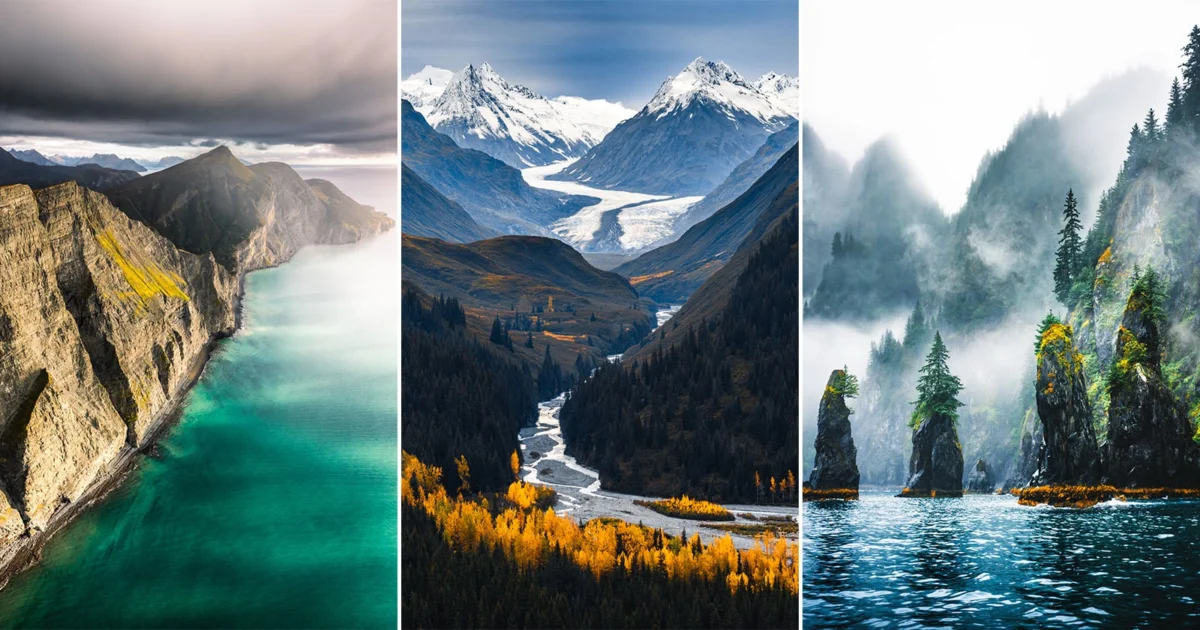
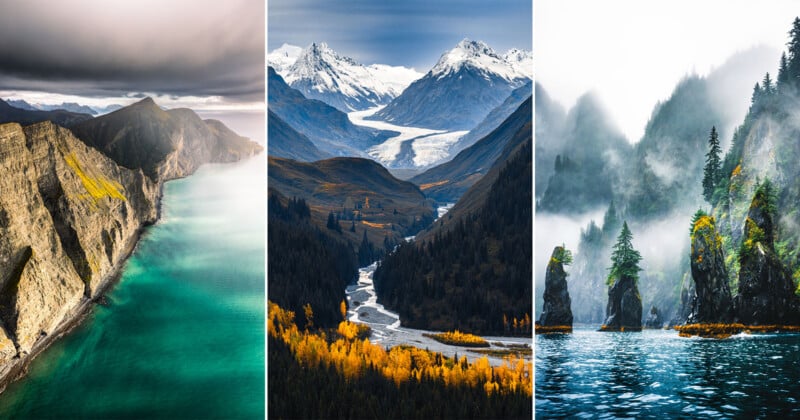
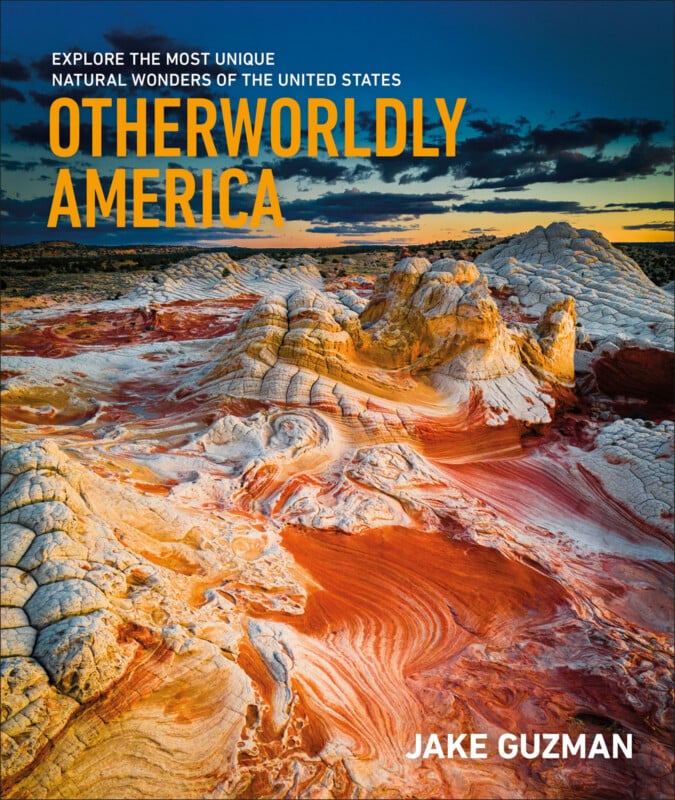
The publication of Otherworldly America marks a significant milestone in the career of travel and nature photographer Jake Guzman, representing the culmination of a decade-long journey from amateur smartphone snapshots to a professional portfolio that commands an audience of over one million followers. This 256-page volume, released through Penguin Random House under the Dorling Kindersley (DK) imprint, serves as a comprehensive visual anthology of the American landscape, spanning the rugged terrains of Alaska, the volcanic vistas of Hawai’i, and the historic coastal reaches of New England. Containing hundreds of meticulously curated images, the book is more than a mere collection of photographs; it is a testament to the enduring allure of the United States as a primary destination for landscape photography and a call to recognize the fragility of the natural world.
The Evolution of a Modern Visual Storyteller
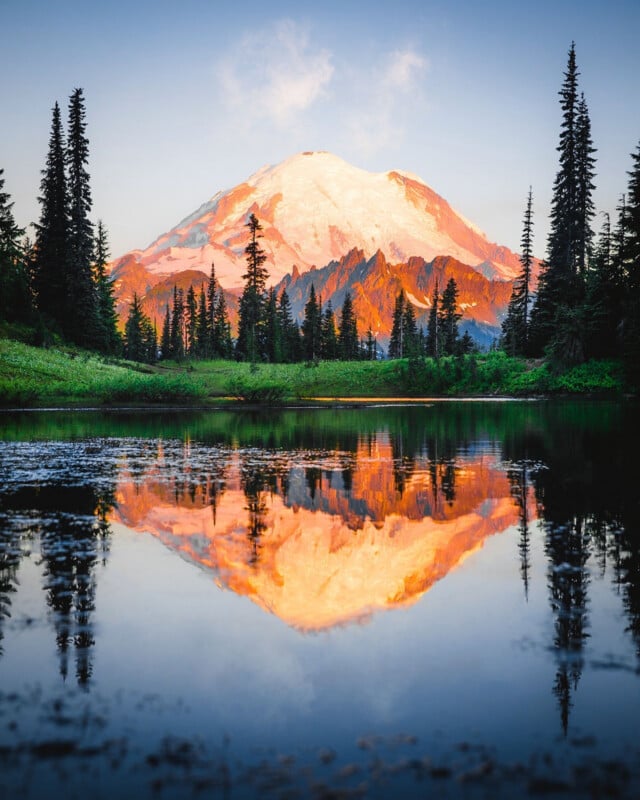
The trajectory of Jake Guzman’s career reflects a broader trend within the contemporary photography industry, where digital platforms serve as the initial springboard for traditional success. Guzman’s immersion into the medium began at the age of 18 in his home state of Washington. Lacking the financial resources to invest in high-end professional equipment, he utilized his iPhone to document his hiking excursions, sharing the results on burgeoning social media platforms.
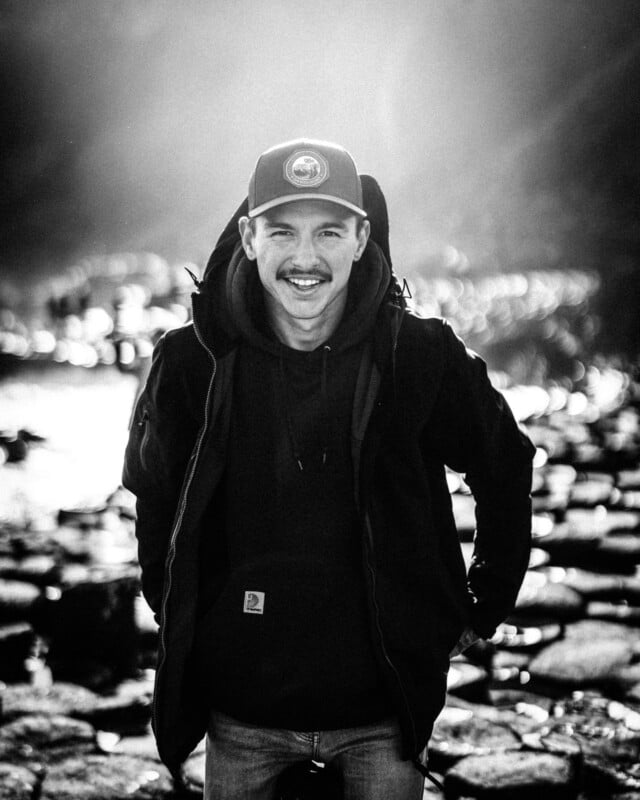
The transition from mobile photography to more technical mediums was driven by a necessity for growth and a limited budget. Guzman’s first dedicated camera was a $10 film unit purchased from a Goodwill thrift store. This analog beginning forced a disciplined approach to composition and exposure, as the cost of film and development required a level of intentionality often absent in the digital era. By 2016, Guzman had transitioned to photography as a full-time profession. Like many emerging creatives in the mid-2010s, his early years were characterized by a "hustle" culture—taking on unpaid assignments and diverse odd jobs to finance his personal projects and equipment upgrades.
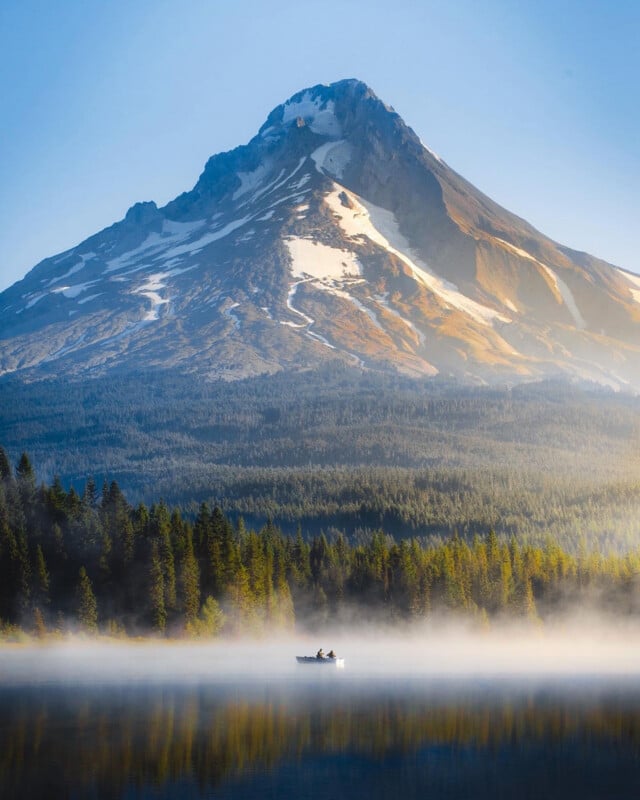
Guzman’s rise coincided with the "golden age" of Instagram for outdoor photographers, a period where high-contrast, atmospheric, and "moody" Pacific Northwest landscapes became a dominant aesthetic. However, his work eventually diverged from mere social media trends by incorporating professional cinematography and commercial video production. This dual expertise allowed him to maintain financial stability through commercial contracts while preserving his still photography for deeply personal, long-term projects like Otherworldly America.
The Genesis and Chronology of Otherworldly America
The concept for the book was born from a collaboration between Guzman and Alexander Rigby, an editor at Dorling Kindersley. The project was officially greenlit following a proposal that aimed to capture the diverse and often alien-looking landscapes found within the borders of the United States.
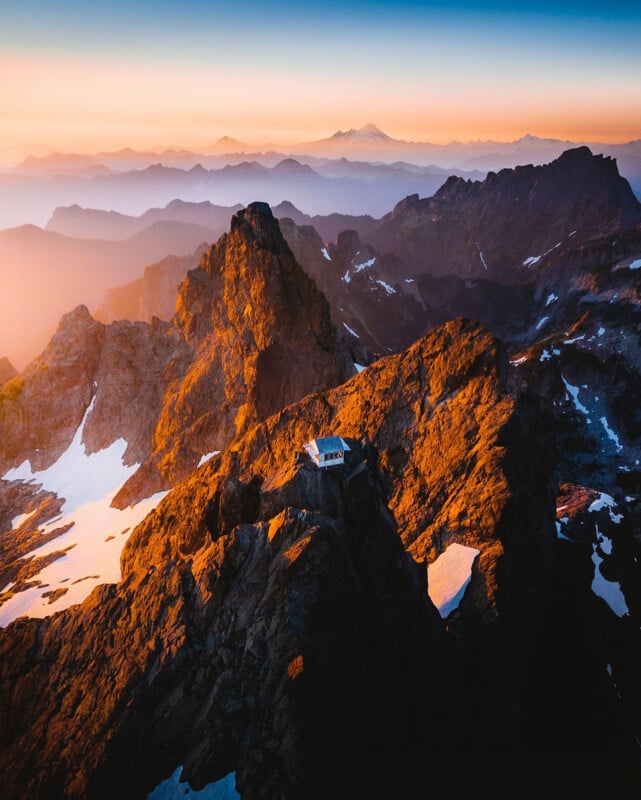
The production timeline for the book spanned two years, a period during which Guzman operated with a rigorous travel schedule. While the Pacific Northwest section of the book draws from his extensive early portfolio—built over years of exploring the Cascades and the Oregon coast—approximately 70% of the content was captured specifically for this project.
The chronology of the book’s production involved several distinct phases:

- Initial Curation and Planning (Months 1-3): Identifying the core themes and the 17 states that would serve as the primary focus.
- The Southwest Expedition (Months 4-10): Extensive road trips in a modified Toyota Tacoma, focusing on the arid, geometric beauty of the American Southwest, including New Mexico and Arizona.
- The Alaska Frontier (Months 11-15): A four-week immersion into the Alaskan wilderness, which Guzman identifies as the most profound experience of the project.
- The Editorial and Post-Production Phase (Months 16-24): Sorting through a massive digital archive of over 400,000 images to select the final 200 frames that would comprise the book.
Geographic Scope and the "Otherworldly" Aesthetic
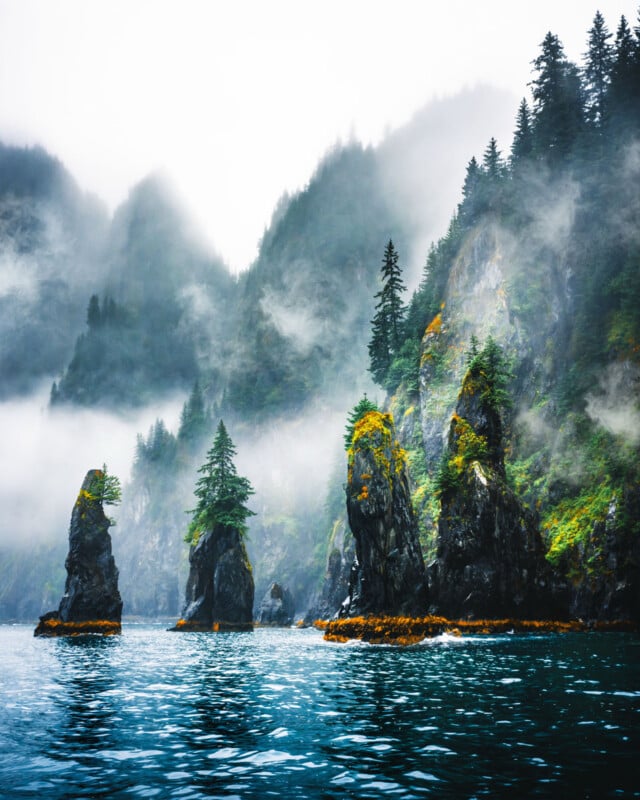
The title Otherworldly America refers to the surreal qualities of the domestic landscape. Guzman’s work often emphasizes geological features that appear extraterrestrial: the layered, colorful siltstones of the Painted Desert, the misty sea stacks of the Kenai Fjords, and the thermal wonders of the volcanic islands.
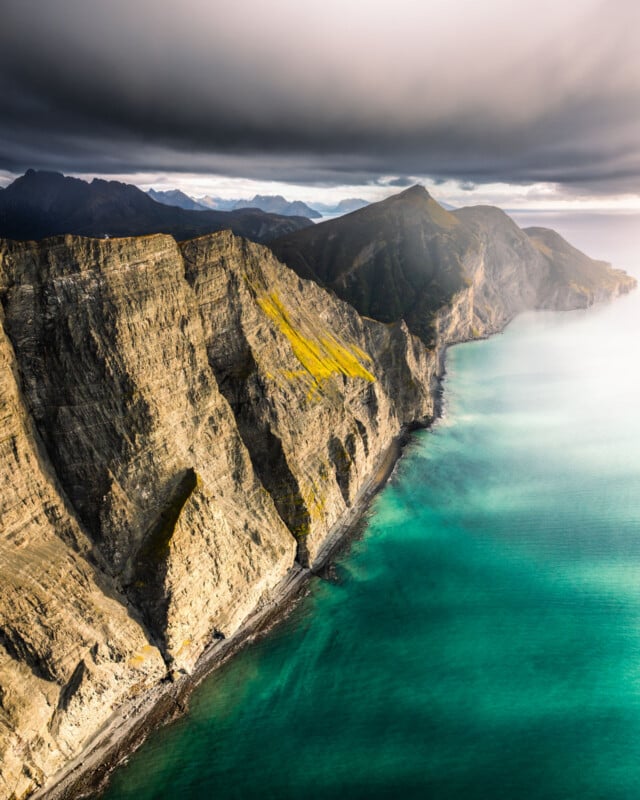
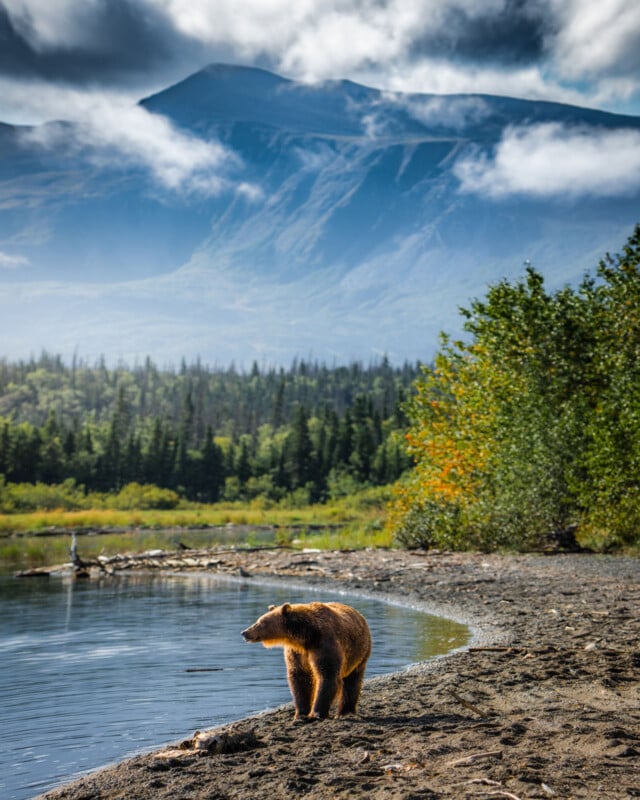
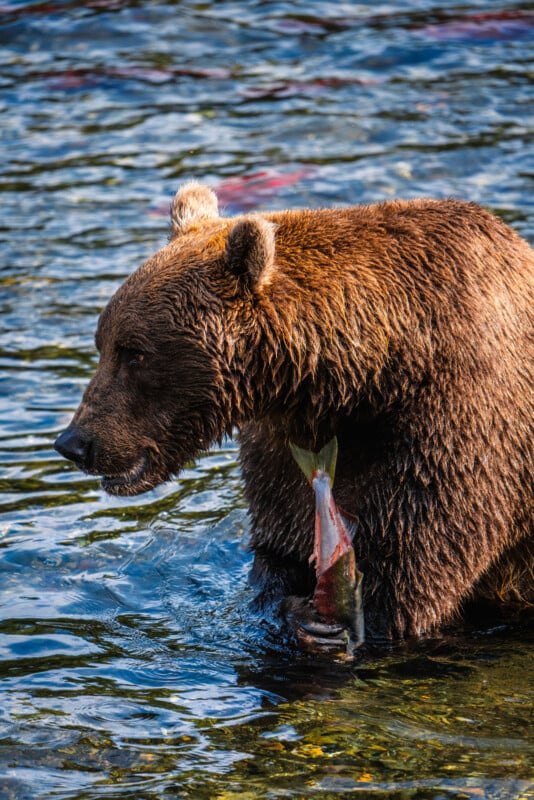
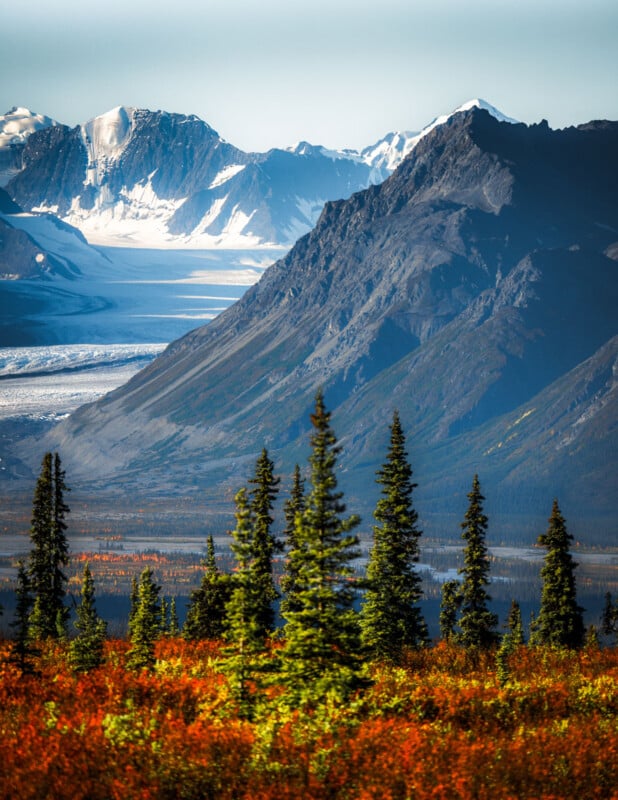
During his travels, Guzman visited 17 states, each offering a unique ecological profile. A significant portion of the book is dedicated to Alaska, a region Guzman had never visited prior to this project. He describes the state as "the last frontier," citing the raw intersection of volcanoes, glacial ice, and predatory wildlife as a transformative subject for his lens. His time in Katmai National Park resulted in some of the book’s most compelling wildlife photography, specifically his encounters with brown bears. Guzman noted that witnessing these animals in their natural habitat felt like stepping into a high-budget nature documentary, an experience that reinforced the "otherworldly" theme of the project.
However, the editorial process also required difficult omissions. Guzman expressed regret over missing the cypress swamps of the American South, specifically locations like Caddo Lake during the autumn season. These swamps, characterized by Spanish moss and vibrant fall foliage, represent a distinct "planet-like" ecosystem that Guzman hopes to explore in future volumes.
Technical Methodology: Scale and Compression
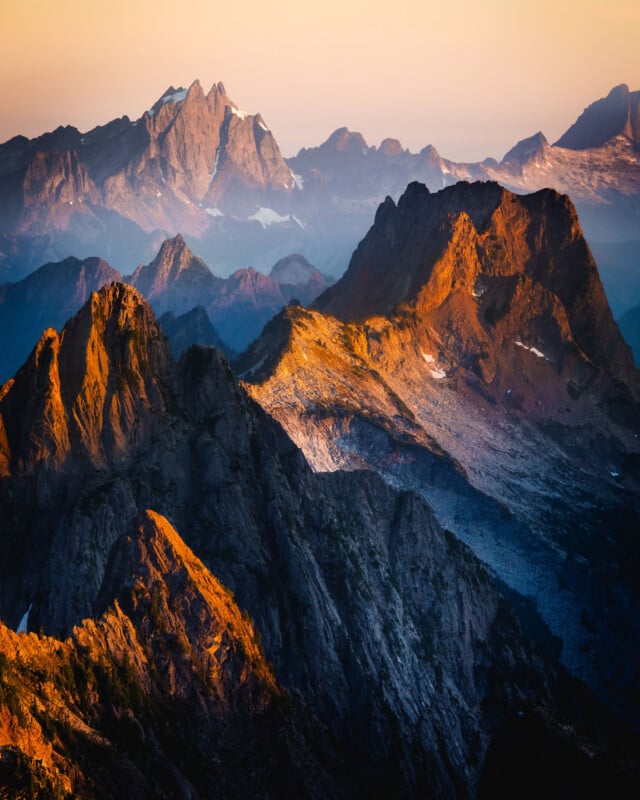
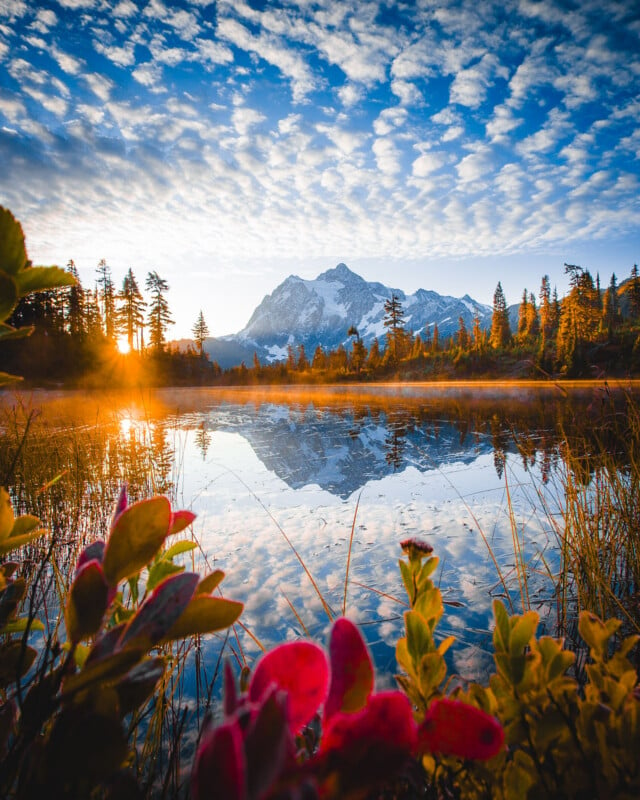
Guzman’s signature style is heavily dependent on his use of telephoto lenses to create a sense of scale. While wide-angle lenses are traditional staples of landscape photography, Guzman frequently utilizes the Sony FE 70-200mm f/2.8 GM and longer telephoto lenses, such as the 200-600mm and 400-800mm ranges.
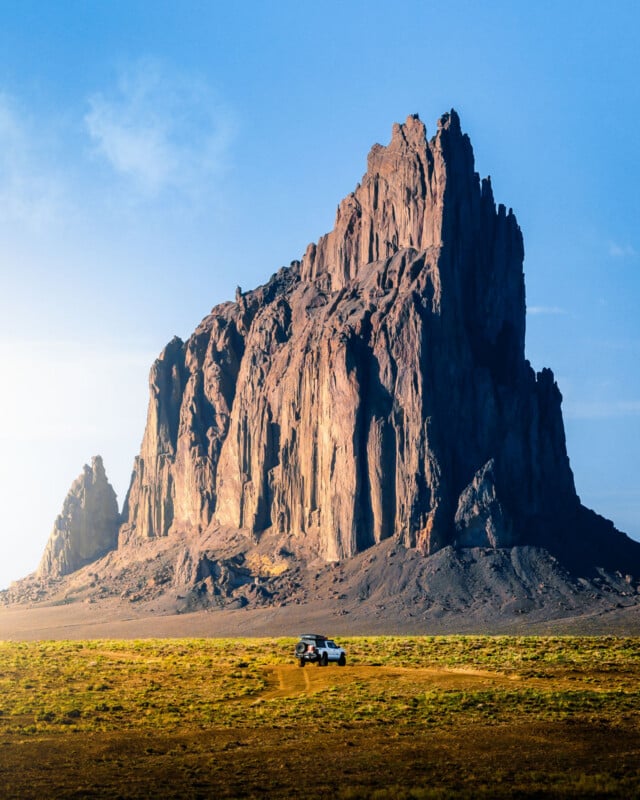
By using long focal lengths, Guzman employs background compression—a technique that makes distant mountains or waterfalls appear much larger and closer to the foreground subject than they are in reality. To provide a sense of perspective, he often includes a small human subject or a vehicle (such as his Tacoma) within the frame. This "tiny person, big world" motif has become a hallmark of modern outdoor photography, serving to emphasize the vastness of the natural environment and the relative insignificance of the human observer.
His primary tool for the project was the Sony a1 II, a high-resolution mirrorless camera capable of capturing the intricate details necessary for large-scale print reproduction. This transition to high-end digital hardware represents the final stage of an evolution that began with a $10 thrift store find.
The Philosophy of Conservation and the Impact of Print
In an era dominated by fleeting digital interactions, the transition to a physical book represents a shift in how Guzman views the impact of his work. He argues that while photography cannot "change the world" in isolation, it acts as a catalyst for changing how individuals perceive their environment.
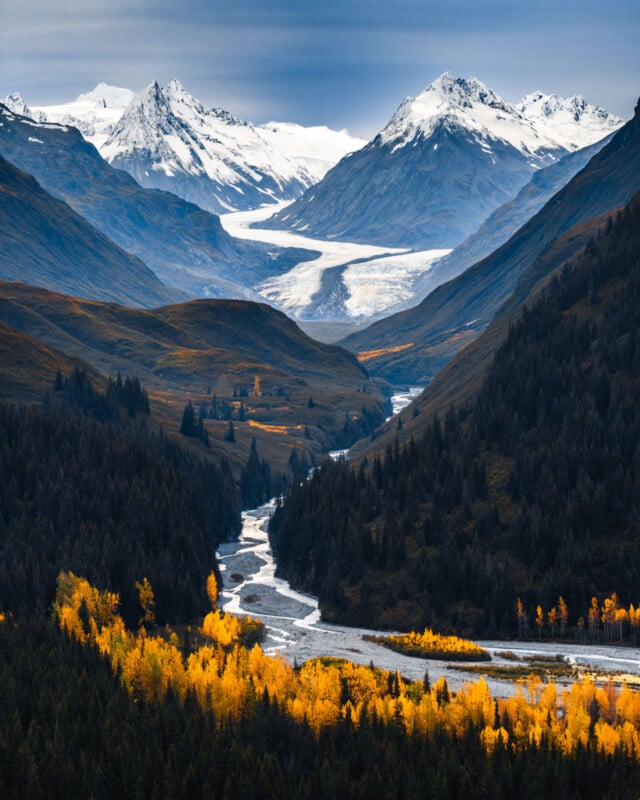
The book emphasizes the "beauty, wonder, and fragility" of remote ecosystems. By documenting disappearing glaciers in Alaska and the delicate rock formations of the Southwest, Guzman aims to foster an emotional connection between the viewer and the land. His stated goal is to inspire people to value these places, under the premise that society is more likely to protect what it understands and admires.
For Guzman, the physical nature of the book is also a personal achievement. Having grown up studying National Geographic and various prestige photography monographs, the act of holding a 256-page hardbound collection of his own work provided a sense of permanence that social media platforms lack. The curation process—narrowing down a catalog of 400,000 images—forced a deep reflection on his artistic growth and the narrative thread that connects a decade of exploration.
Industry Implications and Market Availability
The release of Otherworldly America highlights the evolving relationship between social media influencers and the traditional publishing industry. Publishers like Penguin Random House are increasingly looking toward creators with established digital audiences to bridge the gap between online engagement and physical book sales. Guzman’s million-strong following provides a built-in market, but the quality of the work suggests a shift from "influencer content" to "fine art photography."
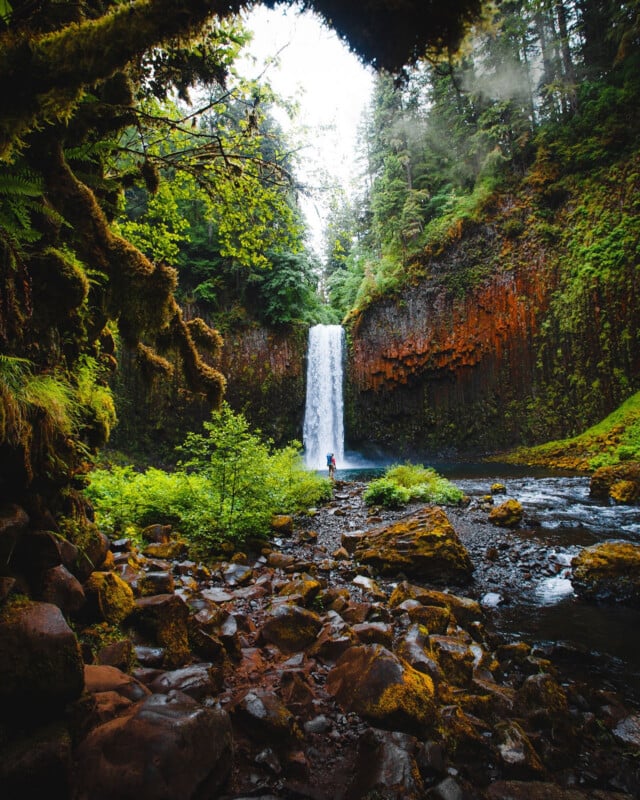
The book is currently available through major retailers for $40. It serves not only as a coffee-table centerpiece but also as a guide for aspiring photographers looking to explore the diversity of the American landscape. As the travel industry continues to see a surge in "nature-based tourism," works like Guzman’s provide both inspiration and a cautionary reminder of the need for responsible stewardship of the world’s remaining wild spaces.
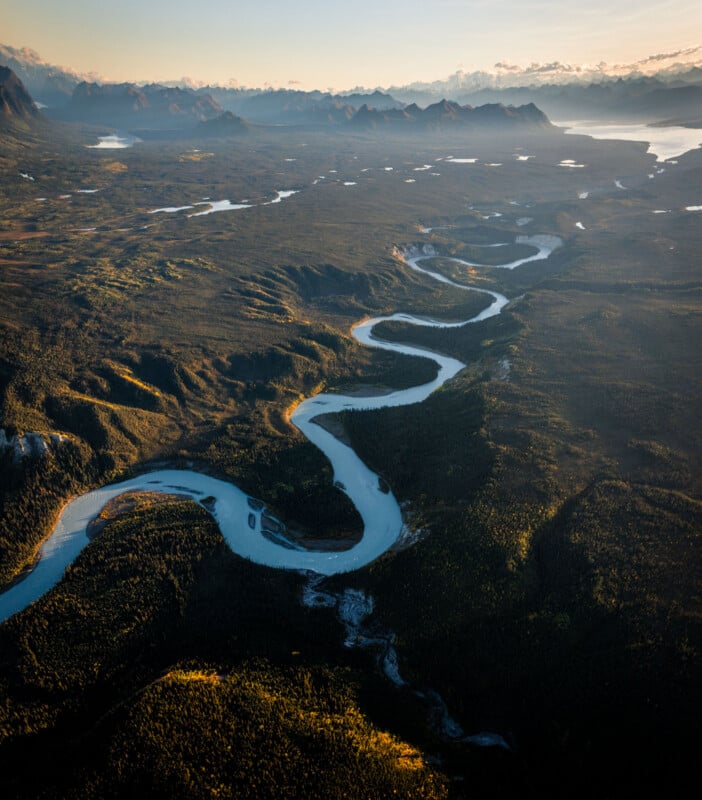
Through Otherworldly America, Jake Guzman has successfully translated a digital-first career into a lasting physical legacy, proving that the American landscape remains an inexhaustible source of wonder for those willing to venture beyond the paved road.

