


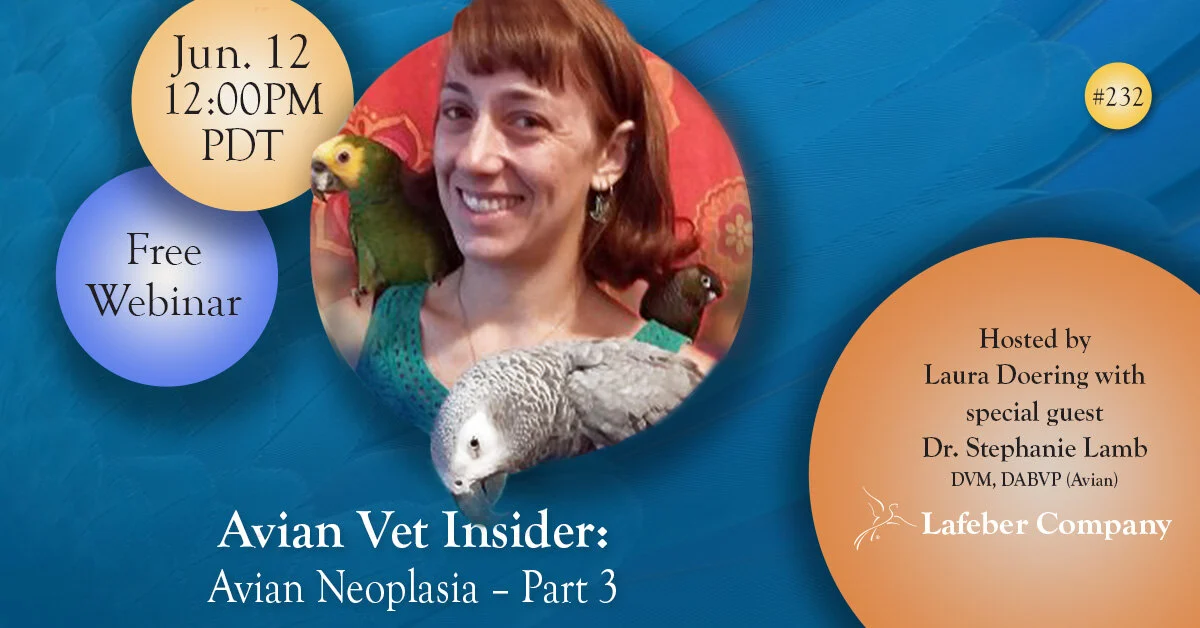
The highly anticipated conclusion to the three-part webinar series on avian neoplasia, featuring renowned avian veterinarian Dr. Stephanie Lamb, is scheduled for Friday, June 12, 2026, at 12:00 p.m. PDT. This final installment is poised to deliver a comprehensive exploration of the diverse range of tumor types impacting pet birds, building upon foundational knowledge established in previous sessions. The series, designed to empower avian veterinarians, veterinary technicians, and dedicated bird owners, aims to foster a deeper understanding of these complex conditions, ultimately guiding more informed care and critical decision-making for avian patients. Participants are encouraged to utilize a reliable time zone converter to ensure accurate attendance, with registration details readily available for prospective attendees.
The Evolution of Avian Oncology Education
The "Avian Neoplasia" webinar series represents a significant educational initiative within the avian veterinary community, spearheaded by Dr. Stephanie Lamb and supported by organizations dedicated to advancing avian health. Neoplasia, commonly known as cancer, in birds presents unique diagnostic and therapeutic challenges due to the physiological specificities of avian species, their inherent ability to mask signs of illness, and the comparatively nascent stage of avian oncology research relative to mammalian counterparts. This educational series was conceived to bridge existing knowledge gaps, offering up-to-date insights from a leading expert in the field.
The first two parts of the series, presumably held earlier in 2026, laid crucial groundwork. Part 1 likely introduced the fundamental principles of avian neoplasia, covering topics such as the cellular basis of cancer, common oncogenic factors, general epidemiological patterns, and early diagnostic considerations. This initial session would have established a framework for understanding why birds develop tumors and the initial steps in identifying potential cases. Part 2 then progressed to detailed discussions on neoplasia affecting specific organ systems, notably skin and reproductive systems, which are frequently observed sites for tumor development in companion birds. This segment would have delved into the clinical presentation, diagnostic approaches, and initial management strategies for these common avian cancers, equipping attendees with practical knowledge for everyday practice.
The upcoming Part 3 is designed as the culmination, expanding the scope to encompass "additional areas of the body that may be involved." This final session will likely address less common but equally significant tumor locations, ensuring a holistic understanding of avian oncology. The progression of the series underscores a structured approach to learning, moving from general principles to specific, prevalent conditions, and finally to a broader, more comprehensive overview of systemic involvement.
Dr. Stephanie Lamb: A Leading Voice in Avian Medicine
Dr. Stephanie Lamb is widely recognized as a distinguished figure in avian veterinary medicine, known for her expertise in exotic animal care and her commitment to advancing educational standards within the profession. Her credentials typically include specialized training in avian and exotic animal medicine, often board certification, and extensive experience in both clinical practice and academic contributions. Dr. Lamb’s work often focuses on improving the quality of life for avian patients through advanced diagnostics, innovative treatments, and proactive client education. Her role as a speaker in this critical webinar series underscores her reputation as a thought leader and her dedication to disseminating vital information to a global audience of veterinary professionals and bird enthusiasts. Her ability to translate complex medical information into understandable and actionable insights is a hallmark of her educational approach, making her an ideal presenter for a topic as intricate as avian neoplasia.
Understanding Avian Neoplasia: A Complex Challenge
Avian neoplasia, while perhaps less widely publicized than cancer in mammals, is a significant health concern for pet birds across various species. The prevalence of cancer in pet birds is challenging to quantify precisely due to several factors: the vast diversity of avian species, the tendency of birds to conceal illness until advanced stages, and the variable access to specialized veterinary care and diagnostic facilities. However, clinical observations and retrospective studies consistently indicate that tumors are a common finding in necropsies and a frequent cause for veterinary consultation.
Certain avian species exhibit predispositions to specific types of cancer. For instance, Budgerigars (Melopsittacus undulatus) are notoriously prone to developing lipomas (benign fatty tumors), fibrosarcomas, and renal adenocarcinomas. Cockatiels (Nymphicus hollandicus) often present with reproductive tract tumors, particularly ovarian carcinomas in females. Amazon parrots (Amazona species) have a higher incidence of various carcinomas, including those affecting the proventriculus and pancreas. African Grey Parrots (Psittacus erithacus) can be affected by pituitary adenomas and various sarcomas. These species-specific tendencies highlight the genetic and environmental factors that may influence tumor development in birds.
The diagnostic journey for avian neoplasia is often fraught with difficulties. Birds are prey animals by instinct, meaning they have evolved to hide signs of weakness or illness to avoid attracting predators. This innate behavior frequently results in owners not noticing symptoms until the disease is considerably advanced, limiting treatment options and worsening prognosis. Furthermore, the small size of many avian patients can complicate diagnostic procedures such as biopsies, surgical excisions, and even basic physical examinations. Advanced imaging techniques like computed tomography (CT) and magnetic resonance imaging (MRI), while increasingly available, require specialized equipment, anesthesia protocols tailored for avian patients, and are often cost-prohibitive for many owners. The lack of standardized staging systems and prognostic indicators, common in mammalian oncology, further complicates the assessment and management of avian cancer.
Comprehensive Coverage: Expanding the Diagnostic Horizon
Part 3 of the "Avian Neoplasia" series specifically aims to broaden the understanding of tumor types beyond those covered in the previous sessions. While skin and reproductive cancers are prevalent, neoplasia can affect virtually any organ system in birds. This final installment is expected to delve into a range of critical areas, including:
- Digestive System Neoplasia: Tumors of the proventriculus (glandular stomach), ventriculus (gizzard), and intestines are not uncommon. Adenocarcinomas are frequently observed, particularly in species like Amazon parrots. Clinical signs can be vague, including weight loss, regurgitation, and changes in droppings, necessitating advanced diagnostics like endoscopy and contrast radiography.
- Renal System Neoplasia: Kidney tumors, such as renal adenocarcinomas, are a significant concern, especially in Budgerigars. These can cause hind limb paresis or paralysis due to nerve impingement as the tumor grows, making early detection challenging.
- Endocrine System Neoplasia: Tumors affecting glands like the thyroid, adrenal glands, and pituitary gland, though less frequently diagnosed, can have profound systemic effects. Thyroid adenomas/carcinomas can manifest as respiratory distress due to tracheal compression, while pituitary tumors can lead to neurological signs.
- Hematopoietic and Lymphatic System Neoplasia: Lymphoma and leukemia are forms of cancer affecting the blood-forming tissues and lymphatic system. These can present with generalized weakness, organomegaly (enlargement of organs like the liver or spleen), and changes in blood cell counts, requiring hematology and bone marrow biopsies for diagnosis.
- Musculoskeletal Neoplasia: Osteosarcomas and other bone tumors can occur, causing lameness, swelling, and pain. These require radiography and potentially biopsy for definitive diagnosis.
- Nervous System Neoplasia: Brain tumors, though rare, can lead to severe neurological deficits, seizures, and behavioral changes. Diagnosis typically involves advanced imaging.
- Ocular Neoplasia: Tumors affecting the eye or periocular tissues can impact vision and cause discomfort. Squamous cell carcinomas and adenomas are examples.
By addressing these diverse anatomical locations, Dr. Lamb’s webinar ensures that attendees gain a holistic perspective on avian oncology, preparing them to recognize and approach a wider spectrum of clinical presentations.
Advancements in Diagnosis and Treatment
Despite the inherent challenges, the field of avian oncology is continually advancing. Diagnostic modalities have become more sophisticated. Beyond traditional radiography, which can identify masses and bone changes, ultrasound offers detailed soft tissue imaging. Endoscopy allows for direct visualization and biopsy of internal organs with minimal invasiveness. Cytology and histopathology remain cornerstones for definitive diagnosis, requiring skilled interpretation by veterinary pathologists experienced in avian tissues. Specialized laboratories are also developing advanced molecular diagnostics, which may one day offer earlier detection and more targeted therapies.
Treatment options for avian neoplasia are also evolving. Surgical excision remains the primary treatment for localized tumors, especially when detected early. However, the small size of avian patients and the often-late presentation of tumors can make curative surgery difficult or impossible. Chemotherapy protocols, while not as extensively developed as in mammalian medicine, are being explored and adapted for avian species, with cautious application of drugs like carboplatin or doxorubicin for specific tumor types. Radiation therapy, though highly specialized and requiring access to advanced facilities, offers another avenue for localized tumor control, particularly for non-resectable masses. Palliative care, focusing on pain management, nutritional support, and improving the bird’s quality of life, is a critical component of treatment plans, especially in advanced cases. Environmental modifications and supportive care play an equally vital role in managing chronic conditions associated with cancer.
Voices from the Avian Health Community
"The completion of this webinar series is a landmark event for avian veterinary education," remarked a representative from Lafeber Company, a known leader in avian nutrition and education, inferring their potential role as a sponsor. "Our mission is to empower professionals and pet owners with the best available knowledge, and Dr. Lamb’s series on avian neoplasia is a perfect embodiment of that commitment. The complexities of avian cancer demand expert guidance, and we are proud to facilitate access to such invaluable insights."
Dr. Stephanie Lamb herself, in a hypothetical statement, might emphasize, "My goal with this three-part series has been to demystify avian neoplasia and equip everyone involved in avian care with the tools to better understand, diagnose, and manage these conditions. While a cancer diagnosis is never easy, knowledge transforms fear into informed action. Part 3 completes our journey, ensuring that even less common tumor presentations are recognized and appropriately addressed, ultimately enhancing the welfare of our feathered companions."
A practicing avian veterinarian, Dr. Eleanor Vance (hypothetical), echoed the sentiment: "Resources like this webinar are indispensable. Avian oncology is an area where we constantly seek more information. Dr. Lamb’s methodical approach, covering everything from the common to the obscure, provides a robust foundation for improving our diagnostic acumen and refining our treatment protocols. It’s challenging when a client brings in a bird with a cryptic symptom, and knowing the full spectrum of neoplastic possibilities is incredibly empowering." Similarly, a dedicated bird owner, Ms. Clara Jensen (hypothetical), whose parrot previously battled a reproductive tumor, might add, "Understanding what my bird was going through, and knowing the options, made all the difference. Webinars like this give owners the confidence to advocate for their birds and work effectively with their vets."
Empowering Owners, Elevating Care: The Broader Implications
The implications of such a comprehensive educational series extend far beyond individual attendees. For the field of avian veterinary medicine, it contributes to a higher standard of care by promoting advanced diagnostic techniques and fostering more nuanced treatment strategies. As more veterinarians become proficient in avian oncology, the likelihood of earlier and more accurate diagnoses increases, potentially leading to better outcomes for affected birds. It also encourages further research into avian cancer, identifying specific genetic markers, developing novel therapeutic agents, and refining surgical techniques.
For bird owners, the knowledge gained from this series is invaluable. A deeper understanding of avian neoplasia empowers them to recognize subtle signs of illness, seek veterinary attention sooner, and engage more effectively in discussions about diagnostic and treatment options. This proactive approach can alleviate anxiety for owners and significantly improve the quality of life for their birds. It also fosters a more realistic understanding of the prognosis and the commitment required for managing chronic conditions, enabling owners to make compassionate, informed decisions about their bird’s care.
Furthermore, the series reinforces the importance of responsible bird ownership, highlighting the complexities and specialized care requirements of avian companions. It underscores that birds are not merely low-maintenance pets but sophisticated creatures requiring expert medical attention. This increased awareness can elevate the perception of avian health within the broader pet care industry, potentially driving demand for more specialized services, research funding, and the development of avian-specific pharmaceuticals and equipment.
The Path Forward: Continued Research and Education
While the "Avian Neoplasia" series concludes with Part 3, the journey to conquer avian cancer is ongoing. The success of such educational initiatives underscores the continuous need for accessible, high-quality information for both veterinary professionals and the public. Future endeavors might include advanced workshops, collaborative research projects, and the establishment of dedicated avian oncology centers. As our understanding of avian genomics and comparative oncology grows, so too will our capacity to prevent, diagnose, and treat cancer in these remarkable animals. The foundation laid by Dr. Stephanie Lamb’s series is a crucial step in this enduring commitment to avian health and welfare.
Registration Details
Individuals interested in participating in the "Avian Neoplasia, Part 3" webinar with Dr. Stephanie Lamb on Friday, June 12, 2026, at 12:00 p.m. PDT, are strongly encouraged to register promptly. The registration link can be found [https://us02web.zoom.us/webinar/register/WN_aiJWIEWITS-OdKTI3HRMXQ]. Early registration is advised to secure a spot for this pivotal educational event.

