


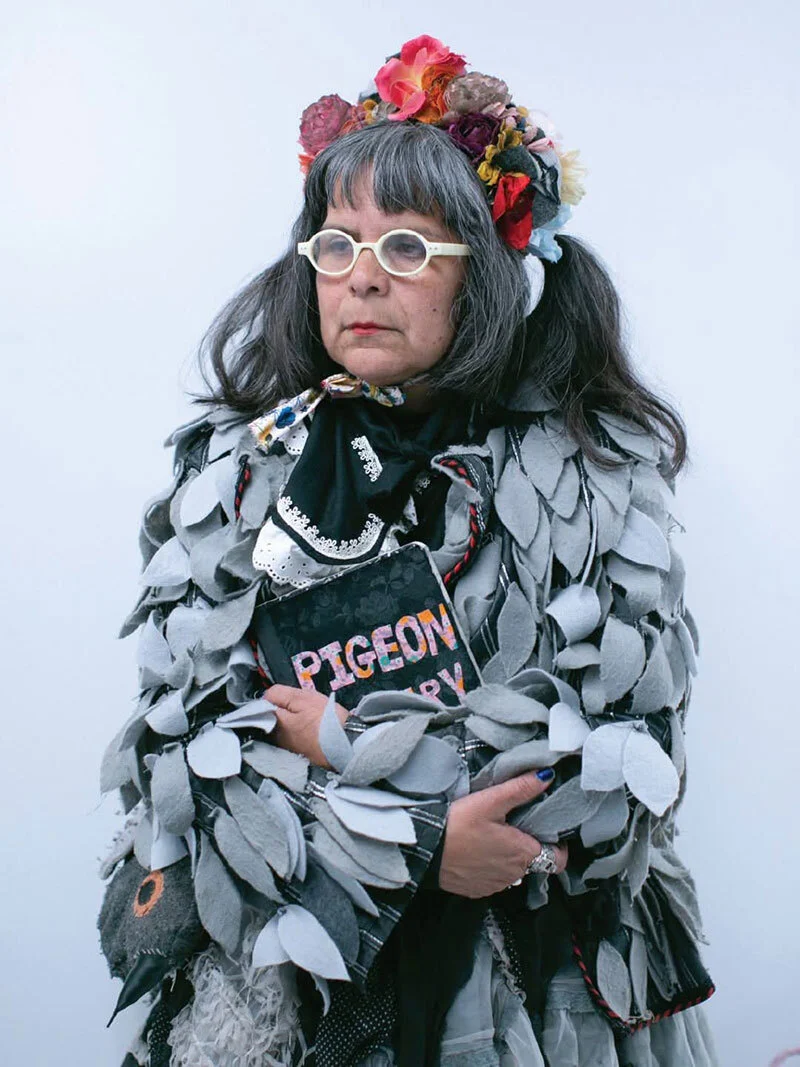
The vibrant tapestry of New York City, a global epicenter of culture and innovation, consistently produces extraordinary personalities who redefine the boundaries of art and activism. Among these notable figures stands Tina Piña Trachtenburg, known widely by her compelling moniker, "Mother Pigeon." Trachtenburg, a multifaceted artist, street performer, and unwavering animal rights advocate, has galvanized public attention through her unique blend of creative expression and impassioned protest. Her current crusade targets the clandestine capture of New York City’s pigeon population, a practice she vigorously opposes due to the birds being trafficked to Pennsylvania for live pigeon shoots—a brutal and controversial form of entertainment. Trachtenburg’s commitment to these often-maligned urban birds transcends conventional activism, employing performance art, digital media, and direct action to champion their cause and challenge established perceptions.
The Unseen Plight: Pigeons and the Live Shoot Controversy
Pigeons, scientifically known as Columba livia domestica, are ubiquitous in urban landscapes worldwide, often viewed with a mix of indifference and disdain. Descended from rock doves, these resilient birds have coexisted with humans for millennia, serving historical roles as messengers, food sources, and even wartime heroes. Yet, in modern cities, they are frequently dismissed as pests, their presence overlooked or actively discouraged. This societal marginalization, Trachtenburg argues, contributes to their vulnerability and exploitation.
The practice of live pigeon shooting, at the heart of Trachtenburg’s protest, involves releasing live birds from traps or cages, only for them to be shot by participants. This activity, primarily concentrated in certain states where it remains legal, such as Pennsylvania, has been a long-standing target of animal welfare organizations. Opponents decry it as inherently cruel, causing immense suffering to the birds, many of whom are injured but not killed outright, leading to prolonged agony. The practice also raises concerns about public safety and sanitation, as wounded birds may land in populated areas or die slowly in unseen locations.
Historically, live pigeon shoots gained popularity in the 19th and early 20th centuries as a form of sport. While many states have since outlawed the practice due to increasing public awareness and evolving animal welfare standards, Pennsylvania remains a notable exception. Efforts to ban these shoots in the state have been persistent, with legislative initiatives repeatedly introduced but often stalled by entrenched interests and arguments centered on tradition or hunting rights. The pigeons used in these events are often specifically bred or, as Trachtenburg highlights, illegally captured from urban environments, adding another layer of ethical and legal complexity to the issue. The journey from the bustling streets of Brooklyn to a Pennsylvania shooting range underscores a concerning inter-state animal cruelty pipeline that bypasses local protections and exploits a species often considered expendable.
Tina Piña Trachtenburg: The Genesis of Mother Pigeon
Tina Piña Trachtenburg’s transformation into "Mother Pigeon" is a compelling narrative of artistic evolution intersecting with profound social conscience. Hailing from New York City, Trachtenburg has long been an active figure in the city’s vibrant performance art scene. Her background as a street performer equipped her with a unique ability to command attention and convey powerful messages in public spaces, skills she now channels directly into her activism.
The genesis of Mother Pigeon as a persona can be traced to a deepening awareness and empathy for the city’s pigeons. Trachtenburg observed their daily struggles, their resilience, and their often-unseen beauty, recognizing in them a reflection of urban life itself—often overlooked, misunderstood, yet vital. This personal connection evolved into a fervent desire to protect them, particularly after becoming aware of the specific threat of their capture for live shoots. Her presence in Maria Hernandez Park, a community hub in Brooklyn, became central to her early activism. It was there that she reportedly witnessed or received accounts of individuals trapping pigeons, solidifying her resolve to act.
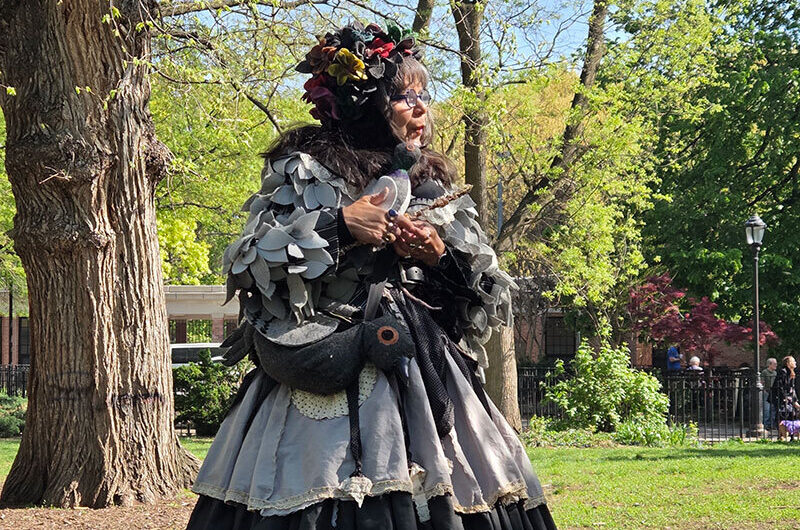
Adopting the persona of Mother Pigeon was a strategic and heartfelt choice. The name itself evokes a maternal protectiveness, a nurturing figure standing up for the vulnerable. Her public appearances are often characterized by a distinctive aesthetic, blending performance art with her activist message. She uses costumes, props, and her own engaging personality to draw people in, making them pause and consider a species they might otherwise ignore. This artistic approach allows her to transcend typical protest rhetoric, creating a more accessible and memorable experience for the public, fostering empathy rather than confrontation. Her art becomes a vehicle for advocacy, transforming the mundane into the meaningful and elevating the plight of the urban pigeon into a public discourse.
Advocacy in Action: Strategies and Platforms
Mother Pigeon’s campaign is a masterclass in multi-platform activism, leveraging both traditional street performance and cutting-edge digital media to amplify her message. Her approach is characterized by creativity, persistence, and a deep understanding of how to engage a diverse audience.
Central to her efforts is her street performance. Trachtenburg frequently appears in public spaces, particularly in Brooklyn, embodying the Mother Pigeon persona. These performances are not merely protests; they are immersive experiences designed to educate and inspire. She might be seen interacting directly with pigeons, feeding them, or simply standing as a visible guardian, drawing curious onlookers. Her presence itself is a statement, a living tableau against the backdrop of urban indifference. These public displays serve to humanize the pigeons, transforming them from anonymous "rats with wings" into sentient beings worthy of protection. The direct, personal engagement she achieves on the streets is invaluable, fostering face-to-face conversations that can shift perceptions more effectively than abstract appeals.
Complementing her physical presence, Mother Pigeon has built a formidable digital outreach presence. Her Instagram account, @motherpigeonbrooklyn, boasts over 38,000 followers and features more than a thousand posts. This platform serves as a visual diary of her activism, showcasing photos and videos of her interactions with pigeons, her street performances, and updates on her campaigns. It’s a powerful tool for community building, allowing followers to connect with her cause, share her content, and participate in the movement from anywhere in the world. Her Instagram feed is a vibrant testament to her dedication, offering a continuous stream of content that keeps her message fresh and engaging. Similarly, her Facebook page, @tinatrachtenburgartist, provides another avenue for broader dissemination of her advocacy, reaching a different demographic and fostering discussions.
Perhaps one of her most innovative digital initiatives is "Mother Pigeon’s Impeckable Musical Puppet Show" on YouTube. Over the course of a year, Trachtenburg produced ten unique videos for this channel, starring hand puppets Frankie the Pigeon and Max the Rat. This imaginative project ingeniously combines entertainment with education, using storytelling and music to teach audiences, particularly younger ones, about animal welfare and the importance of respecting urban wildlife. The puppet show is not just whimsical; it’s a carefully crafted educational tool that makes complex issues accessible and memorable. The project further led to the release of nine original songs, available on Bandcamp under the album "It’s Me Waiting in the Wings," showcasing Trachtenburg’s musical talents and expanding the artistic reach of her advocacy. The album also includes a bonus reading of her published book, further integrating her creative works into her activist mission. A short YouTube video also provides a candid insight into her motivations, allowing her to share her inspirations in her own words, fostering a deeper connection with her audience.
In a more direct form of action, Trachtenburg has publicly offered a $300 reward for anyone who can provide photographic and video evidence with strong identification capabilities of individuals capturing pigeons in Maria Hernandez Park. This reward system serves multiple purposes: it acts as a deterrent to potential pigeon capturers, empowers community members to become vigilant protectors, and aids in gathering concrete evidence that could lead to legal action. This strategic move highlights the illicit nature of the pigeon capture for resale, positioning it as a criminal act rather than a mere nuisance, and underscores her commitment to legal recourse where possible. The demand for "strong identification capability" reflects an understanding of the legal requirements for actionable evidence, demonstrating a serious, fact-based approach to combating the problem.
The Legal and Legislative Battle: Broader Support and Challenges
Mother Pigeon’s individual efforts are situated within a broader, ongoing legal and legislative struggle against live pigeon shoots. Her advocacy resonates deeply with established animal welfare organizations and legal bodies, amplifying their collective voice.
A significant ally in this fight is the New York City Bar Association’s Animal Law Committee. This respected legal entity has formally expressed its opposition to practices involving the release of feral and domesticated pigeons from mechanical traps to be shot. Their involvement lends considerable weight and legitimacy to the anti-shoot movement. Crucially, the committee supports H.B. 1097 (2025–2026) legislation in Pennsylvania, which seeks to prohibit the use of live pigeons as targets in trap and block shooting events. The involvement of a legal body from New York City in Pennsylvania’s legislative process underscores the inter-state nature of the problem, as New York’s pigeons are often the victims of practices in another state. Their support highlights the legal community’s recognition of the ethical and legal shortcomings of live pigeon shoots, framing the issue not just as an animal rights concern, but also as a matter of public policy and humane treatment under the law.
Beyond the NYC Bar Association, a wide coalition of animal welfare organizations, including national entities like the ASPCA, the Humane Society of the United States, and local groups in Pennsylvania, have historically campaigned against these events. Their efforts often involve lobbying state legislators, organizing public awareness campaigns, and sometimes engaging in direct protests at shoot locations. The legal complexities are substantial: while many states have banned such practices, Pennsylvania’s laws have proven resistant to change, often due to arguments centered on hunting heritage, property rights, or the classification of pigeons as non-protected species. Animal advocates contend that regardless of classification, the intentional infliction of suffering constitutes cruelty.
The legislative hurdles in Pennsylvania are considerable. Bills to ban live pigeon shoots have been introduced in multiple legislative sessions over decades, often passing in one chamber only to die in another, or failing to gain enough bipartisan support. Proponents of the shoots often argue for their right to engage in traditional sporting activities, deny the severity of cruelty, or claim that pigeons are pests requiring population control. However, these arguments are increasingly challenged by scientific understanding of animal sentience and evolving societal ethics. The ongoing legislative efforts, bolstered by public figures like Mother Pigeon and legal bodies like the NYC Bar Association, signal a persistent push towards a statewide ban, reflecting a growing moral consensus against such practices. The involvement of advocates from outside Pennsylvania, particularly from cities where pigeons are sourced, adds a powerful dimension to the debate, emphasizing the far-reaching impact of these seemingly localized events.
Public Perception and Community Engagement
Mother Pigeon’s unique brand of activism plays a pivotal role in shaping public perception regarding pigeons and animal rights. Her artistic and empathetic approach serves as a powerful counter-narrative to the common dismissal of urban pigeons as mere nuisances. By personifying their plight and dedicating herself so visibly to their protection, she compels the public to reconsider their relationship with these birds.
In New York City, particularly in communities like Brooklyn where she is most active, Mother Pigeon’s presence fosters significant community engagement. Residents who might otherwise ignore pigeons are drawn to her performances, listen to her stories, and learn about the cruel fate awaiting some of these birds. This direct interaction can transform indifference into empathy, leading to a more compassionate understanding of urban wildlife. Her activism encourages a sense of collective responsibility for the animals that share our urban spaces.
The role of art in social change is profoundly demonstrated by Trachtenburg’s work. Where traditional protests might alienate some, her creative expression draws people in. Her puppet shows, songs, and street performances are accessible entry points for discussions on animal welfare, making complex ethical issues understandable and relatable to a broader audience, including children. This artistic lens helps to reframe the narrative, moving beyond scientific or legalistic arguments to touch upon fundamental human values of kindness and respect for life. She transforms an often-overlooked environmental and ethical issue into a public spectacle that demands attention and reflection.
Moreover, Mother Pigeon’s highly visible and consistent advocacy contributes to the broader animal rights movement by demonstrating the power of individual action. Her commitment inspires others to consider how they too can make a difference, whether through supporting legislative efforts, volunteering for animal shelters, or simply adopting a more compassionate view towards the animals around them. Her work exemplifies how a single, dedicated individual, armed with creativity and conviction, can ignite collective action and shift cultural perspectives, proving that even the smallest voices can champion the most overlooked creatures.
The Future of the Movement and Mother Pigeon’s Enduring Legacy
As Tina Piña Trachtenburg continues her artistic crusade as Mother Pigeon, the long-term goals of her campaign are clear: to halt the illegal capture of New York City’s pigeons and to see a statewide ban on live pigeon shoots in Pennsylvania and beyond. Her work is not just about rescuing individual birds; it’s about enacting systemic change that protects an entire species from exploitation and cruelty.
Her unique blend of art and activism is poised to leave an enduring legacy on both the animal rights movement and the urban art scene. By demonstrating the efficacy of creative advocacy, she provides a model for future activists seeking innovative ways to raise awareness and inspire action. Her "Impeckable Musical Puppet Show" and vibrant social media presence ensure that her message reaches a wide and diverse audience, cultivating a new generation of animal advocates. The documented evidence she encourages through her reward system also contributes to strengthening legal cases against pigeon capturers, potentially setting precedents for how urban wildlife trafficking is addressed.
The challenge of protecting urban wildlife remains significant. As cities continue to expand, human-animal interactions will only become more frequent and complex. Mother Pigeon’s work underscores the importance of fostering coexistence and compassion in these shared environments. Her advocacy highlights that true urban sustainability includes respect for all inhabitants, including those often deemed insignificant.
In conclusion, Tina Piña Trachtenburg, as Mother Pigeon, stands as a testament to the power of artistic passion channeled into social justice. Her unwavering dedication to New York City’s pigeons transcends the conventional boundaries of activism, weaving together street performance, digital storytelling, and direct action into a compelling narrative of empathy and defiance. Her efforts, supported by legal bodies and a growing public consciousness, not only strive to protect the vulnerable but also enrich the dialogue around animal rights, proving that even the humblest of creatures deserve a champion. Her legacy will undoubtedly be one of profound impact, demonstrating that art can indeed be a powerful catalyst for change, transforming perceptions and inspiring a more humane world for all.

