


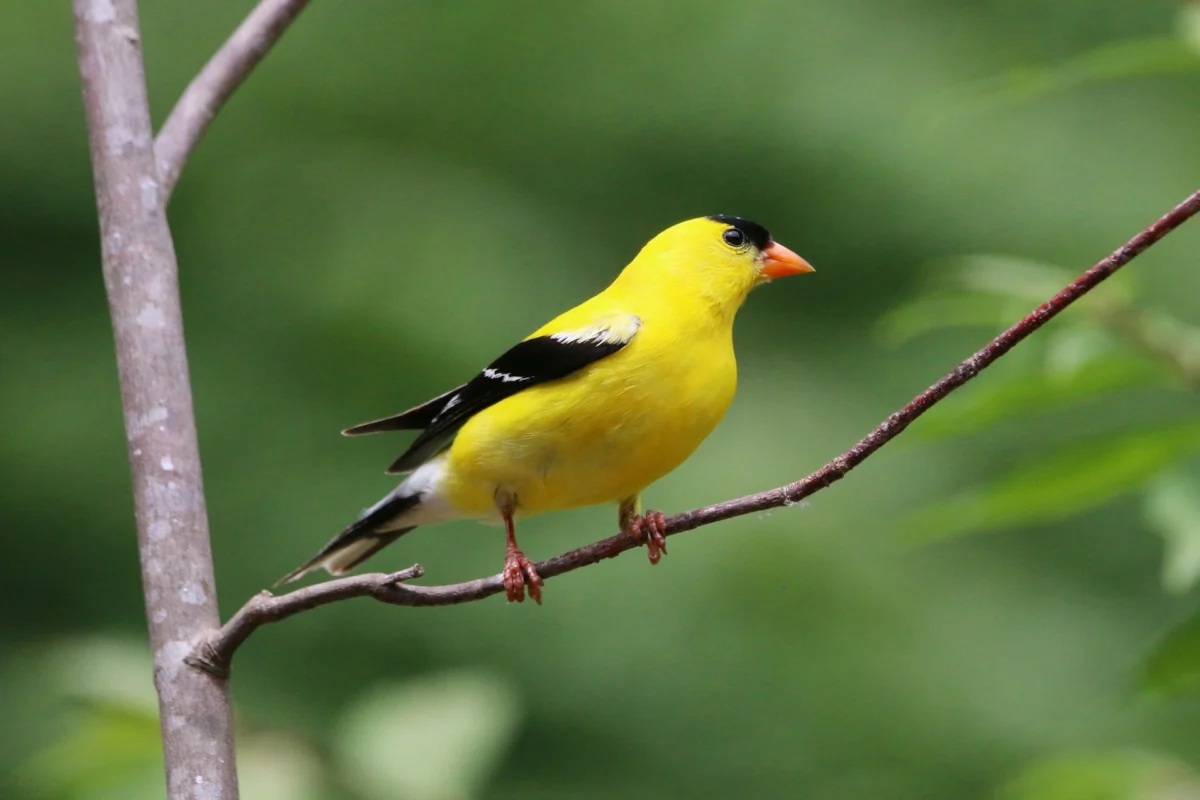
The vibrant flash of yellow against a stark winter landscape, accompanied by the cheerful, undulating song of the American Goldfinch (Spinus tristis), is a welcome sight for any birder. These delightful songbirds, easily recognizable by their brilliant plumage and distinctive wing markings, bring an unparalleled liveliness to yards, even during the colder months. For residents within their North American range, particularly in the Northeastern United States where they are year-round residents, the prospect of attracting these cheerful visitors throughout winter is an achievable and rewarding endeavor. This guide offers a detailed approach to transforming your outdoor space into a haven for goldfinches, covering essential feeding strategies, habitat considerations, and behavioral insights.
Understanding the American Goldfinch: A Year-Round Resident
Unlike many bird species that undertake extensive migrations, the American Goldfinch exhibits fascinating migratory patterns that vary geographically. In the Northeastern United States, these birds are known to remain throughout the winter, a testament to their adaptability and reliance on consistent food sources. This makes the winter months an opportune time to actively engage in attracting them. For goldfinches residing in more northern or western regions, a partial migration southward occurs, with some individuals traveling to warmer climates to escape the harshest winter conditions. This year-round presence in certain areas underscores the importance of consistent habitat and food provision for maintaining their populations and ensuring their visibility in our backyards.
The Nutritional Blueprint: Tailoring Food Sources for Goldfinches
The dietary habits of the American Goldfinch are a key factor in their susceptibility to human-provided attractants. Their diet is predominantly granivorous, meaning they subsist primarily on seeds. This makes them relatively easy to attract compared to insectivorous or nectar-feeding birds.
Sunflower Seeds: The Staple Offering
Among their preferred food items, sunflower seeds stand out as a primary attractant. Black oil sunflower seeds, in particular, are highly favored due to their high fat content and thin shells, which are easily cracked by finches. Offering these seeds in a suitable feeder can significantly increase your chances of attracting goldfinches.
Thistle Seed (Nyjer): A Finchy Favorite
Thistle seed, scientifically known as Nyjer (Guizotia abyssinica), is another highly coveted food source. Its small size and oily nature make it a calorie-rich option, especially crucial during the energy-demanding winter months. While thistle can be added to standard bird feeders, specialized thistle feeders or "thistle socks" are often more effective. These mesh bags or feeders with tiny openings are designed to dispense these small seeds and allow goldfinches to perch and feed with ease, a behavior that is both charming to observe and efficient for the birds.
Maintaining Seed Quality: A Crucial Winter Consideration
In winter, moisture levels can rise, leading to damp and unappealing seeds. It is imperative to ensure that the seeds offered are dry. Damp seeds can clump together, become moldy, and deter birds. Regular checks of feeders and prompt replacement of uneaten or spoiled food are essential. Aim to replace old seed every three to four weeks to maintain freshness and appeal.
Beyond Seeds: Natural Food Sources
While feeders are crucial, natural vegetation also plays a vital role in a goldfinch’s diet, particularly during seasons when manufactured food may be less accessible. Goldfinches have been observed feeding on the bark of young twigs and fresh tree buds, especially when other food sources are scarce. This highlights the benefit of maintaining a diverse landscape that includes native plants.
Selecting the Ideal Bird Feeder: Designing for Accessibility and Security

The type of bird feeder you choose can significantly influence the success of your goldfinch attraction efforts.
Specialized Feeders for Goldfinches
Feeders specifically designed for goldfinches are often smaller in size, which can help deter larger, more dominant bird species that might otherwise monopolize the food supply. This creates a more comfortable and secure feeding environment for the smaller finches. These specialized feeders often mimic the way birds forage in the wild, presenting seeds in a manner that goldfinches are accustomed to extracting.
Mesh and Tube Feeders: Promoting Dryness
Mesh or tube feeders are particularly recommended for dispensing thistle seed. Their construction helps to keep the seeds dry and prevents excessive spoilage, a critical factor during winter. The ability for birds to hang from these feeders while feeding also adds to the visual appeal for observers.
Strategic Feeder Placement
The placement of feeders can also play a role. While goldfinches are not overly territorial, providing multiple feeding stations can reduce competition and accommodate a larger number of birds. Placing feeders in a location that offers some nearby cover, such as shrubs or trees, can provide a sense of security and a quick escape route from potential predators.
Cultivating a Goldfinch Habitat: The Importance of Native Vegetation
Creating a natural habitat within your yard is as important as providing food. Goldfinches are naturally drawn to certain plants that offer both sustenance and nesting materials.
Seed-Producing Plants: A Natural Buffet
Incorporating plants that produce abundant seeds is a highly effective strategy. Sunflowers (Helianthus annuus) are a prime example, offering a prolific source of seeds that goldfinches readily consume. Other beneficial plants include:
- Asters (Symphyotrichum spp.): These late-blooming flowers provide seeds into the fall and winter.
- Coneflowers (Echinacea spp.): Known for their attractive flower heads, coneflowers also produce seeds that are a favorite of finches.
- Wild Thistle (Cirsium spp.): As mentioned earlier, wild thistle is a particularly strong attractant. Goldfinches are adept at extracting the small, fluffy seeds from its seed heads.
Nesting Materials and Cover
Beyond food, goldfinches also utilize certain plants for nesting material. Cattails (Typha spp.), dandelions (Taraxacum officinale), and milkweed (Asclepias spp.) are valuable resources for finches constructing their nests. These plants also provide essential cover and foraging opportunities throughout the year.
Plants to Avoid
It is also important to be aware of plants that could pose a risk. Burdock (Arctium spp.), with its numerous burrs, can easily entangle small birds, leading to injury or death. Avoiding such plants ensures a safer environment for visiting wildlife.
Creating a Safe Haven: Security and Coexistence
Beyond food and habitat, a sense of security is paramount for attracting and retaining goldfinches.

Managing Inter-Species Interactions
Goldfinches can be somewhat wary of larger, more aggressive bird species. While they may tolerate the presence of birds like Black-capped Chickadees (Poecile atricapillus) and Chipping Sparrows (Spizella passerina), larger birds such as Blue Jays (Cyanocitta cristata) can intimidate them and drive them away from feeders.
Feeder Zoning for Species Compatibility
One effective strategy to mitigate this is to utilize multiple feeders designed for different bird sizes. Smaller feeders with tiny perches and openings can effectively exclude larger birds, allowing goldfinches to feed undisturbed. This creates a more peaceful coexistence and reduces stress for the smaller species.
The Role of Water: Essential for Survival and Well-being
Water is a critical resource for all birds, and goldfinches are no exception. While it might seem counterintuitive during winter, providing water is essential for their health and hygiene.
Year-Round Water Needs
Birds require water not only for drinking but also for bathing. Maintaining clean plumage is vital for insulation, flight, and overall health. In freezing temperatures, open water sources can become inaccessible.
Warm Water Solutions for Winter
Offering warmed water can be a significant attractant during the colder months. Birdbaths equipped with heaters or heated birdbaths are ideal solutions. This provides a safe and accessible water source for drinking and bathing, making your yard an even more desirable destination for goldfinches and other wintering birds. The presence of a consistent water source, especially a warm one, can dramatically increase the frequency of visits.
Understanding Goldfinch Behavior: Insights for Attracting and Observing
A deeper understanding of goldfinch behavior can further enhance your efforts.
Social Dynamics
Goldfinches are generally social birds, often foraging in flocks, especially outside the breeding season. While they can be a bit nervous around humans and larger birds, their attraction to a reliable food source often outweighs their apprehension. They are typically comfortable in the company of other birds of similar size. During the late summer breeding period, flocking behavior may be less pronounced as individuals focus on raising young.
Vocalization: The Soundtrack of a Goldfinch Yard
The song of the American Goldfinch is distinctive and often heard before the bird is seen. Their calls are typically a lively series of chirps and whistles, sometimes described as sounding almost robotic. When approaching a new food source or feeling apprehensive, they may exhibit nervous tweeting and hover for a short period before committing to feeding. Their cheerful chatter in flight contributes to the overall sense of vibrancy they bring to an environment.
The Seasonal Transformation: Summer Brightness vs. Winter Camouflage
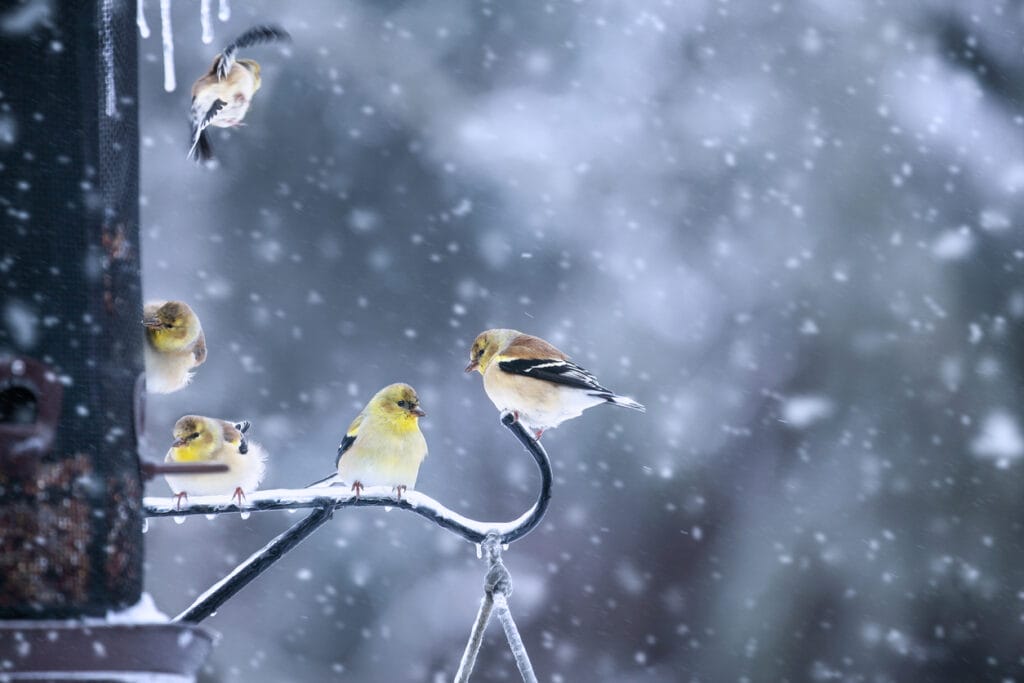
The American Goldfinch undergoes a remarkable seasonal transformation, particularly the males, which significantly impacts their appearance.
Summer Plumage: A Symbol of Vibrancy
During the breeding season, male goldfinches are renowned for their brilliant, almost luminous yellow plumage, contrasted by a black cap and black and white markings on their wings and tail. This striking coloration serves to attract mates.
Winter Plumage: A Subdued Palette
As winter approaches, males molt into a more subdued, brownish-yellow or olive-colored plumage. This change is believed to serve as camouflage and may also be related to their reduced need for conspicuous display when not actively seeking mates. Females, year-round, exhibit a duller, more muted yellowish-green or brownish coloration, lacking the prominent black cap of the breeding male. Young birds often have even earthier tones. This seasonal dimorphism can make distinguishing between males and females more challenging during the non-breeding season.
Frequently Asked Questions About American Goldfinches
-
What is the difference between a yellow finch and a goldfinch?
While the term "yellow finch" might be used colloquially, there isn’t a distinct species by that name in North America. The Yellow Warbler (Setophaga petechia) is a small, entirely yellow bird, sometimes with reddish streaks. The American Goldfinch (Spinus tristis) is also bright yellow, but males in breeding plumage are distinguished by a prominent black cap and black wing markings. -
What is the lifespan of a goldfinch bird?
In the wild, American Goldfinches typically have a lifespan of 3 to 6 years. However, with consistent food sources and safe habitats, some individuals may live longer. -
Are goldfinches always gold?
No, their coloration is highly seasonal. Males display their most brilliant gold and black plumage during the spring and summer breeding season. During the non-breeding season (fall and winter), both males and females adopt duller, more muted tones of yellowish-green and brown, which aids in camouflage.
Conclusion: A Rewarding Endeavor for Nature Enthusiasts
Attracting American Goldfinches to your backyard during winter is a highly achievable goal that requires a thoughtful approach to food provision, habitat enhancement, and safety. By offering their preferred seeds, utilizing appropriate feeders, planting native vegetation, and ensuring a reliable source of water, you can transform your yard into a welcoming sanctuary for these cheerful birds. The effort invested not only provides essential resources for the goldfinches but also offers a consistent opportunity to observe and appreciate their captivating presence, enriching the winter landscape with their vibrant colors and melodious songs. The dedication to creating a goldfinch-friendly environment throughout the year ensures that these delightful visitors will continue to grace your space, season after season.

