


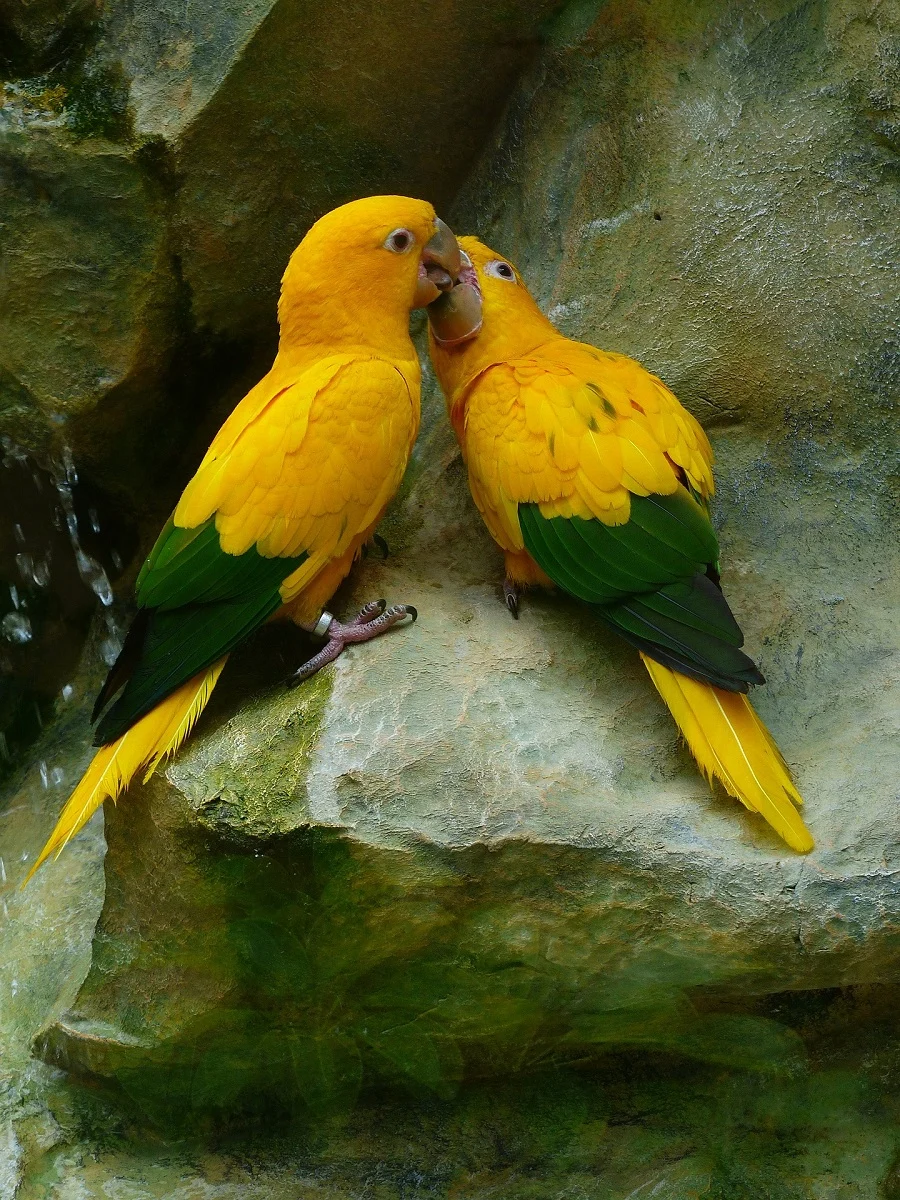
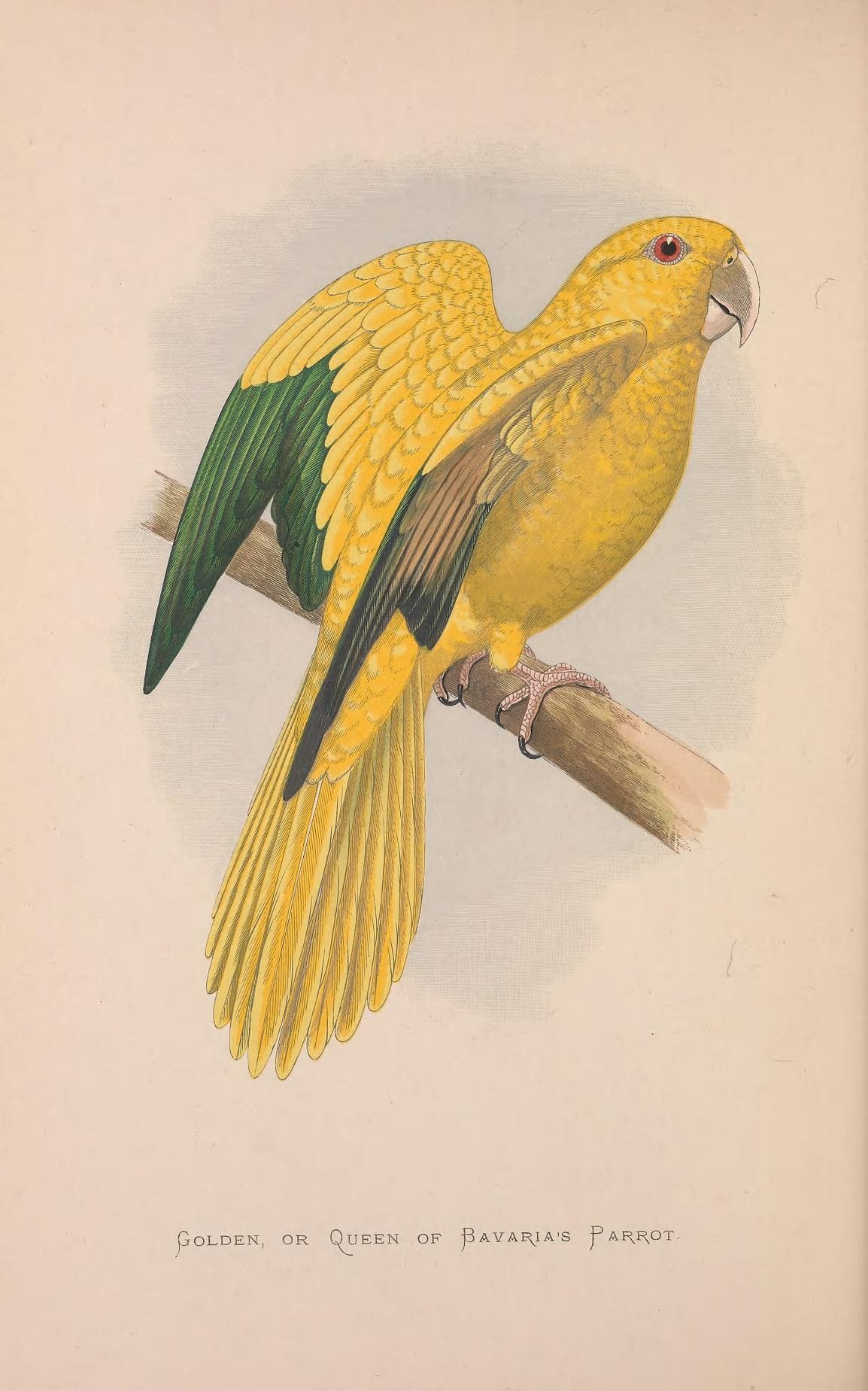
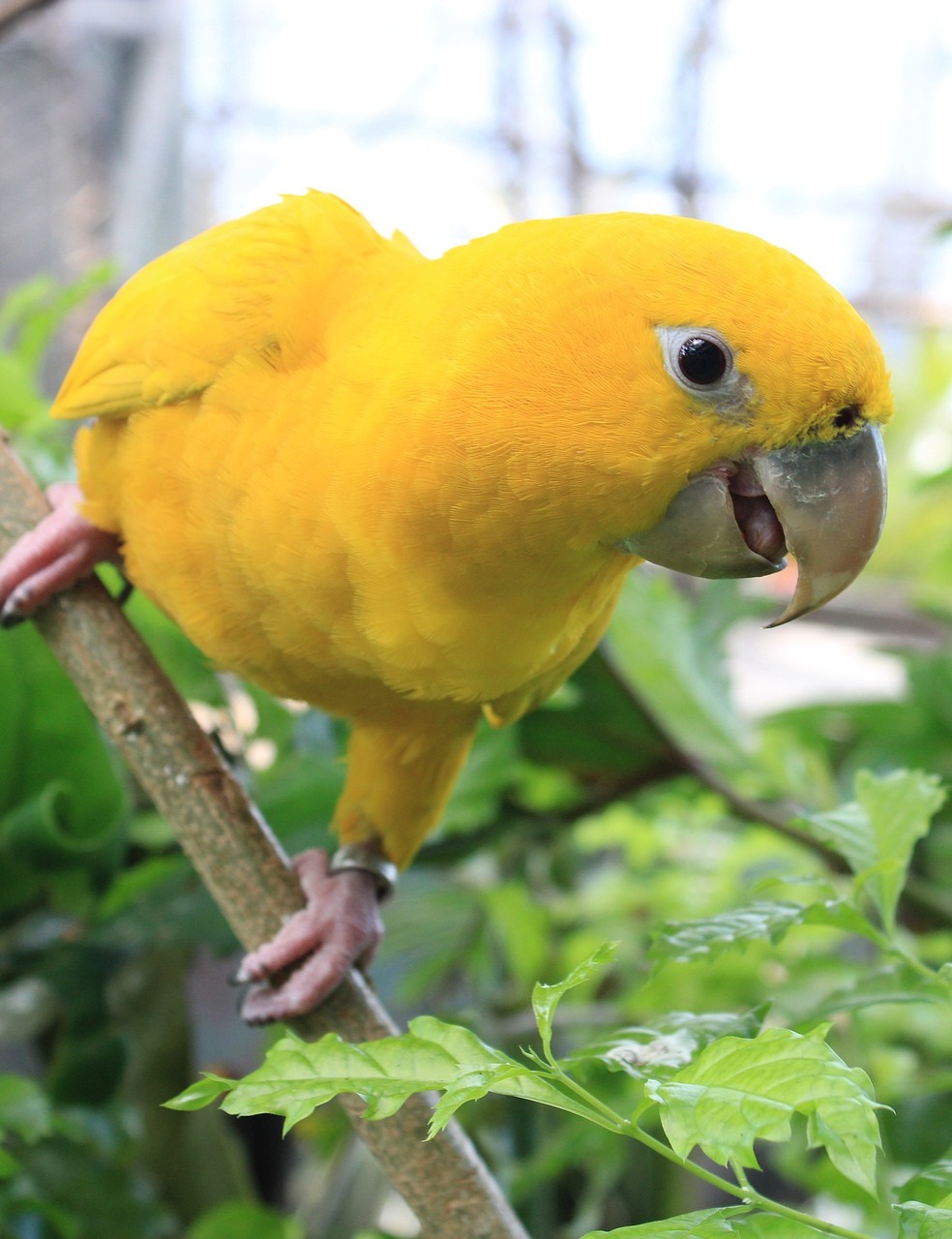
The Golden Conure, known scientifically as Guaruba guarouba and colloquially as the Queen of Bavaria Conure or Golden Parakeet, stands out as one of the most strikingly beautiful members of the Psittacidae family. Its brilliant, almost uniform golden plumage, punctuated by subtle dark green wingtips in adults, makes it an undeniable spectacle, captivating both avian enthusiasts and conservationists alike. However, behind its captivating beauty lies a complex story of ecological vulnerability, scientific reclassification, and the profound responsibilities associated with its care as a companion animal.
A Regal Description: Appearance and Unique Classification
The Golden Conure is a medium-sized parrot, typically reaching up to 14 inches (35 cm) in length and weighing an average of 250 grams. Its most defining characteristic is its vibrant, almost entirely golden-yellow body, a trait that sets it apart within the parrot kingdom. Adults display a distinctive horn-colored beak, robust and well-suited for cracking nuts and fruits. While the golden hue dominates, a closer inspection reveals dark green primary and secondary wing feathers, particularly noticeable during flight. Juveniles, however, present a more mottled appearance, with a significant amount of green speckling across their wings, back, and sometimes their head, gradually transitioning to the adult golden coloration over their early years.
A notable challenge for breeders and owners is the absence of sexual dimorphism; male and female Golden Conures are visually indistinguishable. Determining the sex of an individual bird necessitates DNA testing, typically performed via feather or blood samples, to provide definitive identification.
The taxonomic journey of the Golden Conure reflects the dynamic nature of scientific understanding and genetic research. Initially classified under genera such as Conurus, Eupsittula, and subsequently Aratinga, ornithologists long suspected its unique characteristics warranted a distinct classification. This suspicion was formally recognized by ornithologist Joseph Forshaw, who, in his seminal 2006 guide "Parrots of the World," listed it as Guaruba guarouba. This reclassification placed it as the sole species within its own genus, Guaruba. Subsequent phylogenetic studies, including a significant 2006 article in Systematic Biology, corroborated this distinction, revealing that Guaruba is more closely related to the red-shouldered macaws of the genus Diopsittaca than to the Aratinga conures it was previously grouped with. This reclassification underscores the species’ unique evolutionary path and genetic isolation, highlighting its singular position within the parrot family.
Natural Habitat and Critical Conservation Status
The Golden Conure’s natural range is confined to a specific and increasingly fragmented region of the Brazilian Amazon Basin, primarily within the state of Pará, with potential occurrences in neighboring Maranhão. Within this vast rainforest ecosystem, these parrots exhibit a preference for dry lowland terra firme forests but are also observed foraging in seasonally flooded várzea areas. The species is known for its nomadic tendencies, often moving between dense jungle and less dense zones, particularly during the breeding season, in search of optimal food resources and nesting sites.
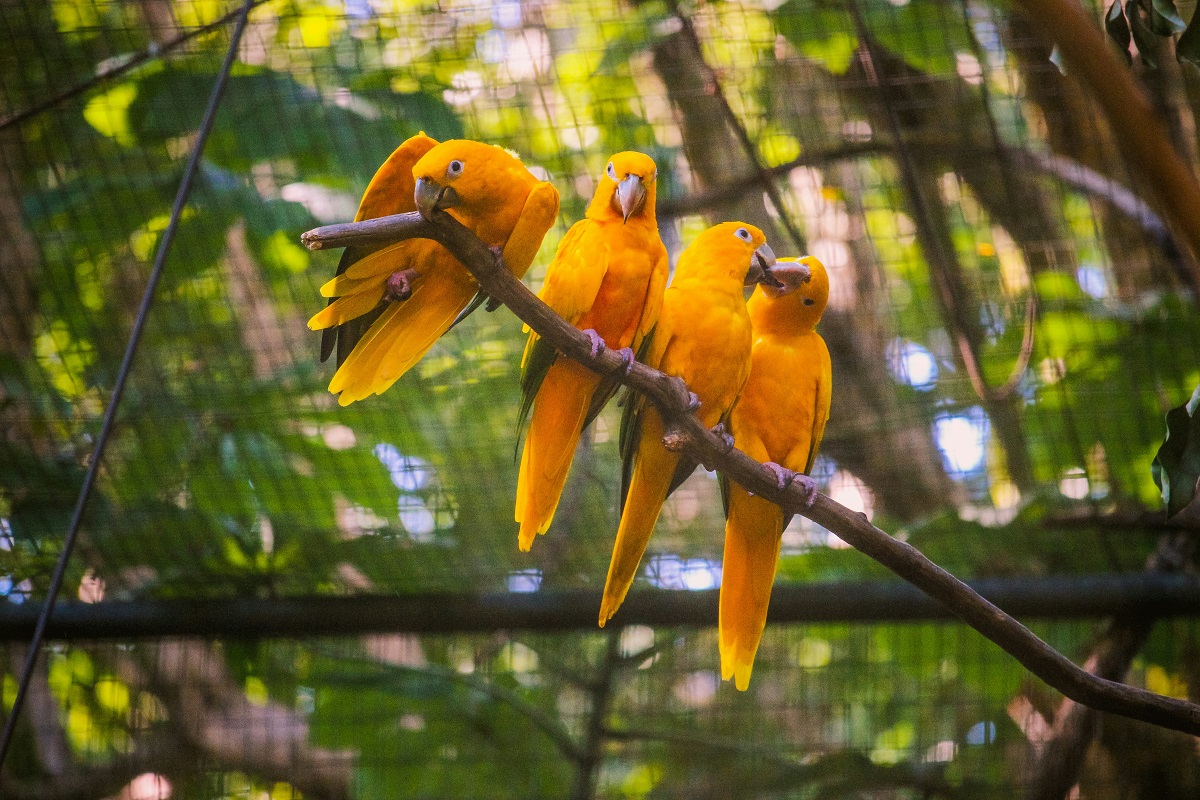
Nesting typically occurs in the hollows of relatively isolated mature trees, sometimes utilizing or enlarging cavities previously occupied by other species. A fascinating aspect of their reproductive biology is the propensity for communal nesting, where multiple female Golden Conures may lay their eggs in the same nest. This cooperative breeding strategy can result in clutches containing upwards of ten eggs, a testament to their complex social structures in the wild.
Despite their social adaptability, the wild population of Guaruba guarouba faces severe threats, leading the International Union for Conservation of Nature (IUCN) Red List to classify it as a Vulnerable species. Historically, the illegal pet trade posed a significant threat, with wild-caught individuals highly prized for their beauty. While conservation efforts and stricter regulations have somewhat reduced trapping, the primary contemporary threat remains pervasive habitat destruction and fragmentation. Large-scale deforestation for agriculture, cattle ranching, logging, and infrastructure development continues to decimate their essential forest habitat at an alarming rate.
Conservationists and organizations, including the IUCN and CITES (Convention on International Trade in Endangered Species of Wild Fauna and Flora), emphasize the urgent need for protected areas, sustainable land management practices, and robust enforcement against illegal wildlife trade. The species’ listing on CITES Appendix I further restricts international commercial trade, aiming to prevent its exploitation. However, the relentless march of human development in the Amazon poses an ongoing challenge to the Golden Conure’s survival in its native lands.
For indigenous populations in Brazil, the Golden Conure, locally known as "Ararajuba," has long held cultural significance beyond its commercial value in the pet trade. Its resplendent golden feathers were historically prized for ceremonial purposes and adornment. This deep cultural connection sometimes led to the unfortunate practice of dyeing other conure species yellow to fetch higher prices in local markets, illustrating the historical allure and demand for this magnificent bird.
The Wild Diet: A Rainforest Bounty
In its natural Amazonian habitat, the Golden Conure thrives on a diverse and seasonally varied diet. Scientific observations, including a 2024 study on reintroduced populations, reveal that fruits constitute the predominant portion of their intake. Favorites include the nutrient-rich fruits of açaí and bacaba palms, as well as the produce of cashew, ice cream bean, nance, and locustberry trees. Beyond fruits, they also consume flowers and flower buds, indicating a broad foraging strategy. Like many other intelligent parrot species, wild Golden Conures are opportunistic feeders and have been known to raid agricultural crops, particularly corn and mango plantations, which can sometimes lead to conflicts with local farmers.
The Golden Conure as a Companion Animal: Responsibilities of Ownership
For those considering adding a Golden Conure to their family, understanding its needs and temperament is paramount. These are not low-maintenance pets; they demand significant commitment, time, and resources.
Captive Diet: Nutritional Foundations
In captivity, replicating the nutritional diversity of their wild diet is crucial for their long-term health and lifespan, which can extend up to 30 years. A high-quality, species-appropriate parrot pellet should form the cornerstone of a captive Golden Conure’s diet. These specially formulated pellets are nutritionally complete, providing a balanced intake of vitamins, minerals, and proteins, and are generally lower in fat than traditional seed mixes.
To supplement the pellet diet and provide vital enrichment, a wide array of fresh foods should be offered daily. This includes:
- Vegetables: Dark leafy greens (kale, spinach, romaine), broccoli, carrots, bell peppers, sweet potatoes, zucchini.
- Fruits: Apples (without seeds), berries, melons, mango, papaya, citrus fruits. Fruits should be offered in moderation due to their higher sugar content.
- Legumes: Cooked beans and lentils (never raw).
- Grains: Cooked whole grains like brown rice, quinoa, and oats.
- Healthy Proteins: Small amounts of cooked chicken, fish, or hard-boiled egg can be offered occasionally.
Avian veterinarians stress that a varied diet not only provides essential nutrients but also prevents boredom and encourages natural foraging behaviors. Owners should research parrot nutrition extensively to ensure their bird receives a balanced and safe diet, avoiding foods toxic to parrots such as avocado, chocolate, and caffeine. Presenting food in foraging toys is an excellent way to combine mealtime with mental stimulation, mimicking their natural quest for food in the wild and promoting physical activity.
Housing: Creating a Safe and Stimulating Environment
Given their size and active nature, Golden Conures require a spacious enclosure. For birds that will spend significant time in their cage, a full-sized indoor aviary is ideal. If daily out-of-cage time is guaranteed for several hours, a cage with a minimum width of 40 inches (1 meter) is a reasonable starting point, though larger is always better. The bar spacing must be appropriate to prevent escapes and injuries.
The cage interior should be thoughtfully designed to promote physical and mental well-being. A variety of natural wood perches of different diameters is essential for foot health, preventing pressure sores. Platforms and ladders provide additional climbing opportunities. Crucially, Golden Conures are highly intelligent and playful birds that bore easily, making an abundance of parrot-safe toys indispensable. Toys that encourage chewing, shredding, preening, and noise-making help satisfy their natural instincts and prevent destructive behaviors stemming from boredom.
Beyond the cage, a dedicated play stand or parrot tree provides a safe and stimulating "out-of-cage" zone, allowing them to explore and interact with their environment and human companions. Prior to allowing a conure free-roam time, any room must be meticulously parrot-proofed to eliminate potential hazards such as toxic plants, exposed electrical wires, open windows, or access to small, ingestible objects.
Enrichment: Nurturing a Busy Mind
The intelligence and social complexity of Golden Conures mean they thrive on mental and physical stimulation. In the wild, they spend their days interacting with flocks, foraging for food, and navigating their environment. In captivity, a lack of enrichment can lead to stress-induced behavioral issues such as excessive screaming, feather plucking, or aggression.
Effective enrichment strategies include:
- Social Interaction: Daily interaction with their human flock is vital. Golden Conures are highly social and form strong bonds.
- Foraging Opportunities: Utilizing foraging toys, hiding treats, or scattering food encourages natural problem-solving.
- Chew Toys: Providing a constant supply of destructible toys (wood, paper, natural fibers) satisfies their innate need to chew and keeps their beaks trimmed.
- Physical Activity: Opportunities for climbing, flapping, and exploring outside the cage are crucial for physical health and preventing obesity, a common cause of death in pet parrots.
- Sensory Stimulation: Offering new sights, sounds (appropriate music), and textures.
- Training: Positive reinforcement training for simple commands or tricks provides mental engagement and strengthens the bond between bird and owner.
Temperament: The Golden Personality
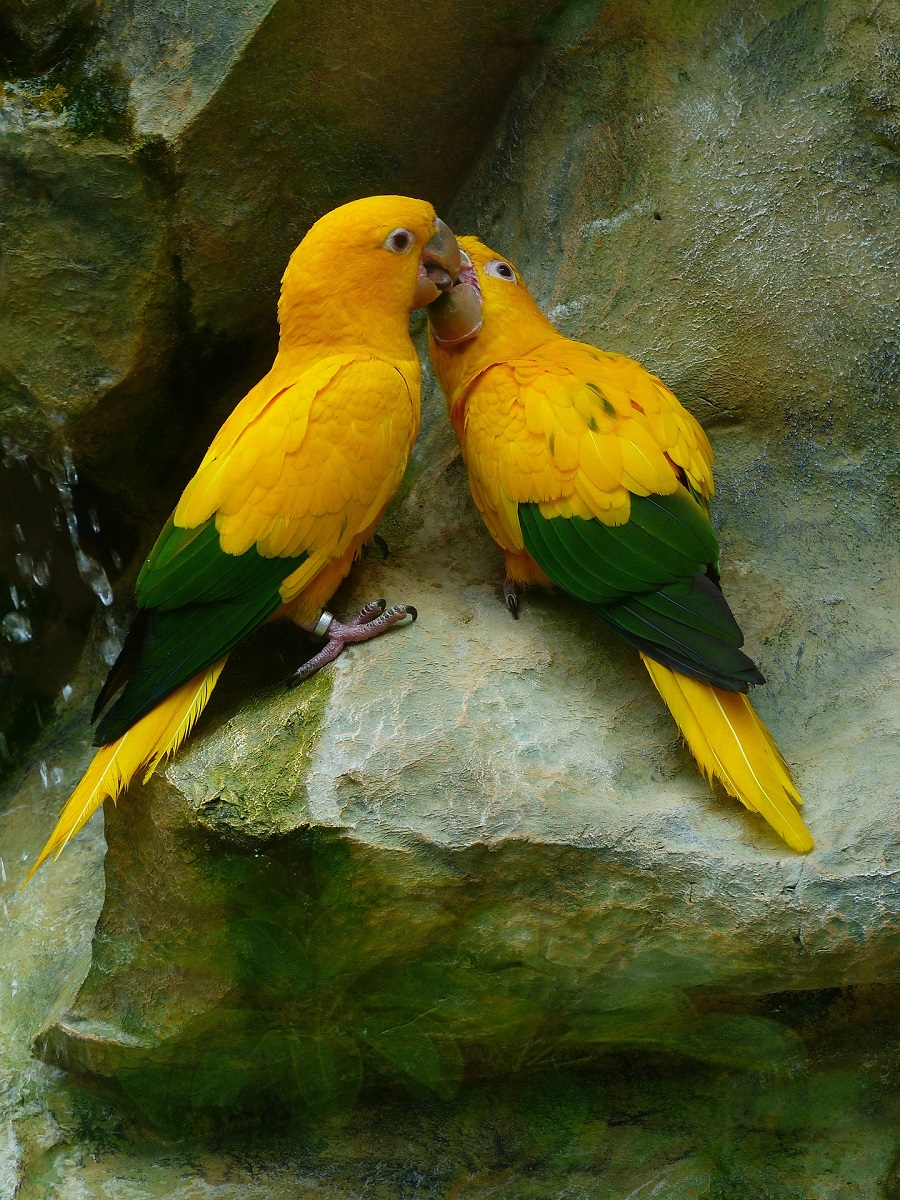
Golden Conures are generally known for their bright, engaging personalities that mirror their vibrant coloration. While individual variations exist, they are typically described as friendly, affectionate, and playful. Unlike some parrot species that bond intensely with a single person, Golden Conures often form strong, loving relationships with multiple family members, making them excellent family pets.
They relish playtime, often engaging in acrobatic antics, but are equally content to perch on a shoulder, receiving gentle attention and cuddles. Their energetic nature is balanced by an even-tempered disposition; they are not typically prone to aggression when properly socialized and cared for. This combination of sociability, intelligence, and a generally pleasant demeanor makes them incredibly rewarding companions for dedicated owners.
Vocalization: A Powerful Voice
While not as ear-piercing as some of their Aratinga relatives like the Sun Conure, Golden Conures are by no means quiet birds. Their relatively large size equips them with powerful voices, and they are capable of producing a range of calls, squawks, and chirps. Prospective owners must seriously consider whether they can tolerate a bird with a medium to high noise level. Visiting a breeder or interacting with an owned Golden Conure can provide a realistic preview of their vocalizations, which are often loudest during dawn and dusk or when seeking attention.
Regarding speech, most parrots possess the ability to mimic sounds. However, Golden Conures are not renowned as champion talkers. While they may pick up simple words, short phrases, easy tunes, and household sounds, their clarity of speech is generally limited. Owners should manage expectations regarding their bird’s talking ability, focusing instead on their rich personalities and interactive behaviors.
Ethical Considerations and Future Outlook
The decision to acquire a Golden Conure, whether from a breeder or through adoption, carries significant ethical weight. Given their Vulnerable status in the wild, responsible pet ownership extends beyond daily care to contributing to the species’ overall well-being. This includes:
- Responsible Sourcing: Acquiring birds from reputable breeders who prioritize the health and welfare of their birds and operate ethically, ensuring their stock is captive-bred and not wild-caught.
- Long-Term Commitment: Understanding that a Golden Conure is a multi-decade commitment, requiring consistent care, financial resources, and emotional investment.
- Support for Conservation: Considering support for organizations dedicated to the conservation of wild parrot populations and their habitats in the Amazon.
The Golden Conure’s future, both in the wild and in human care, hinges on concerted efforts. Conservation initiatives in Brazil aim to protect critical habitats, combat illegal logging, and engage local communities in sustainable practices. For the captive population, responsible breeding programs play a vital role in maintaining genetic diversity and providing ethical sources for companion animals, thereby reducing pressure on wild populations. The Golden Conure serves as a powerful emblem of the Amazon’s biodiversity, a magnificent avian jewel whose continued existence requires the collective stewardship of scientists, conservationists, and responsible pet owners worldwide.

